
Setting up a nursery in Singapore requires a thoughtful balance of space efficiency, safety, and accessibility. With typical local homes like HDB flats and condominiums featuring compact layouts, choosing the right children toy storage is not just about keeping clutter out of sight. It is about creating an environment where your child can safely explore, play, and eventually learn the valuable skill of tidying up. The ideal storage solution adapts to your child’s developmental stages while fitting seamlessly into your home’s footprint.
When planning your nursery, it is easy to get overwhelmed by the sheer variety of organizers, bins, and shelving units available on the market. However, by focusing on key structural features, material safety, and spatial compatibility, you can design a system that keeps toys organized and ensures the nursery remains a calm, restful sanctuary. This guide will walk you through the essential criteria for selecting nursery storage, compare the most popular storage types, and provide practical safety and space-planning tips tailored to Singaporean homes.
Core Criteria for Choosing Nursery Toy Storage
Selecting the right storage units involves understanding how your child will interact with their environment. During the first few years, a child’s motor skills and cognitive abilities develop rapidly. Storage that works for an infant’s soft plush toys may not be suitable for a toddler’s building blocks or a preschooler’s art supplies. Therefore, adaptability is one of the most critical factors to consider when evaluating different systems.
Products mentioned in this guide
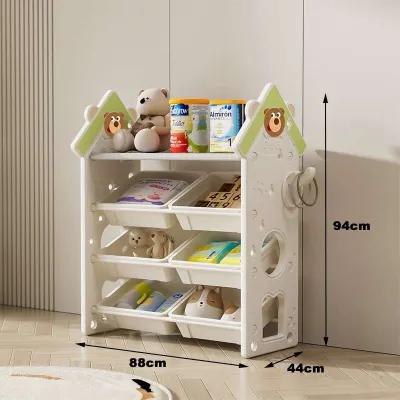
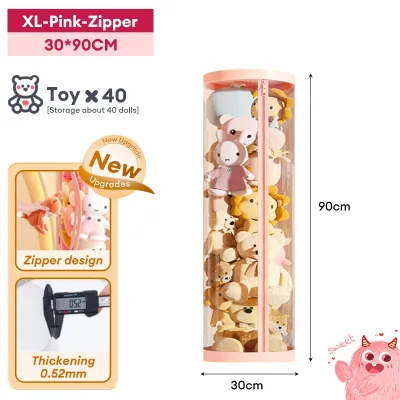
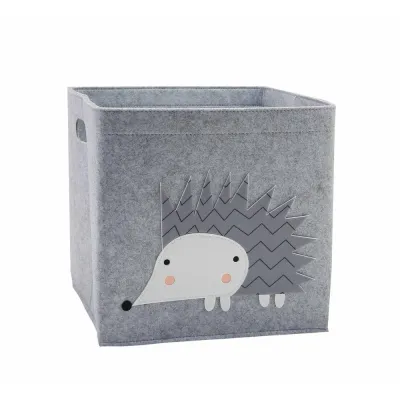
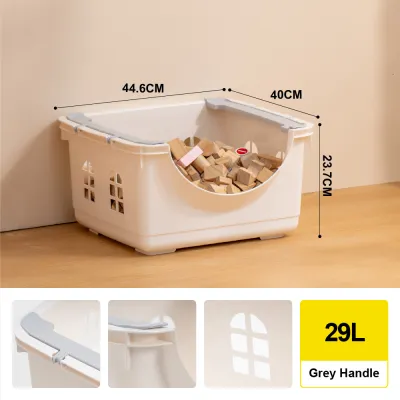
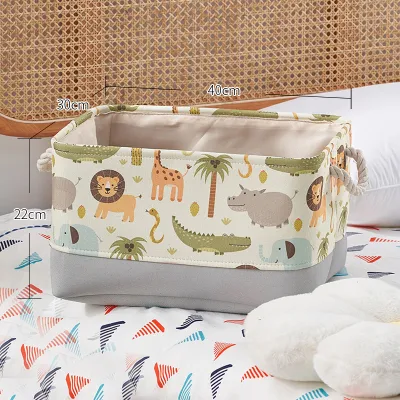
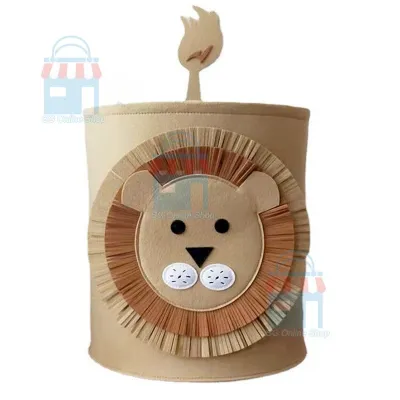
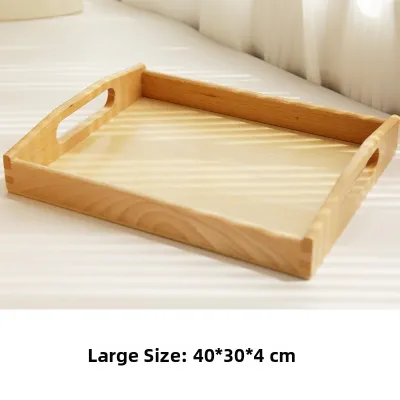
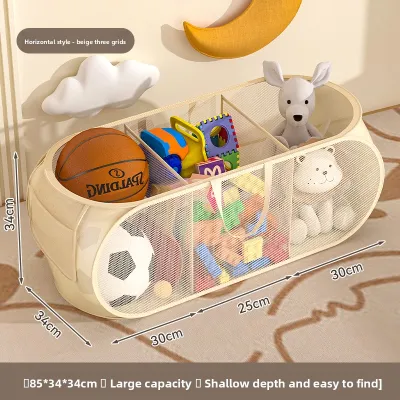
Prices are valid at publication and may change. Please refer to the product page for the latest price.
Accessibility plays a pivotal role in fostering independence. Low-profile shelves and open bins allow toddlers to see and reach their toys without needing constant adult assistance. When children can easily access their playthings, they are more likely to engage in self-directed play. Conversely, storage that is too tall or difficult to open can lead to frustration or safety hazards, such as children attempting to climb shelves to reach a desired item. Designing a system that keeps daily-use toys at your child’s eye level encourages them to take ownership of their play space and simplifies the process of teaching them to clean up after themselves.
Another important consideration is the balance between visibility and concealed storage. While open shelving is excellent for displaying a curated selection of books and toys, too many visible items can cause sensory overload and make the nursery feel chaotic. Integrating closed storage options, such as fabric drawers or opaque bins, allows you to rotate toys and keep less frequently used items out of sight. This combination helps maintain a visually calm environment, which is particularly important in a room dedicated to both active play and restful sleep.
Finally, durability and ease of maintenance are essential, especially given Singapore’s warm and humid climate. Materials should be robust enough to withstand daily wear and tear, yet easy to clean and sanitize. Spills, dust, and sticky fingerprints are inevitable in any children’s space. Opting for smooth, non-porous surfaces or machine-washable fabrics will save you significant time and effort in the long run. Always check the manufacturer’s care instructions to ensure the materials can be safely wiped down with mild, child-safe cleaning agents without degrading over time.
Comparing Common Toy Storage Types and Uses
Different types of toys require different storage methods to keep them organized and accessible. By understanding the strengths and limitations of various storage categories, you can create a hybrid system that perfectly matches your nursery’s layout and your child’s play habits.

Open Shelving and Cube Organizers
Open shelving and modular cube organizers are highly versatile options for a nursery. These units provide a structured framework where you can display books face-out, showcase larger toys, or slide in removable bins for smaller items. The modular nature of cube organizers means they can often be configured horizontally or vertically, allowing you to adapt the layout as your storage needs grow.
When selecting open shelves, stability is paramount. Low, wide units are inherently more stable than tall, narrow ones because they have a lower center of gravity. If you choose to use taller shelving units to maximize vertical space, it is critical to place heavier items on the bottom shelves to prevent the unit from becoming top-heavy. Additionally, ensure that any modular components are securely locked together according to the manufacturer’s instructions.
Pairing open shelves with lightweight fabric or plastic bins offers excellent flexibility. You can use the open compartments for books and developmental toys, while using the bins to corral smaller, loose items like building blocks or puzzle pieces. This setup allows you to easily rotate toys by swapping out the bins, keeping the play experience fresh and engaging for your child without cluttering the room.
Baskets, Bins, and Toy Chests
Baskets, bins, and traditional toy chests are excellent for quick cleanups and storing bulky or oddly shaped toys. Soft containers, such as those made from woven cotton rope, felt, or canvas, are highly recommended for infant nurseries. They have no sharp corners or hard edges, making them incredibly safe for babies who are just learning to crawl, pull themselves up, or walk.
If you prefer hard plastic bins or wooden toy chests, safety features must be evaluated carefully. For chests with lids, look for models equipped with safety hinges or slow-close mechanisms that prevent the lid from slamming shut on tiny fingers. There should also be adequate ventilation holes or gaps around the lid to ensure safety if a child decides to climb inside. If a chest does not have these safety features, it is often safer to use it without the lid entirely.
Lightweight designs with sturdy, integrated handles are ideal, as they allow both you and your child to move the containers around the room easily. Breathable materials are also beneficial in Singapore’s humid climate, as they help prevent moisture buildup and musty odors from settling into soft toys. Regularly inspect handles and seams to ensure they remain secure under the weight of the toys.
Rolling Carts and Mobile Stations
Rolling utility carts and mobile storage stations have become increasingly popular in Singapore nurseries due to their portability and compact footprints. These multi-tiered units are excellent for keeping art supplies, diaper-changing essentials, or frequently used toys close at hand, allowing you to move them easily between the nursery, living room, or play area.
When choosing a rolling cart, look for models with reliable wheel-locking mechanisms. Locking the wheels when the cart is stationary is crucial to prevent it from rolling away or tipping over when a child reaches for an item. It is also important to observe the manufacturer’s height and weight limits; overloading the top tiers of a mobile cart can make it unstable and prone to tipping.
The compact footprint of rolling carts makes them highly maneuverable around nursery furniture, which is a significant advantage in smaller rooms. However, caregiver supervision is always necessary when mobile units are in use, especially around infants and toddlers who might try to use the cart as a support for standing. When not in use, store the cart in a secure corner with the wheels locked.
Safety Verifications and Space Planning in Singapore
Creating a safe play environment requires careful planning, particularly when working with the unique architectural features of Singaporean homes. Whether you live in a high-rise HDB flat or a condominium, understanding your wall types and room dimensions is key to secure installation and efficient space utilization.
Anti-tip anchoring is the single most important safety measure for any tall or heavy furniture in a nursery. Children are naturally curious and may attempt to climb shelves to reach toys. To prevent devastating tip-over accidents, any storage unit taller than a toddler’s chest height must be securely anchored to the wall. In Singapore, wall construction varies: HDB flats typically feature solid concrete or brick walls, which require heavy-duty masonry wall plugs and screws, while some newer condominiums may have drywall partitions that require specialized hollow-wall anchors. Always verify your wall type and use the appropriate anchoring hardware recommended by the manufacturer or a professional installer.
Material safety is another critical verification step. Before purchasing any toy storage unit, check the product labels and specifications for non-toxic material certifications. Look for finishes that are lead-free, phthalate-free, and low in volatile organic compounds (VOCs). This is especially important for teething babies who may chew on wooden edges or handles. If a product’s material composition or safety certifications are unclear, contact the manufacturer directly for clarification before bringing it into your home.
Maximizing space in a compact nursery involves thinking vertically and utilizing underutilized areas. Awkward corners can be fitted with corner shelving units, while the space beneath the crib can accommodate low-profile rolling bins for extra bedding or out-of-season toys. Wall-mounted shelves are excellent for keeping decorative items, books, or delicate keepsakes out of reach, but they must be installed high enough to prevent a standing child from pulling them down. Always ensure that any wall-mounted units are securely anchored into wall studs or solid concrete.
How to Build and Filter Your Storage Shortlist
With so many options available, creating a practical shortlist will help you make an informed decision that fits both your nursery layout and your budget. Start by taking precise measurements of the designated nursery footprint. Be sure to account for door swings, wardrobe door clearances, and the space needed for safe movement around the room. Drawing a simple floor plan can help you visualize how different storage units will fit alongside essential furniture like the crib and changing table.
When shopping online or visiting local furniture stores in Singapore, pay close attention to delivery and assembly services. Some larger storage units can be challenging to transport and assemble, especially if you live in a walk-up apartment or a building with tight lift access. Verifying whether the retailer offers professional assembly services can save you time and ensure that the furniture is put together correctly and safely. Additionally, review the retailer’s return and exchange policies in case the product arrives damaged or does not fit your space as expected.
Finally, leverage user reviews to assess the real-world durability and structural integrity of the storage units on your shortlist. Look for feedback from other parents regarding how easy the units are to clean, whether the drawers slide smoothly, and if there were any issues with missing hardware during assembly. Reviews can provide valuable insights into how well a product holds up to the daily demands of a busy nursery, helping you invest in storage solutions that will serve your family safely for years to come.
Frequently Asked Questions (FAQ)
How do I prevent toy storage from tipping over?
To prevent toy storage units from tipping over, you must anchor them securely to the wall using anti-tip straps or brackets. Start by identifying your wall material—such as solid concrete in typical HDB flats or drywall in some condominiums—to ensure you use the correct wall plugs and screws. Most reputable furniture manufacturers include anchoring hardware and detailed instructions with their products; always follow these guidelines precisely. If your storage unit did not come with anchoring hardware, purchase a heavy-duty anti-tip kit designed for furniture. If you are unsure about your wall type, lack the necessary tools, or feel uncomfortable performing the installation yourself, stop and consult a qualified professional handyman to ensure a secure and safe setup.
What is the safest way to store heavy wooden toys?
The safest way to store heavy wooden toys, such as solid blocks, train sets, or activity cubes, is to place them on the lowest shelves or in bottom bins of your storage units. Keeping heavy items near the floor lowers the overall center of gravity of the furniture, significantly reducing the risk of the unit tipping over. Always check the manufacturer’s weight ratings for individual shelves, drawers, and bins to avoid overloading them, which can cause structural bowing or collapse. Avoid placing heavy or highly desirable toys on upper shelves, as this can tempt children to climb the furniture to reach them. Store lighter items, like plush toys or soft books, on the higher tiers instead.

Community discussion
Share your experience or ask a question. Comments are reviewed before publication.