
Securing cloth diapers requires fasteners that balance a reliable hold with uncompromising safety. The most suitable baby safety pins feature specialized locking heads—typically made of durable plastic—that slide over the metal clasp to prevent accidental opening. Because these pins must withstand constant tension, moisture, and movement, caregivers must prioritize rust-resistant materials and robust construction over standard household pins. Selecting the right pin involves evaluating the locking mechanism, material composition, and compatibility with your specific diapering system to ensure a secure, comfortable fit for your baby.
Key Safety Features to Look for in Baby Pins
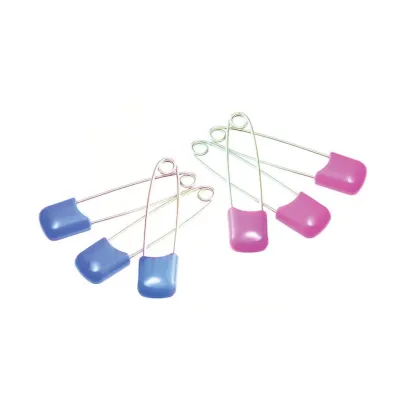
Traditional safety pins can easily pop open under the pressure of a baby’s movements. Specialized baby pins feature a safety cap, often made of molded plastic, that slides down to lock the pin point securely inside the head. When evaluating these pins, look for a deep U-groove or a dual-locking mechanism that requires a deliberate, two-step action to release. This design ensures that even if the pin is subjected to sudden tugs or twists as your baby crawls and rolls, the sharp point remains safely enclosed.
The protective guard or cap must be securely bonded to the metal shaft. In poorly manufactured pins, the plastic head can slide off entirely, exposing the sharp end or presenting a small-part choking hazard. Caregivers should physically test the bond by firmly pulling on the plastic cap before the first use. A high-quality pin will have the plastic molded directly onto a looped end of the metal wire, preventing the cap from slipping off even under significant tension.
Products mentioned in this guide
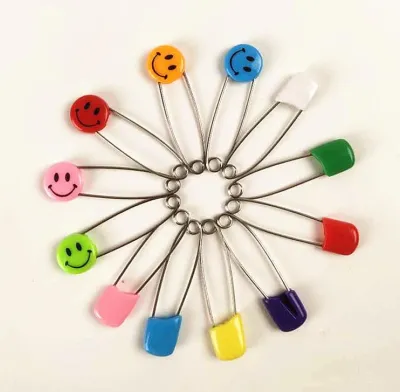
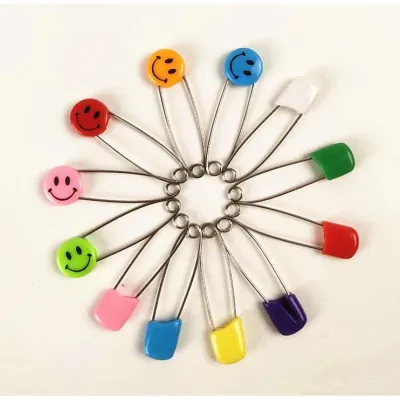
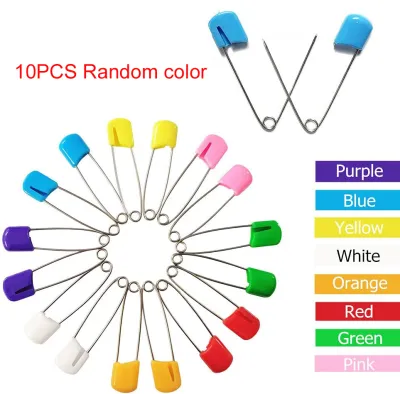
![[SG SELLER] [FREE SHIPPING] Baby Safety Pins For Nappy Pin And Many More](https://img.lazcdn.com/g/p/35876d181ad025d5bfd7ede208cf506c.jpg_400x400q80.jpg_.webp)
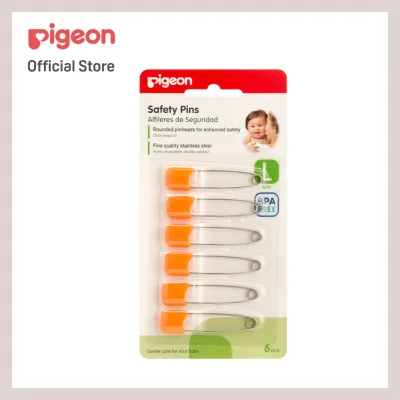
Prices are valid at publication and may change. Please refer to the product page for the latest price.
Size is another critical safety dimension. Baby safety pins are significantly larger and thicker than standard sewing pins, typically measuring around 5 to 6 centimeters in length. This larger size is not merely for ease of handling; it provides the necessary leverage to pierce through multiple layers of dense fabric without bending. A pin that is too small will bend under pressure, which compromises the locking mechanism and increases the risk of the pin popping open against the baby’s skin. Conversely, excessively heavy pins can drag the fabric down, causing discomfort or creating gaps where leaks can occur.
Material Durability and Rust Resistance
In humid tropical environments, moisture is a constant challenge for metal baby gear. Cloth diaper pins are exposed to wetness from soiled diapers, frequent washing cycles, and high ambient humidity. To prevent rust, caregivers must carefully read product labels and packaging to verify material claims. Look for pins constructed from high-grade stainless steel or nickel-plated brass. Stainless steel is highly resistant to corrosion and maintains its structural integrity over hundreds of wash cycles, making it the preferred choice for long-term cloth diapering.

Regularly inspect the metal shafts for early signs of degradation. Corrosion often begins as tiny dark spots, pitting, or a dull discoloration near the coil or the point. If you notice any rough patches, these can snag the delicate fibers of your cloth diapers, causing premature wear and tearing. Furthermore, rust transferring onto diaper fabric can be difficult to remove and may irritate a baby’s sensitive skin.
Establish a strict replacement threshold to maintain safety. Even high-quality stainless steel pins will eventually experience structural fatigue. If the spring action feels weak, if the metal shaft bends easily, or if the plastic locking head shows hairline cracks, discard the pin immediately. Keeping a weakened pin in rotation increases the likelihood of sudden breakage during a diaper change or while the baby is active.
Compatibility With Different Cloth Diaper Styles
The effectiveness of a safety pin depends heavily on the style and thickness of the cloth diaper system you use. Flat diapers, which consist of a single layer of fabric folded into various shapes, require pins that can grip multiple folds securely without slipping. Prefold diapers, featuring a thicker middle panel, demand a longer, sturdier pin to penetrate the dense layers. When pinning a prefold, the pin must pass through the outer wings and the thick center fold, requiring a sharp, strong point that does not deflect or bend during insertion.
Navigating thick multi-layer inserts, such as those made of hemp, bamboo, or organic cotton, requires careful technique to avoid fabric damage. Forcing a dull or thick-gauge pin through tightly woven or highly dense fabrics can cause tension tears or broken threads. If you use delicate, eco-friendly fabrics, check the diaper manufacturer’s guidelines regarding fasteners. Some brands recommend specific pin gauges or alternative fastening systems to prevent snagging, and using unapproved fasteners might void warranties on premium diaper covers.
Always ensure the pin length matches the bulk of the diaper. If the pin is too short for the folded fabric, it will put excessive tension on the locking head, causing the plastic cap to wear out prematurely. A proper fit allows the pin to slide smoothly through the fabric layers with enough clearance to lock securely without compressing the diaper material so tightly that it bunches or pulls against the baby’s thighs.
Safe Usage, Maintenance, and When to Replace
Fastening a cloth diaper with safety pins requires a mindful, consistent technique to prevent accidental pricks. Always place your fingers between the diaper fabric and the baby’s skin before inserting the pin. This simple barrier ensures that if the pin slips or pushes through more quickly than expected, it will press against your own fingers rather than the baby’s delicate skin folds. Push the pin through the fabric horizontally, slide the locking cap firmly into place, and double-check that the point is fully engaged in the guard before letting go.
Incorporate a quick inspection into your daily diapering routine. Before each use, run your thumb over the pin tip to check for dullness or burrs, and squeeze the pin to ensure the spring tension remains firm. If the pin feels loose within its locking cap, or if the plastic head slides too easily, it is time to retire that pin.
Safe storage is paramount to prevent accidents in the home. Store spare and unused pins in a secure, childproof container placed high on a shelf, completely out of reach of curious infants and toddlers. Never leave loose pins on the changing table, diaper pail, or floor, as they pose severe choking and puncture hazards. If you are diapering on the go, keep your pins secured inside a dedicated wet bag or accessory pouch within your diaper bag.
Alternatives to Traditional Safety Pins
For caregivers who prefer to avoid metal pins entirely, several modern alternatives offer secure diaper fastening. Stretchy T-shaped or Y-shaped fasteners made of elastic silicone or polyurethane are highly popular. These fasteners feature small, claw-like gripping teeth at each end that catch onto the loops of woven diaper fabrics, pulling the sides together snugly. They eliminate the risk of puncture wounds entirely and are exceptionally easy to use, though they are generally limited to nappy fabrics with a loop texture, such as terry cloth or prefolds, and may not grip smooth flat diapers as effectively.
Many modern cloth diaper systems come equipped with built-in fastening solutions, such as snap buttons or hook-and-loop closures. Snap diapers feature rows of plastic snaps that allow for adjustable sizing around the waist and thighs. Hook-and-loop closures offer a highly customizable fit similar to disposable diapers. While these built-in options simplify the diapering process, they lack the infinite adjustability of traditional pins and flats, and the closures themselves can degrade over time in the wash, requiring replacement of the entire diaper cover rather than just a cheap pin.
Each fastening method presents distinct trade-offs in terms of fabric wear, adjustability, and long-term durability. Traditional safety pins offer unmatched versatility, allowing you to customize the fit to your baby’s exact proportions, which is particularly beneficial for newborns or babies between standard sizes. However, they require more practice and carry a minor risk of skin pricks if handled carelessly. Stretchy fasteners and snaps are faster to secure but may wear out or stretch over time, and hook-and-loop closures can collect lint and snag other garments in the laundry if not secured properly.
Frequently Asked Questions (FAQ)
Are locking safety pins completely safe for newborns?
Locking safety pins are designed to be highly secure, but no fastener is entirely risk-free without proper caregiver supervision and correct application. When diapering a newborn, ensure the pins are placed well away from the baby’s sensitive skin folds and umbilical cord area. Always keep your hand behind the diaper fabric during insertion to protect the infant, and verify that the locking cap is fully engaged. Regularly inspect the pins for wear, and never leave a baby unattended during a diaper change.
How do I prevent cloth diaper pins from rusting in the wash?
To prevent rust, always remove safety pins from the diapers before laundering. Washing pins inside the washing machine exposes them to prolonged moisture, harsh detergents, and physical friction, which can strip away protective coatings and accelerate corrosion. Wash the pins separately by hand if they become soiled, dry them thoroughly with a clean towel, and store them in a dry, well-ventilated area. In humid climates, storing pins with a small silica gel packet can help absorb excess moisture and prevent rust.
Can I use regular sewing safety pins for cloth diapers?
No, regular sewing safety pins should never be used for cloth diapers. Standard sewing pins lack the specialized locking heads required to prevent accidental opening during a baby’s movements. They are also made of thinner, weaker metal gauges that can easily bend or snap under the tension of thick diaper fabrics. Using standard pins increases the risk of painful skin punctures, fabric tearing, and choking hazards if the pin breaks or comes loose. Always use purpose-built baby safety pins with secure locking caps.
Community discussion
Share your experience or ask a question. Comments are reviewed before publication.