
Selecting the right grooming tools for a newborn requires careful attention to physical design, material purity, and structural safety. In Singapore, parents frequently look to established brands like Pigeon alongside various local and international alternatives to manage daily infant hygiene. While standard adult cotton buds are unsuitable for delicate infant anatomy, baby-safe cotton buds are specifically engineered with ultra-thin stems, tightly wound cotton tips, and safety barriers to prevent accidental injury. Finding the best option for your baby involves understanding how to read product labels, evaluate material flexibility, and match the tool’s design to specific grooming tasks like cleaning the outer ear, navel, or nose.
When shopping for infant grooming products, safety must always take precedence over convenience. The delicate skin and narrow passages of a newborn require tools that minimize the risk of punctures, scratches, or cotton shedding. By learning what features to look for on packaging and understanding how to use these tools correctly, you can confidently maintain your baby’s hygiene while protecting their physical well-being.
What Makes a Cotton Bud Safe for Newborns and Infants?
To identify a truly baby-safe cotton bud, caregivers must look beyond the marketing labels and examine the physical architecture of the product. The most critical difference between adult and infant cotton buds lies in the size and shape of the cotton tip. Baby-specific variants feature significantly smaller, ultra-thin tips designed to navigate tiny outer ear folds and small nostrils without applying undue pressure. Some designs incorporate a bulbous or safety-step shape, which features a widened base just behind the tip to act as a physical barrier, preventing the bud from entering too deeply into the ear canal or nasal passage.
Products mentioned in this guide
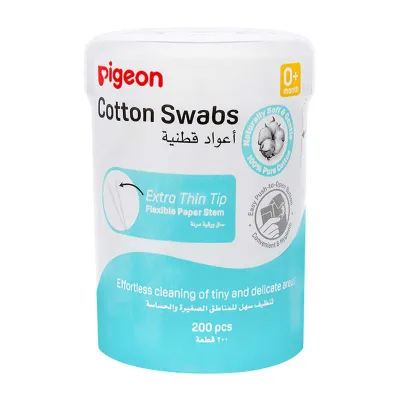
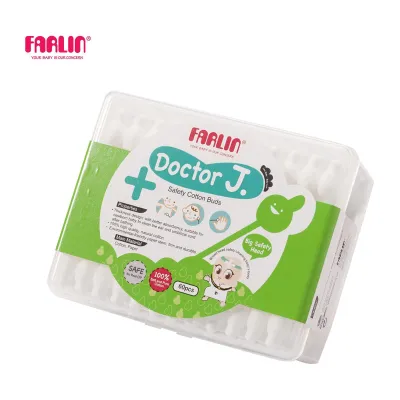
Prices are valid at publication and may change. Please refer to the product page for the latest price.
Material composition is another vital safety factor. High-quality baby cotton buds are typically made from 100% pure cotton that has been tightly wound around the stem. This tight winding is crucial because loose cotton fibers can easily detach and become lodged in a baby’s ear canal or nose, potentially causing irritation or infection. Parents should check packaging for indications of organic cotton or chlorine-free bleaching processes, which reduce the likelihood of chemical residues coming into contact with sensitive infant skin.
The material of the stick or stem also dictates the safety profile of the cotton bud. Stems are generally made from paper, plastic, or wood. For infant care, paper stems are widely considered the safest choice. High-quality paper stems offer a balance of sturdiness and flexibility; they are strong enough to allow controlled cleaning but will bend or give way if the baby suddenly moves. Plastic stems can sometimes be too rigid or snap, leaving sharp edges, while wooden stems are entirely inflexible and pose a higher risk of accidental puncture if the baby jerks their head during grooming.
Evaluating Pigeon Cotton Buds for Baby Grooming
Pigeon is a highly visible brand in Singapore’s baby care market, offering several cotton bud variants designed specifically for infant grooming. When evaluating Pigeon cotton buds, parents should first identify the specific variant that matches their child’s developmental stage and grooming needs. The brand offers ultra-thin stem variants, which are specifically sized for newborns, as well as standard baby cotton buds with slightly larger tips suitable for older infants. Checking the packaging for explicit age recommendations helps ensure the product matches your baby’s current size.

In addition to standard dry cotton buds, the manufacturer produces specialized options, such as oil-coated or adhesive-tipped buds. The oil-coated variants are designed to gently loosen dry secretions in the nose or outer ear without scraping the skin, while the adhesive tips help pick up dry debris easily. When considering these specialized options, caregivers should carefully read the ingredient list on the packaging to verify that the oils or adhesives used are hypoallergenic, fragrance-free, and suitable for sensitive newborn skin.
It is also important to understand the manufacturer’s stated use cases. Pigeon packaging typically outlines specific instructions for cleaning the outer ear, nose, and navel. Parents should verify whether the product features a safety stop design or if it relies entirely on the caregiver’s manual control. Understanding these design limitations ensures that the cotton buds are used only for surface-level cleaning and never inserted into deep, delicate body cavities.
Key Alternatives to Consider for Infant Ear and Nose Care
While Pigeon is a popular choice, several alternative brands available in Singapore offer comparable safety features and distinct advantages. When evaluating alternative brands, caregivers should apply the same rigorous criteria regarding tip density, stem material, and safety designs. Brands such as Simba, Johnson’s Baby, and various organic-focused labels provide excellent alternatives that cater to different parental preferences and budgets.
Some alternative brands focus heavily on organic certifications. When comparing these options, look for independent safety certifications on the packaging, such as Oeko-Tex Standard 100 or USDA Organic labels. These certifications provide third-party verification that the cotton is free from harmful pesticides, heavy metals, and chemical dyes. Additionally, some brands seek pediatric or dermatological endorsements, which can offer extra reassurance regarding skin compatibility and structural safety.
Packaging format is another practical point of comparison, especially in Singapore’s warm and humid climate. Cotton buds are highly absorbent, and exposure to ambient moisture can encourage mold growth or bacterial contamination over time. Some alternative brands offer individually wrapped cotton buds, which keep each piece sterile and dry until the moment of use. This is highly beneficial for diaper bags or travel. Other brands utilize bulk slide-to-open plastic tubs or paper boxes; while these are often more cost-effective, they require careful handling to ensure the remaining buds do not get exposed to moisture or dirty hands.
How to Compare Baby Cotton Buds Before You Buy
To make an informed decision when shopping online or in-store, parents can use a structured comparison framework. This helps balance safety, usability, and cost-effectiveness without compromising on infant health. Before purchasing any pack of baby cotton buds, run through the following verification steps:
- Verify Age and Use Labels: Read the product packaging to confirm it is explicitly rated for newborns (0M+) or infants. Avoid generic products that do not specify an age range or those labeled generally for "family use."
- Assess Stem Flexibility: Look for product descriptions that specify "paper stem" or "flexible paper shaft." If purchasing in a physical store where a sample is displayed, gently bend the stem to ensure it yields under pressure rather than snapping or remaining completely rigid.
- Examine Tip Shape and Security: Opt for safety-bulb shapes for general outer ear cleaning, and reserve ultra-thin cylindrical tips for precise, visible nasal cleaning. Ensure the packaging states that the cotton is tightly wound and securely bonded to the stem.
- Compare Packaging and Hygiene Features: Decide between individually wrapped buds for maximum hygiene during travel, or bulk tubs with secure, airtight lids for home use.
- Calculate Cost-Effectiveness: Compare the price in S$ against the total quantity of buds in the pack. While baby-specific cotton buds are generally more expensive than adult versions, prioritizing safety features over minor price differences is essential for preventing injury.
Safe Usage and Storage Practices for Baby Grooming Tools
Even the safest cotton bud can cause harm if used incorrectly. Pediatric guidelines emphasize that cotton buds should never be inserted into a baby’s ear canal or deep into their nasal passages. The ear canal is self-cleaning, and inserting a bud can push cerumen (earwax) deeper, leading to impaction, pain, or temporary hearing loss. In worst-case scenarios, deep insertion can rupture the delicate tympanic membrane (eardrum). Limit usage strictly to the visible, outer areas of the ear, the outer edge of the nostrils, and the external folds of the navel.
Caregivers must also remain vigilant about product degradation. Because Singapore experiences high relative humidity year-round, cotton buds stored in bathrooms can easily absorb moisture from the air. Before using a cotton bud, inspect it visually. If you notice any discoloration, dark spots (which may indicate mold), a musty odor, or loose cotton fibers unraveling from the stem, discard the product immediately. Never use a compromised cotton bud on an infant.
To maintain product hygiene, store cotton buds in a cool, dry location outside of the bathroom, such as a bedroom closet or a dedicated nursery cabinet. Keep bulk containers tightly sealed when not in use. Always wash and dry your hands thoroughly before reaching into a container to retrieve a cotton bud, preventing the transfer of bacteria to the remaining pieces. Finally, ensure all grooming tools are stored securely out of reach of infants and toddlers to prevent accidental choking or self-injury.
Frequently Asked Questions (FAQ)
Can I use regular adult cotton buds for my baby if I am careful?
No, you should not use regular adult cotton buds on a baby, regardless of how careful you are. Adult cotton buds feature significantly larger cotton tips that are too bulky for an infant’s tiny ear folds and nostrils, making it highly likely that you will accidentally push debris or wax deeper into their cavities. Furthermore, adult cotton buds often utilize highly rigid plastic or wooden stems that do not bend when subjected to sudden movement. If your baby jerks their head unexpectedly during grooming, an inflexible adult stem can easily cause internal scratches or serious puncture injuries.
How often should I clean my newborn's ears and nose with cotton buds?
Newborn ears and noses generally do not require daily cleaning with cotton buds, as these organs have natural self-cleaning mechanisms. Earwax naturally migrates outward from the ear canal, and nasal passages clear themselves through normal sneezing and breathing. You should only use a baby-safe cotton bud to gently wipe away visible, dry debris from the outermost parts of the ear or nose when necessary. If you suspect your baby has a deep earwax blockage, persistent nasal congestion, or an infection, do not attempt to clear it yourself with a cotton bud. Instead, consult a qualified pediatrician for safe evaluation and professional guidance.
Community discussion
Share your experience or ask a question. Comments are reviewed before publication.