
A newborn baby’s skin is incredibly delicate, being up to 30% thinner than adult skin. This structural difference means your baby’s skin barrier is highly permeable, absorbing environmental substances more rapidly while being exceptionally vulnerable to friction, chafing, and chemical irritation. During daily grooming routines—such as cleaning the eyes, wiping the face, or tending to sensitive skin folds—the materials you introduce play a direct role in maintaining skin health.
To protect this fragile barrier, the safest and most appropriate material for baby-safe cotton balls is 100% pure, organic, unbleached cotton. Choosing this natural standard ensures that your baby is not exposed to synthetic fibers, harsh chemical residues, or artificial brighteners. In tropical climates like Singapore, where high humidity and heat can trap moisture and exacerbate skin irritation, selecting the right grooming materials is a vital step in preventing common infant skin issues.
The Safest Cotton Materials for Baby's Delicate Skin
Understanding the physical properties of different cotton types helps you make an informed choice for your baby’s daily care. Pure cotton stands out as the ideal material due to its natural structural advantages.
Products mentioned in this guide
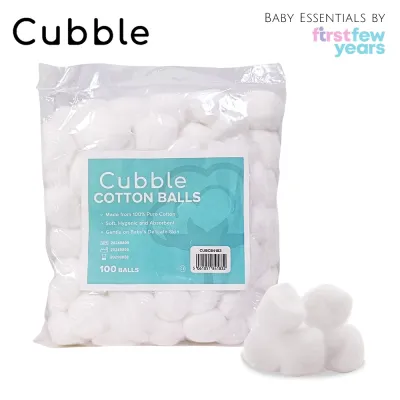
![[Ready Stock] Baebear Cotton Balls (100pcs/Bag) | Pigeon | Cubble | Disposable degreasing and cleaning baby cotton ball](https://img.lazcdn.com/g/p/f4bb2a72a4ca1032f0fa83e727ae3209.jpg_400x400q80.jpg_.webp)
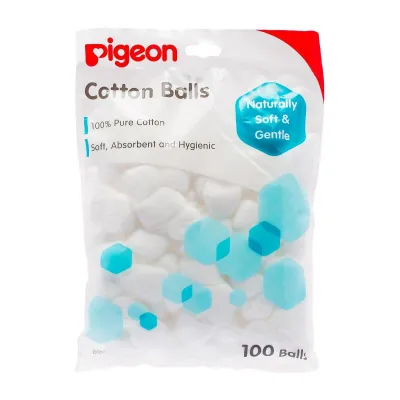
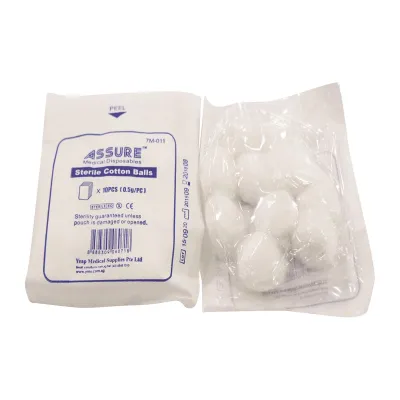
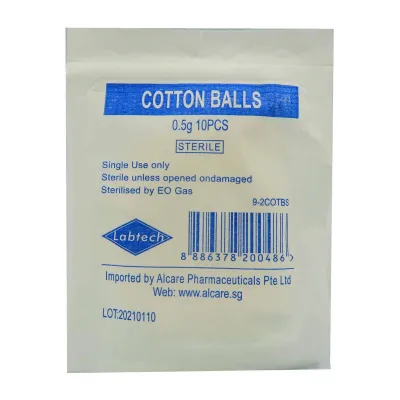
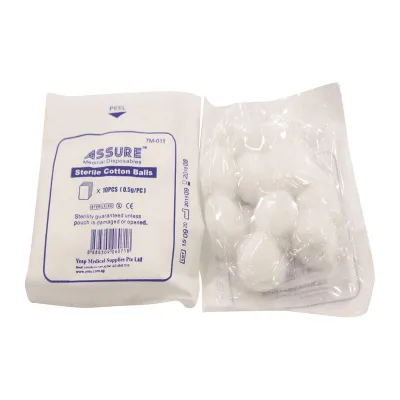
Prices are valid at publication and may change. Please refer to the product page for the latest price.
100% Pure Cotton Pure cotton is the gold standard for infant grooming because of its natural softness, high absorbency, and breathability. Unlike synthetic alternatives, pure cotton fibers have a unique hollow structure that naturally draws moisture away from the skin without requiring aggressive wiping. This high absorbency is crucial when cleaning delicate areas, as it allows you to lift away dirt, oils, or secretions with minimal physical contact. Additionally, pure cotton is highly breathable, meaning it does not trap heat or moisture against the skin during use, reducing the risk of localized irritation.
Organic Cotton Opting for organic cotton takes safety a step further by addressing how the raw material is cultivated and processed. Standard cotton farming often relies heavily on synthetic pesticides, herbicides, and chemical fertilizers, which can leave trace residues on the harvested fibers. Organic cotton is grown using natural farming methods that eliminate these toxic inputs. By choosing organic cotton balls, you significantly minimize your baby’s exposure to potential chemical irritants, making it an excellent choice for infants with highly sensitive skin or those prone to eczema.
Unbleached vs. Bleached Cotton When browsing grooming products, you will notice a visual difference between bright white cotton balls and those with a natural, off-white or cream hue. Standard cotton balls undergo chemical bleaching processes, often using chlorine or hydrogen peroxide, to achieve a pristine white appearance. Unbleached cotton bypasses these harsh chemical treatments entirely. Choosing unbleached cotton means avoiding chemical residues like dioxins, which are byproducts of chlorine bleaching. The presence of tiny, harmless brown specks in unbleached cotton is simply natural plant matter, confirming that the material has remained in its purest, most natural state.
Hidden Irritants: Materials and Additives to Avoid
While many cotton products on store shelves look identical at a glance, many contain hidden synthetic materials and chemical additives. These components can cause friction, trigger allergic reactions, or compromise your baby’s skin health.

Synthetic Blends (Polyester, Rayon, Viscose) Many budget-friendly cotton balls are not made of pure cotton at all, but rather a blend of cotton and synthetic fibers such as polyester, rayon, or viscose. These synthetic materials are essentially plastic-based or highly processed semi-synthetic fibers. Synthetics lack the natural softness of pure cotton, resulting in a rougher texture that creates micro-friction when wiped across a baby’s skin. Furthermore, synthetic blends have lower water absorbency, which often forces parents to rub harder to clean an area. They also carry a risk of shedding microplastics or leaving synthetic lint on the skin.
Added Fragrances and Lotions Some manufacturers market “scented” or “pre-moistened” dry cotton products, claiming they offer a more pleasant grooming experience or added skin-soothing benefits. However, added fragrances, essential oils, and chemical lotions are primary triggers for contact dermatitis and allergic reactions in infants. A baby’s respiratory and dermatological systems are highly sensitive to synthetic perfumes. Dry cotton balls should be entirely free of additives, allowing you to control the liquid used—ideally plain, sterile, or warm boiled water.
Optical Brighteners and Chemical Residues To make cotton products look cleaner and more appealing, some brands treat their fibers with optical brighteners or fluorescent whitening agents. These chemicals coat the fibers to reflect light, giving the illusion of intense whiteness. These brighteners do not wash out easily and can transfer directly onto your baby’s skin during grooming. Once on the skin, they can cause photosensitivity, irritation, and allergic reactions under daylight. Avoiding products treated with these unnecessary cosmetic chemicals is essential for maintaining a healthy skin barrier.
How to Verify Cotton Ball Safety Before Grooming
Before using any cotton product on your baby, it is important to evaluate its quality and safety. You can perform several quick checks at home or inspect product packaging to ensure the material meets high safety standards.
Decoding Product Labels When shopping, look closely at the product packaging rather than relying on front-label marketing claims. Terms like “baby-friendly,” “soft-touch,” or “natural” are often unregulated and do not guarantee safety. Instead, search for specific, verifiable claims such as “100% pure cotton,” “certified organic,” “unbleached,” and “hypoallergenic.” Check the ingredient or material list on the back of the pack to confirm that no synthetic fibers (like polyester) or chemical binders are listed.
The Sensory Check You can easily assess the quality of cotton balls using your senses. Take a cotton ball and feel its texture; it should feel pillowy, soft, and slightly compressed, without a squeaky or slippery texture that often indicates synthetic blends. Pull the cotton ball gently to check its structural integrity. It should stretch smoothly without immediately disintegrating or releasing a cloud of fine dust and loose fibers, which can irritate your baby’s eyes or airways. Finally, smell the product—there should be absolutely no chemical, perfume, or plastic-like odor.
Water Absorbency and Lint Test A simple at-home test can confirm whether your cotton balls are safe and effective for grooming. Dip a cotton ball into a small bowl of clean water. A high-quality, pure cotton ball will absorb water almost instantly and sink slightly as it fills. Once wet, squeeze the water out gently; the cotton should hold its shape without dissolving into a mushy pulp or leaving a sticky residue on your fingers. If the cotton ball floats on top of the water for a long time, it may have a synthetic coating or contain water-repellent synthetic fibers that make it unsuitable for gentle cleaning.
Safe Grooming Techniques Using Cotton Balls
Using the right material is only half the battle; applying the correct grooming techniques is equally important to prevent cross-contamination, physical injury, or skin irritation.
Eye and Face Cleaning Cleaning your baby’s eyes requires extreme care to prevent the spread of bacteria. Always use lukewarm, previously boiled water to moisten the cotton ball. Gently wipe your baby’s eye from the inner corner (near the nose) to the outer corner in a single, smooth motion. Never rub back and forth. Crucially, use a completely fresh cotton ball for each eye; reusing the same cotton ball can easily transfer bacteria or infections from one eye to the other.
Diaper Area and Skin Folds In Singapore’s warm and humid climate, moisture easily becomes trapped in your baby’s skin folds, such as the neck, thighs, and armpits. This trapped moisture, combined with friction, can lead to painful heat rashes or intertrigo. When cleaning these areas, always use a gentle patting motion rather than rubbing. Rubbing wet skin can cause micro-tears and friction burns. After cleaning, use a dry, pure cotton ball to gently pat the folds dry, ensuring no residual moisture is left behind to harbor bacteria or yeast.
Umbilical Cord Care Current pediatric guidelines generally recommend “dry care” for the umbilical cord stump, allowing it to dry out and fall off naturally. However, if your pediatrician specifically instructs you to clean the area—for instance, if it becomes soiled with urine or stool—you must do so with extreme gentleness. Use a slightly damp, pure cotton ball to wipe around the base of the cord, taking care not to pull or tug on the stump. Immediately follow with a dry cotton ball to ensure the area remains completely dry, and always check your healthcare provider’s specific instructions.
When to Stop and Seek Help Monitor your baby’s skin closely during and after grooming. If you notice persistent redness, dry patches, tiny raised bumps, or peeling skin in areas where you have used cotton balls, stop using the product immediately. These symptoms may indicate an allergic reaction to a hidden chemical or irritation from physical friction. If the skin looks highly inflamed, starts oozing, or if your baby shows signs of discomfort or pain, consult a qualified pediatrician for a proper diagnosis and treatment plan.
Choosing the Right Cotton Format for Specific Tasks
Different grooming tasks require different tools. Understanding when to use cotton balls versus other formats ensures you are using the most effective and safe option for your baby.
Cotton Balls Standard cotton balls are highly versatile and best suited for tasks that require gentle dabbing, applying liquid solutions, or cleaning uneven, contoured surfaces. Their round, pillowy shape conforms easily to the delicate curves of your baby’s outer ears, the area behind the ears, and the creases of the neck. Because they hold a significant amount of liquid, they are ideal for applying water or sterile saline solution to sensitive areas without requiring physical pressure.
Cotton Pads Cotton pads are flat, structured discs that are highly effective for wiping larger, flat areas of your baby’s body, such as the cheeks, forehead, or the diaper area. Because they are compressed, cotton pads typically leave behind much less lint and loose fibers than standard cotton balls. This makes them a cleaner option for wiping away larger amounts of moisture or residue, providing a wider surface area that reduces the number of wipes needed to clean your baby’s skin.
Cotton Swabs Cotton swabs should be used with extreme caution and strict safety boundaries. Never insert a cotton swab into your baby’s ear canal or nasal passages, as this can easily puncture the eardrum, damage delicate mucous membranes, or push debris deeper inside. Limit the use of cotton swabs to cleaning the outer crevices of the ear or precise areas around the dried umbilical cord stump, and only do so if specifically directed by your pediatrician. Always ensure your baby is completely still and supervised during use to prevent accidental injury.
Frequently Asked Questions (FAQ)
Can I use regular adult cotton balls on my baby?
It is highly recommended to avoid using standard adult cotton balls on your baby. Many cotton balls intended for general adult use, such as cosmetic removal, are made from synthetic blends or contain chemical binders to help them hold their shape. They are also frequently bleached with chlorine to achieve a bright white appearance, which can leave behind trace chemical residues. Baby-specific, 100% pure unbleached cotton balls are manufactured to much stricter purity standards, ensuring they are free from synthetic fibers and harsh chemical treatments that could irritate delicate infant skin.
Are bamboo or reusable cotton pads a safe alternative?
Bamboo and reusable cotton pads can be safe alternatives, but they require careful evaluation. While bamboo is often marketed as a soft and sustainable material, turning hard bamboo into soft fabric (bamboo viscose) involves intensive chemical processing, which can leave chemical residues. If you choose reusable cloth or cotton pads, you must maintain a strict hygienic washing routine. Wash them after every single use with a hypoallergenic, fragrance-free baby detergent, and ensure they are dried completely in a well-ventilated area. In Singapore’s humid climate, reusable pads that do not dry thoroughly can easily harbor mold, mildew, and bacteria, posing a risk to your baby’s skin.
How should I store cotton balls to keep them hygienic for baby use?
To keep your baby’s cotton balls clean and free from contamination, store them in a tightly sealed, airtight container, such as a clean glass jar or a plastic container with a secure lid. Keep the container in a cool, dry place away from direct sunlight. It is best to avoid storing them openly on bathroom countertops, especially in humid environments like Singapore, where airborne moisture and steam from showers can easily penetrate open packaging. This trapped moisture can promote the growth of mold, mildew, and bacteria on the organic cotton fibers, rendering them unsafe for grooming.
Community discussion
Share your experience or ask a question. Comments are reviewed before publication.