
Selecting the right baby puree in Singapore involves matching your child’s developmental milestones with products that offer high nutritional density, clean ingredient profiles, and verified safety standards. While many commercial options line the shelves of local supermarkets and specialty stores, the ideal choice depends on your baby’s age, digestive readiness, and specific dietary needs. Parents must look beyond attractive packaging and learn to evaluate ingredient lists, nutritional panels, and manufacturing certifications to make informed decisions.
Because commercial formulations, retail availability, and safety standards can change, relying on brand names alone is rarely sufficient. Instead, developing a systematic approach to reading labels and understanding infant physiology allows you to confidently select any brand on the market. This guide outlines the essential nutritional benchmarks, evaluation criteria, and safety practices required to navigate the baby food landscape in Singapore.
Understanding Your Baby's Nutritional Needs by Developmental Stage
Introducing solid foods is a gradual process that aligns with your baby’s physical development and nutritional requirements. Around the age of six months, an infant’s natural iron stores begin to deplete, making the introduction of nutrient-dense solids essential. Recognizing the signs of readiness—such as sitting with minimal support, holding the head steady, and showing interest in food—is crucial before offering any puree.
Products mentioned in this guide
![Gerber 1st Foods Prunes Puree Baby Food 80G - From 6 Months [Carton of 6]](https://img.lazcdn.com/g/p/a9c2d888c5e27a7939c4b3af2246bdcf.jpg_400x400q80.jpg_.webp)
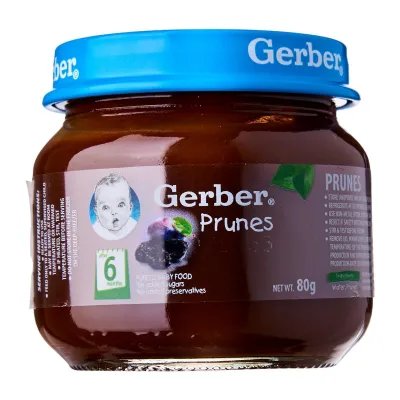
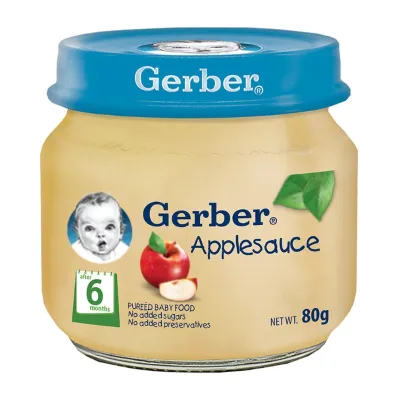
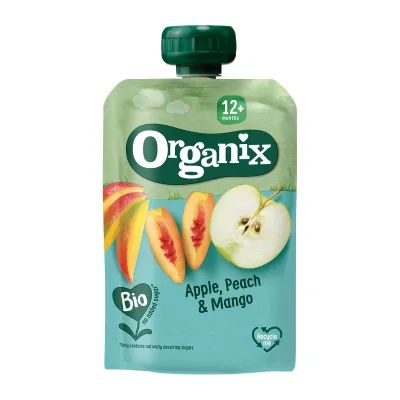
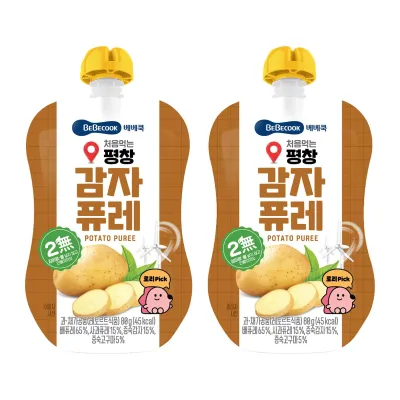
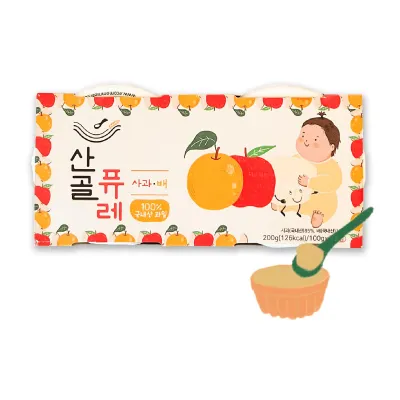
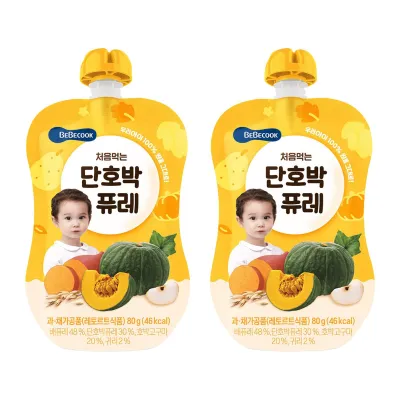
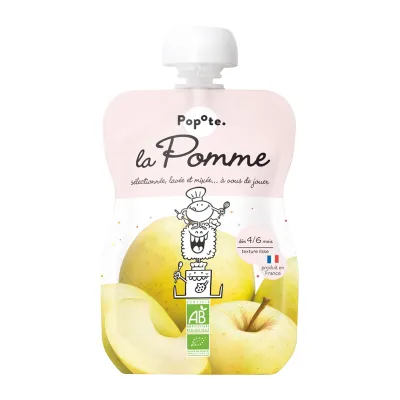
Prices are valid at publication and may change. Please refer to the product page for the latest price.
During Stage 1, which typically begins around six months, the primary goal is to introduce the concept of eating and to identify potential food sensitivities. Purees at this stage must be single-ingredient and processed to an ultra-smooth, runny consistency to accommodate the baby’s undeveloped swallowing reflex. Iron-rich first foods, such as single-grain fortified cereals or single-vegetable purees, are ideal for this initial phase.
As your baby transitions into Stage 2, usually between seven and nine months, their digestive system becomes more robust, and their oral motor skills improve. This stage allows for the introduction of blended combinations, such as mixed vegetables, fruits, and easily digestible proteins like chicken or legumes. The texture should be slightly thicker than Stage 1 purees, helping the baby practice moving food from the front of the mouth to the back.
By Stage 3, spanning ten to twelve months, infants are preparing to transition to family table foods. Purees at this stage should feature complex flavor combinations and chunkier, textured consistencies that encourage chewing. Meals should be balanced, incorporating a variety of macronutrients to support rapid growth and high energy levels.
When purchasing commercial purees, always verify the manufacturer’s age recommendations and developmental cues printed on the packaging. Do not rely solely on generic stage numbers, as classification systems vary significantly between international brands. If your baby struggles with a specific texture or shows signs of gagging, revert to a smoother consistency and consult a healthcare professional if difficulties persist.
Key Criteria for Evaluating Baby Puree Brands
Evaluating the quality of a baby puree brand requires a close inspection of its ingredient transparency. High-quality brands prioritize short, simple ingredient lists that contain only the primary food items and water or broth needed for consistency. Avoid products that list unnecessary additives, thickeners, or starches, which dilute the nutritional value of the meal.

Nutritional density is another critical benchmark, particularly regarding iron and essential vitamins. Look for brands that explicitly state the nutritional values on their packaging, highlighting naturally nutrient-rich ingredients or safe fortification. For growing infants, purees containing dark leafy greens, legumes, or meats provide essential iron and zinc necessary for cognitive and physical development.
Packaging safety is paramount when selecting commercial baby food, especially in Singapore’s warm climate. Ensure that pouches are BPA-free and feature secure, tamper-evident caps that show no signs of swelling or leakage. Glass jars should have a safety button on the lid that pops only upon opening, indicating that the vacuum seal remained intact during transport and storage.
Allergen management is a vital safety consideration for manufacturing facilities. Reputable brands provide clear labeling regarding the presence of common allergens, such as dairy, soy, wheat, fish, and nuts. Check the packaging for precautionary allergen statements, such as “processed in a facility that also handles wheat,” to protect sensitive infants from cross-contamination.
Matching Puree Types to Specific Dietary Requirements
For infants requiring iron-boosting options, look for purees that incorporate iron-fortified grains or pureed meats like beef and chicken. Combining these iron sources with ingredients rich in vitamin C, such as broccoli or pear, enhances the absorption of non-heme iron. Carefully check the nutritional panel to verify the exact iron content per serving.
If your baby has a sensitive digestive system or known food allergies, prioritize brands that offer certified gluten-free, dairy-free, or hypoallergenic options. Look for third-party certifications on the packaging to verify these claims. When introducing a new allergen-friendly puree, monitor your baby closely for any adverse reactions, such as skin rashes, vomiting, or changes in stool consistency.
Parents who prefer organic options should look for recognized international organic certifications on the packaging, such as the USDA Organic seal, EU Organic logo, or NASAA Organic certification. These labels guarantee that the ingredients were grown without synthetic pesticides, chemical fertilizers, or genetically modified organisms. Verify that the certification body is reputable and clearly printed on the label.
For families following a plant-based diet, selecting purees that provide adequate protein and vitamin B12 is essential. Look for plant-based purees that utilize lentils, chickpeas, tofu, or quinoa to ensure a complete amino acid profile. Because vitamin B12 is primarily found in animal products, consult a pediatric dietitian to determine if supplementation or specific fortified purees are necessary for your child.
How to Read and Interpret Baby Food Labels
Reading baby food labels requires looking past front-of-pack marketing claims and focusing entirely on the ingredient list and nutrition information panel. Ingredients are listed in descending order by weight, meaning the first few ingredients make up the majority of the product. If a pouch labeled “Beef and Sweet Potato” lists apple puree as the first ingredient, the product consists primarily of apple, which may not align with your nutritional goals.
Identifying hidden sugars is a critical skill when evaluating commercial purees. Manufacturers often use fruit juice concentrates, syrups, or maltodextrin to sweeten vegetable-based purees, which can accustom your baby to excessively sweet flavors. Check the ingredient list for these terms, and examine the “Sugars” line on the nutrition panel, keeping in mind that naturally occurring sugars from whole fruits are preferable to added concentrates.
Evaluate the sodium levels on the nutritional panel to ensure they are appropriate for an infant’s developing kidneys. Ideally, baby purees should contain no added salt, resulting in very low sodium levels on the panel. Compare the serving size listed on the package with your baby’s typical intake to calculate the actual nutrients consumed during a single feeding.
Be skeptical of unregulated marketing terms such as “natural,” “wholesome,” or “superfood,” which carry no legal definition or nutritional guarantee. Instead, rely on regulated claims, such as “no added sugar” or “organic,” which require compliance with specific standards. Always cross-reference front-of-pack claims with the actual ingredient list to verify their accuracy.
Where to Buy and How to Verify Authenticity in Singapore
To ensure the safety and quality of the baby purees you purchase, source them from reputable retail channels in Singapore. Major physical supermarkets, specialized mother-and-baby boutiques, and official brand stores on established online marketplaces offer reliable supply chains. Avoid purchasing from unauthorized third-party sellers, as storage conditions during transit may not be regulated.
Verifying product authenticity is essential to protect your baby from counterfeit or improperly stored goods. Look for official local distributor labels, intact batch numbers, and clear expiry dates printed directly on the packaging. Some premium brands include holographic seals or QR codes that allow you to verify the product’s authenticity and trace its manufacturing history online.
Proper storage and handling are critical to maintaining the safety of commercial purees, particularly in Singapore’s humid, tropical climate. Store unopened pouches and jars in a cool, dry pantry away from direct sunlight. Once opened, unused portions must be refrigerated immediately and consumed within 24 hours, or as specified by the manufacturer. Never feed your baby directly from the pouch if you plan to save a portion for later, as salivary bacteria can contaminate the remaining food.
If your baby has specific medical conditions, growth concerns, or severe food allergies, consult a pediatrician or a registered pediatric dietitian before introducing specialized commercial purees. A professional can help you design a structured feeding plan and recommend specific nutritional profiles tailored to your child’s unique health requirements.
Frequently Asked Questions (FAQ)
Can I mix different baby puree brands in one meal?
Yes, you can combine different baby puree brands in a single meal, provided both products are suitable for your baby’s developmental stage and texture tolerance. However, you must carefully check the ingredient lists of both products to avoid overexposing your baby to specific nutrients, such as iron or fat-soluble vitamins, if both brands are heavily fortified. Additionally, avoid mixing different brands when introducing a new ingredient, as this makes it difficult to identify the source of any potential allergic reaction.
Are homemade purees always better than commercial brands?
Homemade purees allow for complete control over ingredients, freshness, and cost, but commercial purees offer distinct practical advantages. High-quality commercial brands undergo strict quality control and thermal processing to ensure shelf stability and pathogen safety, which can be challenging to replicate consistently at home. Commercial pouches and jars also provide unmatched convenience, portability, and a longer shelf life, making them highly practical for busy parents or travel. Balancing both options based on your lifestyle and preparation time is often the most sustainable approach.
How do I transition from commercial purees to family meals?
Transitioning to family meals involves gradually increasing the texture of your baby’s food to encourage chewing and jaw development. Start by mixing small amounts of soft, mashed family foods—such as avocado, banana, or well-cooked sweet potato—into their favorite commercial purees. Over time, reduce the proportion of smooth puree and increase the chunkiness of the food. When preparing family recipes for your baby, ensure you set aside their portion before adding salt, sugar, or strong spices, keeping the ingredients simple and easy to digest.
Community discussion
Share your experience or ask a question. Comments are reviewed before publication.