
When your infant begins to crawl, pull up on furniture, and take those first tentative steps, minor tumbles are inevitable. A baby helmet can offer peace of mind during this active developmental phase, but choosing the right one requires looking past marketing claims. A reliable baby helmet is not designed to prevent major injuries or high-impact trauma; rather, its primary purpose is to cushion minor bumps against hard household surfaces like tiled floors or table legs.
To find a protective helmet that truly serves your child, you must verify specific safety credentials and design features. Look for recognized safety certifications, such as the CE mark or ASTM standards, printed clearly on the product packaging or detailed on the manufacturer’s official website. Beyond certifications, prioritize a lightweight construction and high breathability over sheer padding thickness. A heavy or stuffy helmet will quickly cause discomfort, leading your baby to pull it off and defeat the purpose of having protective gear in the first place.
Why Crawling and Walking Infants Need Head Protection
As infants transition from sitting to crawling and eventually to standing, their physical environment changes rapidly. During these stages, their center of gravity is relatively high, and their motor coordination is still developing. This combination frequently results in sudden loss of balance, where the head—being disproportionately large and heavy compared to the rest of the body—often bears the brunt of a fall.
Products mentioned in this guide
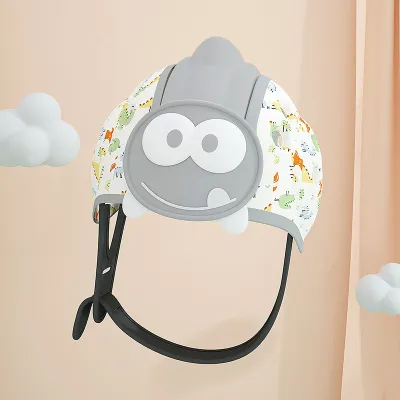
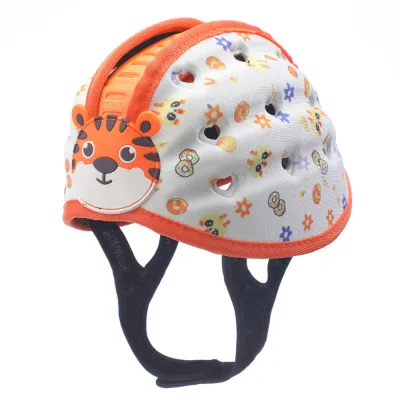
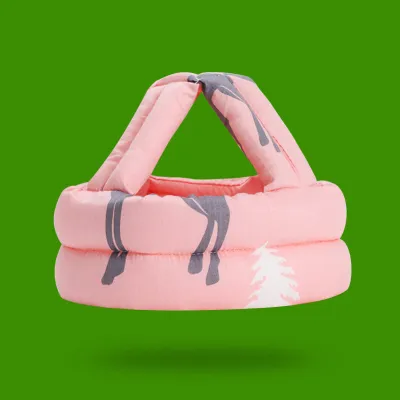
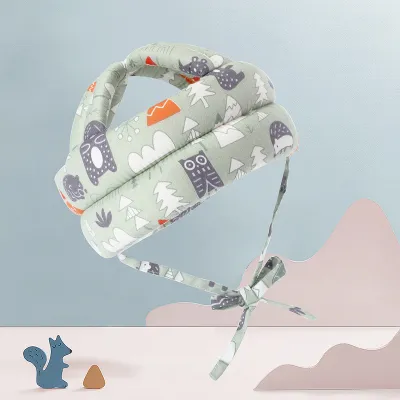
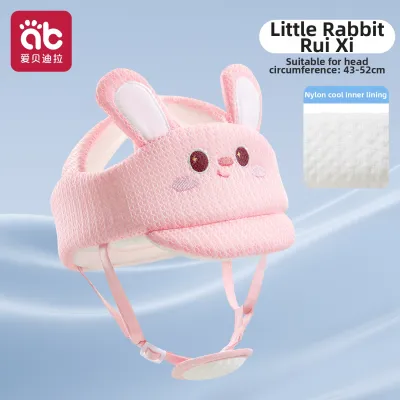
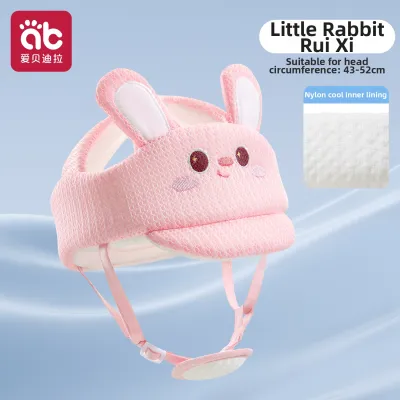
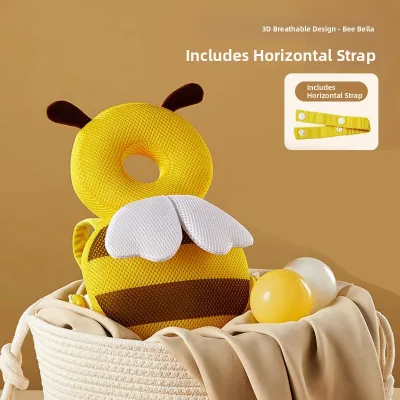
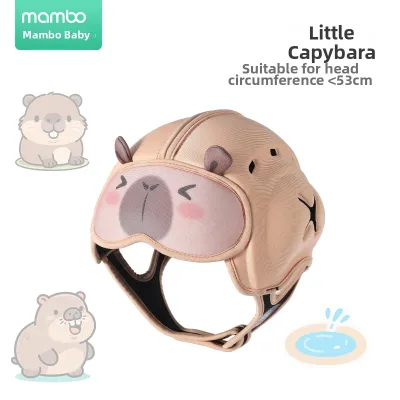
Prices are valid at publication and may change. Please refer to the product page for the latest price.
It is crucial to differentiate between the types of impacts a soft baby helmet can manage. These products are designed to absorb the energy of low-velocity bumps, such as when a baby slips from a sitting position onto a wooden floor or bumps into a cabinet door. They are not safety devices for high-impact scenarios, such as falls from changing tables, high chairs, or stairs. Any fall from a significant height or involving high velocity requires immediate medical evaluation rather than reliance on protective headgear.
While protecting your child from painful bumps is important, parents must also balance safety with natural development. Learning to navigate gravity, judge distances, and experience minor, non-injurious falls is a fundamental part of how infants develop spatial awareness and motor skills. Overprotecting a child with constant helmet use can sometimes delay their natural ability to learn balance and understand physical boundaries. Using a helmet selectively during high-risk play sessions, rather than all day, allows your baby to explore safely while still developing essential physical feedback loops.
Key Safety and Comfort Standards to Verify Before Buying
When shopping for a baby helmet in Singapore, you will encounter a wide variety of options on online marketplaces and in local baby boutiques. Because these items are classified as general consumer goods rather than medical devices or vehicle safety gear, quality can vary significantly. To ensure you are purchasing a product that has undergone basic safety testing, look for recognized certification marks on the label. Standards such as CE EN71 (the European standard for toy safety, which covers physical and chemical properties) or ASTM F963 (the American standard for toy safety) indicate that the materials and construction have been verified as safe for infant use.

The materials used in the helmet’s construction directly impact both safety and comfort. The outer shell should ideally be made of a soft, durable fabric like cotton or a highly breathable polyester mesh. This outer layer holds the protective inner padding, which is typically made of high-density foam, such as expanded polyethylene (EPE) or specialized impact-absorbing polyurethane. This foam must be firm enough to absorb impact energy but resilient enough to return to its original shape after compression.
Infant skin is highly sensitive and prone to irritation, especially when subjected to friction and sweat. Therefore, ensure that all materials in contact with your baby’s skin are non-toxic, hypoallergenic, and free from harmful chemicals like phthalates or flame retardants. Because babies drool, sweat, and occasionally spill food, a washable design is non-negotiable. Look for helmets with removable padding or those that are fully machine-washable, allowing you to maintain proper hygiene and prevent the buildup of bacteria and skin-irritating residues.
How to Evaluate Baby Helmet Brands and Designs
Evaluating the design of a baby helmet involves looking at how it covers the head, how it adjusts, and how it handles heat. There are two primary design configurations available: full-coverage (360-degree) helmets and top-and-back coverage designs. Full-coverage helmets resemble miniature sports helmets, offering uniform protection around the forehead, sides, and back of the head. These are highly suitable for babies who are prone to falling in any direction, particularly sideways. Top-and-back designs, which often feature open-top bands and a padded rear section, focus protection on the crown and the back of the skull, which are the most common impact zones when a baby falls backward from a sitting or standing position.
Adjustability is another critical factor because an infant’s head circumference changes rapidly during their first two years. Look for designs that feature wide, secure Velcro straps or integrated dial-fit systems that allow you to customize the fit as your baby grows. A helmet that is too loose will slide around, potentially blocking your baby’s vision or exposing vulnerable areas during a fall. Conversely, a helmet that is too tight will cause discomfort and pressure marks, making your child resistant to wearing it.
In Singapore’s hot and humid tropical climate, ventilation is a paramount concern. An enclosed, heavily padded helmet can quickly trap heat, leading to overheating, excessive sweating, and painful heat rashes on your baby’s scalp. When comparing brands, look for designs that incorporate multiple ventilation holes, open-air channels, or moisture-wicking mesh panels. A well-ventilated helmet allows heat to escape efficiently, keeping your baby cool and comfortable during active play indoors.
Before making a purchase from an online retailer, always consult the manufacturer’s specific sizing chart rather than relying on general age recommendations. Read customer reviews to see if other parents report that the helmet runs large, small, or tends to slip. Additionally, verify the retailer’s return and exchange policy. Since every baby’s head shape is unique, you may need to try on the helmet at home to ensure a secure, comfortable fit, and having a flexible return policy provides an important safety net.
Fitting and Adjusting: Ensuring the Helmet Actually Protects
Once you have selected a baby helmet, achieving the correct fit is essential for it to function as intended. To begin, you must measure your infant’s head circumference accurately. Use a soft, flexible measuring tape and wrap it around the widest part of your baby’s head, about one inch above the eyebrows and ears, keeping the tape level. Use this precise measurement in centimeters to select the correct size from the manufacturer’s sizing guide, rather than guessing based on your baby’s weight or age.
When placing the helmet on your baby’s head, position it so that it sits level, covering the forehead without obstructing their line of sight. Fasten the chin strap securely but gently. To verify the correct tension, apply the two-finger rule: you should be able to slide two fingers comfortably between the strap and your baby’s chin. This ensures the helmet is secure enough not to slip off during a fall, yet loose enough to prevent choking or discomfort. After your baby wears the helmet, remove it and inspect their skin; if you notice deep red marks or indentations on their forehead or under their chin, the helmet is adjusted too tightly or has been outgrown.
Maintaining the helmet’s hygiene is vital for your baby’s skin health. Follow the manufacturer’s specific cleaning instructions carefully to avoid damaging the protective foam. Most baby helmets require gentle hand-washing in cold water using a mild, baby-safe detergent. Avoid using harsh bleach, fabric softeners, or hot water, which can degrade the synthetic fibers and foam padding. After washing, squeeze out excess water gently without twisting the helmet, and allow it to air dry completely in a well-ventilated area away from direct sunlight, as high heat from a dryer can warp the protective structure.
When to Stop Using a Baby Helmet
A baby helmet is a temporary developmental aid, and there comes a time when it should be retired to support your child’s natural physical progression. You will need to stop using the helmet when your baby physically outgrows it. Signs of outgrowing include the helmet sitting too high on the head, the straps failing to fasten comfortably even at their maximum adjustment, or the helmet constantly sliding forward over your baby’s eyes due to a tight, improper fit. Forcing a child into an undersized helmet can restrict natural head and neck movement, which can hinder their physical development.
From a developmental standpoint, the need for a helmet naturally diminishes as your child achieves stable walking and improved balance. Once your toddler can walk confidently, navigate small obstacles, and show a developed ability to catch themselves with their hands during a fall, the helmet is no longer necessary. Continuing to use protective headgear past this stage can create an artificial sense of security, preventing the child from learning how to fall safely and protect their own head using their arms.
If you have concerns about your child’s physical development, it is always best to consult a professional. Speak with your pediatrician if you notice your child is experiencing delayed motor skills, shows an unusual or excessive fear of falling, or if you have concerns about head-shaping or flat spots. A qualified medical professional can provide personalized guidance on whether your child’s development is on track and offer advice on creating a safe, supportive environment for physical exploration.
Frequently Asked Questions (FAQ)
Do pediatricians recommend baby helmets for learning to walk?
Pediatricians generally do not recommend baby helmets for typically developing infants who are learning to crawl or walk. Medical professionals view minor bumps and falls as a normal, necessary part of physical development, helping infants learn balance, spatial awareness, and how to protect themselves when they lose footing. While soft helmets can cushion minor impacts, they are not considered essential for healthy development. However, a pediatrician or pediatric specialist may recommend protective headgear for infants with specific medical conditions, such as hemophilia, neurological disorders, or physical developmental delays that increase the risk of severe injury. If you believe your child has a specific medical need for a helmet, consult your pediatrician for personalized advice.
Can a baby helmet prevent concussions in infants?
No, a soft baby helmet cannot prevent concussions or other traumatic brain injuries. Concussions are caused by the rapid movement of the brain sliding back and forth inside the skull during a high-impact collision or sudden deceleration. Soft baby helmets are designed solely to cushion minor, low-velocity surface bumps against household objects and floors, reducing external bruising and minor pain. They do not possess the structural rigidity or specialized impact-dispersion technology required to prevent internal brain movement during severe falls. If your baby experiences a fall from a height, such as from a bed or changing table, or displays concussion warning signs—such as vomiting, unusual lethargy, unequal pupil sizes, irritability, or difficulty waking up—you must seek immediate emergency medical attention.
Community discussion
Share your experience or ask a question. Comments are reviewed before publication.