
For newborns (0 to 3 months), whose nails are paper-thin, soft, and closely attached to the skin, electric nail files or specialized baby nail scissors generally offer the safest control and gentlest approach. As babies grow past 3 months and their nails harden, traditional baby nail clippers with curved blades become highly efficient for quick, clean cuts, while electric files remain excellent for smoothing sharp edges on active infants. Choosing the right tool depends on your baby’s developmental stage, nail thickness, and your personal comfort level with handling tiny, moving fingers.
Trimming an infant’s nails can be one of the most nerve-wracking tasks for new parents. A baby’s fingers are incredibly small, and their natural startle reflex means they can twitch or squirm without warning. Because infant nails grow surprisingly fast—often requiring trimming multiple times a week to prevent self-scratching—having the correct tool for their specific age and your confidence level is essential. By understanding how different tools interact with changing nail textures, you can establish a stress-free grooming routine that keeps your baby safe and comfortable.
Comparing Scissors, Clippers, and Electric Files
To make an informed decision, it is helpful to understand the structural differences, operational mechanics, and general trade-offs of the three primary infant nail care tools. Each tool approaches nail trimming from a different mechanical perspective, offering distinct advantages in visibility, speed, and precision.
Products mentioned in this guide
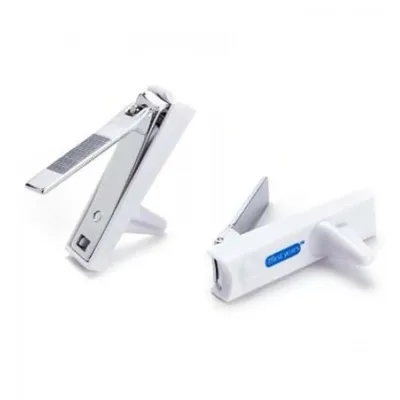
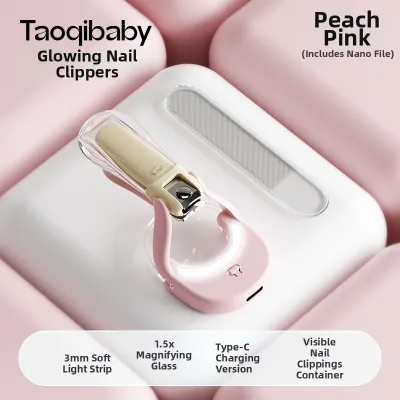
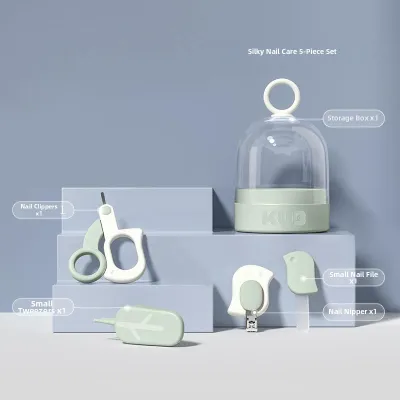
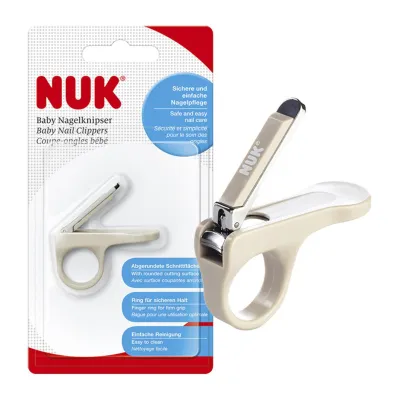
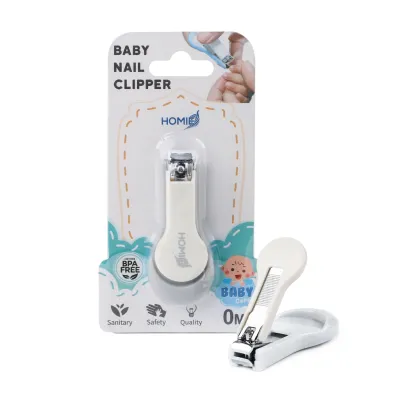
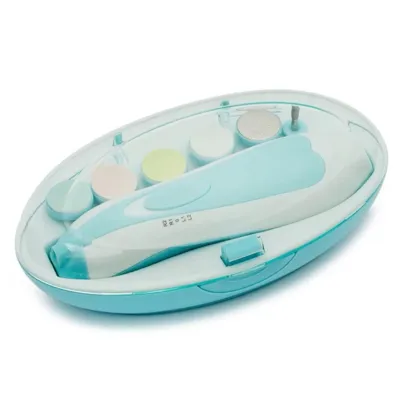
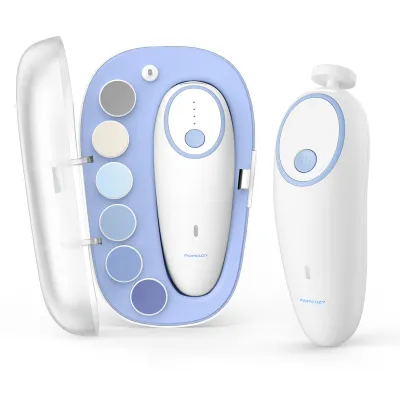
Prices are valid at publication and may change. Please refer to the product page for the latest price.
Baby nail scissors are specifically engineered with thin, short blades and rounded, blunt tips to prevent accidental punctures. The primary advantage of scissors is the exceptional level of blade visibility they provide during the cutting process. Because you can see exactly where the blades meet the nail, you can make highly controlled, incremental cuts. The manual scissor action allows you to feel the resistance of the nail, giving you immediate feedback on how much pressure to apply. However, using scissors requires a steady hand and a cooperative baby, as sudden movements can make precise alignment challenging.
Baby nail clippers utilize a classic lever mechanism scaled down for tiny fingers. These clippers feature a curved cutting edge designed to mimic the natural contour of an infant’s nail bed. The main benefit of baby clippers is speed; they can clip a nail in a single, swift motion, which is highly advantageous when dealing with a squirming child. However, the lever design can sometimes obstruct your direct line of sight to the cutting edge, making it harder to see exactly how much skin is near the blade. Additionally, the sudden “clip” sound and sensation can occasionally startle sensitive infants.
Electric nail files, often called baby nail trimmers, use battery-powered rotating or oscillating abrasive pads to gently sand down the nail edge. These devices typically come with multiple color-coded pads, each featuring a different grit level tailored to specific age ranges and nail hardness. The motor speed is generally low, and many models include a pressure-activated safety stop that halts the rotation if the pad is pressed too firmly against the skin. While electric files virtually eliminate the risk of cutting the skin, they do require a longer time to complete a full trim, and some babies may be sensitive to the mild vibration or humming noise of the motor.
Choosing the Right Tool for Newborns (0–3 Months)
During the first few weeks of life, a newborn’s nails are incredibly delicate, paper-thin, and often still adhered to the surrounding skin of the nail bed. This unique anatomy makes newborn nails particularly challenging to trim, as the boundary between the nail edge and the skin is highly indistinct. For this delicate stage, selecting a tool that minimizes the risk of pinching or cutting the skin is the top priority.

Electric nail files are widely considered one of the most practical options for newborns. Because a newborn’s nails are so soft and pliable, they do not require the shearing force of a blade to shorten. The ultra-fine grit pads designed for ages 0 to 3 months gently wear away the excess nail without pulling or tearing the delicate nail bed. If the rotating pad accidentally makes contact with the surrounding skin, it simply slips past without causing cuts or abrasions, providing peace of mind for parents who may feel anxious about using sharp edges on a tiny baby.
Baby nail scissors are another excellent choice for the newborn phase due to their superior visibility and control. When using scissors, you can gently pull the fingertip skin pad away from the nail and slide the rounded blade under the nail edge with high precision. This allows you to make tiny, controlled snips rather than one large cut. The tactile feedback of manual scissors ensures you do not apply force if you feel any resistance from the underlying skin.
In contrast, standard baby nail clippers are often more difficult to use safely during the first three months. Because newborn nails are so soft and closely fused to the skin, the curved jaws of a clipper can easily trap the delicate skin of the nail bed along with the nail itself. The pressure required to snap the clipper lever can make it difficult to feel if skin has been caught until after the cut has been made. For this reason, many pediatricians and experienced caregivers recommend holding off on traditional clippers until the baby’s nails have hardened and separated slightly from the underlying skin.
Ultimately, parental confidence and hand stability play a major role in choosing the best newborn tool. If you feel highly anxious or have unsteady hands, the safety margin of an electric file makes it the ideal starting point. If you prefer a quick, quiet, and highly precise manual method and feel comfortable holding tiny fingers steady, baby nail scissors offer the direct control you need to keep those paper-thin nails short and smooth.
Upgrading Your Tool for Older Babies (3+ Months)
As babies transition past the three-month mark, their physical development and nail structure undergo significant changes. Their nails begin to grow thicker, tougher, and much faster, requiring more frequent and robust grooming. At the same time, babies become far more active, developing stronger motor skills, a keen interest in their surroundings, and a natural resistance to being held still for long periods.
This developmental shift often necessitates an upgrade to baby nail clippers. The soft, paper-thin nails of the newborn stage give way to more defined, rigid nails that require a clean, decisive cut. Baby nail clippers are designed to handle this increased thickness with ease, allowing you to trim each nail quickly in one or two clips. This speed becomes invaluable when dealing with an older baby who is constantly moving their hands, reaching for objects, or trying to pull away from your grip.
While clippers become the primary tool for efficiency, electric nail files remain highly useful as a secondary or complementary tool. Even after a clean clip, baby nails can sometimes have sharp corners or rough edges that can easily scratch their face or your skin. Using an electric file with a slightly coarser grit pad—specifically designed for babies aged 3 to 6 months or 6 to 12 months—allows you to quickly round out and smooth those sharp corners. This hybrid approach combines the speed of clipping with the safe, smooth finish of filing.
When using motorized tools on older babies, it is important to evaluate your child’s tolerance to the sensory experience. Some older infants become highly curious about the humming sound and vibration of an electric file, attempting to grab the device or pulling their hands away to investigate. Others may find the vibration ticklish or unsettling. If the noise or sensation causes your baby to squirm excessively, switching back to a quiet pair of baby scissors or a quick clipper during a calm moment may be more effective.
Adapting your approach to your baby’s temperament is key during this active stage. If your baby absolutely refuses to sit still, attempting to force a trim with sharp scissors or clippers can increase the risk of accidental nicks. In such cases, utilizing the safety of an electric file while they are distracted by a toy, or waiting until they are in a deep sleep to use clippers, can make the process much safer and less stressful for both of you.
Key Safety and Design Features to Check Before Buying
When shopping for an infant nail care tool, it is essential to look beyond basic aesthetics and evaluate specific design features that enhance safety, control, and durability. High-quality construction and thoughtful safety mechanisms can make a significant difference in how confident you feel during grooming sessions.
First, look for tools that incorporate built-in safety guards or visibility aids. Some baby nail clippers feature integrated LED lights that illuminate the tiny nail bed, which is incredibly helpful when trimming in low-light conditions or while the baby is sleeping. Other models may include a small magnifying glass attached to the clipper handle to help you see the exact boundary between the nail and the skin. For scissors and clippers alike, ensure they come with protective caps or storage cases to keep the cutting edges clean, hygienic, and out of reach of older siblings.
Ergonomics and grip design are critical for maintaining steady control. Look for clippers and scissors with oversized, loop-style handles or non-slip rubberized grips. These designs allow you to hold the tool securely with your fingers, reducing the risk of the tool slipping out of your hand mid-cut. The handle should feel comfortable and natural in your grip, allowing you to apply pressure smoothly without needing to reposition your hand. For electric files, a contoured, easy-to-hold body ensures you can maintain a consistent angle and pressure against the nail.
Material quality is another vital consideration for hygiene and longevity. Opt for tools made from high-grade stainless steel, which resists rust and can be easily sanitized with alcohol wipes. Avoid cheap plastics that can flex or bend under pressure, as this can lead to uneven cuts or accidental slips. Always review the manufacturer’s instructions for cleaning and maintenance; some electric files require specific dry-cleaning methods for the abrasive pads, while manual metal tools can typically be wiped down with a disinfectant after each use.
Safe Trimming Techniques and When to Stop
Regardless of the tool you choose, employing the correct technique and establishing a calm routine are essential for preventing accidents. Preparing the environment and positioning your baby correctly will ensure a smooth, safe grooming experience.
Timing is everything when it comes to trimming infant nails. The optimal time to trim is when your baby is calm, distracted, or asleep. Many parents find that trimming immediately after a bath is highly effective, as the warm water softens the nails even further, making them easier to cut or file. Alternatively, waiting until your baby is in a deep sleep allows you to work quietly without worrying about sudden movements. Always ensure you are working in a well-lit room; never attempt to trim your baby’s nails in dim lighting, as this significantly increases the risk of nicking the skin.
To begin, hold your baby’s hand securely but gently. Support the individual finger you are trimming between your thumb and forefinger. Use your thumb to gently press the skin pad of the baby’s fingertip downward and away from the nail edge. This action creates a clear gap between the nail and the skin, allowing you to position your scissors, clippers, or file safely. Work slowly, making small, straight-across cuts rather than rounding deep into the corners, which can encourage ingrown nails.
Despite your best efforts, minor accidents can happen. It is important to know when to pause and when to seek professional medical advice. If you notice any signs of localized infection around the nail bed—such as redness, swelling, warmth, or pus—do not attempt to trim or treat it yourself. Similarly, if your baby has an ingrown nail that appears painful or inflamed, or if an accidental cut results in bleeding that does not stop after applying gentle pressure for a few minutes, stop the grooming session immediately and consult your pediatrician for proper care.
Frequently Asked Questions (FAQ)
How often should I trim my baby's nails?
Infant nails grow surprisingly fast, but the frequency of trimming depends largely on your baby’s age and individual growth rate. Newborn fingernails are exceptionally fast-growing and may need to be trimmed two to three times a week to prevent them from scratching their face. Toenails, on the other hand, grow much slower and typically only require trimming once or twice a month. As your baby grows older, fingernail growth may slow down slightly, requiring a trim about once a week or whenever you observe sharp edges or noticeable length.
What should I do if I accidentally cut my baby's skin?
If you accidentally nick your baby’s skin, try to remain calm, as babies can easily pick up on parental distress. Immediately rinse the area with cool water and wrap a clean tissue or sterile gauze pad around the finger, applying gentle, firm pressure for a few minutes to stop the bleeding. Avoid using liquid bandages or standard adhesive bandages on infants, as these pose a serious choking hazard if the baby puts their fingers in their mouth. If the bleeding does not stop after several minutes of continuous pressure, or if you notice signs of infection in the following days, consult a healthcare professional.
Can I use adult nail clippers on my baby?
It is highly recommended to avoid using adult nail clippers on infants. Adult clippers are structurally too large for tiny baby fingers, and their cutting blades lack the specialized curvature and safety guards found on infant-specific tools. The larger blades make it extremely difficult to see the boundary between the baby’s nail and skin, significantly increasing the risk of painful nicks or deep cuts. Investing in a dedicated infant nail care tool ensures you have the appropriate size, visibility, and control needed to keep your baby’s hands safe.
Community discussion
Share your experience or ask a question. Comments are reviewed before publication.