
A reliable waterproof wet bag is a vital companion for any parent navigating the routine of kids’ swimming lessons. After a busy session in the pool, managing dripping swimwear, damp towels, and waterlogged accessories can quickly become a messy chore. Without a dedicated storage solution, moisture inevitably migrates to other items, risking damage to school books, homework, or personal electronics sharing the same backpack.
In Singapore’s tropical climate, where high humidity levels persist year-round, simply tossing wet gear into a temporary container is not enough. Trapped water combined with residual pool chemicals can rapidly lead to unpleasant odours, mildew growth, and degraded fabrics. Investing in a high-quality wet bag ensures that damp items remain securely isolated, keeping clean clothes dry and making the transition from the pool deck to the commute home completely stress-free.
Why Standard Bags Fail at the Pool
For many parents, the default solution for packing wet swimwear is a single-use plastic bag or a standard canvas tote. While these options are easily accessible, they present significant practical drawbacks. Thin plastic bags tear easily when packed with sharp zipper edges or heavy towels, leading to unexpected leaks that can ruin the contents of a child’s school bag. Furthermore, plastic traps heat and moisture completely, creating an ideal breeding ground for bacteria and mildew within a matter of hours, which leaves swimwear smelling permanently of dampness and chlorine.
Products mentioned in this guide
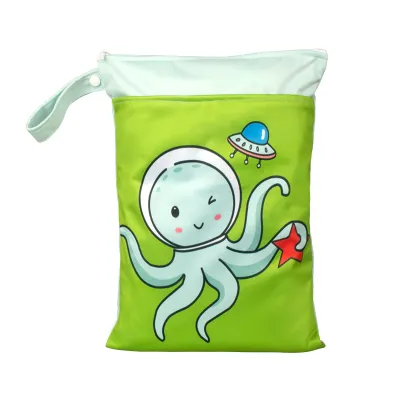
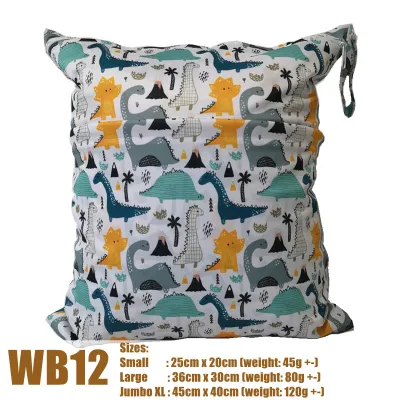
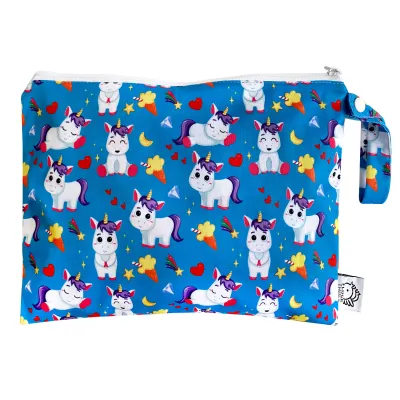


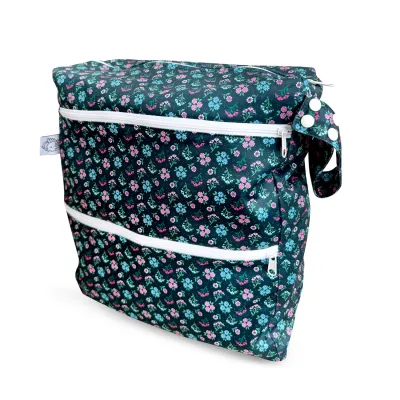
![[Local Shop] Reusable Plain Waterproof Wet Bag Nappy Diaper Nursery Nursing Maternity Childcare Infantcare Mummy Wetbag](https://img.lazcdn.com/g/p/ec62556872de87c5bf97137f364848d5.jpg_400x400q80.jpg_.webp)
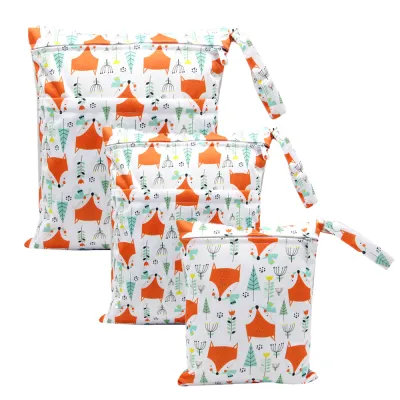
Prices are valid at publication and may change. Please refer to the product page for the latest price.
On the other hand, traditional canvas or cotton tote bags lack any protective barrier, meaning they quickly absorb chlorinated pool water and transfer it directly to whatever they touch. If your child carries their swim gear in their school backpack, a leaking bag can damp-damage expensive textbooks, tablets, or clean uniforms. The local climate accelerates these issues, as the warm, humid air in Singapore prevents trapped moisture from evaporating naturally, turning a simple transport bag into a hygiene hazard if left unattended during the school day. A dedicated wet bag resolves these pain points by utilizing specialized materials designed to contain both moisture and odour securely.
Material and Construction: What Actually Keeps Water In
When shopping for a wet bag, it is crucial to understand the difference between water-resistant and truly waterproof materials. Many products are marketed as water-resistant, which generally means the outer fabric has a temporary coating that repels light splashes but will eventually soak through under the pressure of a wet towel. For reliable performance, look for bags featuring a dedicated waterproof inner lining, typically made from Thermoplastic Polyurethane (TPU) or Polyurethane Laminate (PUL). These materials are heat-bonded to the fabric, creating a flexible, highly durable barrier that prevents liquid from seeping through the fibers.

The method used to join the fabric panels together is just as important as the material itself. Standard stitched seams create tiny needle holes along the edges of the bag; under the weight of a soaking wet swimsuit, water will slowly weep through these holes and onto surrounding items. High-quality wet bags utilize sealed, welded, or taped seams to cover these needle punctures, ensuring a completely liquid-tight seal. Before purchasing, check the manufacturer’s product details to verify if the seams are heat-sealed or taped, as this construction detail is what prevents slow leaks over hours of storage.
Additionally, the materials must be robust enough to withstand regular exposure to pool chemicals and environmental factors. Chlorinated pool water and saltwater can cause cheap, low-grade plastic linings to degrade, crack, or become sticky over time. To avoid premature wear, look for wet bags that explicitly list TPU or PUL linings rather than generic plastic or PVC, which can release chemical odours and wear out after only a few months of use. Always check the product labels for these specific lining materials to ensure you are investing in a durable, long-lasting accessory.
Sizing the Bag: Matching Capacity to Kids' Swim Gear
Selecting the right size for a wet bag requires balancing your child’s actual gear requirements with daily portability. A standard baseline inventory for a child’s swimming lesson typically includes a swimsuit, a swim cap, goggles, and a small microfiber towel. For younger toddlers, you will also need to accommodate a reusable swim nappy and perhaps a change of dry clothes. A medium-sized bag (approximately 30 by 40 centimetres) is generally sufficient for these items, offering enough space without adding unnecessary bulk to a school backpack.
It is highly advisable to avoid oversized wet bags unless you are packing for multiple children. When packed with large, heavy cotton towels, an oversized bag becomes excessively heavy for a child to carry and takes up far too much space in a shared locker, stroller basket, or school bag. Conversely, choosing an undersized bag forces you to cram items inside, putting immense strain on the zippers and seams. This stretching can compromise the waterproof seal, leading to zipper failure or tearing along the stitched edges over time.
To maximize space efficiency, look for wet bags designed with a gusseted or expandable base. A flat-bottomed or gusseted design allows the bag to expand outward to accommodate bulky items like towels and swim nappies without putting pressure on the side seams. When reviewing product options on online marketplaces or specialty baby stores, pay close attention to the physical dimensions and base structure rather than relying solely on generic size labels like “small” or “medium.”
Closure Types: Balancing Leak Prevention and Easy Access
The closure mechanism of a wet bag determines how effectively it seals in moisture and how easily your child can use it independently. Water-resistant zippers are the gold standard for leak prevention, as they provide a continuous, tight seal across the entire opening of the bag. However, these zippers require a bit of care; they can sometimes be stiff for very young children to pull, and they are prone to snagging or corroding if salt and chlorine are not regularly rinsed out of the zipper track.
Drawstring closures and snap buttons are common alternatives that offer extremely quick access and are very easy for small hands to operate. While convenient, these closures do not provide an airtight or watertight seal at the top of the bag. If the bag is tipped over in a backpack or locker, water from soaking wet gear can easily seep out through the gaps in a drawstring opening. For this reason, drawstring bags are best reserved for lightly damp items rather than soaking wet swimwear.
If you choose a zippered wet bag, look for thoughtful design details that enhance durability and usability. Double-zipper pulls are highly practical, allowing the bag to be opened or closed from either side, which is incredibly helpful when packing in a hurry. Another excellent feature is a zipper garage—a small fabric flap at the end of the zipper track that covers the metal pull when fully closed. This protects the zipper from external elements like sand, while also preventing the metal pull from scratching other items inside your child’s main bag.
Compartments: Keeping Wet, Dry, and Dirty Items Separate
A single-compartment wet bag is useful, but a multi-compartment or “wet-dry” design offers far greater utility for weekly swimming lessons. These bags typically feature two separate sections: one fully waterproof compartment lined with TPU or PUL for wet gear, and a second dry or mesh compartment on the outside. This dual-compartment configuration allows you to pack your child’s clean underwear, dry clothes, and talcum powder in the dry section before the lesson, then swap them with the wet swimwear afterward without needing multiple separate bags.
External mesh pockets are another highly practical addition to a wet bag’s layout. These breathable pockets are ideal for storing items that do not require waterproofing but should not be sealed away in a damp environment, such as flip-flops, water bottles, or wet hairbrushes. Storing these items externally keeps them easily accessible and allows them to begin air-drying on the way home, preventing them from contaminating the clean, dry clothes stored inside the main compartments.
For smaller accessories that are easily lost, look for bags with internal mesh pockets or small zippered dividers within the wet compartment. Placing goggles, earplugs, or swim caps into these smaller pockets keeps them organized and prevents them from getting buried under a heavy, soaking towel. This simple organizational feature saves time on the pool deck, helping you pack up quickly and ensure no small pieces of gear are accidentally left behind in the changing room.
Poolside Convenience: Handles, Straps, and Stability
The physical environment of a public swimming pool or school changing room is often wet, crowded, and lacking in clean surfaces. To keep your child’s gear hygienic, a wet bag should feature design elements that make it easy to keep off the floor. A sturdy handle with a snap closure is an incredibly useful feature, allowing you to hang the bag securely from pool fences, shower curtain rods, changing room hooks, or stroller handles. This keeps the bag clean and dry while you assist your child with changing.
For parents managing multiple children or carrying several bags at once, adjustable shoulder straps or backpack-style straps offer significant ergonomic benefits. A strap allows you to carry the wet bag hands-free, leaving your hands free to hold your child’s hand, navigate busy public transport, or carry other essential gear. If your child is older and carries their own bag, lightweight, adjustable straps ensure they can carry their swim gear comfortably without straining their shoulders.
Finally, consider the stability of the bag when placed on flat surfaces. A wet bag with a structured, wide base can stand upright on its own on the pool deck or changing room bench. This self-standing capability makes it much easier to pack and unpack items using both hands, rather than struggling to hold a floppy bag open while stuffing a wet towel inside. This minor structural detail significantly improves the overall user experience during the hectic post-swim routine.
Daily Care and Mould Prevention in Humid Climates
To extend the lifespan of your waterproof wet bag and maintain its hygienic condition, establishing a consistent care routine is essential. After every swimming lesson, make it a habit to rinse the inside of the bag thoroughly with fresh tap water. This simple step removes residual chlorine, pool chemicals, salt, and sand, which can slowly degrade the waterproof TPU or PUL lining if left to sit. Neglecting this rinse can cause the lining to become brittle, sticky, or peel away from the outer fabric over time.
Once rinsed, the bag must be dried correctly to prevent the growth of mould and mildew, which thrive in Singapore’s humid environment. Turn the bag completely inside out and hang it to air dry in a well-ventilated area away from direct, intense sunlight. Avoid leaving the bag crumpled in a dark cupboard or school backpack while damp, as this creates a breeding ground for bacteria and stubborn musty odours that are incredibly difficult to remove once established.
When it comes to washing, always check the applied product’s label and the treated item’s manufacturer instructions first. If instructions permit machine washing, use a gentle cycle with a mild detergent and avoid using harsh chemicals, bleach, or fabric softeners, as these can chemically break down the waterproof laminates. Never tumble dry a wet bag on high heat or iron it, as excessive heat will melt or crack the delicate TPU or PUL layers, permanently destroying the bag’s waterproof capabilities. If instructions conflict, the item is unidentified, or the use is not covered, stop and consult the manufacturer for proper care guidelines.
Community discussion
Share your experience or ask a question. Comments are reviewed before publication.