
Quick Answer: Which Material is Best for Daily Diaper Changes?
Selecting the right waterproof bed mat or changing pad material depends on balancing leak protection, comfort, and daily maintenance. Thermoplastic Polyurethane (TPU) offers a flexible, breathable, and quiet waterproof barrier often laminated to soft fabrics. Polyvinyl Chloride (PVC) provides a traditional, highly durable, and completely wipe-clean surface that handles heavy messes with ease. Cotton-backed options prioritize immediate softness and breathability against a baby’s skin, relying on a hidden waterproof layer underneath to catch spills.
The optimal choice ultimately depends on your specific nursery routine. If you prefer quick wipe-downs between changes, a smooth surface like PVC or a wipeable TPU laminate is highly efficient. If you prioritize machine-washable comfort for sensitive skin, cotton-backed mats are excellent. Always verify manufacturer labels for safety compliance and specific care instructions before use.
Understanding the Core Materials: TPU, PVC, and Cotton-Backed
To make an informed decision, it is essential to understand how these three common materials are structured and how they function during daily diaper changes.
Products mentioned in this guide
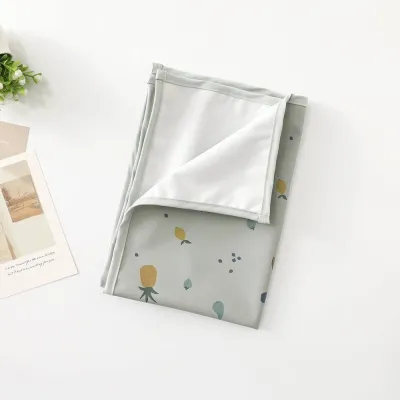
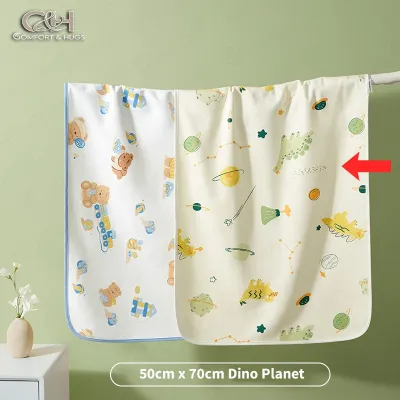
Prices are valid at publication and may change. Please refer to the product page for the latest price.

TPU (Thermoplastic Polyurethane)
TPU is a modern polymer heat-bonded to a fabric backing, such as polyester or cotton, to create a laminated waterproof barrier. Unlike older plastics, TPU contains microscopic pores that block liquid water molecules while allowing water vapor to escape. This membrane structure makes TPU-laminated fabrics highly flexible, soft, and virtually silent when the baby moves. It is commonly found in reusable diapers and high-quality waterproof bed mats.
PVC (Polyvinyl Chloride)
PVC is a traditional synthetic plastic polymer used widely in nursery products due to its absolute waterproof nature. In changing mats, PVC typically forms a thick, smooth, and non-porous outer shell over a foam core. This design ensures that no liquids can penetrate the surface, making it incredibly easy to clean with a simple wipe. However, because it is entirely non-porous, it does not allow air circulation and can feel cold to the touch.
Cotton-Backed Options
Cotton-backed changing mats are multi-layered textiles designed to offer the best of both worlds. The top layer consists of soft, absorbent cotton—often organic or brushed flannel—which provides a comfortable, warm surface for the baby to lie on. Beneath this comfortable fabric layer lies a concealed waterproof backing, which is typically made of TPU or a thin polyurethane coating. This structure ensures that any leaks are absorbed by the top layer and stopped by the bottom layer, preventing liquids from reaching the furniture underneath.
Comparing Leak Protection, Comfort, and Durability
Evaluating how these materials perform across key daily dimensions helps narrow down the best option for your home.
Leak Protection
When containing liquids, surface material and construction are critical. PVC offers immediate, absolute liquid resistance, allowing puddles to be wiped away instantly. However, liquid can pool on PVC and run off the edges if the mat lacks raised borders. TPU-laminated and cotton-backed options absorb minor spills into their fabric layers before the liquid reaches the waterproof barrier, preventing runoff but requiring laundering. For all types, check the seam construction; welded or sealed seams prevent liquids from seeping into the inner foam or stitching, which can harbor bacteria.
Comfort and Temperature
A baby’s comfort during diaper changes affects how cooperative they remain. Cotton-backed mats offer immediate warmth and softness, which is ideal for newborns sensitive to cold surfaces. TPU-laminated fabrics also maintain a neutral temperature and do not feel sticky. In warm, humid climates like Singapore, breathability is a major factor. PVC surfaces do not breathe, which can cause heat retention and make a baby sweaty during changes. Placing a soft muslin cloth over a PVC mat can mitigate this cold or sticky sensation, though it adds an extra laundry step.
Durability and Wear
Daily use and frequent cleaning subject changing mats to significant wear. PVC resists tearing and staining, but exposure to cleaning chemicals and folding can cause the plastic to crack or peel along the seams over time. TPU is highly flexible and resists cracking even after multiple machine wash cycles, though high heat can delaminate the membrane. Cotton-backed options offer excellent fabric strength, but frequent washing can lead to surface pilling or gradual wear of the hidden waterproof backing. To maximize lifespan, always follow the manufacturer’s care guides.
Safety, Care, and Manufacturer Specifications
Ensuring the safety and longevity of your waterproof bed mat requires careful attention to product standards and maintenance routines.
Safety Checks
Rather than assuming safety based on a material’s name, caregivers should verify independent safety certifications on the packaging. Look for recognized standards like OEKO-TEX Standard 100, which certifies that textiles are free from harmful levels of toxic substances. For PVC products, verify that the manufacturer explicitly states the item is phthalate-free and lead-free, as traditional PVC formulations often use these additives for flexibility. Checking for compliance with regional toy safety standards provides an extra layer of assurance.
Cleaning and Disinfection
The correct cleaning method depends entirely on the manufacturer’s care label. Attempting to sanitize a mat using unapproved methods can permanently ruin the waterproof barrier. PVC mats are generally restricted to surface wiping with mild soap and warm water; harsh chemical disinfectants can degrade the plastic surface over time. TPU and cotton-backed mats are often machine washable, but they typically require cold or warm water cycles and low-temperature tumble drying. Exposing TPU to high heat or bleach can melt or crack the waterproof membrane.
When to Replace
Regularly inspect your changing mat or waterproof bed mat for signs of degradation. Replace the product immediately if you observe deep scratches, peeling or cracking of the waterproof backing, compromised seams, or persistent odors. A damaged waterproof layer allows moisture to seep into the inner padding or fabric layers, creating a breeding ground for mold and bacteria.
How to Choose the Right Option for Your Nursery
To select the ideal waterproof bed mat or changing pad, match the material characteristics to your daily caregiving habits and environment.
Assess Your Caregiving Priorities
If your primary goal is speed and minimal laundry, a wipe-clean PVC or heavy-duty TPU mat is highly efficient for high-frequency diaper changes. For babies with highly sensitive skin or those prone to diaper rash, a breathable cotton-backed mat or a TPU-laminated fabric pad minimizes skin irritation by preventing sweat buildup.
Consider the Changing Environment
The physical space where you change your baby should influence your choice. A thick, contoured PVC or foam pad with a secure safety strap is ideal for stationary use on a changing table. For on-the-go use, a lightweight, highly foldable TPU or cotton-backed waterproof bed mat fits easily into a diaper bag, providing a clean, comfortable surface on public changing tables. If you need a larger mat to protect crib mattresses or playpens from leaks, a larger, flat TPU-laminated or cotton-backed bed mat offers quiet, non-crinkly protection under a fitted sheet.
Pre-Purchase Checklist
Before finalizing your purchase, use this quick checklist to verify the product’s suitability:
- Dimensions: Measure your changing table or crib surface to ensure the mat fits securely without overlapping or bunching.
- Backing Integrity: Ensure the underside features a non-slip texture or grip dots to keep the mat stable during active diaper changes.
- Care Requirements: Confirm that the washing and drying instructions align with your household routine (e.g., machine washable versus wipe-clean only).
Frequently Asked Questions (FAQ)
Can I use a waterproof bed mat as a baby changing pad?
Yes, you can use a flat waterproof bed mat as a temporary or portable changing pad, provided you take proper safety precautions. Bed mats are excellent for protecting flat surfaces like beds, sofas, or floors during diaper changes. However, because they lack the raised, contoured edges of dedicated changing pads, you must never leave your baby unattended. Ensure the surface underneath is flat, and verify that the mat has a non-slip backing to prevent it from sliding while you work.
Are PVC changing mats safe for newborns?
PVC changing mats can be safe for newborns, provided they meet modern safety standards. Traditional PVC often contained phthalates to make the plastic soft and pliable, which are restricted in modern children’s products. When purchasing a PVC mat, always check the packaging or manufacturer specifications to ensure it is certified phthalate-free, BPA-free, and non-toxic. If you are concerned about direct skin contact, you can place a breathable cotton liner or muslin cloth over the mat.
How do I stop a waterproof mat from sliding on the changing table?
To prevent a waterproof mat from sliding, look for products designed with built-in non-slip backings, such as silicone grip dots or textured rubber surfaces. If your changing table has a dedicated topper, use the manufacturer-approved safety straps or brackets to secure the pad to the furniture. If the mat still slides and the manufacturer’s care instructions permit it, you can place a thin, rubberized non-slip rug pad or drawer liner directly underneath the mat to increase friction and stability.

Community discussion
Share your experience or ask a question. Comments are reviewed before publication.