
When preparing a bath for your infant, ensuring the water is at a safe, comfortable temperature is crucial to prevent accidental scalding or chilling. Many parents look to trusted brands like Philips and wonder which specific baby bath thermometers are registered or certified by the Health Sciences Authority (HSA) in Singapore. To clarify, dedicated baby bath thermometers—such as the popular flower-shaped models designed for room and bath use—are generally classified as general consumer products rather than medical devices. Consequently, they do not typically require or carry HSA medical device registration, which is reserved for clinical diagnostic tools like body thermometers. Understanding this regulatory distinction is the first step in making an informed, safe purchase for your nursery.
While a standard bath thermometer does not need an HSA logo to be considered safe, parents must still exercise diligence when purchasing these devices. Ensuring that the product is an authentic Philips model and checking that it complies with general consumer safety standards will help protect your baby during bath time. This guide outlines how to navigate local regulatory frameworks, verify product authenticity, and evaluate key safety features to ensure a secure bathing environment for your little one.
Understanding HSA Registration for Baby Bath Thermometers
The Health Sciences Authority (HSA) regulates medical devices in Singapore based on their intended use and the risk they pose to public health. A medical device is defined as any instrument, apparatus, or machine intended by its manufacturer to be used for diagnosing, monitoring, treating, or alleviating a medical condition. Because clinical body thermometers are used to detect fever and monitor physiological status, they fall strictly under this definition and must be registered with the HSA before they can be legally sold.
Products mentioned in this guide
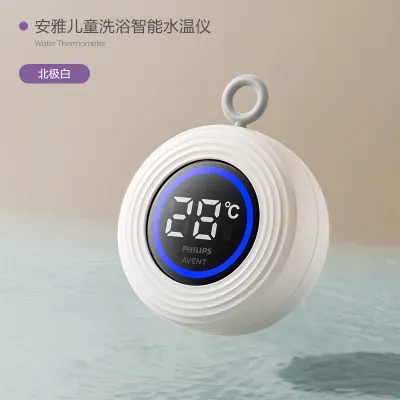
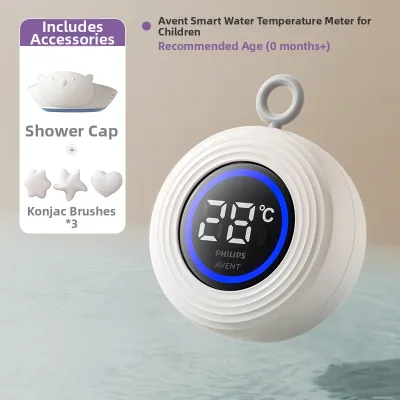
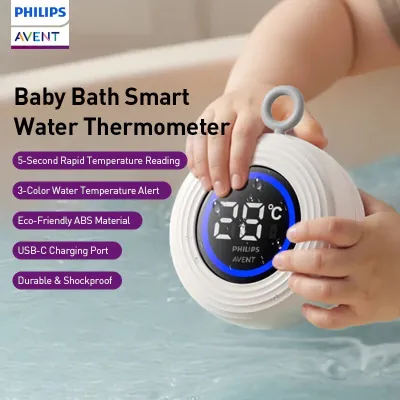
Prices are valid at publication and may change. Please refer to the product page for the latest price.
In contrast, dedicated baby bath thermometers are designed solely to measure environmental water temperature. Because they do not perform a diagnostic or clinical function on the human body, they are classified as general consumer goods rather than medical devices. Consequently, standard bath thermometers do not undergo the HSA registration process, and the absence of an HSA registration number on their packaging is entirely normal and does not indicate a safety defect.
Instead of HSA oversight, general consumer products in Singapore are subject to safety regulations managed by the Consumer Product Safety Office (CPSO) under Enterprise Singapore. These regulations ensure that consumer goods sold locally meet basic safety requirements, such as being free from mechanical hazards and toxic materials. When purchasing a bath thermometer, your focus should be on verifying compliance with these general consumer safety standards rather than searching for an HSA medical device license.
However, if a manufacturer markets a “dual-use” thermometer that claims to measure both clinical body temperature and bath water temperature, that specific device must be registered with the HSA. In such cases, the clinical measurement function triggers the medical device classification, requiring the importer to obtain the necessary HSA approvals. Parents should carefully read the product packaging to determine whether a device is a dedicated bath thermometer or a registered medical device.
How to Verify HSA Status and Product Authenticity
If you are considering a dual-use thermometer or want to verify if a specific Philips medical device is registered, you can use the HSA InfoSearch portal. This online database allows consumers to search the Singapore Medical Device Register (SMDR) using the brand name, product name, or registration number. To perform a search, navigate to the official HSA website, access the medical device register, and enter “Philips” alongside the specific model number to confirm its registration status and class.

For dedicated bath thermometers that do not require HSA registration, verifying product authenticity is essential to avoid counterfeit goods. Start by inspecting the physical packaging for official compliance marks, batch numbers, and clear importer details. Authentic Philips products distributed in Singapore typically feature localized packaging or labels indicating the authorized local distributor and their contact information.
When shopping on online marketplaces, several red flags can help you identify counterfeit, recalled, or unauthorized grey-market products. Be cautious of listings that feature unusually low prices compared to established retail channels, as these often indicate counterfeit items made with substandard materials. Additionally, packaging that lacks English instruction manuals, displays poor print quality, or arrives unsealed should be treated with suspicion.
Grey-market imports, while sometimes authentic, may not comply with local safety standards or packaging requirements. These products often lack a valid local warranty, meaning you will not have recourse if the device malfunctions or is subject to a manufacturer recall. Purchasing from authorized local retailers ensures that the product has entered the market through legitimate channels and meets all local safety expectations.
Key Safety Features to Look for in a Baby Bath Thermometer
Selecting a safe baby bath thermometer requires a systematic evaluation of its physical construction and functional specifications. Because infants have highly sensitive skin and are vulnerable to physical hazards, the device must be designed specifically for nursery use. Parents should check the product packaging and user manual to verify that the thermometer meets the following safety criteria.
Material and Structural Safety
Infants naturally explore their environment by touching and mouthing objects, making material safety a primary concern for bath toys and thermometers. Ensure the product label explicitly states that the device is made from BPA-free, phthalate-free, and non-toxic materials. These declarations confirm that the plastic will not leach harmful chemicals into the warm bath water or pose a chemical hazard if your baby chews on it.
Evaluate the physical design of the thermometer to ensure it has smooth, rounded edges and a soft, tactile outer casing. The device must be completely shatterproof to withstand accidental drops on hard bathroom tiles or porcelain tubs without cracking or exposing sharp internal components. Furthermore, the thermometer must not have any small, detachable parts that could pose a choking hazard to an infant.
Waterproof integrity is another critical structural feature to verify before purchase. Look for a high Ingress Protection (IP) rating, such as IPX7, which indicates that the device can be fully submerged in water for a specified duration without leaking. A robust waterproof seal prevents water from entering the battery compartment, protecting the internal electronics from damage and eliminating the risk of battery acid leakage into the bath water.
Temperature Accuracy and Alert Systems
To prevent accidental scalding, a bath thermometer must provide highly accurate and rapid temperature readings. Look for a clear, high-contrast digital display that allows you to read the temperature at a glance, even in a steamy bathroom environment. The display should feature large, legible numbers so you do not have to squint or guess the reading while managing a squirming baby.
Many modern baby bath thermometers include built-in visual or audible alert systems to warn parents when the water is too hot or too cold. For example, some models feature a color-coded backlight that turns red if the temperature exceeds a safe threshold, typically around 38°C, or blue if the water is too cold. These instant visual cues provide an extra layer of reassurance during the busy bath preparation process.
Finally, check the manufacturer’s specifications regarding the sensor’s response time and stabilization period. A high-quality thermometer should update its reading within seconds of being placed in the water. A fast response time ensures that any sudden temperature fluctuations, such as adding warm water to the tub, are reflected immediately on the screen, allowing you to adjust the water before your baby comes into contact with it.
Safe Usage and Maintenance Practices for Infant Bathing
While a digital thermometer is an excellent tool for monitoring water temperature, it should never replace manual safety checks. Always perform a physical check by thoroughly swirling the bath water to eliminate any hot spots, then testing the temperature with the inside of your wrist or elbow. Your skin is highly sensitive to temperature extremes and serves as your primary defense against accidental scalding.
When placing the thermometer in the baby tub, position it in the center of the water, away from the running tap or hot water inlet. Placing the device too close to the water source can result in localized, inaccurate readings that do not reflect the overall temperature of the bath. Allow the thermometer to float freely for a few moments to ensure the sensor has stabilized before placing your baby in the tub.
Singapore’s warm and highly humid climate creates an ideal breeding ground for mold, mildew, and bacteria. To maintain proper hygiene, rinse the thermometer with clean, fresh water after every bath to remove any soap residue or bath oils. Wipe the device down with a soft cloth and allow it to air dry completely in a well-ventilated area outside the damp bathroom environment.
Regularly inspect the battery compartment to ensure the device remains safe for continued use. Verify that the rubber gasket seal is intact, free from debris, and properly seated to maintain its waterproof rating. Most importantly, ensure that the battery cover is tightly secured with screws before every use; loose battery compartments pose a severe, life-threatening ingestion hazard if an infant accesses the button batteries.
When to Stop Using the Thermometer and Seek Alternatives
Over time, exposure to water, heat, and physical impacts can degrade even high-quality bath thermometers. Parents should routinely inspect the device for visible signs of wear and tear, such as hairline cracks in the plastic casing, a faded or bleeding digital display, or condensation trapped behind the screen. If you observe any of these issues, stop using the thermometer immediately, as the waterproof seal has likely failed.
Inconsistent or erratic temperature readings are another clear indication that the thermometer needs to be retired. If the display jumps erratically, takes an unusually long time to stabilize, or shows a temperature that feels noticeably different during your manual wrist check, the sensor may be damaged. Relying on a malfunctioning thermometer increases the risk of bathing your baby in water that is dangerously hot or cold.
If you acquire a secondhand thermometer or a model that lacks clear safety labeling, operating instructions, or manufacturer contact details, do not use it. Without the original manufacturer’s guidelines, you cannot verify the device’s waterproof rating, battery safety, or material composition. In such cases, it is best to consult a pediatrician or a qualified child safety professional for recommendations on reliable, certified alternatives.
Frequently Asked Questions (FAQ)
Do all baby bath thermometers require HSA certification?
No, standard baby bath thermometers do not require HSA certification because they are classified as general consumer goods rather than medical devices. HSA registration is only mandatory for devices intended for clinical diagnostic purposes, such as measuring human body temperature. Standard bath thermometers must instead comply with general consumer product safety standards regulated by Enterprise Singapore.
Can I use a Philips digital body thermometer to check bath water?
No, you should never use a clinical body thermometer to check bath water. Clinical thermometers are calibrated for a narrow temperature range centered around human body temperature and are not designed to be submerged in water. Attempting to use a medical thermometer in a bath can damage the sensitive sensor, void the manufacturer’s warranty, and yield highly inaccurate readings, creating a potential scalding risk for your baby.

Community discussion
Share your experience or ask a question. Comments are reviewed before publication.