
Protecting your baby from mosquito bites in Singapore’s warm, humid climate is a year-round priority for parents. While a foldable mosquito net offers a highly portable and convenient shield against dengue-carrying mosquitoes, finding a safe and reliable option requires looking beyond flashy online marketing. Because infant safety is paramount, the ideal choice is not simply the most popular brand on an ecommerce platform, but rather one that meets strict physical safety standards, fits your specific crib dimensions, and uses certified, breathable materials.
This guide provides a comprehensive framework to help you evaluate foldable mosquito nets available in Singapore. By focusing on structural integrity, mesh specifications, and practical verification steps, you can confidently select a protective cover that keeps your little one safe and comfortable throughout the night.
Quick Guide: Evaluating Foldable Crib Mosquito Nets
When shopping for a foldable crib mosquito net, parents are often overwhelmed by dozens of generic options on online marketplaces. To simplify your decision, prioritize three core pillars: safety, structural stability, and daily usability. A high-quality net must remain securely upright without any risk of collapsing onto your sleeping infant, even if the crib is bumped or the baby moves actively.
Products mentioned in this guide
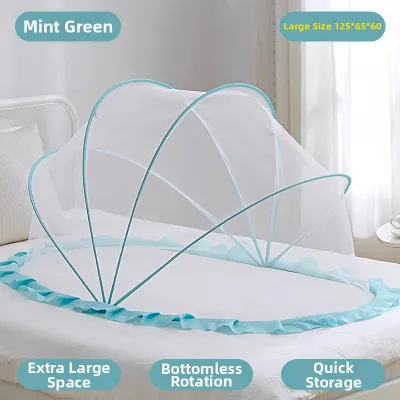
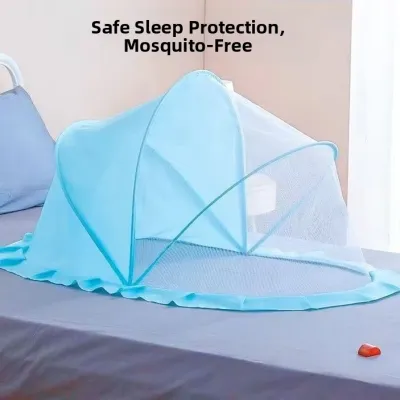
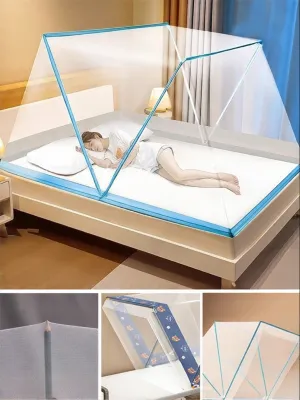
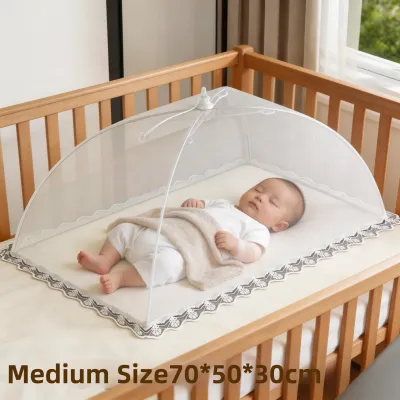

Prices are valid at publication and may change. Please refer to the product page for the latest price.
The primary safety non-negotiables include a highly breathable, fine-mesh fabric that blocks tiny insects while allowing optimal airflow, and a robust frame that retains its shape under tension. Avoid any product that lacks clear manufacturer labeling, age recommendations, or physical safety instructions.
For daily convenience, look for foldable designs that collapse smoothly into a compact shape for storage or travel. The net should also feature a secure, quiet opening mechanism—such as a smooth zipper or magnetic closure—that allows you to access your baby during night feeds without waking them or creating dangerous gaps.
Immediate red flags to watch out for when browsing retail stores or online platforms include exposed metal wires, loose threads, strong chemical odors, and unverified claims of absolute safety. If a seller cannot provide clear specifications regarding material composition or frame durability, it is best to look elsewhere.
Essential Safety and Design Standards to Check
To ensure a foldable mosquito net is safe for your infant, you must carefully inspect its physical construction and material specifications. Do not rely solely on product titles; instead, use the following criteria to evaluate any model before introducing it to your baby’s nursery.

Mesh Density and Airflow
The primary function of a mosquito net is to block insects, but this must not come at the expense of ventilation. In Singapore’s tropical climate, poor airflow can quickly lead to overheating, which is a known risk factor for infant sleep safety. Look for product labels that specify the mesh density, often measured in holes per square inch or holes per square centimeter. A safe infant net typically features a fine, consistent weave that blocks small pests like midges and mosquitoes while allowing air to circulate freely. Avoid extremely dense, plastic-like netting that restricts breathing or traps heat inside the crib.
Structural Integrity and Frame Tension
Foldable nets rely on flexible frames—usually made of fiberglass, carbon fiber, or spring steel—to maintain their shape. The frame must be strong enough to resist collapsing under its own weight or when subjected to minor external pressure, such as a baby pulling on the fabric. Inspect the joints and folding mechanisms to ensure they are securely covered and cannot pinch tiny fingers. The tension of the frame should keep the netting taut; loose, sagging fabric poses a serious entanglement and suffocation hazard if it comes into contact with the baby’s face.
Material Safety and Chemical Treatments
Infants have sensitive skin and developing respiratory systems, making material safety a critical consideration. Verify that the netting fabric is free from harmful chemical treatments, flame retardants, or heavy dyes. Look for brands that explicitly state their compliance with recognized textile safety standards, such as OEKO-TEX Standard 100, which certifies that the fabric has been tested for harmful substances. If a net is advertised as “insecticide-treated,” exercise extreme caution and verify the active ingredients, as chemical residues can cause skin irritation or respiratory discomfort in newborns.
Zipper and Closure Mechanisms
The entry points of a foldable net must close completely to prevent mosquitoes from slipping inside, but they must also be designed with infant safety in mind. Zippers should be double-sided for easy operation from both inside and outside, but the interior pull tabs must be positioned or covered so they remain out of your baby’s reach. This prevents the child from playing with the zipper, which could lead to scratching, choking on small parts, or accidental entrapment. Ensure the zipper teeth are smooth and rounded, and that the surrounding fabric is reinforced to prevent tearing.
Matching the Net Design to Your Crib and Space
Not all foldable mosquito nets fit every crib style or room layout. Selecting the right design requires understanding the structural differences between popular folding mechanisms and measuring your nursery setup accurately.
Pop-Up Dome vs. Foldable Rectangular Frames
Foldable nets generally fall into two design categories: pop-up domes and rectangular folding frames. Pop-up domes feature a curved, self-supporting structure that opens instantly when unpacked. They are highly portable and excellent for travel, but their sloped walls can reduce the usable headroom near the edges of the crib, potentially bringing the mesh closer to your baby’s face. Rectangular folding frames, on the other hand, mimic the shape of a standard crib, providing consistent vertical clearance across the entire mattress surface. However, they often have a larger folded footprint and may require more effort to collapse and store.
Crib Compatibility and Dimensions
Before purchasing, measure your crib’s interior and exterior dimensions carefully. A foldable net must sit flush against the mattress or wrap securely around the crib rails without leaving any loose gaps. If the net is too small, it may distort the crib mattress or create high-tension areas that are prone to tearing. If it is too large, excess fabric can drape into the sleeping area, creating a dangerous suffocation hazard. Ensure the net’s base matches your mattress size (such as standard Singapore crib sizes of 120cm x 60cm or 140cm x 70cm) to guarantee a snug, secure fit.
Accessibility for Caregivers
Consider how the net’s design will affect your daily parenting routine. During the first few months, you will need to lift your baby out of the crib multiple times a night for feeding, comforting, or diaper changes. A net that is difficult to open or requires complex folding maneuvers can add unnecessary stress to these nighttime interactions. Look for designs with wide, U-shaped zippered openings or magnetic flaps that can be opened quietly with one hand, allowing you to reach your baby smoothly without disrupting their sleep environment.
How to Verify Brand Claims Before Purchasing
In the absence of independent, standardized testing for every product on the market, parents must act as active investigators to verify brand claims. Use this practical verification framework to separate reliable manufacturers from low-quality alternatives.
Reading Product Labels and Documentation
A reputable brand will provide clear, detailed product documentation rather than vague marketing slogans. Look for physical labels or digital user manuals that list the exact material composition (such as 100% polyester or nylon), clear age and weight recommendations, and step-by-step installation instructions. Check for compliance with international toy or nursery product safety standards, such as EN 71 (European standard for toy safety) or ASTM standards, which often cover physical hazards, flammability, and chemical safety.
Evaluating User Reviews Critically
When browsing online marketplaces, do not rely solely on overall star ratings, which can sometimes be inflated. Instead, filter reviews to look for specific, detailed feedback from parents who have used the product for several months. Search for keywords like “collapse,” “tear,” “zipper,” “smell,” or “fit.” Pay close attention to recurring complaints about structural failures, such as fiberglass poles splintering, metal wires poking through the fabric, or zippers breaking after a few weeks of use. These patterns are strong indicators of poor manufacturing quality.
Checking Warranty and Return Policies
A manufacturer’s confidence in their product is often reflected in their after-sales support. Look for brands that offer a clear warranty or a straightforward return policy, especially when purchasing from local distributors in Singapore. A reliable local seller should be easily reachable to answer questions about installation, replacement parts, or compatibility. Avoid purchasing from unverified overseas sellers who offer no return options, as returning a defective or ill-fitting net can be difficult and costly.
Safe Installation and Daily Maintenance Practices
Even the highest-quality foldable mosquito net can become a safety hazard if it is installed incorrectly or poorly maintained. Establish a consistent routine to ensure the net remains a safe protective barrier for your baby.
Initial Setup and Secure Anchoring
When setting up the net for the first time, follow the manufacturer’s instructions precisely. Position the net so that its base is firmly anchored beneath the mattress or secured tightly to the crib frame, leaving absolutely no gaps where a baby’s head or limbs could become wedged. Ensure the net is fully extended and that the frame is locked securely into its open position. Double-check that no loose cords, ties, or fabric flaps are hanging inside the crib where the baby can reach them.
Routine Inspection Checklist
Make it a habit to perform a quick visual and physical check of the mosquito net before every sleep session. This routine inspection should take only a few seconds but can prevent serious accidents.
- Frame Check: Feel along the fabric sleeves to ensure the internal support wires are intact, straight, and have not punctured the material.
- Mesh Check: Inspect the netting for any small tears, runs, or holes that could allow insects to enter or snag your baby's fingers.
- Zipper Check: Test the zipper to ensure it glides smoothly without catching on the mesh, and verify that the closure is complete.
- Stability Check: Give the frame a gentle shake to confirm it is securely anchored and will not tip over easily.
Cleaning and Care Guidelines
Over time, dust, lint, and sweat can accumulate on the mesh, reducing airflow and potentially triggering allergies. Always check the manufacturer’s care label for specific washing instructions before cleaning the net. Most foldable nets cannot be machine washed because the agitation can damage the delicate mesh or warp the flexible frame wires. Instead, hand wash the net in cool water using a mild, baby-safe detergent. Rinse thoroughly to remove all soap residue, and allow the net to air dry completely in a well-ventilated area before placing it back on the crib. Never use bleach, harsh chemicals, or a tumble dryer, as extreme heat can melt the synthetic fibers and ruin the frame’s elasticity.
Frequently Asked Questions (FAQ)
Can I use a standard bed mosquito net on a baby crib?
No, using a standard adult bed mosquito net on an infant crib is highly discouraged due to significant safety risks. Adult nets are designed for much larger spaces and often feature excess fabric that can easily drape into the crib, creating a severe risk of suffocation, strangulation, or entanglement. Additionally, standard nets lack the rigid, self-supporting frame of a crib-specific foldable net, making them prone to sagging or collapsing onto the baby. Always choose a net specifically designed and sized for infant cribs to ensure a secure, gap-free fit.
How often should I inspect the foldable frame for damage?
You should perform a brief visual and physical inspection of the foldable frame before every single use. Because these nets are collapsed and opened frequently, the internal wires or fiberglass poles are subjected to regular stress. Look for signs of wear such as bent or warped frames, fabric thinning near the joints, or splintering poles. If you notice any structural damage, compromise in the frame’s tension, or exposed wires, stop using the net immediately to prevent it from collapsing onto your baby.
Are treated mosquito nets safe for newborns?
Generally, it is safest to avoid chemically treated mosquito nets for newborns and young infants unless specifically recommended by a healthcare professional. Newborns have highly sensitive skin and developing respiratory systems that can react negatively to chemical residues, such as permethrin or other insecticides commonly used on adult travel nets. Always check the manufacturer’s product label for explicit age recommendations and active ingredients. If you are concerned about mosquito-borne illnesses in Singapore, consult your pediatrician to discuss the safest physical barrier methods or baby-safe insect repellents for your child’s specific age.
Community discussion
Share your experience or ask a question. Comments are reviewed before publication.