
Selecting a body powder container for your baby’s daily grooming routine requires a careful balance of respiratory safety, physical usability, and material hygiene. The primary safety concern when using any baby powder is the risk of inhalation, which can irritate an infant’s developing lungs. To mitigate this risk, a safe container must limit how much powder becomes airborne during application while remaining secure against accidental spills. By focusing on controlled dispensing mechanisms, secure locking lids, and non-toxic materials, you can significantly minimize these risks and ensure a safer grooming experience.
Understanding the design of your powder dispenser is just as important as choosing the powder itself. Traditional containers often release large, uncontrolled clouds of dust that easily enter a baby’s breathing zone. Modern, safety-conscious designs address this issue by trapping the powder within a puff or utilizing mechanical pumps that deliver targeted application. Investing in a high-quality, dedicated container not only keeps your nursery clean but also protects your baby’s respiratory health during every diaper change and post-bath routine.
Quick Guide: Essential Features for a Safe Baby Powder Container
When compiling your baby’s grooming kit, the container you select should prioritize features that actively prevent powder from becoming airborne. Infant lungs are highly sensitive, and even natural powders like cornstarch or arrowroot can cause respiratory discomfort if inhaled in large quantities. A safe container acts as the first line of defense, keeping the powder contained and directing it only where it is needed on your baby’s skin.
Products mentioned in this guide
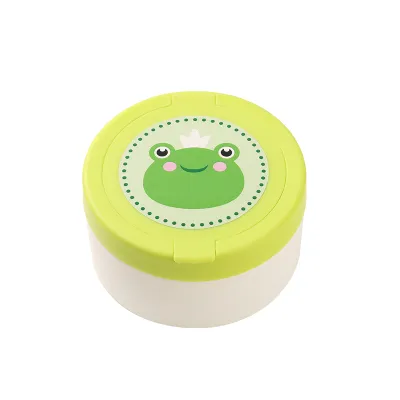
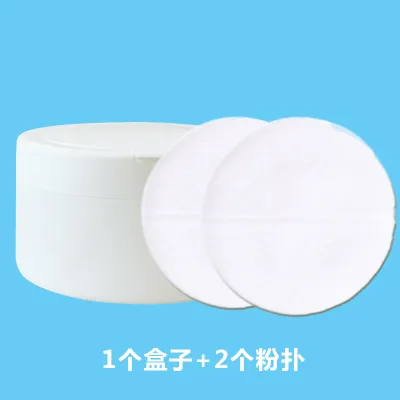
![UnihomSG [ReadyStock] Baby Soft Powder Puff Box With Case cover Cosmetic Powder Puff Talcum Powder Containers](https://img.lazcdn.com/g/p/9aa03aa6979c85f0434299e6f6207d25.jpg_400x400q80.jpg_.webp)
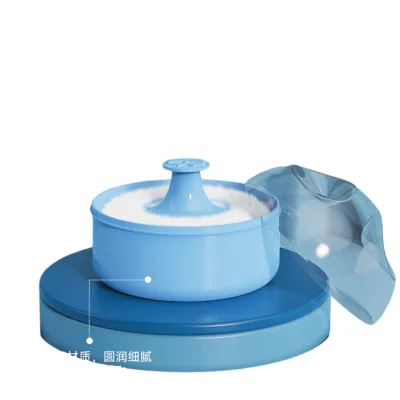
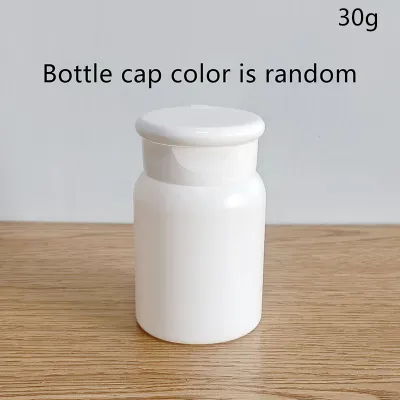
Prices are valid at publication and may change. Please refer to the product page for the latest price.
Before making a purchase, there are three non-negotiable features you should verify on the product packaging or manufacturer’s description:
- Secure Spill-Proof Locking Mechanisms: Look for containers with twist-lock or heavy-duty snap lids that will not pop open if dropped or squeezed inside a packed diaper bag.
- Enclosed or Puff-Based Dispensing: Choose designs that require physical contact to transfer the powder, such as a soft puff that holds the powder within its fibers, rather than open shaker holes.
- Non-Toxic, BPA-Free Materials: Ensure the container is made from food-grade silicone, BPA-free polypropylene, or other certified non-toxic plastics that will not leach harmful chemicals into the powder.
By selecting a container with these core features, you transition away from the hazards of loose, airborne dust. The right design ensures that powder application remains a localized, gentle process rather than a airborne hazard in your nursery.
Critical Safety Features to Prevent Spills and Inhalation
The mechanical design of a body powder container directly influences how safely the product can be applied. Accidental spills are not just messy; they create immediate inhalation hazards for both you and your baby. Evaluating the lid, sifter, and dispensing chamber of a container will help you identify models engineered to prevent these sudden, hazardous powder clouds.

Secure Locking Lids
A reliable container must feature a lid that locks firmly into place. Twist-lock mechanisms are highly effective because they require a deliberate twisting motion to open, making it nearly impossible for the lid to pop off if the container falls from a changing table. Snap-seal lids are another excellent option, provided they have a prominent, secure latch that clicks audibly when closed. These secure closures protect your powder from accidental dumps when the container is jostled inside a diaper bag or knocked over by an active infant.
Controlled Sifter Screens
For containers that use a sifter, the size and distribution of the holes are critical. Fine mesh sifter screens are superior to open-hole designs because they restrict the volume of powder that can pass through at any one time. This restriction prevents large clumps of powder from escaping when the container is inverted. Some advanced models feature adjustable sifters that allow you to dial the opening closed when not in use, adding an extra layer of protection against spills.
Inhalation Prevention Designs
To eliminate airborne dust, look for containers that utilize enclosed dispensing chambers or integrated powder puffs. In these designs, the powder is housed beneath a secure sifter, and a soft puff sits directly on top of the screen. When you press the puff down, it absorbs a controlled amount of powder. The powder remains trapped within the puff’s fibers and is only released when pressed directly against your baby’s skin, keeping the surrounding air clear of dust particles.
Child-Resistant Elements
As babies grow into curious toddlers, they quickly learn to mimic their parents’ actions. A container with child-resistant elements—such as a lid that requires a squeeze-and-turn motion—prevents older siblings from opening the container and playing with the powder. Keeping the powder sealed away from curious hands is vital, as unsupervised toddlers are at a high risk for accidental inhalation incidents if they attempt to shake the powder themselves.
Usability and Design Features for Daily Grooming
While safety is the primary concern, a container must also be practical for daily use. Diaper changes can be fast-paced and unpredictable, requiring you to manage an active baby while reaching for grooming supplies. A user-friendly design ensures you can apply powder quickly and cleanly without compromising your baby’s safety.
Ergonomic and Non-Slip Grips
Bath time and diaper changes often involve wet hands, lotions, or baby oils, making plastic containers slippery and difficult to hold. Look for powder containers designed with textured surfaces, contoured finger grooves, or external silicone sleeves. These ergonomic features provide a secure grip, reducing the likelihood of dropping the container and creating a spill on your bathroom or nursery floor.
One-Handed Operation
Safety guidelines for diaper changes emphasize that you should always keep one hand on your baby to prevent them from rolling or falling off the changing table. Therefore, your powder container must be easily operable with a single hand. Flip-top lids that pop open with the press of a thumb, or squeeze-to-dispense puff chambers, allow you to access and apply the powder safely while keeping your other hand firmly on your infant.
Visibility and Capacity
Managing your baby’s grooming supplies is much easier when you can see exactly how much product is left. Containers with transparent bodies or clear indicator windows allow you to check the powder level at a glance, preventing you from running out unexpectedly. Additionally, consider your usage patterns: a compact, lightweight travel container is ideal for diaper bags during outings, while a larger, high-capacity container is better suited for your stationary home changing table.
Stable Base Design
Changing tables are often cluttered with wipes, diapers, and creams, making stability a key factor for any container. Look for powder dispensers with wide, flat, or weighted bases that resist tipping over when placed on soft or uneven surfaces, such as a changing pad. A stable base ensures the container stays upright and ready for use, even if it is accidentally bumped during a hectic diaper change.
Material Safety and Hygiene Considerations
The materials used to construct your baby powder container must be safe for contact with sensitive infant skin and durable enough to withstand daily wear. Furthermore, the container must protect the powder from environmental factors that can compromise its quality and hygiene.
Non-Toxic Plastics and Silicone
Because the container holds a product applied directly to your baby’s skin, the materials must be completely non-toxic. Prioritize food-grade silicone and plastics certified as BPA-free, phthalate-free, and lead-free. Always inspect the manufacturer’s label or product documentation to verify these material safety claims, and avoid cheap, unbranded plastics that may leach harmful chemical residues into the powder.
Moisture Resistance
In humid tropical climates like Singapore’s, moisture control is a constant challenge. High humidity can easily seep into poorly sealed containers, causing the powder to clump, clog the sifter, and potentially harbor mold or bacterial growth. To prevent this, select a container equipped with an airtight seal, such as a silicone gasket around the rim of the lid, which keeps the interior dry and preserves the powder’s fine texture.
Washable Components
Over time, powder puffs and sifter inserts accumulate skin oils, sweat, and dead skin cells from daily contact with your baby’s body. To maintain proper hygiene, choose a container that can be completely disassembled for cleaning. The sifter should be removable, and any included powder puffs must be machine-washable or easy to hand-wash and dry quickly to prevent the buildup of bacteria.
Durability
Dropped items are inevitable in a busy household. A baby powder container should be made from shatterproof materials, such as high-density polypropylene (PP) or impact-resistant silicone. Avoid fragile materials that can crack, chip, or create sharp edges when dropped on hard tiled floors, as these damaged pieces can pose a physical cut hazard to both you and your baby.
Comparing Common Body Powder Container Types
Different container designs offer varying levels of safety, control, and convenience. Understanding how these types compare helps you select the best option for your family’s specific routine and your baby’s developmental stage.
Shaker Bottles with Sifters
Traditional shaker bottles feature a perforated cap that dispenses powder when the bottle is inverted and shaken. While these are common and inexpensive, they carry the highest risk of inhalation because they inevitably release a cloud of fine dust into the air. If you choose to use a shaker bottle, it is best reserved for older toddlers or adults, and it must be used with extreme caution around infants to prevent them from breathing in the airborne particles.
Powder Puff Containers
Powder puff containers feature a wide-mouth jar with a sifter plate and a soft, plush puff sitting on top. This design is widely considered the safest option for newborns and infants. The puff acts as a physical barrier that absorbs the powder directly from the sifter; when you pat the puff onto your baby’s skin, the powder is transferred with minimal dust escaping into the air, keeping the breathing zone clear.
Pump or Press Dispensers
Mechanical pump dispensers use a spring-loaded nozzle to spray a highly targeted, controlled stream of powder. This style offers excellent precision, allowing you to apply powder directly to specific skin folds without creating a widespread cloud. However, these mechanical parts can be more challenging to clean and sanitize thoroughly, and they may clog if any moisture enters the nozzle mechanism.
Container Comparison Table
To help you weigh your options, the table below compares these three common container designs across key safety and usability dimensions:
| Container Type | Inhalation Risk Level | Spill Resistance | Best Use Case | Ease of Cleaning |
|---|---|---|---|---|
| Powder Puff Container | Low | Moderate | Newborns & Infants | Easy (removable puff & sifter) |
| Pump or Press Dispenser | Low to Moderate | High | Targeted application, Travel | Moderate (requires nozzle flushing) |
| Shaker Bottle | High | Low to Moderate | Older Toddlers & Adults | Easy (simple wash) |
Safe Application Practices for Baby Powder
Even with the safest container, your application technique plays a vital role in protecting your baby from harm. Following established pediatric safety guidelines ensures that you minimize any remaining risks associated with powder use.
The "Hand-First" Rule
Never shake or dispense powder directly onto your baby’s body. Instead, step slightly away from your baby and dispense a small amount of powder into your own hand or onto a clean powder puff. Rub your hands together gently to settle any loose dust, and then gently pat the powder onto your baby’s skin folds. This technique keeps the powder concentrated exactly where it is needed and prevents a sudden cloud of dust from forming near your baby’s face.
Storage and Supervision
Always store your powder container completely out of reach of babies and young children. When performing a diaper change, never leave the container open or within your baby’s grasp on the changing table. Once you have finished applying the powder, immediately secure the locking lid and place the container in a high cabinet or drawer where children cannot access it.
Monitoring and Stopping Use
Keep a close eye on your baby during and after powder application. If you notice any signs of respiratory irritation, such as coughing, sneezing, wheezing, or shallow breathing, stop using the powder immediately and clear the air in the room. Additionally, inspect your baby’s skin regularly; if you notice any redness, dryness, or localized skin irritation, discontinue use and wash the area clean with mild soap and water.
Professional Consultation
Before introducing baby powder to your routine, consult your pediatrician, especially if your baby has a history of asthma, sensitive skin, or other respiratory conditions. Never apply powder to broken skin, open sores, or severe diaper rashes, as the fine particles can trap moisture and bacteria, worsening the irritation. Your pediatrician can advise you on safe alternatives or recommend specific, pediatric-approved skin protectants for your baby’s needs.
Frequently Asked Questions (FAQ)
Can I reuse an empty body powder container for homemade baby powder?
Reusing an empty container is possible, but it requires strict hygiene and preparation to ensure it is safe for your baby. You must thoroughly wash and sterilize the container and all its components to remove any old powder residue, skin oils, or bacteria. After washing, every part must be allowed to dry completely; even a tiny amount of lingering moisture will cause your new powder to clump, clog the sifter, and encourage mold growth. Additionally, verify that the container is made of a stable, non-reactive plastic like polypropylene, and never reuse a container that previously held non-cosmetic, household, or chemical products.
Are silicone powder puffs safer or more hygienic than cotton ones?
Both materials have distinct advantages, and your choice depends on your cleaning routine and local climate. Silicone powder puffs are highly hygienic because their non-porous surfaces do not absorb oils or sweat, making them incredibly easy to wipe clean and sanitize. They also dry almost instantly, which is highly beneficial in humid environments like Singapore where damp fabrics can quickly grow mold. Cotton puffs, on the other hand, are softer and hold powder more effectively, providing a classic, gentle application. However, cotton puffs require frequent machine-washing and must be dried thoroughly in a well-ventilated area to maintain proper hygiene.
Community discussion
Share your experience or ask a question. Comments are reviewed before publication.