
When shopping for baby bath stands in Singapore, you will not find any legitimate brands carrying Health Sciences Authority (HSA) certification. This is because the HSA does not certify standard consumer baby products like bath stands, tubs, or supports. Instead, the HSA is responsible for regulating health products, medical devices, cosmetics, and health supplements. Baby bath stands are classified as general consumer goods, meaning their safety is governed by consumer product safety regulations rather than medical device standards.
Understanding this distinction is crucial for parents navigating the nursery market. If a seller or brand claims their baby bath stand is “HSA certified” or “HSA approved,” this is a significant red flag. Such claims are often misleading marketing tactics designed to exploit a parent’s desire for safety. To make an informed and secure purchase, caregivers must look for the correct safety standards and regulatory frameworks that actually apply to nursery furniture in Singapore.
By focusing on genuine consumer product safety standards, structural integrity, and proper usage guidelines, you can ensure a secure bathing environment for your infant. This guide clarifies the regulatory landscape in Singapore, outlines the physical safety features to evaluate, and provides actionable steps to verify product compliance before making a purchase.
Products mentioned in this guide
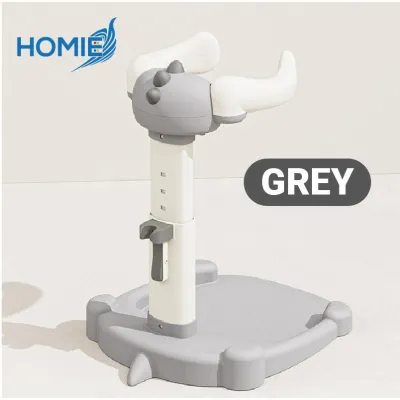
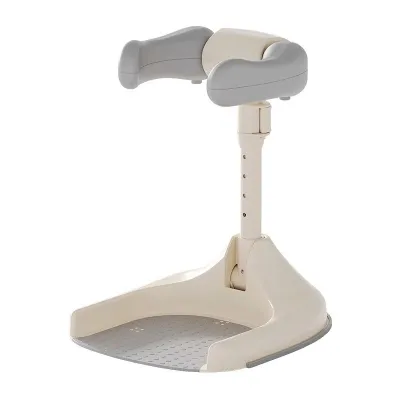
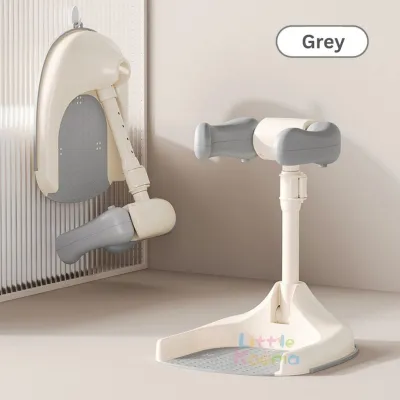
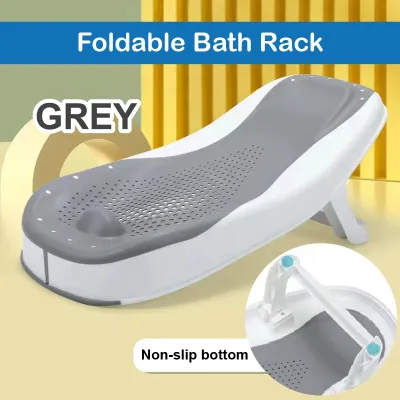
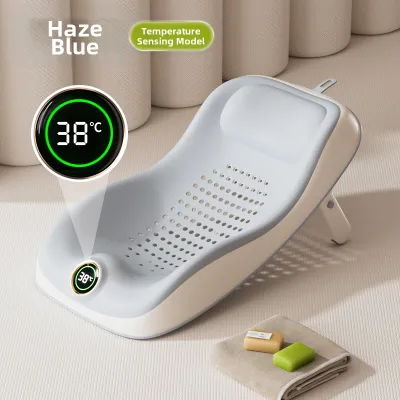
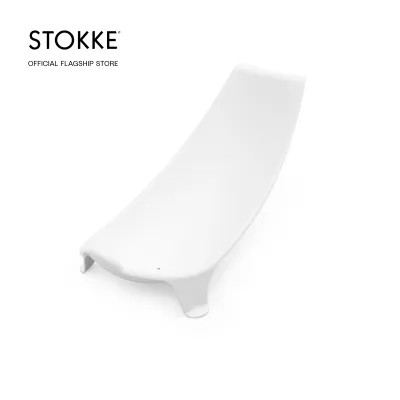
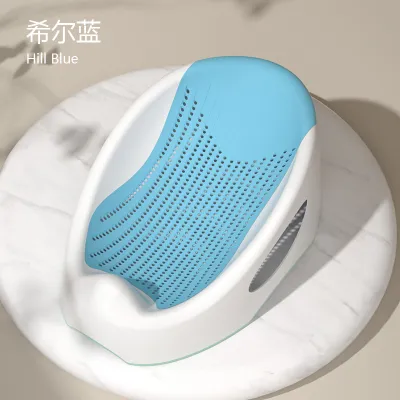

Prices are valid at publication and may change. Please refer to the product page for the latest price.
Navigating Safety Certifications for Baby Bath Equipment in Singapore
The Health Sciences Authority (HSA) regulates products that have a therapeutic, medical, or cosmetic purpose. Because a standard baby bath stand is designed for general hygiene and convenience rather than medical treatment, it falls entirely outside the HSA’s regulatory scope. Consequently, no reputable manufacturer of standard baby bath stands will seek or obtain HSA certification for their products.
In Singapore, the safety of general consumer goods is overseen by the Consumer Product Safety Office (CPSO), which is safeguarded under Enterprise Singapore. The CPSO ensures that consumer products sold locally comply with the Consumer Protection (Consumer Goods Safety Requirements) Regulations (CGSR). Under these regulations, general consumer goods like baby bath stands must meet applicable international safety standards to be legally sold in the market.
While some household electrical appliances and gas accessories require the prominent blue “Safety Mark” to be sold in Singapore, general nursery furniture does not carry this specific mark. Instead, manufacturers and importers must ensure their products comply with recognized international safety requirements. This compliance is typically documented in safety test reports from accredited independent laboratories rather than a visible local certification sticker.
Parents should remain highly skeptical of online listings on e-commerce platforms that use medical jargon or unauthorized certification claims to promote baby gear. Legitimate brands will readily provide documentation or clear packaging labels indicating compliance with established international safety standards. Verifying these international standards is the most reliable way to ensure a bath stand has undergone rigorous physical and chemical safety testing.
Key Safety Features to Evaluate in a Baby Bath Stand Support
When evaluating a baby bath stand, structural stability must be your primary consideration. A high-quality stand should feature a wide, stable base footprint that distributes weight evenly across the floor. A narrow base increases the risk of the stand tipping over when the bath tub is filled with water and the baby is moving inside it.

Anti-slip feet are essential for maintaining traction on wet bathroom tiles. Look for stands equipped with robust, high-friction rubber or silicone feet that grip the floor securely. Avoid stands with hard plastic feet, as these can easily slide on soapy or wet surfaces, compromising the stability of the entire setup during bath time.
Foldable bath stands must feature a secure, positive locking mechanism that prevents accidental folding or collapse. This mechanism typically consists of a safety latch, pin, or double-lock system that must be manually disengaged to fold the frame. Inspect the locking joints physically to ensure they engage tightly and do not wobble when lateral pressure is applied.
Caregivers must always verify the manufacturer-specified weight and age limits for both the bath stand and the compatible tub. These limits are determined through structural load testing and must match your baby’s current developmental stage. Never assume a stand is suitable for your child based solely on the product name; always consult the official instruction manual for precise weight thresholds.
Material safety is another critical factor, particularly in Singapore’s hot and humid climate. The metal frame of the stand should be constructed from rust-resistant materials, such as powder-coated steel, high-grade aluminum, or stainless steel. Constant exposure to water and humidity can cause low-quality metals to rust rapidly, weakening the joints and posing a structural failure risk.
Any plastic components, such as connectors, brackets, or the accompanying bath tub, must be made from non-toxic, BPA-free, and phthalate-free materials. The surfaces should be smooth, with rounded edges and no sharp corners or crevices where mold and bacteria can accumulate. Easy-to-clean materials ensure that the bathing environment remains hygienic with minimal maintenance.
How to Verify Product Compliance and Avoid Unsafe Listings
To confirm that a baby bath stand is safe, look for specific international safety standards printed on the packaging or detailed in the product specifications. The most common and respected standard for baby changing and bathing units is the European standard EN 12221 (specifically EN 12221-1 and EN 12221-2). This standard covers structural stability, strength, materials, and the prevention of finger entrapment.
Another widely recognized standard is ASTM F2674 or ASTM F2930, which are American standards establishing safety specifications for infant bath tubs and associated supports. Compliance with these standards indicates that the product has undergone rigorous testing for load-bearing capacity, tip-resistance, and chemical safety. If a listing does not mention any recognized international standards, request verification from the seller or choose a different product.
Before purchasing any baby equipment, it is wise to cross-reference the brand and model with product safety databases. The CPSO regularly publishes safety alerts, consumer advisories, and product recall notices on its official website. Checking these resources helps you avoid purchasing models that have been flagged for safety defects, structural failures, or chemical hazards.
To minimize the risk of buying counterfeit or non-compliant items, always purchase baby bath stands from authorized distributors, reputable department stores, or official brand stores on online marketplaces. Avoid buying from unauthorized third-party sellers who cannot provide clear product documentation, manufacturer warranties, or proof of compliance with international safety standards.
Safe Setup and Active Supervision Guidelines
No safety certification, structural feature, or high-end brand can replace active, hands-on adult supervision. Drowning can occur in as little as two centimeters of water and in a matter of seconds. A caregiver must maintain “touch supervision” at all times during bath time, meaning you must remain within arm’s reach of the baby and keep your eyes on them constantly.
Never leave your baby unattended in the bath stand for any reason, even for a brief moment to answer the door, retrieve a towel, or pick up a phone. If you must leave the bathroom, wrap your baby in a towel and take them with you. Do not rely on older siblings or bath seat inserts to keep the baby safe; active adult monitoring is non-negotiable.
Proper setup of the bath stand is critical to preventing accidents. Always place the stand on a completely flat, level, and dry floor surface. Ensure the area surrounding the stand is clear of hazards, such as electrical cords, wall outlets, water heater switches, or sharp bathroom fixtures. Never place the stand on an elevated surface like a countertop, table, or bed.
Before placing your baby in the tub, double-check that the stand’s locking mechanisms are fully engaged and that the tub is seated securely on the frame. Mismatched tubs and stands can slip or tip, so only use tubs that are explicitly certified as compatible by the manufacturer. Fill the tub with water first, check the temperature (ideally between 37°C and 38°C), and ensure the water level is appropriate for your baby’s size.
Caregivers must establish clear stop-use conditions to prevent structural failures or tipping incidents. Inspect the stand regularly for signs of wear and tear, such as loose rivets, hairline cracks in plastic joints, or rust on the metal frame. If any component appears compromised, discontinue use immediately and do not attempt temporary DIY repairs.
Additionally, you must stop using the bath stand as soon as your baby reaches the manufacturer’s maximum weight limit or begins to show signs of physical mobility. Once an infant can roll over, sit up independently, or attempt to pull themselves up using the sides of the tub, the risk of tipping the stand increases dramatically. At this developmental stage, transition to bathing your baby in a standard tub placed directly on the bathroom floor.
Frequently Asked Questions (FAQ)
Do I need a doctor's prescription for a specialized baby bath support?
Standard consumer baby bath stands and supports do not require a doctor’s prescription, as they are general consumer goods sold directly to the public. However, if your infant has specific medical conditions, physical developmental delays, or specialized physical needs, you should consult a pediatrician or an occupational therapist. These healthcare professionals can assess your child’s unique requirements and recommend specialized adaptive bathing equipment, which may indeed be classified as medical devices and require professional guidance for safe use.
Are second-hand baby bath stands safe to use?
While purchasing pre-owned baby gear can be cost-effective, second-hand baby bath stands carry inherent safety risks. Used stands may have hidden structural fatigue, micro-cracks in the plastic joints, missing screws, or worn-out rubber feet that compromise stability. Furthermore, older models may not comply with the latest international safety standards or may have been subject to manufacturer recalls that the previous owner was unaware of. For optimal safety assurance, purchasing a new, fully compliant bath stand from an authorized retailer is highly recommended. If you must use a second-hand stand, perform a meticulous inspection of all joints, locking mechanisms, and structural components before use.
Community discussion
Share your experience or ask a question. Comments are reviewed before publication.