
If you are searching for an HSA-certified baby bath stand in Singapore, it is important to clarify a common regulatory misunderstanding right away: the Health Sciences Authority (HSA) does not certify, register, or approve baby bath stands or general nursery furniture. The HSA is responsible for regulating health products, including medical devices, therapeutics, cosmetics, and health supplements. A baby bath stand is classified as general nursery furniture, meaning its safety is governed by consumer product safety frameworks and international standards rather than medical device registries.
To ensure your baby’s safety during daily use, you must look beyond misleading marketing claims of “HSA approval” and instead focus on recognized international safety certifications and structural safety checks. By understanding which regulatory bodies actually oversee these products and knowing how to evaluate a stand’s physical design, you can confidently choose a secure, stable, and reliable bathing setup for your home.
Clarifying Safety Certifications: HSA vs. Actual Standards for Bath Stands
Because the Health Sciences Authority focuses strictly on medical and health-related products, standard baby furniture like bath and shower stands does not fall under its jurisdiction. When a seller or brand claims their baby bath stand is “HSA-certified,” this is typically a misleading marketing tactic designed to exploit a parent’s desire for safety. Relying on such claims can prevent you from verifying the actual engineering standards that keep a physical stand stable and secure.
Products mentioned in this guide
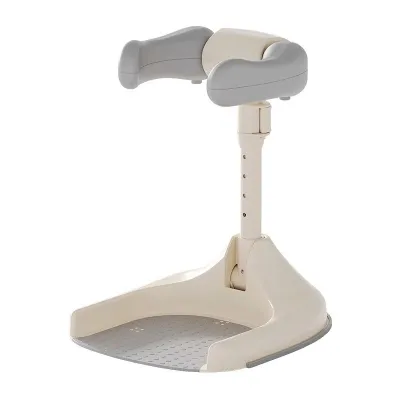
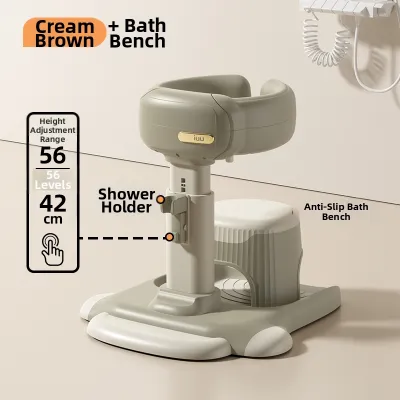
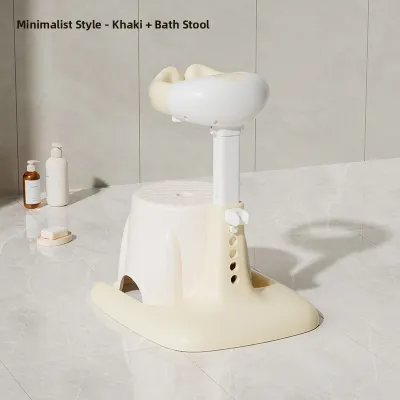
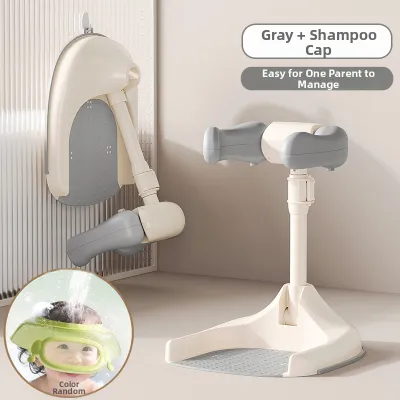

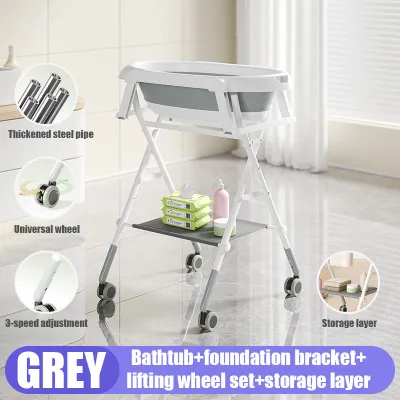
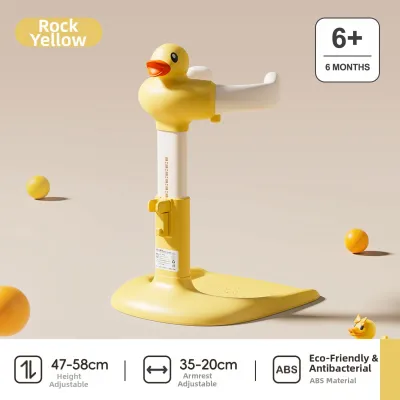
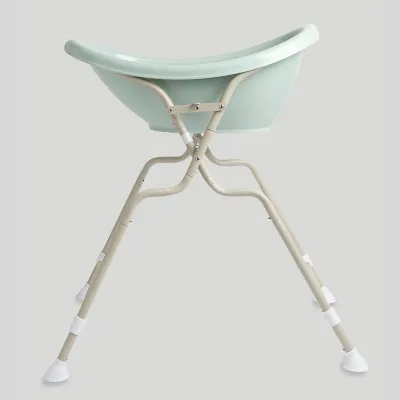
Prices are valid at publication and may change. Please refer to the product page for the latest price.
In Singapore, consumer product safety is overseen by the Consumer Product Safety Office (CPSG), which operates under Enterprise Singapore. While the CPSG maintains a specific registry for “Controlled Goods”—which primarily includes household electrical appliances, gas accessories, and toys—general nursery furniture like bath stands falls under the broader category of general consumer goods. These products are regulated under the Consumer Protection (Fair Trading) Act and are expected to meet established safety requirements before they can be sold locally.
Instead of looking for HSA labels, you should verify that a baby bath stand complies with recognized international safety standards. The most relevant benchmark is the European Standard EN 17072, which specifically outlines safety requirements and test methods for children’s bath tubs, stands, and non-standalone bathing aids. Another common standard is EN 12221, which governs changing units for domestic use and frequently applies to multi-functional bath-and-change stands. In the United States, the ASTM F2930 standard provides rigorous safety specifications for baby bath seats and related equipment. These standards test for structural integrity, load-bearing capacity, tip-over hazards, and the chemical safety of the materials used.
Key Structural and Material Features to Check Before Purchase
When evaluating a baby bath and shower stand, a physical inspection of its structural design is your most reliable safety measure. Because Singapore homes, particularly HDB flats, often feature compact bathrooms, space constraints are a major consideration. However, safety must never be compromised for a smaller footprint, and the stand must be robust enough to handle both the weight of the water and your baby’s movements.

First, evaluate the base width and overall footprint of the stand. A wider base provides a lower center of gravity, which significantly reduces the risk of the stand tipping over when filled with water. The stand must fit comfortably within your designated bathing area—whether that is inside a shower stall, a bathtub, or a dedicated wet area—without any of the legs resting on uneven surfaces, drainage grates, or sloping floor tiles.
Next, inspect the anti-slip foot pads. In a wet bathroom environment, standard plastic feet can easily slide on soapy tiles. Look for stands equipped with heavy-duty, textured rubber or thermoplastic elastomer (TPE) foot pads. These materials grip wet surfaces securely, preventing the stand from shifting when you lean against it or when the baby splashes.
For foldable frames, the locking mechanism is a critical safety feature. A high-quality stand should feature a dual-action locking system or a physical safety pin. This design ensures that the stand cannot accidentally collapse if it is bumped or if the locking lever is nudged during use. The hinges should operate smoothly but lock with a distinct, audible click that confirms they are fully engaged.
Material safety is another vital factor, especially given Singapore’s hot and humid climate. Bathrooms are prone to high humidity, which accelerates rust on metal components and encourages mold growth on porous materials. Ensure the frame is constructed from rust-resistant materials, such as powder-coated steel, anodized aluminum, or high-grade stainless steel. Any plastic components, including the tub itself and joint connectors, must be made of thick, durable, BPA-free, and phthalate-free plastics. If the stand includes a fabric or mesh sling, verify that the material is quick-drying, mold-resistant, and machine-washable to prevent the accumulation of bacteria and mildew.
Finally, consider caregiver ergonomics and the baby’s positioning. One of the primary benefits of a bath stand is that it elevates the tub, preventing the caregiver from having to bend over or kneel on the floor. This significantly reduces lower back strain. However, the stand’s height must align with your own height; you should be able to support your baby comfortably without straining your shoulders or wrists. Additionally, the stand must hold the bath tub at an angle that supports the baby’s natural recline, ensuring their head remains safely above the water level and their airway is completely unobstructed.
How to Verify Compliance and Avoid Non-Standard Products
With numerous brands available on various online marketplaces and retail stores, verifying safety claims is essential to protect your infant. Do not rely solely on product descriptions or marketing slogans. Instead, take active steps to confirm a product’s safety credentials.
Start by looking for physical certification labels on the product itself or within its official documentation. Legitimate manufacturers will clearly print the safety standards they comply with, such as “EN 17072” or “ASTM F2930,” on a permanent tracking label attached to the frame, in the user manual, or on the packaging. If a brand claims to be certified but cannot provide the specific standard code or a copy of the test report upon request, treat that claim with caution.
Next, cross-reference the specific model with international safety databases and manufacturer recall notices. Organizations such as the US Consumer Product Safety Commission (CPSC), the European Union’s Safety Gate, and Enterprise Singapore’s safety alerts regularly publish recall notices for nursery equipment that has failed safety tests or caused injuries. Before purchasing a bath stand, search these databases using the brand and model name to ensure the product has not been flagged for structural failures, tipping hazards, or chemical risks.
To minimize the risk of purchasing counterfeit or non-standard products, prioritize buying from authorized local retailers, official brand stores, or reputable department stores in Singapore. While parallel imports on third-party e-commerce platforms may sometimes appear more cost-effective, they often bypass local quality control checks and may lack genuine safety certifications. Purchasing from an authorized local source also ensures that you have access to reliable customer support, accurate assembly instructions in English, and a valid manufacturer’s warranty should any component fail.
Daily Setup, Inspection, and Supervision Rules for Safe Bathing
Even the most highly certified baby bath stand can become hazardous if it is set up incorrectly or used without proper care. Establishing strict daily habits and maintenance routines is essential to ensure a safe bathing environment.
Before every single bath, perform a quick pre-use stability check. Ensure the stand is placed on a completely flat, dry, and stable floor. Avoid placing the stand near drainage slopes or on wet, soapy tiles where friction is reduced. Open the frame fully and physically press down on the stand to verify that all safety locks and hinges are completely engaged and that there is no wobbling. Only after confirming the stand’s stability should you place the tub on top and fill it with water.
Conduct routine physical inspections of the stand at least once a week. Check all joints, screws, and rivets to ensure they remain tight and secure. Inspect the rubber foot pads for signs of wear, cracking, or loss of grip. Examine plastic components for stress marks, which appear as lighter-colored lines where the plastic may be weakening, and check metal parts for any signs of rust or corrosion. If you notice any structural degradation, loose parts that cannot be tightened, or torn fabric supports, discontinue use immediately and contact the manufacturer or distributor.
The most critical rule of baby bathing is the absolute necessity of continuous, arms-reach adult supervision. A baby bath stand elevates the tub to waist height, which means a fall from this height carries a much higher risk of serious injury than a slip in a tub placed directly on the bathroom floor. Infants can drown in as little as two centimeters of water, and they can lose balance or slip under the water in a matter of seconds. Never leave your baby unattended in the bath stand for any reason—not even for a split second to answer the door, retrieve a forgotten towel, or grab a phone. If you must leave the bathroom, wrap your baby in a towel and take them with you.
Frequently Asked Questions (FAQ)
Is it safe to place a baby bath stand on top of a regular table or bed?
No, it is highly unsafe to place a baby bath stand on top of an elevated surface like a table, countertop, or bed. These surfaces are not designed to support the combined, shifting weight of a stand, a tub filled with water, and a moving baby. Placing a stand on a soft surface like a bed can cause the legs to sink unevenly, leading to an immediate tip-over hazard. On hard elevated surfaces like tables, there is a severe risk of the stand sliding off the edge due to water splashes or the baby’s movements. Always place the bath stand directly on a flat, hard, and dry floor as specified by the manufacturer.
When should I transition my baby out of a bath stand?
You should transition your baby out of a bath stand as soon as they reach the maximum weight limit specified in the product’s user manual, or when they hit key developmental milestones—whichever comes first. Generally, once a baby starts showing signs of increased mobility, such as rolling over, pushing up on their hands and knees, or attempting to sit up unassisted, using an elevated bath stand becomes highly dangerous. A moving, active baby can easily shift the center of gravity, causing the stand to wobble or tip. At this stage, it is time to transition to bathing your baby in a standard tub placed directly on the bathroom floor.
Community discussion
Share your experience or ask a question. Comments are reviewed before publication.