
Selecting a baby changing mat is one of the most frequent daily interactions you will have during your child’s infancy. While many products on the market are advertised under the broad category of “rubber changing mats,” the actual materials used can vary significantly, ranging from pure natural tree rubber to synthetic blends, polyurethane, or polyvinyl chloride (PVC). For parents in Singapore, navigating these options requires a clear understanding of material safety, physical design, and how the local tropical climate affects product maintenance.
Making an informed decision means looking beyond attractive marketing terms and focusing on verifiable product specifications. A high-quality changing mat must provide a secure, comfortable, and chemically safe environment for your baby during diaper changes. By understanding what to look for on product labels, how to identify genuine safety certifications, and how to evaluate practical design features, you can confidently select a mat that fits your nursery setup and protects your child’s sensitive skin.
Understanding "Rubber" in Baby Changing Mats: Material Verification
When browsing online marketplaces or local baby boutiques in Singapore, you will frequently encounter the term “rubber” used as a catch-all descriptor. However, the physical properties, environmental impact, and safety profiles of these materials differ substantially. To make a safe purchase, caregivers must learn to distinguish between natural rubber, synthetic alternatives, and coated foam products.
Products mentioned in this guide
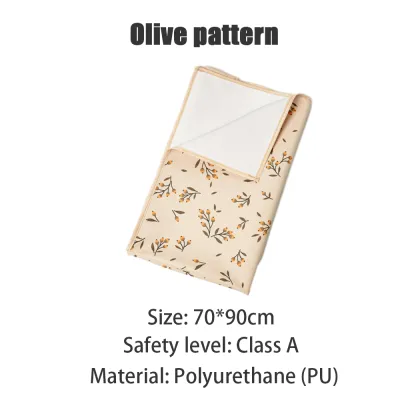
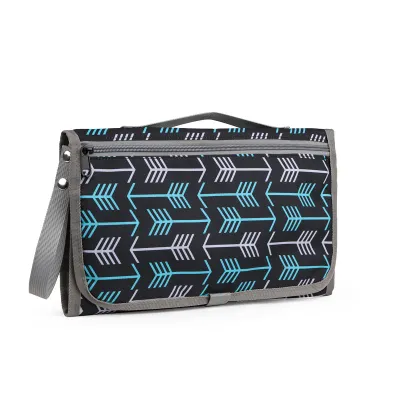
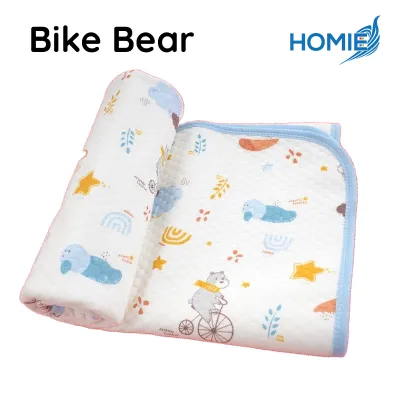
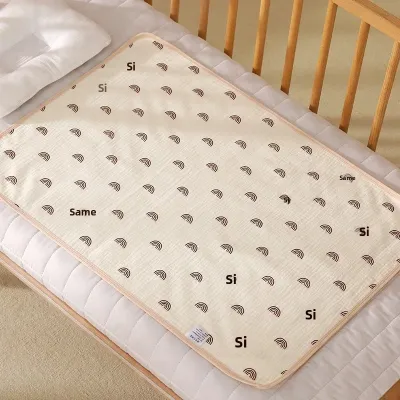
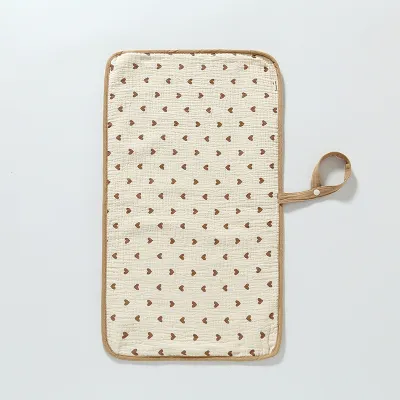
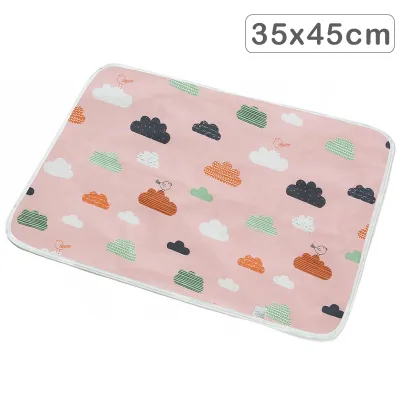
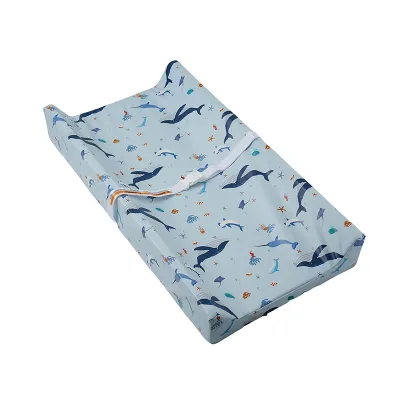
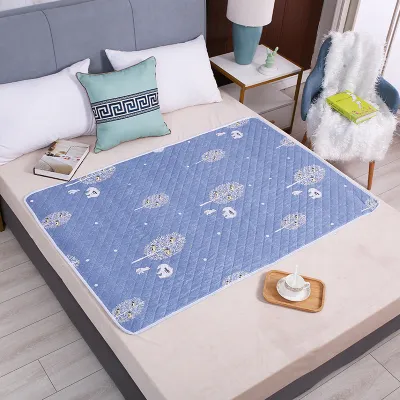
Prices are valid at publication and may change. Please refer to the product page for the latest price.
Natural Rubber vs. Synthetic Alternatives
Natural rubber is harvested from the sap of rubber trees, making it a renewable and biodegradable resource. It is highly valued for its natural elasticity, heavy weight, and robust durability. Because natural rubber is inherently dense, mats made from this material tend to stay firmly in place on a changing table without sliding. However, natural rubber has a distinct, slightly sweet organic scent when new, and it can occasionally trigger reactions in infants with latex sensitivities.
Synthetic rubber, such as nitrile or neoprene, is engineered from petroleum-based compounds to mimic the properties of natural rubber. These synthetic alternatives are highly resistant to oils, moisture, and chemical degradation, and they generally lack the strong natural odor associated with tree rubber. While they are highly durable and lightweight, they do not offer the same biodegradable benefits as natural rubber.
Reading the Fine Print on Product Labels
Many products marketed as “rubber changing mats” are actually made of polyurethane (PU) foam or polyester cores finished with a water-resistant “rubberized” or polyurethane coating. While these mats are lightweight and easy to clean, they are structurally different from solid rubber mats. To verify what you are actually buying, always locate the manufacturer’s technical specification sheet or the physical product label.
Look for a clear percentage breakdown of the materials used in both the core and the outer cover. Avoid products that use vague terms like “rubber-like feel” or “synthetic blend” without specifying the exact chemical compounds. If a brand does not disclose its complete material composition, it is best to contact the manufacturer directly or choose an alternative product that offers full transparency.
Essential Safety Standards and Chemical Checks
Because an infant’s skin is thin and highly permeable, minimizing exposure to potentially harmful chemicals is a primary concern for parents. Changing mats are in direct contact with your baby multiple times a day, making chemical safety a non-negotiable factor in your purchasing decision.

Key Chemical Clearances to Look For
When evaluating a changing mat, check the product packaging and official descriptions for explicit “free-from” claims. The mat should be certified as free from phthalates, bisphenol A (BPA), lead, and heavy metals. Phthalates are plasticizers often used to make PVC plastics flexible, but they are known endocrine disruptors. Lead and other heavy metals can sometimes be found in low-quality pigments or stabilizers, so verifying their absence is crucial for long-term safety.
Understanding Independent Certifications
Rather than relying solely on a brand’s self-declared marketing claims, look for independent, third-party safety certifications. These organizations conduct rigorous laboratory testing to verify that products meet strict chemical safety standards.
- OEKO-TEX Standard 100: This certification ensures that every component of the product, from the outer fabric to the threads and coatings, has been tested for harmful substances and is safe for infant use.
- GREENGUARD Gold: This standard focuses on chemical emissions, certifying that the product meets strict limits for volatile organic compounds (VOCs), which helps maintain healthy indoor air quality in your nursery.
Because certifications can change or expire, parents should treat these labels as items to verify. You can often check the validity of a certification by entering the manufacturer’s unique certificate number into the official OEKO-TEX or GREENGUARD online databases.
Warning Labels and Usage Limits
Always locate and read the manufacturer’s warning labels, age recommendations, and weight limits before using a changing mat. Some mats are designed strictly for newborns, while others can accommodate older, heavier infants. Stop using a specific changing mat immediately if your baby exceeds the manufacturer’s stated weight limit or becomes highly mobile and capable of rolling off the mat’s edges. Remember that safety features like raised sides are designed to assist caregivers, but they never replace active, hands-on supervision.
Evaluating Design, Comfort, and Practical Features
A changing mat must be highly functional to handle the daily realities of diaper changes. Evaluating the physical design, comfort level, and stability of the mat will ensure a smoother experience for both you and your baby.
Density, Thickness, and Support
The mat should provide adequate cushioning to protect your baby’s head and spine from the hard surface of a dresser or changing table. When checking product specifications, look for the exact thickness measurements. A mat that is too thin or made of low-density foam will easily bottom out under your baby’s weight, causing discomfort. Conversely, a mat that is too soft may not provide the stable, flat surface needed for safe changing. Opt for high-density natural rubber or firm, supportive foam cores that maintain their shape under pressure.
Safety Contours and Surface Textures
Many modern changing mats feature contoured edges or raised side bumpers. These raised sides are designed to help keep your baby centered on the mat and discourage sudden rolling. While these contours provide an extra layer of security, they are not safety guarantees. You must keep at least one hand on your baby at all times during a diaper change.
The surface texture of the mat is equally important. In Singapore’s warm and humid climate, a completely smooth, glossy plastic surface can feel sticky and uncomfortable against a baby’s bare skin. Look for a mat with a matte, slightly textured finish that prevents sticking while remaining completely waterproof. The texture should be subtle enough that it does not trap dirt, liquid, or cream, allowing for quick and easy cleanup.
Base Grip and Stability
A sliding changing mat poses a significant safety risk. Before buying, evaluate the design of the mat’s base. High-quality natural rubber mats are naturally heavy and slip-resistant, but lighter synthetic or coated foam mats require specific design features to stay secure. Look for mats that feature a textured, high-friction bottom pattern, integrated rubber feet, or safety straps that secure the mat directly to your changing table or dresser.
Cleaning, Maintenance, and Care Requirements
Proper maintenance is essential to keep your baby’s changing mat hygienic and to extend its lifespan. Because Singapore experiences high relative humidity year-round, parents must pay extra attention to moisture control to prevent the growth of mold and mildew.
Daily Cleaning and Mold Prevention in Humid Climates
Always follow the specific cleaning instructions provided by the manufacturer. For daily maintenance, a simple wipe-down with a damp cloth and mild, baby-safe soap is usually sufficient. Avoid using harsh chemical disinfectants, bleach, or abrasive scrubbing pads, as these can strip away protective waterproof coatings, degrade natural rubber, or leave behind chemical residues that could irritate your baby’s skin.
After cleaning, ensure the mat is completely dry before using it again or storing it. In Singapore’s humid environment, moisture trapped beneath or within the folds of a changing mat can quickly lead to mold growth. Wipe the mat dry with a clean towel and allow it to air-dry in a well-ventilated, shaded area. Avoid exposing natural rubber mats to direct sunlight, as prolonged UV exposure can cause the material to dry out, crack, discolor, and lose its natural elasticity.
Identifying When to Replace Your Mat
Regularly inspect your changing mat for visible signs of wear and tear. Over time, constant cleaning and exposure to moisture can cause materials to degrade. Look closely for cracking, peeling, stickiness, deep stains, or persistent odors that do not disappear after cleaning. If the outer waterproof barrier cracks or peels, moisture can penetrate the inner core, creating an environment where bacteria and mold can thrive unseen. If you notice any of these signs of structural compromise, replace the mat immediately to maintain a safe and hygienic changing environment.
Building Your Shortlist: A Pre-Purchase Comparison Checklist
Before making your final purchase, synthesizing your options into a practical comparison checklist will help you choose the best mat for your specific home setup.
- Measure Your Changing Surface: Before browsing, measure the exact length and width of your changing table, dresser top, or designated changing area. The mat must fit entirely within this space without overlapping the edges, which could cause it to tip or slide.
- Weigh the Material Trade-offs: Decide whether natural rubber, synthetic rubber, or a coated foam mat best suits your lifestyle. Natural rubber offers excellent eco-friendly credentials and weight but is heavier and requires careful drying. Coated foam is highly portable and lightweight but may require extra securing mechanisms to prevent sliding.
- Assess Portability Needs: Determine if the mat will remain stationary in a nursery or if you need a flexible, rollable option that can easily travel with you or be moved between different rooms in your home.
- Verify Retailer Policies and Support: Before finalizing your purchase from a local retailer or online marketplace, verify their return policies, warranty terms, and customer service channels. Ensure you can easily return or exchange the product if it arrives with manufacturing defects or does not fit your changing surface as expected.
Frequently Asked Questions (FAQ)
Can I use a standard rubber yoga mat or craft mat as a baby changing mat?
No, you should not use standard rubber yoga mats or craft mats as baby changing mats. Products that are not specifically designed and tested for infant care often lack the necessary safety certifications, chemical testing, and physical design features required for babies. Yoga and craft mats may contain chemical additives, flame retardants, or phthalates that are unsafe for direct contact with an infant’s sensitive skin. Additionally, they lack the supportive cushioning, contoured safety edges, and easy-to-sanitize waterproof surfaces that dedicated baby changing mats provide. Always use products explicitly approved by the manufacturer for infant changing.
How do I stop a rubber changing mat from sliding on the dresser?
To prevent a changing mat from sliding, first check if the product has a built-in non-slip base or integrated rubber feet. If the mat continues to slide, you can use manufacturer-recommended non-slip pads, such as those designed for rugs, placed directly beneath the mat. Some changing mats also come equipped with safety straps that can be screwed or buckled directly to the back of your changing table or dresser. Never use unapproved industrial adhesives, double-sided tapes, or glues, as these can permanently damage your furniture, degrade the mat’s material, and release harmful chemical fumes into your nursery.

Community discussion
Share your experience or ask a question. Comments are reviewed before publication.