
Finding the perfect diaper changing setup is a major milestone when preparing your nursery. In Singapore, where high humidity and warm temperatures are the norm, parents need a changing surface that is not only comfortable for their baby but also exceptionally hygienic and easy to maintain. The search for a rubber changing mat often leads to a variety of materials, including natural rubber, synthetic rubber, and modern elastomeric foams. This guide is designed to help you navigate these material differences, understand the unique benefits of rubber, and establish a clear set of criteria to choose the safest, most durable option for your home.
Rubber changing mats have surged in popularity due to their outstanding durability and waterproof nature. Unlike traditional fabric-covered mats that require frequent machine washing, a rubber mat can be wiped clean and sanitized in seconds, saving busy parents valuable time. Additionally, rubber mats tend to be heavier and more substantial than cheap foam alternatives, providing a stable and secure base that is less likely to shift during active diaper changes.
However, there are a few material-specific characteristics to keep in mind. Rubber can feel cool to the touch, which might startle a newborn, especially in an air-conditioned nursery. Over time, some lower-quality rubber blends may also experience edge curling or warping if they are exposed to improper cleaning agents or direct sunlight.
Products mentioned in this guide
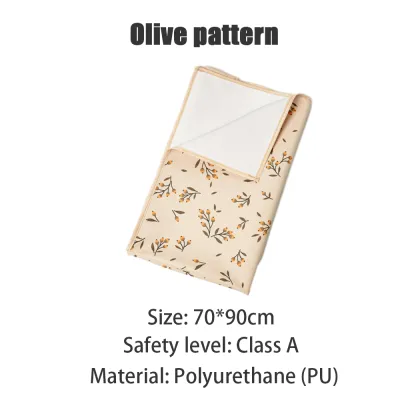
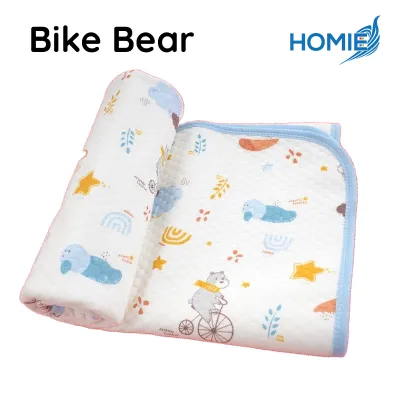
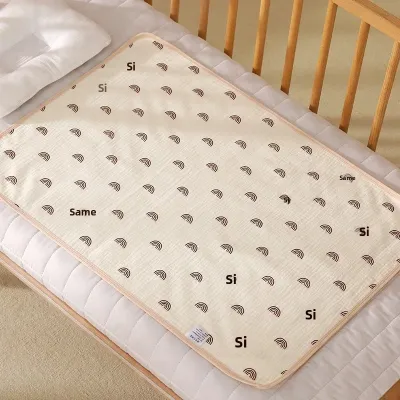
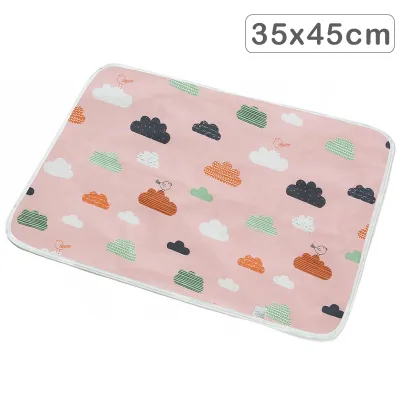
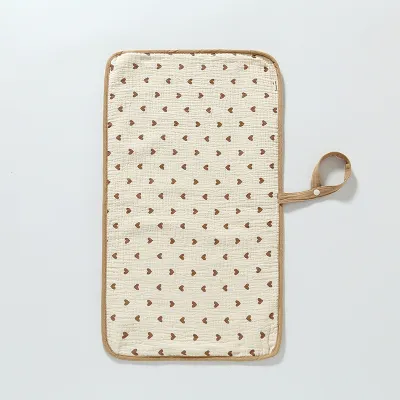
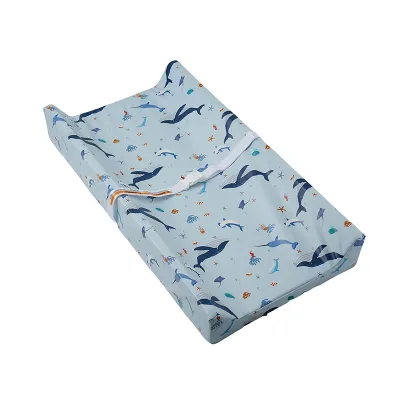
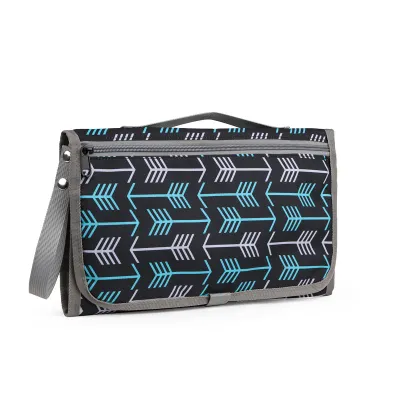
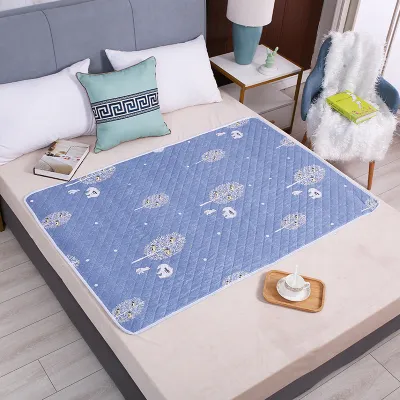
Prices are valid at publication and may change. Please refer to the product page for the latest price.
When comparing your options, it helps to look at how rubber stacks up against other common materials. Traditional polyurethane foam mats are lightweight and highly affordable, but their plastic covers are prone to cracking, which can trap moisture and foster mold growth in Singapore’s humid climate. Silicone mats offer excellent flexibility and heat resistance, but they can sometimes lack the structural rigidity and dense cushioning of a high-quality rubber mat. Fabric mats provide a soft, warm surface but demand constant laundering, making them less practical as a primary changing station.
Key Features to Look for in a Rubber Changing Mat
When evaluating different rubber changing mats, the physical design and structural features will directly impact your daily diaper-changing routine. The first major decision is choosing between a contoured design and a flat design. Contoured mats feature raised, sloping sides that create a shallow cradle for your baby. This design helps keep your baby centered on the mat and provides a gentle physical barrier against rolling. Flat mats, on the other hand, offer a completely level surface. While flat mats are highly versatile and can easily be rolled up for travel or used as general play mats, they do not offer any lateral support, making them better suited for younger infants or very controlled changing setups.
The thickness and density of the mat are equally critical for your baby’s comfort. A mat that is too thin or soft will compress completely under your baby’s weight, leaving their head and spine resting against the hard wooden surface of your changing table or dresser. Look for a mat with a dense, supportive core that offers resilient cushioning. When you press down firmly on the mat with your hand, you should feel a supportive resistance rather than bottoming out immediately.
A secure, non-slip base is an absolute necessity to ensure safety during diaper changes. Active babies wiggle, kick, and push off surfaces, which can cause a lightweight or slick mat to slide across the changing table. Inspect the underside of the mat for built-in safety features such as rubberized grip patterns, suction cups, or a heavily textured surface. Some premium mats are designed with a weighted base or include safety straps that secure the mat directly to the underlying furniture.
Finally, always verify the size compatibility of the mat with your existing nursery furniture. Singaporean homes often feature compact nursery layouts, and parents frequently repurpose standard chest-of-drawers or compact changing tables. Measure the top surface of your changing station carefully before purchasing. The changing mat must fit entirely within the boundaries of the changing table surface; any overhang is a serious safety hazard that could cause the mat to tip or slide off when weight is applied to the edges.
How to Verify Material Safety and Non-Toxicity
Because your baby’s delicate skin will come into direct contact with the changing mat daily, verifying the safety and non-toxicity of the materials is paramount. Many products are marketed with vague terms like “eco-friendly” or “natural,” but parents should look for specific, verifiable chemical safety standards. Check the product packaging or manufacturer specifications for explicit labels indicating that the mat is free from phthalates, bisphenol A (BPA), lead, and heavy metals. Phthalates are plasticizers often used to make plastics flexible, but they are restricted in children’s products due to potential health concerns.

It is also helpful to understand the distinction between natural rubber and synthetic rubber. Natural rubber is harvested from the sap of rubber trees, making it a highly sustainable, biodegradable, and naturally elastic material. However, natural rubber contains latex proteins, which can trigger allergic reactions in sensitive individuals. Synthetic rubbers, such as thermoplastic rubber (TPR) or high-grade polyurethane blends, are completely latex-free and highly durable, but they require careful manufacturing to ensure they do not contain harmful chemical additives.
To ensure you are buying a genuinely safe product, look for recognized international safety certifications. Manufacturers who invest in safety will often display certifications such as the European Toy Safety Standard (EN 71) or REACH compliance on their official websites. These certifications indicate that the product has undergone rigorous laboratory testing to ensure it does not leach harmful chemicals. If a seller cannot provide proof of these certifications or if the product listing lacks clear material specifications, it is best to choose a different option.
Lastly, pay close attention to physical indicators of material quality. A strong, pungent chemical odor that persists for more than a few days is a common sign of low-quality synthetic materials or excessive chemical off-gassing. If a new mat emits an overwhelming chemical smell, or if you notice any tearing, cracking, or peeling of the surface material over time, stop using the mat immediately. Damaged surfaces can harbor bacteria and expose your baby to the inner core materials, which may not be rated for direct skin contact.
Daily Cleaning and Long-Term Maintenance
Maintaining a clean and hygienic changing surface is essential for your baby’s health, and a proper maintenance routine will also significantly extend the lifespan of your rubber changing mat. For daily cleaning, a simple wipe-down after every diaper change is usually sufficient. Use a soft, damp cloth paired with a mild, baby-safe soap or a gentle, alcohol-free wet wipe. This quick routine removes surface oils, moisture, and soil before they can penetrate or stain the material.
To preserve the integrity of the rubber, there are several cleaning practices and substances you must strictly avoid. Never use harsh chemical disinfectants, bleach, or alcohol-based sanitizers unless the manufacturer’s care instructions explicitly state they are safe. These aggressive chemicals can break down the polymer structure of both natural and synthetic rubber, leading to a sticky, degraded, or brittle surface. Additionally, avoid using abrasive scrubbers, steel wool, or stiff-bristled brushes, as these can create micro-scratches on the surface that easily trap dirt and bacteria.
Protecting your mat from environmental factors is also crucial in Singapore’s tropical climate. While it might be tempting to place the mat in direct sunlight to dry or sanitize it, intense ultraviolet (UV) rays and high heat will rapidly degrade natural rubber, causing it to discolor, warp, or lose its elasticity. Always air-dry the mat in a shaded, well-ventilated indoor area. If the mat develops a stubborn stain, avoid the urge to scrub vigorously; instead, consult the manufacturer’s guidelines for approved deep-cleaning methods, which may include a gentle baking soda paste or specialized mild detergents.
Final Checks Before You Buy Online or In-Store
Before finalizing your purchase, taking a few minutes to perform final verification steps can save you from the hassle of returns or unsafe setups. When shopping on online marketplaces or ecommerce platforms, always verify the authenticity of the seller. Look for official flagship stores, preferred local distributors, or highly rated sellers with a proven track record of genuine customer service. Counterfeit or sub-standard nursery products are common online, and buying from reputable sources ensures you receive a genuine product that meets safety standards.
Next, double-check the physical specifications of the mat against your actual nursery setup. Compare the exact dimensions of the mat with your changing table, ensuring there is a safe margin of space on all sides. Additionally, check the manufacturer’s specified weight limit. While many changing mats are designed to accommodate babies up to toddlerhood, some lightweight or travel-oriented models may have lower weight capacities that your baby could outgrow quickly.
Weighing real-world feedback is also highly beneficial. Spend some time reading through customer reviews, paying close attention to feedback from parents living in similar warm, humid climates. Look specifically for any mentions of persistent chemical odors, issues with the mat sliding on wooden dressers, or premature cracking of the material. Real-world feedback regarding how the mat holds up after months of daily use can provide invaluable insights that standard product descriptions often omit.
Frequently Asked Questions (FAQ)
Can I use a rubber changing mat without a cover?
Yes, you can absolutely use a rubber changing mat without a cover, and doing so maximizes the hygiene benefits of the waterproof surface. Wiping down bare rubber is much faster and more sanitary than washing fabric covers after every minor spill. However, because rubber can feel cool against a baby’s skin—especially in air-conditioned rooms—you may want to place a small, soft muslin cloth or a clean receiving blanket under your baby’s head and shoulders. This approach provides a cozy, warm feel where it matters most while keeping the rest of the waterproof mat exposed for easy cleanup.
How do I stop a new rubber mat from smelling?
New natural or synthetic rubber products often have a distinct, characteristic scent when first unpacked. To safely eliminate this odor, place the mat in a well-ventilated, shaded indoor area—such as near an open window or on a sheltered balcony—for 24 to 48 hours to allow it to off-gas naturally. Avoid exposing the mat to direct sunlight, as UV rays can damage the material. You can also wipe the surface down with a soft cloth dampened with warm water and a tiny drop of mild baby-safe dish soap, then rinse it with a clean, damp cloth and let it air-dry completely. If the strong chemical odor persists or causes any respiratory irritation, contact the seller or manufacturer immediately.
Is a contoured rubber mat safer than a flat one?
Contoured rubber mats with raised edges offer an added layer of physical guidance by helping to keep your baby centered and making it slightly more difficult for them to roll over the sides. However, these raised edges are not a guarantee against falls. As babies grow stronger and learn to roll, they can easily overcome the low barriers of a contoured mat. Regardless of whether you choose a contoured or flat design, there is no substitute for constant caregiver supervision. Never leave your baby unattended on a changing mat, even for a split second, and always keep one hand on your baby during the changing process.

Community discussion
Share your experience or ask a question. Comments are reviewed before publication.