
Selecting the right diaper changing setup is one of the most frequent daily tasks for parents of newborns and infants. A rubber changing mat offers a durable, hygienic, and stable surface for these frequent transitions, but finding the ideal model requires looking closely at specific material properties and physical dimensions. To choose the best option for your home, you must evaluate the mat’s thickness, surface grip, waterproofing capabilities, and overall size compatibility with your existing nursery furniture. Balancing these features ensures a secure, comfortable, and easy-to-clean space that withstands the demands of daily use.
Why Material and Build Matter for Daily Changing
When selecting a changing mat, the choice of material directly influences both the longevity of the product and the comfort of your baby. Rubber has become a popular alternative to traditional foam-filled plastic mats due to its natural density and resilience. However, parents should distinguish between natural rubber and synthetic rubber formulations when browsing product specifications. Natural rubber, harvested from organic sources, is highly valued for its biodegradable properties and lack of synthetic chemical additives, though caregivers must verify if their child has any latex sensitivities before introducing it to the nursery. Synthetic rubber, such as polyurethane or silicone-based compounds, often provides enhanced resistance to oils and cleaning agents, making it highly durable for long-term use.
The weight and density of the material play a crucial role in daily stability. A heavier rubber mat is less likely to shift or slide when a baby wriggles during a diaper change. This density also determines how well the mat retains its shape over time; low-density foam mats often develop permanent indentations or flatten out, whereas high-density rubber maintains its structural integrity even after months of continuous pressure. A high-quality rubber mat should feel smooth and supportive, providing a comfortable resting surface without requiring an additional fabric cover.
Products mentioned in this guide
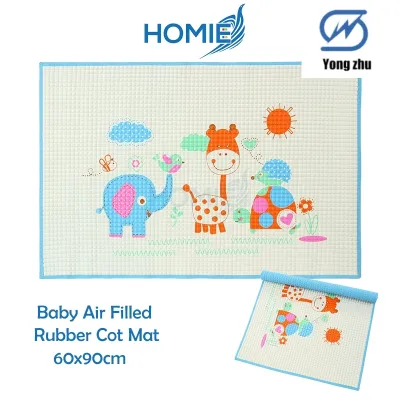
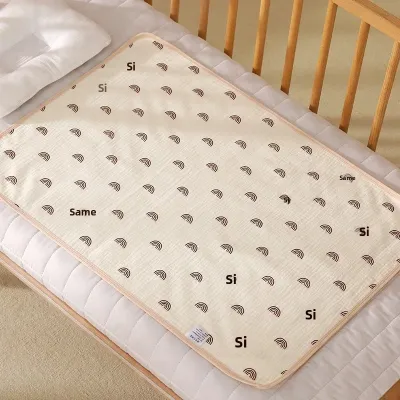
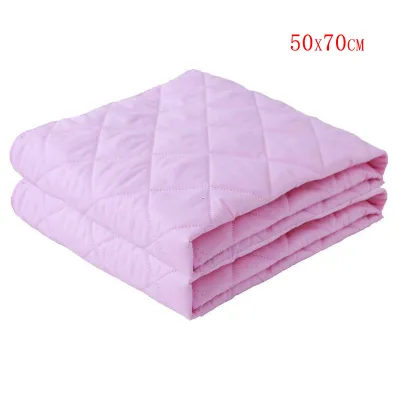
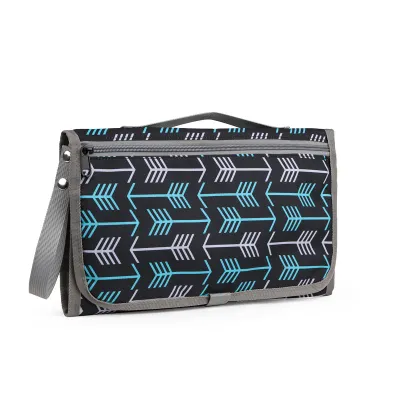
Prices are valid at publication and may change. Please refer to the product page for the latest price.
Core Features to Evaluate Before Buying
Navigating the specifications of nursery gear can be overwhelming, but focusing on a few core physical attributes simplifies the decision-making process. When evaluating a rubber changing mat, the primary categories to assess are cushioning depth, base stability, and surface integrity. These features determine how well the mat protects your baby, anchors to your changing table, and sanitizes after an accident.

Before making a purchase, always consult the manufacturer’s official specification sheets rather than relying solely on promotional images. Look closely at the listed dimensions, weight, material composition, and recommended age or weight limits. Understanding these technical details allows you to match the mat’s capabilities to your baby’s current developmental stage and your specific home setup.
Thickness, Cushioning, and Edge Design
The thickness of a rubber changing mat is a key factor in ensuring your baby’s comfort during transitions. A mat that is too thin may allow the baby’s head and spine to press against the hard wooden or laminate surface of the changing table underneath. Ideally, look for a mat with a central thickness of at least 2 to 3 centimetres of dense rubber or integrated foam cushioning. Check the product specifications for firmness ratings, ensuring the mat supports the baby’s weight without bottoming out.
Edge design is another critical safety and functional consideration. Contoured changing mats feature raised outer edges that create a shallow barrier around the perimeter, helping to keep the baby centered on the mat. While these raised sides provide a helpful physical boundary, they are not a substitute for active caregiver supervision; you must always keep a hand on your baby during changes. Flat changing mats, on the other hand, offer a more compact profile that can easily slide into drawers or travel bags, but they lack the containment benefits of contoured designs. If you choose a contoured model, verify that the slope of the edges is gradual and that the interior space remains wide enough to accommodate your baby as they grow.
Grip, Stability, and Waterproofing
To prevent accidental slips, inspect the texture of the mat’s underside. High-quality models typically feature a textured, non-slip base—such as a ribbed, dotted, or suction-patterned surface—that grips the polished wood or laminate of a dresser or changing table. The overall weight of the rubber also contributes to this stability; a heavier mat naturally resists sliding better than a lightweight plastic alternative.
Waterproofing is the frontline defense against the inevitable spills and leaks of daily diaper changes. A truly waterproof rubber mat should feature a seamless construction, meaning there are no stitched seams, fabric borders, or crevices where liquids can pool and seep into the inner cushioning. This seamless design prevents moisture from becoming trapped, which can lead to mold or bacterial growth inside the mat. Additionally, verify that the rubber surface is resistant to common nursery substances, such as acidic urine, zinc-oxide-based diaper creams, and baby oils, which can degrade lower-quality materials over time. The surface should allow liquids to bead up, making it simple to wipe clean with a damp cloth and mild soap.
Safety and Compliance Checks for Nursery Use
Because your baby’s bare skin will come into direct contact with the changing mat daily, verifying chemical safety is paramount. Parents should carefully read product labels and packaging to ensure the mat is free from harmful substances. Look for explicit declarations stating that the product is phthalate-free, BPA-free, and PVC-free. These chemicals are widely restricted in children’s products due to potential health concerns. If your baby develops any unexplained skin rashes or irritation after using a new mat, stop use immediately and consult a qualified pediatrician or dermatologist.
Rather than relying on vague marketing terms like “non-toxic” or “eco-friendly,” look for recognized safety certifications printed on the packaging or detailed on the manufacturer’s official website. Certifications such as OEKO-TEX, REACH, or local consumer product safety standards indicate that the material has undergone independent testing for harmful substances. Because safety standards and certifications are dynamic, readers must verify these claims directly with the manufacturer or certification databases before purchasing.
New rubber products often carry a distinct scent when first unpacked, known as off-gassing. While this smell is common for natural and synthetic rubber alike, it can be unpleasant or irritating in a confined nursery space. Before using the mat for the first time, wipe it down according to the manufacturer’s instructions and allow it to air out in a well-ventilated room or on a sheltered balcony for a few days. This simple step ensures that any residual manufacturing odors dissipate completely before your baby lies on the surface.
Building Your Shortlist: Matching Features to Your Space
Before purchasing a rubber changing mat, you must measure your intended changing area with precision. Measure the width, depth, and height of your changing table, chest of drawers, or desk. Compare these measurements against the mat’s outer dimensions to ensure a flush fit. A mat that overhangs the edge of a table or dresser poses a serious safety hazard, as it can easily tip or slide off when weight is applied to the overhanging section.
Consider how the mat will be secured to your furniture. Some rubber changing mats rely entirely on their heavy weight and high-friction non-slip bases to stay in place, while others include safety straps that anchor directly to the back of a dresser or changing table. If you are placing the mat on a highly polished or slippery surface, a model with physical anchoring straps or adhesive safety strips provides an extra layer of security. Always follow the manufacturer’s installation instructions to ensure these safety features are deployed correctly.
Your daily routine and home layout should also dictate the weight and portability of the mat you choose. If you plan to move the mat between rooms, a lightweight, flexible rubber mat is highly practical. However, if the mat will remain permanently stationed on a heavy changing table, a solid, heavier contoured model is often the sturdier choice. For families living in compact urban spaces, such as typical Singapore apartments, a mat that can be easily stored vertically in a closet or under a crib when not in use helps maximize floor space. While high-quality rubber mats may require a slightly higher initial investment of around S$50 to S$120 compared to basic foam pads, their durability makes them more cost-effective over time.
Care and Maintenance for Longevity
Proper maintenance is essential to keep your rubber changing mat hygienic and to extend its lifespan. For daily cleaning, avoid harsh chemical disinfectants, bleach, or alcohol-based wipes unless specifically approved by the manufacturer. These strong chemicals can break down the protective waterproof barrier of the rubber, leading to cracking, peeling, or a sticky surface texture over time. Instead, use a mild, baby-safe dish soap mixed with warm water, or gentle water-based wipes to clean up daily messes.
In Singapore’s warm and highly humid climate, moisture management is critical to prevent the growth of mold and mildew. After wiping down the mat, dry the surface thoroughly with a clean towel or allow it to air dry completely. Pay special attention to the underside of the mat; moisture can sometimes become trapped between the non-slip base and the wooden surface of your dresser, which can damage both the mat and your furniture. Periodically lift the mat to clean and dry both surfaces.
Over time, all nursery gear experiences wear and tear. Inspect your rubber changing mat regularly for observable signs of degradation. If you notice deep cracks in the rubber, peeling outer layers, persistent unpleasant odors, or areas where the inner cushioning has permanently collapsed, it is time to replace the mat. Using a compromised mat compromises both hygiene and comfort, as bacteria can accumulate in cracks and the supportive cushioning may no longer protect your baby from the hard surface underneath.
Frequently Asked Questions (FAQ)
Can I use a rubber changing mat on top of a standard dresser?
Yes, you can use a rubber changing mat on top of a standard dresser, provided the dresser is sturdy, level, and has a surface area large enough to fully support the mat without any overhang. To ensure safety, verify that the dresser is securely anchored to the wall to prevent tipping hazards. You should also check that the dresser’s surface has sufficient friction or use a high-grip, non-slip pad underneath the mat to prevent it from sliding during use. Always maintain active supervision and keep a hand on your baby at all times, as standard dressers lack the protective wooden barriers of dedicated changing tables.
How do I remove stubborn stains from a rubber mat without damaging it?
To remove stubborn stains, such as those from diaper creams or blowout leaks, start with the gentlest method possible. Create a paste using baking soda and a small amount of water, apply it gently to the stained area, and let it sit for 10 to 15 minutes before wiping it away with a damp, soft cloth. Always perform a patch test on a small, inconspicuous area on the underside of the mat first to ensure the treatment does not discolor or degrade the rubber. Avoid using abrasive scrubbing pads, steel wool, or harsh solvents like acetone, as these will permanently scratch the surface and destroy the waterproof seal.
Community discussion
Share your experience or ask a question. Comments are reviewed before publication.