
Selecting a postpartum recovery belt in Singapore requires balancing physical support with daily comfort. After childbirth, the sudden shift in abdominal pressure and core stability can leave many new mothers feeling physically unsupported, making a recovery garment a highly appealing option. However, because Singapore’s tropical climate brings high humidity and warmth year-round, choosing a belt is not simply about finding the strongest compression. A successful choice depends on understanding how different materials, designs, and adjustment mechanisms interact with your body during the healing process. By focusing on structural quality, breathability, and safe usage guidelines, you can select a supportive garment that aids your transition into motherhood without causing skin irritation or physical discomfort.
Understanding the Role of a Postpartum Recovery Belt
Before purchasing a recovery belt, it is essential to understand what these garments can and cannot achieve. Postpartum belts generally fall into two categories: medical-grade abdominal binders and everyday comfort support belts. Medical-grade binders are typically prescribed by healthcare professionals after major abdominal surgeries, such as a cesarean section, or to manage specific clinical conditions. In contrast, everyday comfort support belts are designed for general over-the-counter use, offering gentle compression to help mothers feel more secure as their abdominal muscles gradually regain their natural tone.
The primary benefit of an everyday recovery belt is the sensory feedback it provides. This gentle compression enhances core awareness, serving as a physical reminder to maintain good posture while sitting, standing, or carrying a newborn. This support can be particularly comforting during the first few weeks postpartum when the abdominal wall feels stretched and unstable.
Products mentioned in this guide
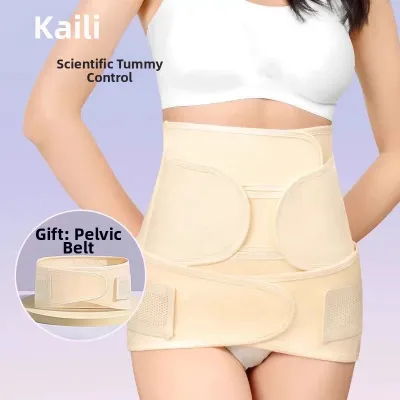
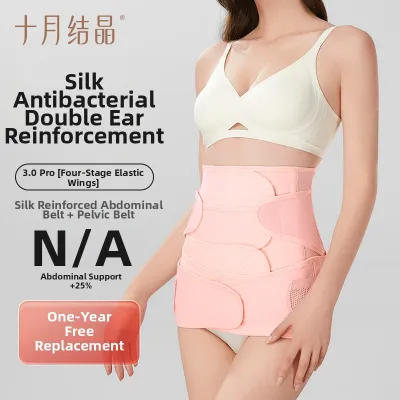
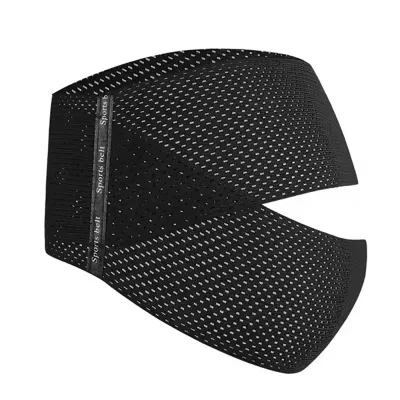
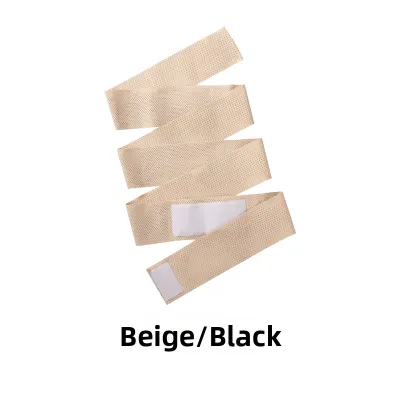
Prices are valid at publication and may change. Please refer to the product page for the latest price.
However, it is equally important to recognize the limitations of these garments. A recovery belt is not a cure for diastasis recti (the separation of the abdominal muscles), nor can it replace targeted pelvic floor rehabilitation. Furthermore, despite marketing claims that suggest otherwise, compression belts do not cause permanent weight loss or spot-reduce abdominal fat. Viewing the belt as a temporary comfort aid rather than a structural cure ensures realistic expectations and a safer recovery process.
Essential Comfort and Support Features to Evaluate
When comparing different recovery belts in Singapore, several physical attributes directly impact how comfortable and effective the garment will be for daily wear.

First and foremost is material breathability. Given Singapore’s warm and humid climate, wearing a thick, non-breathable elastic band around your midsection can quickly lead to heat rashes, sweat accumulation, and severe skin chafing. Look for belts constructed from lightweight, perforated fabrics, mesh panels, or high-quality cotton blends that allow air to circulate. The inner lining should feel soft against sensitive skin, especially if it might come into contact with a healing surgical incision.
Adjustability is another critical feature. Your body shape and abdominal volume will change rapidly in the weeks following delivery. A belt with limited adjustability will quickly become either too loose to provide support or too tight to wear comfortably. Look for designs featuring wide Velcro panels, multi-panel elastic straps, or adjustable hook-and-eye closures. These mechanisms allow you to customize the level of compression across different areas of your abdomen and tighten the garment incrementally as your body changes.
The width and overall coverage area of the belt must also be evaluated. A belt that is too narrow can dig into your lower ribs when you sit down or roll up over your hips when you walk, creating uneven pressure and constant discomfort. Ideally, the belt should cover your entire midsection, extending from just below the bust line to the lower pelvis. This broad coverage ensures that compression is distributed evenly, preventing the garment from shifting or bunching during movement.
Finally, consider the ease of use for independent application. In the busy early weeks of caring for a newborn, you may not always have someone available to help you put on a complex garment. Belts that require intricate lacing or have dozens of small hooks can be frustrating to manage. Choose a design that you can easily wrap, adjust, and secure on your own while standing or sitting.
Comparing Common Types of Postpartum Belts
Postpartum recovery garments come in several distinct structural designs, each offering unique advantages and trade-offs depending on your daily routine and clothing preferences.
Wrap-around belts are among the most popular options due to their high adjustability and ease of use. These belts typically consist of a wide main band secured with Velcro, often accompanied by secondary tension straps to customize the support. While they offer excellent, targeted compression and are easy to adjust throughout the day, they tend to be bulkier than other styles. This bulk can make them noticeable under fitted clothing, meaning they are often best suited for wear at home or under loose-fitting garments.
Pull-on recovery shorts or leggings offer a much sleeker, seamless silhouette under everyday clothing. These garments integrate compression panels directly into high-waisted underwear or activewear, providing continuous support from the thighs up to the waist. They are highly effective at supporting the pelvic floor and hips. However, because they lack adjustable straps, they cannot be tightened as your body shape changes, meaning you may need to purchase multiple sizes over time. Additionally, pulling tight compression garments up and down during frequent bathroom visits can be physically demanding in the early postpartum days.
Corset-style or multi-panel belts utilize structured panels and multiple fastening zones to provide highly targeted compression. Some systems feature three separate bands designed to support the stomach, waist, and pelvis individually or in combination. While these systems offer precise control over where and how much pressure is applied, they require more effort to put on and can feel overly rigid or restrictive if you need to bend, sit, or nurse your baby frequently.
How to Evaluate Brands and Verify Product Claims
With many international and local maternity brands available in Singapore retail stores and online marketplaces, navigating product claims requires a critical eye.
Begin by checking for transparent sizing charts and clear return or exchange policies. Because intimate apparel is subject to strict hygiene regulations, many retailers do not accept returns or exchanges once the packaging has been opened. It is vital to choose a brand that provides detailed measurement instructions—such as measuring your hip or waist circumference at specific gestational weeks—to help you select the correct size on your first attempt. Brands that offer dedicated customer service or virtual sizing consultations can provide valuable guidance during this decision process.
Next, look for consistent feedback regarding long-term durability in independent user reviews. A high-quality recovery belt should withstand daily wear and frequent washing without losing its elasticity or structural integrity. Pay close attention to reviews mentioning whether the Velcro remains secure over time, whether the edges of the fabric curl or fray, and whether the elastic panels stretch out permanently after a few weeks of use.
Be cautious of brands that use aggressive marketing language or promote unrealistic outcomes. Any brand that markets its recovery belt as a “waist trainer,” promises rapid weight loss, or suggests wearing the garment extremely tight should be approached with caution. Reputable brands focus on comfort, gentle support, and gradual physical recovery, providing clear instructions that prioritize your health and well-being over aesthetic transformations.
Sizing, Fitting, and Safe Usage Guidelines
To ensure your recovery belt provides safe and effective support, you must measure your body accurately and follow proper fitting guidelines.
When taking measurements, use a flexible measuring tape and stand in a relaxed, natural posture. Do not pull the tape tight or hold your breath. If you are purchasing the belt before giving birth, check the manufacturer’s specific guidelines; many recommend using your eighth-month pregnancy measurements as a baseline or choosing a size up from your pre-pregnancy clothing size to accommodate early postpartum swelling.
Once you receive your belt, apply the “snug but not tight” rule. The garment should feel supportive, similar to a firm hug, but it must never restrict your breathing, cause pain, or interfere with digestion. You should be able to take deep, diaphragmatic breaths and sit down comfortably without the belt digging into your ribs or pelvis. If you feel the need to loosen the belt every time you sit or eat, it is adjusted too tightly or is the wrong size.
Limit your daily wear time to allow your body to recover naturally. While it can be tempting to wear the belt constantly, doing so can prevent your deep core muscles from engaging and strengthening on their own. A common recommendation is to wear the belt for 2 to 4 hours at a time during periods of physical activity—such as walking, standing, or doing light household chores—and to remove it entirely when you are resting, sitting for long periods, or lying down.
Pay close attention to how your body responds to the garment. Signs that a belt is too tight, improperly positioned, or unsuitable for your body include numbness or tingling in your legs, restricted breathing, pelvic pain, or a sensation of downward pressure on your pelvic floor. If you experience any of these symptoms, loosen or remove the belt immediately.
When to Pause Use and Consult a Healthcare Professional
Your physical safety and long-term health must always take priority over the use of any recovery garment.
Stop using the recovery belt immediately and consult a healthcare professional if you experience any red-flag symptoms. These include an increased sensation of heaviness or bulging in the pelvic floor, pelvic pain, unusual vaginal bleeding, or skin irritation and rashes under the belt. These symptoms can indicate that the belt is exerting excessive downward pressure on your pelvic organs or causing localized skin complications.
If you delivered via cesarean section, have any incision complications, or suffer from specific abdominal or pelvic conditions, you must consult your obstetrician, gynecologist, or a specialized pelvic floor physiotherapist before using a compression garment. Placing pressure over a healing surgical wound can restrict blood flow, trap moisture, and increase the risk of infection or wound separation if the garment is not designed or positioned correctly.
Finally, remember that a recovery belt is a temporary supportive aid, not a long-term solution for core weakness. Relying on a belt continuously without incorporating gentle, active core and pelvic floor exercises can delay your body’s natural functional recovery. Consulting a pelvic floor physiotherapist can help you develop a safe, personalized exercise routine to rebuild your strength from the inside out.
Frequently Asked Questions (FAQ)
Can I wear a recovery belt while sleeping or breastfeeding?
It is generally recommended to remove your recovery belt before going to sleep. Sleeping in a compression garment can restrict blood circulation, limit deep breathing, and prevent your skin from breathing, which increases the risk of irritation and heat rashes. During breastfeeding, you should ensure the belt does not press uncomfortably against your lower ribs or abdomen, as this can restrict your breathing and make it difficult to maintain a relaxed nursing posture. If the belt feels restrictive or causes discomfort while you are feeding your baby, loosen or remove it to ensure both you and your baby are comfortable.
How do I clean and maintain my recovery belt?
To maintain the elasticity, hygiene, and structural integrity of your recovery belt, always check the manufacturer’s care label first. Most brands recommend hand-washing the belt in cool water using a mild, gentle detergent. Before washing, make sure to fasten all Velcro panels securely to prevent them from snagging or damaging the elastic fabric. Avoid using bleach, fabric softeners, or harsh chemical cleaners, as these can degrade the elastic fibers over time. Air dry the belt flat in a shaded, well-ventilated area, and avoid using a clothes dryer or exposing the garment to direct sunlight, as high heat can warp the materials and ruin the elastic retention.
Is it too late to start wearing a recovery belt months after delivery?
It is not too late to start wearing a recovery belt several months after giving birth, but your expectations should align with your current stage of recovery. While early use is primarily focused on managing immediate postpartum swelling and abdominal instability, wearing a support belt later on can still provide valuable postural support and comfort. This can be especially helpful during long periods of standing, carrying your growing baby, or returning to light physical activities. However, a belt will not restore muscle strength on its own; at this stage, it should be used as a temporary comfort aid alongside a dedicated core and pelvic floor strengthening routine.

Community discussion
Share your experience or ask a question. Comments are reviewed before publication.