
Returning to work after maternity leave is a significant milestone for many mothers in Singapore. Balancing professional responsibilities with a commitment to breastfeeding requires careful planning, adaptability, and the right equipment. A portable breast pump is often the cornerstone of this transition, allowing you to maintain your milk supply and express milk efficiently during the workday. However, with a vast array of brands and designs available, finding the model that aligns with your specific office environment, commute, and lifestyle requires a clear understanding of key features and practical considerations.
Choosing the right pump is not just about finding the most popular model; it is about identifying a system that fits seamlessly into your daily routine. Whether you work in a quiet, open-plan office in the Central Business District, travel frequently for client meetings, or navigate a busy daily commute on the MRT, your pumping needs will be unique. By focusing on essential features like noise levels, battery reliability, form factors, and local brand support, you can make an informed decision that supports your breastfeeding journey without adding unnecessary stress to your workday.
Essential Features for Discreet Office and Commute Pumping
When pumping in a professional environment, discretion is often a primary concern. The noise level of the pump motor is a critical factor to consider. Many modern portable pumps are designed with quiet motor technology, but the actual sound can vary significantly between models. A pump that produces a low, rhythmic hum is much easier to disguise under a nursing cover or in a private cubicle than one with a high-pitched buzz. When researching brands, look for those that provide qualitative descriptions of their motor noise or user reviews that specifically mention quiet operation in office settings.
Products mentioned in this guide
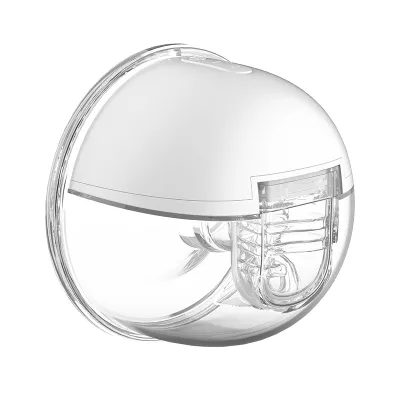
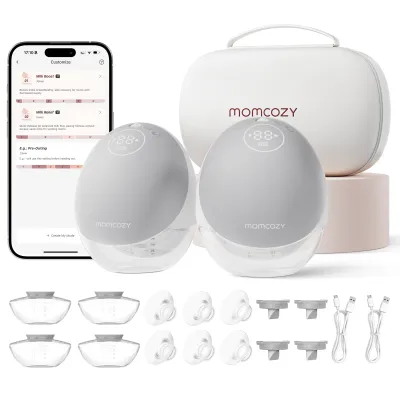
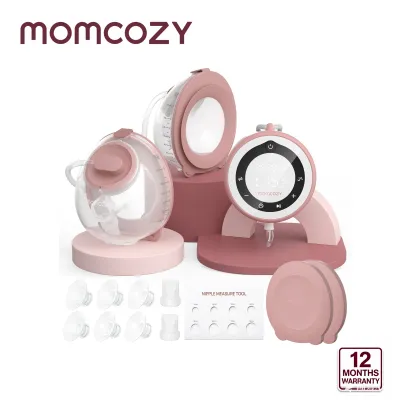
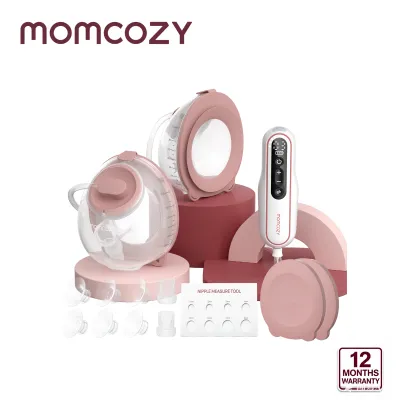
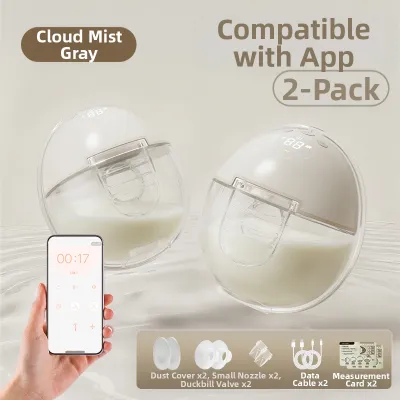
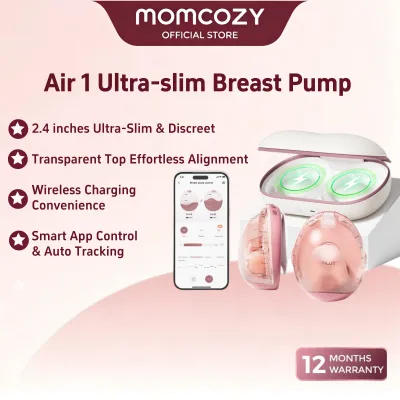
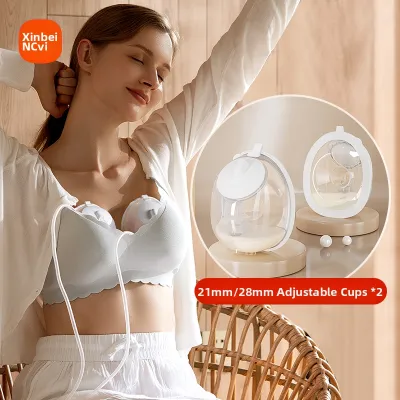
Prices are valid at publication and may change. Please refer to the product page for the latest price.
Battery capacity and charging versatility are equally vital, especially for mothers with long commutes or those who travel between different work sites. A reliable portable pump should feature a robust rechargeable battery that can easily last through multiple pumping sessions on a single charge. USB-C charging compatibility is highly advantageous, as it allows you to charge your pump using your office laptop, a car charger, or a standard portable power bank. This flexibility ensures you are never left without power, even if you cannot find an available electrical outlet in your workplace lactation room.
The physical design and form factor of the pump determine how easily you can multitask while expressing milk. Hands-free designs allow you to keep your hands free to type, write, or manage phone calls. Some portable pumps feature a small, lightweight motor unit that clips onto your waistband, while others are entirely self-contained wearable units that fit completely inside your nursing bra. Evaluating how much physical movement your job requires will help you decide which form factor offers the right balance of discretion and mobility.
Finally, robust leak-proof designs and secure spill prevention are essential for peace of mind during transit. A closed-system pump is highly recommended, as it features a physical barrier (usually a silicone membrane) that prevents milk from backing up into the tubing or motor. This not only protects the motor from damage but also ensures optimal hygiene by preventing mold and bacterial growth. Additionally, look for collection cups or bottles with secure, tight-fitting seals and pour spouts that minimize the risk of accidental spills when transferring milk into storage bags at your desk.
How to Evaluate Breast Pump Brands for Long-Term Reliability
Investing in a breast pump is a significant financial and emotional commitment, making brand reliability and after-sales support crucial considerations. Before purchasing, always verify the length and terms of the manufacturer’s warranty. It is highly beneficial to choose a brand with an authorized local distributor and a physical service center in Singapore. If your pump experiences a technical issue, having access to a local service center means you can obtain a repair, a replacement part, or even a temporary loaner unit quickly, preventing any disruption to your pumping schedule.

Another key aspect of long-term reliability is the ready availability of replacement parts and consumables. Components such as silicone valves, membranes, diaphragms, and tubing naturally wear out over time and require regular replacement to maintain optimal suction. Before committing to a specific brand, check how easy it is to purchase these spare parts locally. Brands that stock their replacement parts in local baby specialty stores, pharmacies, or official online storefronts offer much greater convenience than those requiring you to order parts from overseas, which can lead to costly shipping fees and long waiting times.
Material safety and transparency are non-negotiable when it comes to feeding equipment. Reputable brands clearly state the materials used in their products, ensuring that all parts coming into direct contact with breast milk are free from Bisphenol A (BPA), phthalates, and other potentially harmful chemicals. Look for brands that provide clear product labeling and comply with recognized international safety standards, such as food-grade silicone certifications. This transparency gives you confidence that you are using safe, high-quality materials for your baby.
Lastly, assess the quality of the brand’s customer support channels. A reliable brand should offer accessible customer service, whether through a local helpline, email, or instant messaging support. Responsive customer service can assist you with troubleshooting minor issues, such as assembly errors or suction fluctuations, without requiring a trip to the service center. Reading feedback from other local mothers regarding a brand’s responsiveness and helpfulness can provide valuable insight into the kind of support you can expect during your pumping journey.
Wearable vs. Compact Portable Pumps: Which Fits Your Routine?
Understanding the distinction between fully wearable in-bra pumps and compact portable pumps is essential for choosing the right fit for your workday routine. Wearable breast pumps are self-contained units where the motor, battery, and collection cup are integrated into a single device that slips directly into your nursing bra. This design offers the ultimate level of mobility and discretion, as there are no external tubes, wires, or dangling bottles. You can comfortably walk around, attend virtual meetings with your camera off, or complete desk work without feeling restricted.
However, wearable pumps do come with specific trade-offs. Because the motor must be small enough to fit inside the bra cup, these pumps may offer slightly less suction customization compared to larger models. Additionally, the integrated collection cups typically have a smaller capacity, often holding around 120ml to 150ml of milk per side. If you have a high milk yield, you may need to pause your session to empty the cups, which can interrupt your workflow. Achieving a proper seal with a wearable pump also requires a well-fitting, supportive nursing bra to hold the unit firmly against the breast.
In contrast, compact portable pumps consist of a small, separate motor unit connected via silicone tubing to traditional breast shields and collection bottles or cups. The motor unit is lightweight enough to be clipped to a belt, placed in a pocket, or set on your desk. These models often bridge the gap between hospital-grade performance and portability, offering stronger, highly adjustable suction patterns and expression modes. They also accommodate standard-sized bottles, making them ideal for mothers who express larger volumes of milk in a single session.
The primary trade-off with compact portable pumps is the presence of tubing and external bottles, which makes them less discreet and limits your physical mobility during use. While you can still work at a desk, moving around the office or commuting while pumping is much more challenging. When deciding between the two, consider your daily schedule: if you have access to a private office or a dedicated lactation room where you can sit comfortably for 20 minutes, a compact portable pump may offer the efficiency you need. If you must pump while multitasking in shared spaces, a wearable pump may be the more practical choice.
Pre-Purchase Checklist and Workplace Considerations
Before finalizing your purchase, there are several practical steps and workplace logistics to evaluate to ensure a smooth pumping experience. First and foremost is correct flange sizing. The breast shield or flange must fit your nipple correctly to ensure efficient milk expression and prevent discomfort or tissue damage. Many brands include standard flange sizes (typically 24mm or 28mm) in the box, but these may not fit everyone. Measure your nipple diameter before purchasing, and check if the brand offers alternative flange sizes or silicone inserts. Consulting a certified lactation consultant can be incredibly helpful in finding the perfect fit.
Next, assess the physical facilities available at your workplace. Take note of whether your office has a dedicated, private lactation room equipped with comfortable seating, electrical outlets, and a refrigerator for milk storage. If a refrigerator is not available, or if you prefer to keep your milk private, you will need to invest in a high-quality insulated cooler bag with contoured ice packs capable of maintaining a cold temperature throughout the workday and during your commute home in Singapore’s warm climate.
Consider how the pump integrates with your preferred milk storage system. Some brands design their pumps to connect directly to standard wide-neck or narrow-neck bottles, while others allow you to pump directly into pre-sterilized milk storage bags using adapters. Direct-to-bag pumping can save valuable time and reduce the number of parts you need to wash and sterilize at the office. If you choose a pump with proprietary collection cups, ensure you have a convenient method for transferring the milk into storage containers without spilling.
Finally, explore any support systems or benefits your employer might offer. Many companies in Singapore are increasingly supportive of nursing mothers, providing dedicated wellness rooms, flexible break times, or even corporate wellness programs that may cover or subsidize the cost of breastfeeding equipment. Speak with your Human Resources department or manager before returning from maternity leave to discuss your needs and establish a supportive plan. Knowing your workplace rights and options can significantly ease the transition back to professional life.
Frequently Asked Questions (FAQ)
How often should I replace the silicone parts of my portable pump?
Silicone components, such as duckbill valves, membranes, and backflow protectors, are subject to wear and tear from regular use, washing, and sterilization. Over time, these parts can stretch, warp, or develop microscopic tears, which can significantly reduce your pump’s suction power. If you are pumping three or more times a day, it is generally recommended to replace duckbill valves every 1 to 3 months, and silicone diaphragms or backflow protectors every 3 to 6 months. Regularly inspect these parts during cleaning; if you notice any loss of suction, visible warping, or tears, replace them immediately to maintain pump efficiency.
Can I use a portable breast pump while driving or on public transit?
While portable and wearable breast pumps offer great convenience, safety should always be your top priority. Pumping while driving is not recommended, as adjusting the pump settings, managing bottles, or dealing with sudden leaks can be highly distracting and restrict your physical movement in an emergency. If you must pump during a car commute, it is much safer to do so as a passenger or while safely parked. On public transit, such as the MRT or buses, using a highly discreet wearable pump is physically possible, but you should ensure your clothing and nursing bra provide secure coverage to prevent accidental displacement or leaks during sudden stops.
What should I do if my pump loses suction during a workday?
If you experience a sudden drop in suction while pumping at work, start by checking all physical connections. Ensure that the tubing is firmly attached to both the motor and the breast shield assembly, and look for any moisture or condensation inside the tubes. Next, disassemble the pump parts and inspect the silicone valves and membranes to ensure they are clean, dry, and seated correctly without any gaps. Even a tiny speck of lint or dried milk residue can prevent a valve from sealing properly, causing suction loss. Finally, verify that the pump motor is fully charged, as some models experience reduced suction performance when the battery is low.

Community discussion
Share your experience or ask a question. Comments are reviewed before publication.