
Potty training is a significant developmental milestone that requires patience, consistency, and the right tools. When transitioning away from diapers, children often face sudden urges that cannot wait for a standard restroom search. This is where a portable pee bottle kids can comfortably use becomes an invaluable tool, bridging the gap between diapers and full toilet independence.
These portable urinals or training bottles offer a practical solution for toddlers, particularly during outdoor excursions, long car rides, or night-time training. Instead of rushing to locate a public restroom in a crowded shopping mall or park, parents can provide a clean, immediate option that prevents accidents and reduces stress.
Using a dedicated bottle also helps build confidence in young children. It allows them to respond to their body’s signals immediately, reinforcing the connection between the urge to urinate and the physical act of using a toilet-like receptacle. For boys, vertical-style portable urinals can also serve as an early introduction to standing up while urinating, making the eventual transition to adult restrooms smoother.
Products mentioned in this guide
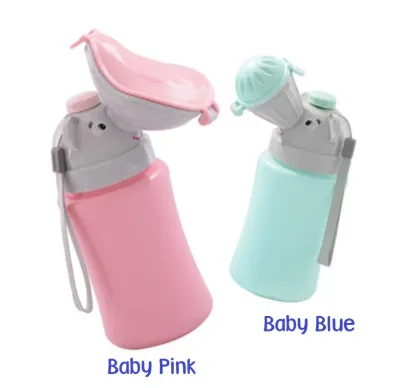
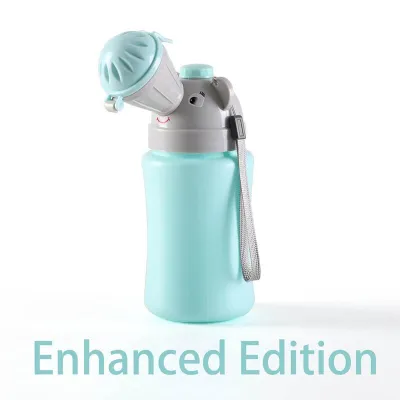
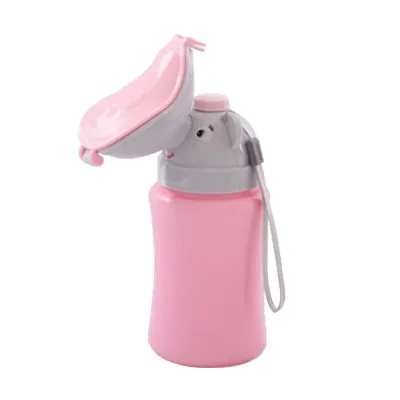
![[SG FREE ] 750ml Adult Urinal Portable Shrinkable Personal Mobile Toilet Potty Women Kid Pee Bottle For Outdoor Car Tra](https://img.lazcdn.com/g/p/a25252aa2e7d6df40c5af0d5aacad64a.jpg_400x400q80.jpg_.webp)
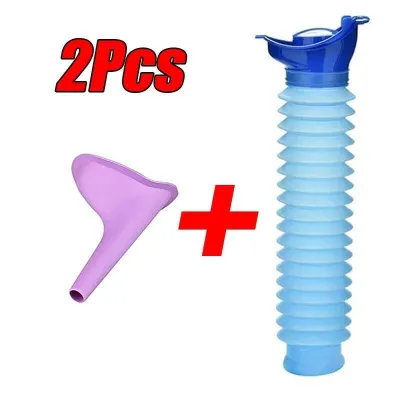
![BBJ-BB70745 [2-Pack] Bonbijou Portable Emergency Pee Bottle](https://img.lazcdn.com/g/p/19340618748e4695962a3cb45c8ad349.png_400x400q80.png_.webp)
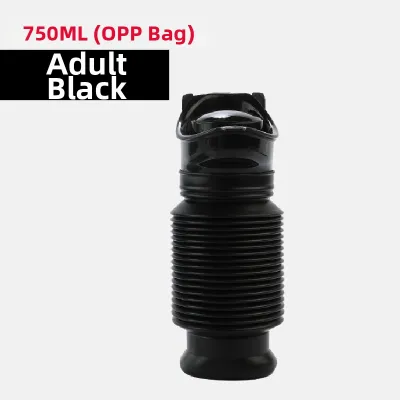
Prices are valid at publication and may change. Please refer to the product page for the latest price.
Ultimately, the right training accessory minimizes mess, reduces diaper dependency, and offers peace of mind to caregivers. However, because these products come in contact with sensitive skin and carry bodily fluids, selecting a model with the right safety, hygiene, and structural features is essential for a successful transition.
Essential Features to Evaluate Before Buying
Selecting the right training tool requires looking beyond cute designs and bright colors. Parents must carefully evaluate several technical specifications, material properties, and ergonomic features to ensure the product is safe, durable, and easy for a young child to use.
Material Safety and Durability
When choosing any product for a young child, material safety is the primary consideration. Parents should carefully check manufacturer labels, product packaging, and official documentation to verify that the plastic or silicone used is free from potentially harmful chemicals. Look for explicit manufacturer declarations indicating the product is BPA-free, phthalate-free, and made from food-grade materials.
Because toddlers are still developing their motor skills, drops and accidental falls are inevitable. The bottle must be constructed from high-impact, drop-resistant plastics or flexible, high-grade silicone that will not crack, shatter, or create sharp edges upon impact. A cracked bottle not only causes leaks but can also harbor bacteria in microscopic fissures or pinch a child’s skin.
It is important to remember that material names alone (such as plastic or silicone) do not guarantee safety or durability. Always rely on the manufacturer’s official specifications, age-grade warnings, and compliance certifications. If a product lacks clear labeling regarding its chemical composition or recommended age range, it is best to choose an alternative that provides full transparency.
Leak-Proof and Splash-Resistant Mechanisms
A portable urinal is only as good as its ability to contain liquid and prevent messy spills. When evaluating different models, look closely at the sealing mechanisms. Premium options typically feature secure screw-on caps, tight-fitting silicone gaskets, or multi-layered snap-lock lids that prevent liquid from escaping even when the bottle is tipped upside down in a diaper bag.
Splash protection is another critical design element, especially for active toddlers who may move unexpectedly during use. Look for models equipped with wide, contoured funnels, deep splash guards, or angled openings. These features help direct the stream accurately, minimize overspray, and protect both the child’s clothing and the surrounding floor from accidental splashes.
Additionally, parents should consult the user manual to locate the manufacturer’s specified maximum fill line. Overfilling a portable bottle can compromise the internal air pressure and sealing rings, leading to unexpected leaks when the cap is closed or reopened. Understanding and respecting these capacity boundaries ensures the bottle remains completely leak-proof during transport.
Ergonomics and Child-Friendly Handling
For a child to feel comfortable using a pee bottle, the physical design must align with their small hands and developing motor skills. Look for models featuring integrated, easy-grip handles, textured non-slip surfaces, or contoured body shapes. These design elements allow toddlers to hold the bottle securely on their own, promoting a sense of independence and self-reliance.
If you are selecting a freestanding model for home use, stability is paramount. A stable, wide base—ideally reinforced with non-slip rubber grips—prevents the urinal from tipping over on tiled bathroom floors. This stability reduces the risk of spills and helps the child feel secure while standing or positioning themselves.
Many child-friendly urinals also incorporate visual cues or interactive elements to encourage proper aim and engagement. For example, some models feature a small spinning wheel or a floating target inside the bowl. These simple, mechanical additions turn potty training into an engaging game, helping children focus their attention, improve their aim, and reduce accidental messes.
Capacity and Portability Balance
Finding the right balance between fluid capacity and physical portability is key to choosing a practical bottle. Typical capacities for toddler pee bottles range from 300ml to 500ml, which is generally sufficient for one to two uses by a young child. Older preschoolers may require slightly larger volumes, though this must be balanced against the physical size of the container.
A larger capacity means fewer trips to empty and clean the bottle, which can be highly convenient during long outings. However, a larger bottle is also heavier when full and occupies more space in a stroller organizer or diaper bag. For active families, a compact, lightweight profile that fits easily into standard bottle holders or features an integrated carrying strap is often the most practical choice.
Consider where and how you plan to store the bottle when it is not in use. Some models feature discreet, opaque designs that look like standard water bottles, providing privacy when carrying them in public. Select a size and shape that matches your typical daily routine, ensuring you can transport it comfortably without adding unnecessary bulk to your gear.
Matching the Right Pee Bottle Type to Your Needs
Pee bottles and child urinals are available in several distinct form factors, each optimized for specific environments and stages of development. Understanding the primary use case for each design helps parents select the most functional option for their lifestyle.

Portable Travel Urinals for On-the-Go
Portable travel urinals are specifically designed for use outside the home, making them ideal for car journeys, outdoor play sessions, or visits to places with limited restroom access. These models are typically compact, lightweight, and shaped like a flask or a bottle with an attached funnel. Many feature highly secure, leak-proof valves and airtight caps to ensure no liquid or odor escapes during travel.
Some advanced travel models utilize collapsible or telescopic designs, allowing the bottle to compress down to a fraction of its size when empty. This makes them exceptionally easy to pack into a small backpack or stroller pocket. These travel-friendly options provide immediate relief when a child cannot wait, preventing stressful emergencies in public spaces.
However, these portable models do have limitations. They generally feature smaller capacities than home-use models and must be emptied and rinsed as soon as hygienically possible to prevent odors and bacterial buildup. They are best viewed as temporary, on-the-go solutions rather than permanent replacements for standard bathroom fixtures.
Wall-Mounted or Freestanding Home Urinals
Designed primarily for stationary use in the family bathroom, wall-mounted and freestanding urinals help toddlers transition to using a standard toilet. Wall-mounted models often attach to bathroom tiles using suction cups or adhesive mounts, allowing parents to adjust the height easily as the child grows. This adjustable setup ensures the child can always stand at a comfortable, ergonomically correct height.
Freestanding models, on the other hand, sit directly on the floor and are supported by a heavy, stable base. Both styles typically feature a much larger capacity than travel models and include a removable inner bowl. This design allows parents to lift out the collection chamber, empty it directly into the adult toilet, and rinse it thoroughly without having to detach the entire unit from the wall.
The primary advantage of these home-use designs is their generous size, which accommodates larger splash guards and deeper bowls to contain overspray. They provide a dedicated, child-sized space that mimics an adult restroom setup, helping to build familiar habits and routine. However, because they are stationary, they are not suitable for travel or outdoor use.
Convertible and Multi-Stage Options
For parents seeking a long-term, cost-effective solution, convertible and multi-stage potty systems offer excellent versatility. These products are designed to adapt to a child’s changing needs as they grow and progress through different stages of potty training. A typical 3-in-1 system might function initially as a standard floor potty, transition into a toilet trainer seat, and include a detachable component that serves as a standalone urinal or step stool.
By consolidating multiple training tools into a single product, parents can save storage space in small bathrooms and reduce the need to purchase separate items for each developmental milestone. The familiarity of using the same basic product throughout the training process can also provide a sense of security and consistency for the child.
Before purchasing a convertible model, it is crucial to verify the manufacturer’s official weight and height limits for each configuration. A component that is perfectly safe for a twelve-month-old may become unstable or unsafe for a larger three-year-old. Always follow the manufacturer’s guidelines regarding weight limits and transition stages to ensure the product remains safe and supportive.
Hygiene, Safety, and Daily Maintenance
Maintaining strict hygiene standards is essential when using any potty training accessory. Because these bottles collect bodily fluids, a consistent cleaning routine is necessary to prevent the growth of bacteria, mold, and unpleasant odors. After every use, the bottle should be emptied immediately into a toilet, rinsed thoroughly with clean water, and washed with a mild, child-safe soap and warm water.
While it may be tempting to use strong disinfectants to sanitize the bottle, parents must avoid harsh chemicals, bleach, or boiling water unless the manufacturer’s care instructions explicitly state they are safe to use. High temperatures and aggressive chemicals can degrade plastic compounds, compromise silicone seals, and potentially cause the material to leach harmful substances or crack prematurely. Stick to gentle soap and warm water for routine cleaning.
In humid climates, such as Singapore’s tropical environment, moisture can easily trap inside tight spaces, leading to the rapid growth of mold and mildew. To prevent this, always disassemble the bottle completely after washing, removing any detachable funnels, caps, or silicone gaskets. Allow all components to air-dry thoroughly in a well-ventilated area with plenty of air circulation before reassembling or storing the item.
Regularly inspect the pee bottle for physical signs of wear and degradation. Over time, frequent cleaning and use can cause micro-scratches on the plastic surface, which can harbor bacteria even after washing. If you notice deep scratches, persistent cloudiness, stubborn stains, or odors that remain after a thorough cleaning, it is a clear indication that the bottle has reached the end of its usable life and should be replaced.
Safety must always remain the top priority. If the bottle exhibits any signs of structural failure, such as a loose cap, a cracked body, or a failing seal, discontinue use immediately to prevent spills and injury. Additionally, if your child develops any skin irritation, redness, or discomfort after contact with the product, stop using it immediately and consult a pediatrician or qualified healthcare professional.
Quick Comparison: Portable vs. Home-Use Designs
To help you decide which style of urinal is best suited for your family’s current potty training stage, the table below compares the primary design characteristics of portable travel urinals and stationary home-use urinals.
| Design Type | Primary Use Case | Splash Protection Level | Capacity | Portability | Cleaning Effort |
|---|---|---|---|---|---|
| Portable Travel Urinals | On-the-go travel, car rides, outdoor activities | Moderate (optimized for targeted use) | Small (typically 300ml – 500ml) | High (compact, lightweight, leak-proof caps) | Moderate (requires immediate rinsing on-the-go) |
| Home-Use Urinals | Stationary bathroom training, daily home routine | High (deep bowls and wide splash guards) | Large (designed for multiple home uses) | Low (designed for wall-mounting or floor placement) | Low (removable inner bowls for quick emptying) |
When choosing between these two options, consider where your child experiences the most difficulty during potty training. Families who spend a lot of time outdoors or traveling may find a portable travel urinal indispensable, while those focused on establishing a structured bathroom routine at home will benefit more from a stable, wall-mounted or freestanding model.
Frequently Asked Questions (FAQ)
What are the signs my child is ready for a pee bottle?
Readiness for potty training tools depends on developmental milestones rather than a specific chronological age. Common signs of readiness include your child showing interest in bathroom habits, staying dry for consecutive hours or after naps, and being able to follow simple, multi-step instructions. They may also verbally express discomfort when their diaper is wet or soiled, indicating an awareness of their bodily functions.
Introducing a training bottle before your child is physically and emotionally ready can lead to frustration and resistance. Observe your child’s behavior and physical cues over several weeks to gauge their interest. If you have questions about your child’s developmental progress or physical readiness, consult your pediatrician for personalized guidance.
How often should I replace my child's pee bottle?
There is no predetermined expiration date for a child’s pee bottle; instead, replacement should be guided by the physical condition of the item and your child’s growth. Inspect the bottle regularly for physical damage. You should replace the product immediately if you observe deep scratches on the interior walls, degraded or stretched silicone gaskets that cause leaks, or persistent odors that do not disappear after washing.
Additionally, you should replace the bottle or transition to a different model if your child outgrows the manufacturer’s specified height, weight, or capacity limits. Using a product that is too small can compromise safety and lead to poor posture or accidental spills. Regularly reviewing the manufacturer’s guidelines ensures the training tool remains appropriate for your child’s current stage of development.
Community discussion
Share your experience or ask a question. Comments are reviewed before publication.