
Frequent breast pumping requires a delicate balance between maintaining skin comfort and ensuring your breast pump functions at its peak. A highly compatible baby nipple cream for regular pump users is one that absorbs efficiently without leaving a thick, greasy barrier that causes the pump flange to slip or lose its vacuum seal. While many traditional ointments offer deep hydration, their physical properties can directly interfere with the mechanical performance of your pump, leading to reduced milk expression and increased friction. By selecting a formulation tailored to your pumping schedule and understanding how different ingredients interact with silicone and plastic parts, you can protect your skin while keeping your pumping sessions highly efficient.
Key Factors for Breast Pump Compatibility
When you use a breast pump multiple times a day, the physical interaction between your skin and the pump flange becomes a critical factor in your overall comfort and milk yield. The flange must form a secure, airtight seal against your breast to create the vacuum necessary for efficient expression. If the skin is coated with a heavy, non-absorbing ointment, this seal is easily compromised. The flange may slide out of place, causing the pump to lose suction and forcing you to constantly readjust the parts, which can lead to skin irritation and uneven expression.
Texture and absorption rate are the primary characteristics that determine how a cream behaves under a pump flange. Fast-absorbing formulas or lightweight balms penetrate the outer layers of the skin relatively quickly, leaving minimal surface residue. This allows the plastic or silicone flange to grip the breast securely without slipping. Conversely, highly viscous, petroleum- or lanolin-heavy ointments tend to sit on top of the skin, creating a slippery barrier that acts as a lubricant rather than a protective moisturizer during active pumping.
Products mentioned in this guide
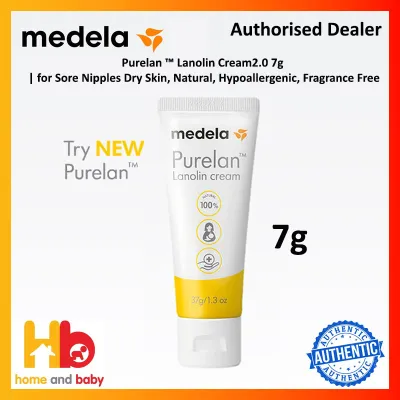
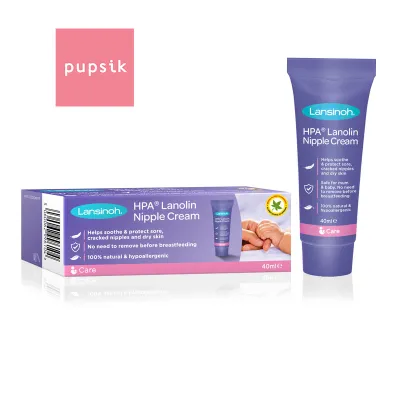
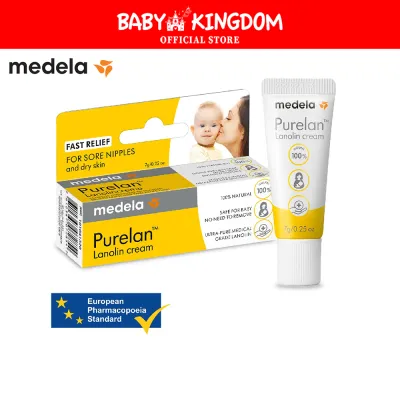
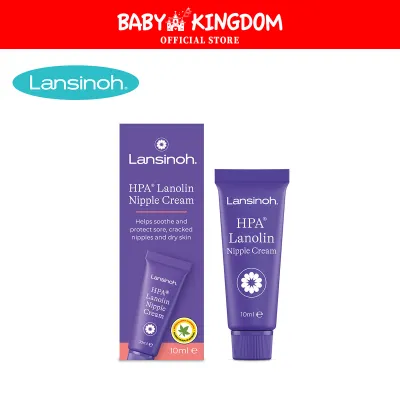
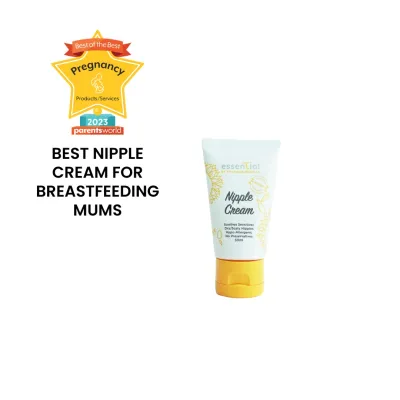
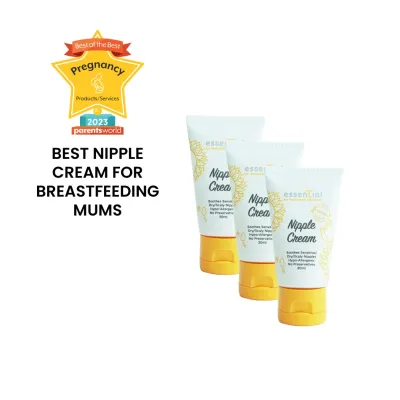
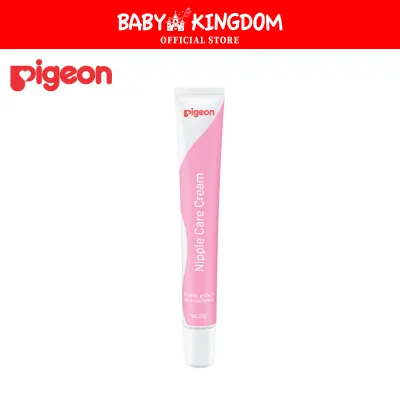
![[TOP SELLING ITEMS] *GUANJING* Nipple Repair Cream (25G) – Soothing & Hydrating Care for Sensitive Skin - 100% AUTHENTIC BY BEAUTY BESTIE](https://img.lazcdn.com/g/p/89847fc0bb98dfeead0fa2278509cb10.jpg_400x400q80.jpg_.webp)
Prices are valid at publication and may change. Please refer to the product page for the latest price.
Another essential consideration is whether a product requires washing off before you express milk or nurse. Checking the manufacturer’s label for “wipe-free” or “food-grade” designations is crucial for both convenience and safety. If a cream requires thorough washing with soap and water before every pumping session, the frequent washing itself can strip the skin of its natural oils, exacerbating dryness and soreness. A compatible cream should ideally be safe for your baby to ingest in tiny residual amounts and gentle enough to remain on the skin without requiring aggressive scrubbing.
Finally, the mechanical risks of using incompatible creams extend to the physical fit of the flange. A proper flange fit relies on the nipple moving freely within the tunnel without rubbing against the sides. When a thick ointment accumulates inside the flange tunnel, it can narrow the clearance space, causing the nipple to rub against the plastic and leading to painful friction blisters. Ensuring your chosen cream does not leave a tacky, thick buildup helps maintain the precise physical alignment required for comfortable, pain-free pumping.
Comparing Nipple Cream Types for Pumping Mothers
Different nipple care products utilize distinct base ingredients that dictate their thickness, absorption rates, and overall compatibility with breast pump components. Understanding these categories helps you choose a product that aligns with your skin needs and your equipment.

Lanolin-Based Ointments
Lanolin has long been a traditional standard for soothing dry, cracked skin due to its intensive moisturizing properties. Derived from sheep’s wool, pure lanolin is a highly viscous, dense substance that creates a robust physical barrier on the skin. While this barrier is excellent for locking in moisture between pumping sessions, its thick texture presents specific challenges when it is time to express milk.
When applied too heavily before a session, lanolin can easily cause the pump flange to lose its grip. The high viscosity of the ointment prevents it from absorbing quickly, meaning a significant amount of grease remains on the surface of the breast. If this grease transfers to the silicone or plastic flange, the vacuum seal can fail repeatedly, reducing the efficiency of your pump and potentially extending your pumping time.
If you choose to use lanolin, it is vital to check the product packaging for purity levels, looking for medical-grade or highly refined options that minimize impurities. Additionally, because lanolin is an animal-derived product, mothers with known wool sensitivities or allergies should avoid it entirely to prevent contact dermatitis. Checking labels carefully ensures you do not inadvertently introduce an allergen to your sensitive skin or your baby’s mouth.
Plant-Based and Organic Balms
For mothers seeking animal-free or vegan alternatives, plant-based balms offer a popular option. These products typically utilize natural plant oils and butters, such as coconut oil, shea butter, olive oil, or sunflower seed oil, to condition the skin. These ingredients generally have a lower viscosity than lanolin, allowing them to melt at body temperature and absorb more readily into the skin.
While the faster absorption rate of plant-based balms makes them highly appealing for pump users, the specific oils used can still interact with your pumping equipment. Over time, certain natural oils can degrade silicone valves, membranes, and flanges, causing them to stretch, lose elasticity, or become cloudy. It is important to monitor your pump parts regularly for any signs of softening or loss of suction if you use oil-heavy balms.
When selecting a plant-based balm, prioritize products that carry verified food-grade or organic certifications on their packaging. Since your baby may ingest trace amounts of the balm during subsequent nursing sessions, verifying that the ingredients are entirely safe for consumption is paramount. Avoid products containing synthetic fragrances, essential oils, or preservatives that could irritate your baby’s digestive system or sensitive skin.
Hydrogel Pads and Soothing Alternatives
Hydrogel pads represent a non-cream alternative designed to provide immediate, cooling relief to sore or burning nipples. These pads consist of a water-based gel on a flexible backing that adheres gently to the skin, creating a moist healing environment without leaving a greasy residue.
The primary advantage of hydrogel pads for pumping mothers is the timing of their application. Because they are used between pumping sessions and peeled off before you pump, they leave the breast completely dry and free of oils. This ensures that when you apply the pump flange, you achieve an optimal, slip-free fit and a secure vacuum seal every single time.
However, using hydrogel pads requires strict adherence to hygiene and storage guidelines to prevent bacterial contamination. Most pads are designed for limited reuse or are strictly single-use, which can increase your ongoing expenses. While they can be more costly than a standard tube of cream, they offer highly effective relief for acute soreness without interfering with your pump’s mechanics.
How to Apply Nipple Cream Without Affecting Pump Suction
To balance skin healing with efficient milk expression, the way you apply your chosen baby nipple cream is just as important as the product itself. Implementing a consistent application routine can prevent mechanical issues with your breast pump while maximizing the therapeutic benefits of the cream.
A highly effective strategy for pump users is to apply the cream immediately after a pumping session rather than right before. Applying the product after expression gives your skin the maximum amount of time—often several hours—to fully absorb the moisturizing ingredients before the next session. This timing minimizes the amount of active residue left on the skin surface when you next assemble your pump, preserving the integrity of the flange seal.
Quantity control is another critical factor in maintaining pump performance. Many mothers make the mistake of applying a thick layer of ointment, which inevitably leads to slippage and clogged pump parts. Instead, use a minimal, pea-sized amount of cream for both breasts. Warm the cream between your fingertips to soften its texture, then gently massage it into the nipple and areola until it is fully absorbed, leaving no visible excess on the surface.
If you find that your skin still feels slightly greasy when it is time for your next pumping session, perform a quick pre-pump preparation. Take a warm, damp cloth and gently pat the breast to remove any lingering surface residue. This simple step ensures a clean, dry surface for the flange to grip, preventing friction and maintaining optimal suction without stripping away the moisture that has already penetrated the deeper layers of your skin.
Building Your Shortlist: What to Check Before Buying
Selecting the right baby nipple cream involves evaluating product labels, equipment guidelines, and your personal budget to find a sustainable solution. Before making a purchase at a local pharmacy or through an online marketplace, keep a few essential verification steps in mind.
First, carefully read the product label to identify explicit “no need to remove before feeding” or “safe for ingestion” claims. Products that require washing before use are highly inconvenient for frequent pumpers and can lead to further skin irritation from repeated washing. Look for simple, transparent ingredient lists that exclude parabens, synthetic fragrances, and petroleum byproducts.
Second, cross-reference your chosen cream with your breast pump manufacturer’s user manual. Some manufacturers explicitly warn against using specific oils or petroleum-based products with their silicone parts, as these substances can accelerate the wear and tear of delicate valves and membranes. Ensuring compatibility between your cream and your pump materials will save you from having to replace expensive parts prematurely.
Third, compare the price per gram or ounce in S$ to determine the long-term value of the product. While some premium organic balms may seem expensive upfront, their concentrated formulas often require a much smaller amount per application, making them highly cost-effective over several months of frequent pumping.
Finally, recognize when self-treatment is no longer sufficient. While a good nipple cream can relieve mild dryness and chafing, persistent pain, deep cracks, bleeding, or signs of infection such as localized warmth and redness require professional attention. If you experience these symptoms, stop using the cream and consult a lactation consultant or a healthcare professional immediately to address the underlying cause.
Frequently Asked Questions (FAQ)
Do I need to wipe off nipple cream before pumping?
Whether you need to wipe off your nipple cream depends entirely on the product’s formulation and its ingredients. If the label explicitly states that the cream is food-grade and safe for ingestion, you do not need to wash it off for safety reasons. However, from a mechanical standpoint, if the cream has not fully absorbed and leaves a slippery residue on your skin, you should gently wipe away the excess with a clean, damp cloth before pumping. Leaving a greasy layer on the breast can cause the pump flange to slide, breaking the vacuum seal and causing painful friction during expression.
Can nipple cream cause breast pump parts to deteriorate?
Yes, certain ingredients commonly found in nipple creams can accelerate the wear and tear of your breast pump accessories. Heavy oils, mineral oils, and petroleum-based ointments can gradually degrade silicone components, such as valves, membranes, and silicone-rimmed flanges, causing them to stretch, lose their elasticity, or become sticky. To prevent this, choose fast-absorbing or lighter formulas, and ensure you thoroughly wash your pump parts after each use. Using warm, soapy water to remove any invisible oil buildup will help maintain the material integrity and suction power of your equipment over time.

Community discussion
Share your experience or ask a question. Comments are reviewed before publication.