
Choosing the right maternity belly belt requires balancing physical relief with daily comfort. As your body changes, finding a belt that offers the right level of structural support without causing overheating is essential for staying active and comfortable. To make an informed decision, you must evaluate how different designs distribute weight, how their fabrics perform in warm weather, and how their price points align with your personal budget and usage timeline.
This guide breaks down the essential features of maternity support garments, helping you compare options based on structural integrity, breathability, and long-term value.
Quick Guide to Choosing Your Maternity Belly Belt
Your primary physical needs and daily environment should dictate the type of belly belt you choose. For early to mid-pregnancy, or if you primarily experience mild, generalized abdominal pressure, a lightweight, flexible elastic wrap offers gentle support without restricting your natural movement. These wraps are easy to put on and remain relatively discreet under everyday clothing.
Products mentioned in this guide
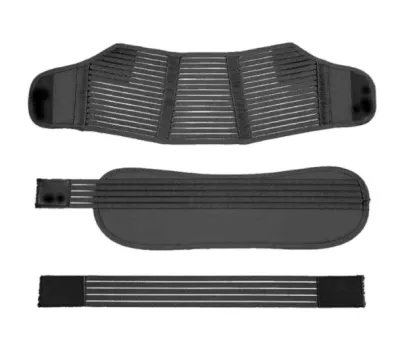
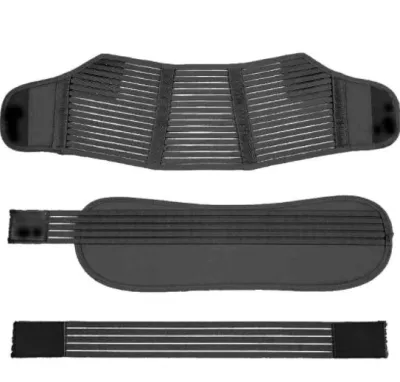
Prices are valid at publication and may change. Please refer to the product page for the latest price.
If you are in your third trimester or are dealing with severe lower back strain, pelvic girdle pain, or sacroiliac joint instability, a structured, multi-panel band is more appropriate. These systems use secondary tension straps and rigid vertical stays to lift the abdomen and redistribute weight across your hips and spine. However, this maximum structural support comes with a trade-off: the multi-layered materials are thicker and can trap heat more easily than simpler designs.
Price points generally fall into three tiers. Budget-friendly basic bands typically cost under S$30 and are ideal for light, occasional wear. Mid-range adjustable wraps range from S$30 to S$70, offering a balance of durable fasteners and breathable fabrics. Premium multi-panel support systems often cost above S$70, providing medical-grade structural panels, highly adjustable tension straps, and modular designs that can adapt to different stages of pregnancy.
Evaluating Support Features for Different Pregnancy Stages
Support garments vary widely in their structural design, and understanding these differences is key to finding relief as your baby bump grows. Lightweight support bands are typically seamless, elastic tubes that slide over the abdomen. They provide mild, continuous compression that helps hold up maternity pants and offers a subtle lifting sensation, making them ideal for the second trimester when the physical load is still relatively light.

As you progress into the third trimester, the forward pull on your spine increases, often requiring a transition to rigid, multi-panel belts. These belts feature a non-elastic abdominal pad that cradles the underside of the bump, connected to a wider back panel reinforced with flexible plastic or metal stays. This structure prevents the belt from rolling down and ensures that the weight of the abdomen is transferred effectively to the pelvic girdle and lower back.
When shopping, always check the adjustability features of the belt. Look for wide, high-grip hook-and-loop fasteners that remain secure under tension. Side expansion panels are highly beneficial, as they allow you to adjust the tension independently on each side without removing the entire belt. This ensures you can loosen the belt slightly when sitting down and tighten it when standing or walking.
To ensure a belt is working correctly, look for observable signs of adequate upward lift rather than mere abdominal compression. A properly fitted belt should feel like a supportive pair of hands lifting your bump upward and inward toward your spine, immediately relieving pressure on your bladder and pubic bone. If the belt simply presses your bump flat against your body, it is causing excessive compression, which can restrict blood circulation and cause discomfort.
While belly belts are excellent tools for managing everyday pregnancy discomfort, they are not a cure for underlying medical conditions. If you experience sharp, shooting pelvic pain, localized pubic bone pain, or if your discomfort worsens while wearing the belt, stop using it immediately. These symptoms can indicate severe pelvic girdle pain or symphysis pubis dysfunction, which require a personalized assessment and treatment plan from a qualified healthcare provider or pelvic floor physiotherapist.
Checking Material Breathability for Tropical Climates
In hot and humid tropical climates, such as in Singapore, material selection is just as important as structural support. Wearing a thick, non-breathable band for extended periods can trap sweat against your skin, leading to friction burns, chafing, and heat rash. To prevent skin irritation, you must carefully inspect fabric specifications on product labels before purchasing.
Prioritize fabrics that actively promote airflow and moisture management. Bamboo viscose is an excellent choice, as it is naturally soft, hypoallergenic, and highly absorbent. Structured polyester or nylon mesh panels are also highly effective, as the open-weave design allows heat to escape while maintaining the necessary tension. Cotton blends offer good breathability, though they tend to retain moisture longer than synthetic performance fabrics.
Conversely, use caution with materials like thick, solid neoprene. While neoprene provides excellent elasticity and durability, it is a synthetic rubber that acts as an insulator, trapping body heat and sweat. If a belt uses neoprene for structural support, ensure it features perforated ventilation holes or is lined with a moisture-wicking fabric to protect your skin from direct contact with trapped moisture.
Beyond the primary fabric, evaluate the thickness of the belt and the quality of its edge binding. Stiff, over-locked edges can dig into your skin when you sit down, causing painful red welts and localized irritation. Look for belts with flat-locked seams, soft fabric borders, or seamless edges that lie flat against your body, allowing for comfortable daily wear under thin summer clothing.
Maintaining hygiene is crucial for preventing skin issues when wearing a support belt in a humid climate. To preserve the elasticity of the elastane fibers and the strength of the hook-and-loop fasteners, hand wash your belt in cool water using a mild, baby-safe detergent. Avoid using fabric softeners, which can coat the fibers and reduce moisture-wicking capabilities, and never tumble dry the belt, as high heat will degrade the elastic components.
Comparing Price Points and Long-Term Value
When evaluating the cost of a maternity belly belt, it helps to understand what factors drive the price differences. Premium brands often justify their higher cost by using medical-grade, hypoallergenic materials that resist stretching out over months of daily wear. They also tend to feature more complex, ergonomic designs, such as double-pull tension straps and contoured back panels that distribute weight more evenly.
To determine if a premium belt is worth the investment, calculate its cost-per-wear based on your current trimester and your postpartum plans. If you purchase a S$80 premium belt during your fifth month of pregnancy and wear it daily through your third trimester and into a six-week postpartum recovery period, the cost is less than S$0.50 per day. In this scenario, investing in a durable, highly adjustable option provides excellent long-term value.
However, a premium investment may not be necessary for everyone. If you only require light support during the final few weeks of pregnancy, or if you primarily need a belt for short walks or light household chores, a budget-friendly basic band under S$30 may be perfectly adequate. These simpler designs are also highly suitable if you work in an air-conditioned office and do not require heavy-duty structural support.
Be cautious of overpriced items that lack clear material composition or structural specifications on the label. High-quality manufacturers will clearly state the percentages of nylon, polyester, elastane, or bamboo used, and will provide detailed sizing charts based on physical measurements. Avoid brands that make vague, universal promises of pain relief without explaining the specific mechanical support their product provides.
Decision Framework: Which Belly Belt Fits Your Needs?
To finalize your purchase decision, compare your personal physical needs, daily routine, and budget against the following guidelines:
- Choose a structured, multi-panel belt if: You are in your third trimester, experience significant lower back or sacroiliac joint pain, stand for long periods during the day, or require heavy lifting support.
- Choose a lightweight, seamless band if: You are in your second trimester, want a discreet layer under office wear, prioritize maximum breathability in hot weather, and only require mild, non-restrictive support.
- Verify first if: You have sensitive skin, a history of contact dermatitis, or diagnosed pelvic conditions. Always check the manufacturer's sizing chart by measuring your under-bump circumference rather than relying on your pre-pregnancy clothing size.
Before purchasing a belt online or in-store, complete this final checklist to ensure a proper fit and a secure transaction:
- Measure your under-bump circumference: Use a flexible tape measure to measure the lowest part of your abdomen, where the belt will sit. Do not guess based on your current pants size, as pregnancy weight distribution varies widely.
- Check the return and exchange policy: Sizing needs can change rapidly during pregnancy. Ensure the retailer allows exchanges if the belt feels too tight or does not provide adequate coverage.
- Review the material list: If you have sensitive skin, verify that the inner lining is made of hypoallergenic, breathable fibers to minimize the risk of irritation.
Frequently Asked Questions (FAQ)
Is it safe to wear a maternity belly belt all day?
No, it is generally not recommended to wear a maternity belly belt continuously all day. Limit your wear-time to two to three hours at a time, or use it specifically during periods of physical activity, standing, or walking. Relying on a support belt for too many consecutive hours can cause your core and lower back muscles to become dependent on the external support, potentially weakening them over time.
Remove the belt immediately if you experience physical warning signs such as numbness, tingling, restricted breathing, sharp pain, or deep skin indentations. Always follow the specific manufacturer’s wear-time instructions and consult your obstetrician or physical therapist for personalized guidance tailored to your physical condition.
Can a maternity belly belt help with postpartum recovery?
Yes, certain belly belts can assist with postpartum recovery, but your support needs change significantly after delivery. During pregnancy, a belt is designed to lift the abdomen and relieve pressure on the pelvis. Postpartum recovery, however, requires gentle, even compression to support abdominal muscles as they retract and to provide stability to the lower back and pelvis.
Before using your pregnancy belt after delivery, check the product manual or label to verify if it is designed and approved for postpartum use. Some modular belts feature removable panels that allow you to transition the garment from a pregnancy support band to a postpartum abdominal binder. Always seek professional medical advice before using any compression garments after delivery, especially if you had a Cesarean section, to ensure the band does not put improper pressure on your incision or pelvic floor.
Community discussion
Share your experience or ask a question. Comments are reviewed before publication.