
Choosing a kids toilet seat in Singapore involves balancing your child’s developmental stage with the physical realities of your home’s bathroom layout. Because Singaporean apartments often feature compact bathrooms or wet-and-dry zoning, selecting a seat that is easy to store, clean, and secure is essential. The right training seat helps build your toddler’s confidence, turning what can be a stressful transition into a manageable, independent routine.
Potty training is a significant developmental milestone that requires both physical readiness and emotional comfort. For many toddlers, transitioning from diapers to a standard adult toilet can feel intimidating due to the height and the large opening of the bowl. A dedicated kids toilet seat acts as a physical and psychological bridge, offering a scaled-down, secure space that fits their smaller bodies. By choosing a seat that matches your child’s specific needs and your home’s bathroom layout, you can foster a sense of independence and reduce the anxiety often associated with this transition.
Rather than searching for a single universal option, parents should evaluate how different designs fit their specific toilet bowl shapes and their child’s physical comfort. This guide outlines the key factors to consider, from structural stability to material safety, helping you make an informed choice for your household.
Products mentioned in this guide
![[Cozy Nest] Premium Baby and Toddler Toilet Seat Gender-Neutral Specialized Kids PVC Seat Cushion Potty Training Solution for Boys and Girls](https://img.lazcdn.com/g/p/873339941a343221f0b25d9fc2da4016.png_400x400q80.png_.webp)
Prices are valid at publication and may change. Please refer to the product page for the latest price.
Understanding the Main Types of Kids Toilet Seats
Standalone potty chairs are low-to-the-ground, self-contained units. They are highly approachable for younger toddlers because their feet can easily touch the floor, providing a sense of security and proper squatting posture. This low height allows children to sit down and stand up completely unassisted, which builds early confidence. However, they require manual emptying and thorough cleaning after every use, which some parents find inconvenient, especially during busy mornings.
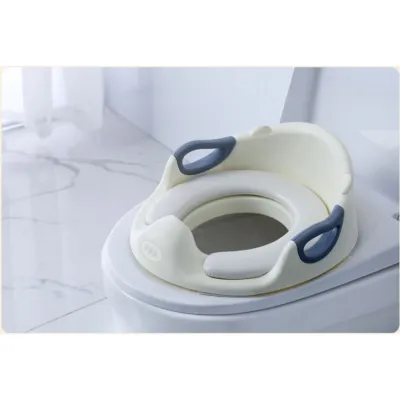
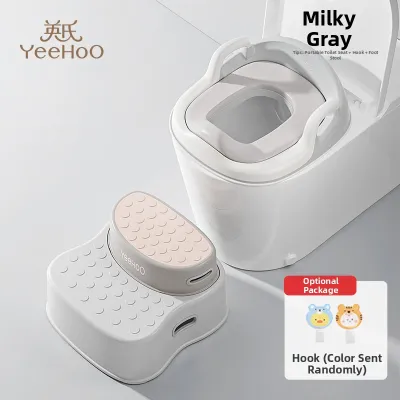
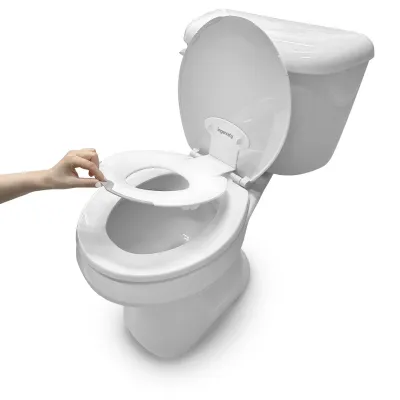
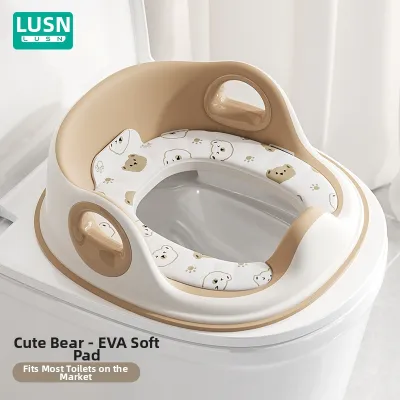
Reducer seats, or toilet inserts, fit directly onto your existing adult toilet bowl. They reduce the opening size so a small child does not slip through. This option helps children get used to the actual bathroom environment from day one and eliminates the need to empty a separate waste basin. However, because adult toilets are high, toddlers will need a separate step stool to reach the toilet seat independently and to rest their feet while sitting.
For families who are frequently on the go or visiting relatives around Singapore, portable reducer seats offer a convenient solution. These models fold down into a compact size that fits inside a diaper bag. They often come with a carrying pouch and silicone pads to prevent slipping on public toilet seats. While highly convenient for travel, they may offer less structural rigidity and smaller seating areas than permanent home models.
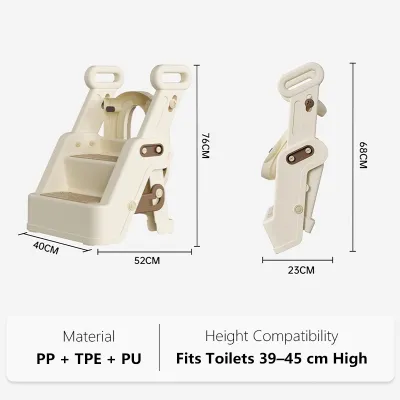
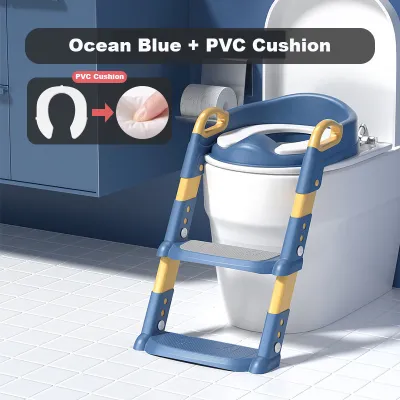
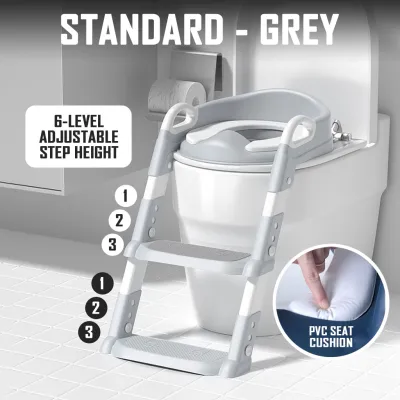
Integrated step-stool seats are all-in-one units that combine a reducer seat with an attached, adjustable ladder or step stool. They allow toddlers to climb up, turn around, and sit down without direct physical lifting from a caregiver. This design promotes high levels of independence and ensures the child’s feet always have a stable platform to rest on. However, they occupy more physical space and must be folded and set aside when adults need to use the toilet.
Key Features to Evaluate for Comfort and Security
The primary source of anxiety for a toddler during potty training is the fear of falling into the toilet bowl. To prevent the seat from shifting, look for reducer inserts equipped with wide silicone grip pads or adjustable tension brackets on the underside. These mechanisms lock the insert firmly against the inner rim of the adult seat, ensuring it remains stationary even when the child moves. A stable seat prevents sudden slips that could startle your child and set back their training progress.

A well-designed kids toilet seat should support a natural, slightly squatted sitting position. The seat depth must accommodate the child’s thighs comfortably without cutting off circulation or forcing their legs too far apart. Look for contoured designs that gently slope downward toward the back, which helps position the child’s pelvis correctly for easier bowel movements. The seating surface should also be smooth and free of sharp mold lines that could cause discomfort.
Splash guards are raised barriers at the front of the seat designed to redirect urine downward into the bowl. While highly useful for preventing external messes, a splash guard that is too high can make it difficult for a child to mount or dismount the seat safely. Evaluate the height and flexibility of the splash guard to ensure it balances mess prevention with physical accessibility. A flexible or softly rounded guard is often more comfortable for daily use.
For younger toddlers or those who spend longer periods sitting, built-in backrests and side handles provide essential physical and emotional support. Holding onto side handles helps children stabilize their core muscles, which is physically necessary for successful elimination. Ensure these handles are molded smoothly into the seat frame to prevent any pinching of small fingers. A high backrest also helps the child maintain an upright, comfortable posture during extended sits.
Matching the Seat to Your Child and Bathroom Setup
Before purchasing, verify your child’s current weight and height against the manufacturer’s specifications. While age ranges are often printed on packaging, physical development is a much more reliable indicator of suitability. A child who is exceptionally tall may find a standalone potty chair uncomfortable, while a smaller toddler may feel unsupported on a large reducer seat. Always prioritize physical measurements over age guidelines to ensure a secure fit.
Standard adult toilets in Singapore generally fall into two categories: round or elongated (O-shaped, U-shaped, or V-shaped). Not all reducer seats fit every toilet profile. Measure the inner and outer dimensions of your adult toilet seat, and check the hinge clearance. Some modern, square-shaped designer toilets or those with thick, wrap-over lids may not accommodate standard clip-on reducers, requiring specialized or highly adjustable models instead.
In many Singaporean apartments, bathroom floor space is at a premium. If you choose an integrated step-stool seat, ensure it can fold completely flat to stand upright in a narrow gap or hang behind the door. For simple reducer inserts, look for models that include a built-in hanging loop or a matching wall hook, keeping the floor clear and dry when the seat is not in use. This is particularly important in wet bathrooms where floor-bound items can easily collect water.
Safety, Hygiene, and Maintenance Checks
Inspect the physical construction of any toilet seat before allowing your child to use it. Check for smooth, rounded edges and ensure there are no exposed hinges or folding joints where small skin folds could get pinched. If the seat uses a folding mechanism for travel, verify that it locks securely into the open position and cannot collapse under the child’s weight. A sturdy locking mechanism is vital for preventing accidental pinches or collapses.
Potty training equipment requires frequent sanitization. Smooth, non-porous plastics like polypropylene are highly durable and easy to wipe down. Avoid seats with complex, multi-piece cushions that use stitched seams or porous foam, as these can trap moisture, urine, and bacteria over time. If you prefer a padded seat for comfort, ensure the cushion is completely sealed, waterproof, and easily detachable for separate washing and drying.
Regularly inspect the seat for signs of degradation, such as hairline cracks, fading plastic, or worn-out non-slip rubber pads. In Singapore’s warm and humid climate, suction cups and silicone grips can degrade or lose their tackiness over time. Stop using the seat immediately if you notice any structural flexing, cracks, or loose parts, as these can compromise stability and cause sudden slips. Replacing a worn seat promptly ensures your child’s safety remains uncompromised.
Where to Buy and What to Verify Before Checkout
Parents in Singapore can source kids toilet seats from official brand stores, specialized physical maternity boutiques, or reputable online marketplaces. Purchasing from official brand stores or authorized local distributors ensures you receive genuine products that comply with local consumer safety guidelines. While online marketplaces offer a wider variety of designs, verify the seller’s reputation, read customer feedback, and check for clear product labeling before making a purchase.
Because toilet seat compatibility depends heavily on the exact dimensions of your home toilet, always check the retailer’s return and exchange policy before completing your purchase. Many retailers do not accept returns on personal hygiene items once the packaging has been opened. If possible, measure your toilet bowl carefully and compare it with the manufacturer’s detailed sizing chart before ordering to avoid purchasing an incompatible model.
When browsing options, look for user reviews that specifically mention long-term durability and compatibility with standard toilet brands common in Singapore. Additionally, verify what accessories are included in the box. Some seats require separate purchases for hanging hooks, step stools, or replacement splash guards, which can affect the overall value of your purchase. Factoring in these extra costs helps you budget accurately for the entire potty training setup.
Frequently Asked Questions (FAQ)
When should I transition my child from a potty chair to a toilet reducer seat?
The transition typically depends on your child’s physical coordination and interest rather than a strict age milestone. Look for signs of readiness, such as the ability to climb stairs independently, stable sitting balance, and an expressed curiosity about using the adult toilet. If your child is physically large enough to sit on a reducer seat without slipping and can comfortably rest their feet on a step stool, they may be ready to transition. Always supervise your child during this transition to ensure they feel secure and confident on the higher seat.
Are splash guards necessary for both boys and girls?
Splash guards are highly beneficial for boys to prevent urine from spraying over the front of the toilet seat while sitting down. However, they can also be helpful for girls by keeping all liquids directed safely downward. The key is to choose a seat with a moderately sized, ergonomically contoured guard. A guard that is excessively high can make it uncomfortable or difficult for a child of any gender to sit down properly, so look for a balanced, low-profile design that provides protection without hindering movement.
How do I clean and sanitize a kids toilet seat effectively?
To maintain hygiene and preserve the material, clean the seat regularly using mild, non-abrasive soap and warm water. Avoid harsh chemical bleach or abrasive scrubbing pads, which can scratch the plastic surface and create microscopic grooves where bacteria can multiply. If the seat has a removable cushion or splash guard, disassemble these parts weekly to clean the joints and allow them to dry completely, preventing mold and mildew growth in humid bathroom environments. Always follow the manufacturer’s specific cleaning instructions to avoid damaging the materials.
Community discussion
Share your experience or ask a question. Comments are reviewed before publication.