
Potty training is a landmark milestone in early childhood development, representing a significant step toward independence for your toddler. However, transitioning from diapers to using a toilet can be an intimidating process that requires patience, consistency, and the right equipment. Selecting an appropriate kids toilet is one of the most critical decisions you will make during this phase. The right setup does not merely make the process cleaner; it directly impacts your child’s physical comfort, emotional security, and overall willingness to participate in training. An unsupportive or unstable seat can cause anxiety, leading to resistance and developmental setbacks, whereas a well-designed toilet fosters confidence and ease.
To make an informed choice, parents must look beyond bright colors and cartoon characters. A successful potty training setup requires a careful evaluation of anatomical ergonomics, material safety, structural stability, and ease of maintenance. Because every child develops at their own pace and every home bathroom has a unique layout, there is no single best option that suits every family. By analyzing your specific living space, your child’s physical proportions, and your daily routine, you can select a high-quality kids toilet that turns a potentially stressful transition into a positive, rewarding learning experience.
Quick Guide: Core Features for a Successful Potty Training Setup
When shopping for a kids toilet, it is easy to get distracted by advanced features like built-in sound effects, reward systems, or elaborate toy attachments. While these elements can occasionally capture a toddler’s attention, they are secondary to the core functional features that ensure safety and hygiene. The most successful potty training setups prioritize stability, ease of cleaning, and ergonomic comfort above all else. A stable toilet ensures that your child feels secure when sitting down and standing up, preventing slips that could damage their confidence. Easy-to-clean designs save parents valuable time and maintain a sanitary environment in the bathroom, which is particularly vital in warm, humid climates where bacteria can multiply rapidly.
Products mentioned in this guide
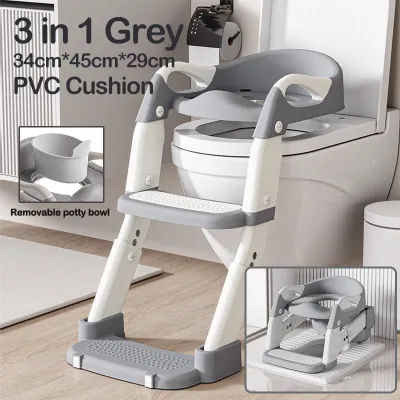
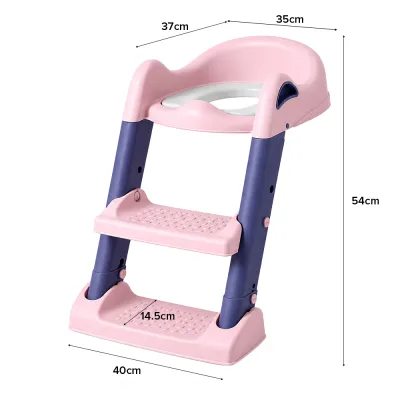
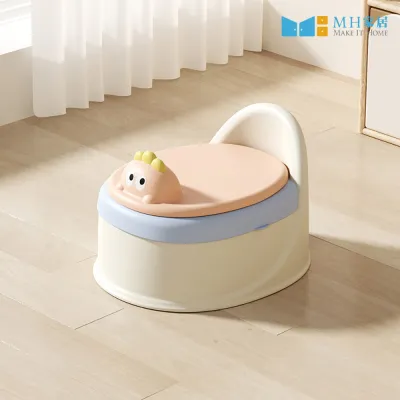
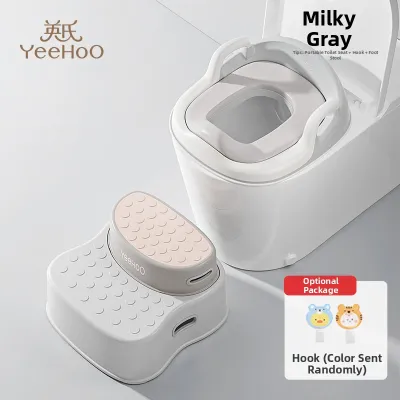
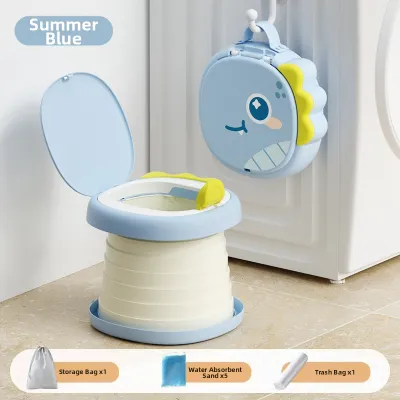

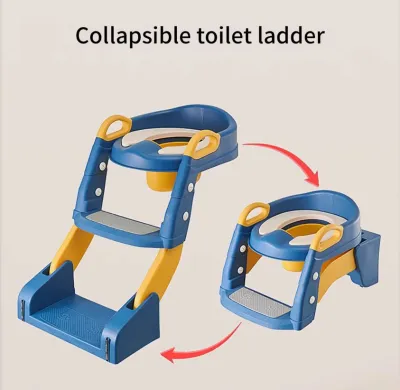
Prices are valid at publication and may change. Please refer to the product page for the latest price.
Before purchasing any model, take the time to evaluate your bathroom’s layout and your child’s temperament. If your bathroom is highly compact, a space-saving toilet seat reducer that fits directly over your existing adult toilet may be the most practical solution. Conversely, if your child is hesitant about heights or loud noises, a standalone potty chair placed in a familiar, low-pressure area of your home can provide a gentler introduction. Ultimately, the best kids toilet is one that aligns with your child’s current developmental stage, fits comfortably within your living space, and simplifies the daily cleanup routine for caregivers.
Potty Chair vs. Toilet Seat Reducer: Which Type Fits Your Child?
The first major decision you will face is choosing between a standalone potty chair and a toilet seat reducer. Both designs serve the same ultimate purpose, but they approach the task differently, offering unique advantages and trade-offs that depend on your child’s age, physical coordination, and your household’s preferences.

Standalone Potty Chairs
A standalone potty chair is a miniature, self-contained toilet that sits directly on the floor. This design is highly approachable for younger toddlers who are just beginning their potty training journey. Because it is positioned at floor level, children can easily sit down and stand up without assistance, promoting a sense of independence and control over their bodies.
- Pros: The primary benefit of a standalone potty chair is its portability. You can place it in the living room, playroom, or hallway during the early days of training, allowing your child to reach it quickly when they recognize the sudden urge to go. It eliminates the need for a step stool, and its low height is far less intimidating than a standard adult toilet.
- Cons: The main drawback is the manual labor required from parents. Every time your child uses the potty, you must empty the waste into your adult toilet, rinse the bowl, and sanitize the unit. Additionally, standalone chairs occupy floor space, which can make a small bathroom feel cluttered.
Toilet Seat Reducers (Inserts)
A toilet seat reducer is a molded ring that fits securely inside or on top of your existing adult toilet seat, narrowing the opening so your child can sit comfortably without fear of slipping through.
- Pros: This option is highly efficient because waste goes directly into the main toilet, eliminating the need to manually empty and clean a separate bowl. It saves significant floor space, making it an excellent choice for compact bathrooms. Using a reducer also helps normalize the adult toilet from the beginning, easing the eventual transition to public restrooms when traveling or visiting school.
- Cons: Because adult toilets are high off the ground, a reducer absolutely requires the use of a sturdy step stool so your child can climb up independently and support their feet while sitting. Additionally, some toddlers find the height of the adult toilet, the open water below, and the sudden, loud sound of flushing to be frightening, which can cause resistance.
Decision Factors
To decide which type is best for your family, consider your child’s physical readiness and your bathroom’s physical layout. If your child is highly independent, physically coordinated, and comfortable with heights, a toilet seat reducer paired with a stable step stool is a highly efficient, space-saving choice. However, if your child is younger, smaller, or exhibits anxiety around the main toilet, starting with a standalone potty chair provides a low-pressure, highly accessible entry point. Many families find success by starting with a standalone potty on the floor and transitioning to a seat reducer as the child grows taller and more confident. In Singapore, basic models typically start around S$15, while multi-functional designs can range up to S$60 or more, making it easy to find a solution that fits your budget.
Comfort and Usability: Features That Encourage Toddlers to Sit
A kids toilet must be physically comfortable to encourage your child to sit long enough to complete their business. If the seat is hard, cold, or causes their legs to dangle uncomfortably, they will likely resist using it.
Size, Height, and Ergonomics
Proper anatomical alignment is essential for comfortable and successful elimination. When a child sits on a kids toilet, their knees should be positioned slightly higher than their hips, creating a natural squatting posture. This specific angle relaxes the puborealis muscle and the pelvic floor, making bowel movements significantly easier and reducing the need to strain. For standalone potties, verify that the seat height allows your toddler’s feet to rest completely flat on the floor. If you choose a toilet seat reducer, you must pair it with a step stool of an appropriate height to achieve this same ergonomic angle. Additionally, look for seats with a wide, contoured design that supports the thighs without pinching, and a supportive, high backrest that helps toddlers maintain a stable, relaxed posture while they wait.
When selecting a model, check the manufacturer’s specified dimensions and weight limits to ensure the seat width matches your child’s current size. A seat that is too narrow can cause discomfort and leave red marks, while a seat that is too wide can make your child feel unstable, as if they might fall in. The surface material should be smooth and comfortable against bare skin. Some models feature padded or slightly flexible seats, which can be highly comfortable but may require more thorough cleaning to prevent moisture from getting trapped under the padding.
Splash Guards and Contained Design
Mess prevention is a major consideration for parents, particularly when training boys or active toddlers who shift positions frequently. A well-designed kids toilet features an integrated splash guard at the front of the seat. For maximum effectiveness, the splash guard should be high enough to deflect upward streams of urine back into the bowl, yet sufficiently rounded and soft to prevent injury or discomfort when the child sits down or stands up. Avoid splash guards that are too sharp or rigid, as they can pinch or scrape sensitive skin. The bowl itself should be deep and wide enough to contain splatters and prevent overflow, ensuring that both liquid and solid waste remain securely inside the unit until it is cleaned.
For families training boys, look for a splash guard that is built directly into the mold of the seat rather than a detachable piece. Detachable splash guards can easily be knocked off by an active toddler, creating a hygiene hazard, and they often feature small crevices where liquid can accumulate, making them difficult to sanitize. A seamless, integrated guard provides reliable protection while remaining easy to wipe down after each use.
Cleaning and Maintenance: Designs That Save Parents Time
Potty training is a multi-month process, meaning you will be cleaning the kids toilet hundreds of times. Selecting a design that prioritizes ease of maintenance will save you significant time and frustration.
Removable Bowls and Seamless Surfaces
If you select a standalone potty chair, look for a model with a lift-out inner bowl. This design allows you to remove only the waste receptacle for emptying and cleaning, rather than carrying the entire potty unit to the toilet. The inner bowl should feature a prominent pour spout to ensure a clean, controlled pour without dripping. Crucially, examine the construction of the entire unit for seamless surfaces. Avoid models with intricate decorative moldings, deep crevices, complex hinges, or paper stickers. In warm and humid climates, these hard-to-reach areas can quickly trap moisture, urine droplets, and bacteria, leading to persistent odors and mold growth that are incredibly difficult to eradicate.
Before purchasing, physically inspect the underside of the seat and the outer frame. High-quality models feature smooth, continuous plastic that can be wiped down in a single motion. If a model has structural ribs or hollow cavities on the underside, urine can splash upward and collect in these spaces, requiring tedious scrubbing with small brushes. Opting for a minimalist, sleek design ensures that daily sanitizing takes only a few seconds, keeping your bathroom hygienic and odor-free.
Storage, Portability, and Travel
For families living in urban apartments where space is at a premium, storage and portability are key features. Lightweight materials allow you to easily tuck the potty away when guests visit. Some standalone models feature folding legs or nesting designs that allow them to be stored compactly in a cabinet or beside the adult toilet. If your family travels frequently, visits relatives, or spends weekends outdoors, consider investing in a dedicated travel potty. These units often feature foldable legs and use disposable, absorbent liners, or they can transition into flat-folding seat reducers that fit over public restroom toilets, ensuring consistency in your child’s training routine wherever you go.
When selecting a travel-friendly model, verify how easily the folding mechanism operates. It should lock securely into place with an audible click so that it does not collapse under your child’s weight during use. Compact, foldable seat reducers should come with a washable, waterproof carrying bag to keep your diaper bag clean and hygienic when you are on the move.
Safety and Stability: Non-Negotiable Specs to Check Before Buying
Safety should always be your highest priority when selecting baby gear. A single slip or tip-over incident can frighten a toddler, causing a major setback in their potty training progress.
Non-Slip Bases
Bathrooms frequently feature ceramic or porcelain tiled floors, which can become exceptionally slick when wet. Therefore, a kids toilet must have a highly secure, non-slip base. Look for models equipped with thick rubberized rims, wide anti-slip pads, or suction cups integrated into the bottom surface. These features prevent the potty from sliding backward or sideways when your child backs up to sit down or pushes off to stand up. If you are using a toilet seat reducer, ensure that the underside of the insert features adjustable brackets or a high-friction rubber rim that grips the adult porcelain seat tightly, preventing any shifting or wobbling.
Weight Capacity and Tip-Over Resistance
Always check the manufacturer’s specified weight capacity and age recommendations on the product packaging before purchasing. Never assume suitability based on a product name or design alone, and ensure a caregiver supervises the child during use. A stable kids toilet must feature a wide, flared base that is significantly wider than the seat itself. This design lowers the unit’s center of gravity, preventing it from tipping over if your child leans heavily to one side, shifts their weight, or attempts to stand up abruptly. Avoid lightweight, top-heavy designs that wobble under minimal pressure. For toilet seat reducers, ensure the step stool you pair with it has a broad footprint, a low center of gravity, and a textured, non-slip top surface to support your child’s full weight safely.
Material Safety
Because your child’s bare skin will come into direct contact with the kids toilet daily, you must verify the safety of the materials used. Look for clear product labeling certifying that the plastic is non-toxic, BPA-free, and phthalate-free. Do not rely solely on brand reputation or aesthetic appeal; physically verify these certifications on the packaging or manufacturer’s official documentation to ensure the product meets modern chemical safety standards. High-quality, medical-grade or food-grade plastics are preferred, as they are non-porous, resistant to chemical degradation from cleaning agents, and do not leach harmful substances.
Pinch Points
Carefully inspect any moving parts, folding joints, or removable components for potential pinch hazards. If a potty chair has a folding lid or collapsible legs for travel, ensure that the mechanisms lock securely into place during use and do not leave small gaps where tiny fingers could get trapped. Removable bowls should fit snugly into the main frame without leaving loose margins that could pinch your child’s thighs or buttocks. Before allowing your child to use the toilet, perform a manual check by running your fingers along all joints and edges to ensure there are no sharp plastic seams or tight gaps.
Frequently Asked Questions (FAQ)
When is the right time to introduce a kids toilet?
There is no universal age to start potty training, as children develop physical and cognitive readiness at different times. Instead of relying on strict age guidelines, observe your child for developmental signs of readiness. These signs include staying dry for two or more hours at a time, waking up dry from naps, showing interest in the bathroom, communicating their physical needs verbally or through gestures, and possessing the physical coordination to pull their pants up and down. Rushing a child before they are ready can lead to frustration and prolonged training times, so it is best to introduce the kids toilet when they show genuine interest and readiness.
Do I need a step stool if I buy a standalone potty chair?
Generally, you do not need a step stool if you use a standalone potty chair, as these units sit directly on the floor and are low enough for toddlers to sit comfortably with their feet planted flat. However, if you choose a toilet seat reducer, a step stool is absolutely essential. The stool allows your child to climb up to the adult toilet seat safely and independently. More importantly, it provides a crucial platform for their feet to rest on while sitting, which ensures the proper ergonomic squatting posture necessary for comfortable and effective bowel movements.
How do I clean and sanitize a kids toilet properly?
To clean a kids toilet properly, always check the manufacturer’s care instructions first, as harsh chemicals can degrade certain plastics. For routine cleaning, empty the waste into your main toilet, then wash the bowl and seat with warm water and a mild, baby-safe dish soap or a gentle disinfectant. Avoid using harsh bleach, abrasive scrubbers, or boiling water, as these can warp the plastic, strip away non-slip rubber grips, or create microscopic scratches that harbor harmful bacteria. After washing, rinse the components thoroughly and allow them to air dry completely in a well-ventilated area to prevent mold growth.
Community discussion
Share your experience or ask a question. Comments are reviewed before publication.