
Potty training is a major milestone, but managing this transition within the compact layout of a Singaporean home or while navigating busy outings requires the right gear. A foldable potty seat offers a practical solution, transforming standard adult toilets into secure, toddler-sized spaces while folding down for easy storage or travel. By choosing a model that balances stability with portability, you can maintain a consistent training routine whether you are at home in your HDB flat or exploring the city.
To find the ideal seat, parents must evaluate how and where the product will be used most frequently. While some designs prioritize ultra-compact folding mechanisms for diaper bags, others focus on robust frames and integrated handles for daily home use. Understanding these distinctions ensures you select a seat that keeps your child comfortable, secure, and confident throughout their potty training journey.
Quick Guide to Choosing a Foldable Potty Seat
When selecting a foldable potty seat, the primary decision revolves around your main use case. Parents typically choose between ultra-compact travel designs that fold into quarters and sturdier, half-folding models intended for small home bathrooms. Travel-centric models prioritize a minimal footprint and lightweight materials, making them easy to slip into a backpack. Home-use models often feature thicker plastic, larger splash guards, and more substantial non-slip padding, offering a feel closer to a standard, non-folding training seat.
Products mentioned in this guide
![[SG Stock] Baby Foldable Travel Potty Seat Kids Fodling Toilet Training Seat 12M+](https://img.lazcdn.com/g/p/54298d0cd77fc65e57e532664f2d523b.jpg_400x400q80.jpg_.webp)
![[SG] Kids Travel Foldable Toilet Seat/ Baby Foldable Travel Potty Seat/ Kids Folding Toilet Training Seat Cover](https://img.lazcdn.com/g/p/d0f64ba2678c26156c57f25b7d66c912.jpg_400x400q80.jpg_.webp)
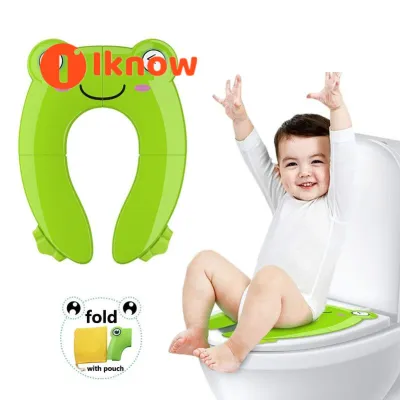
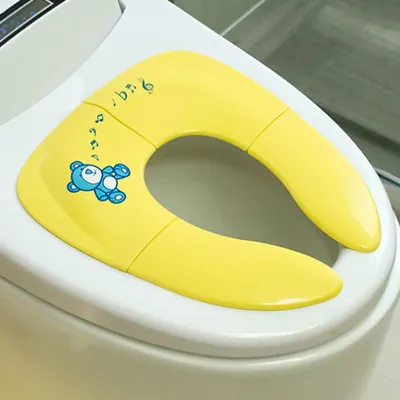
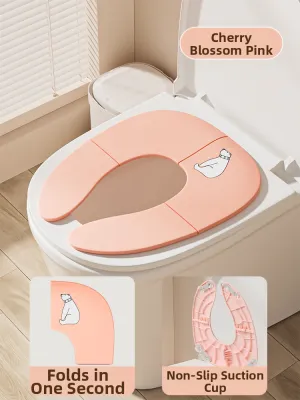
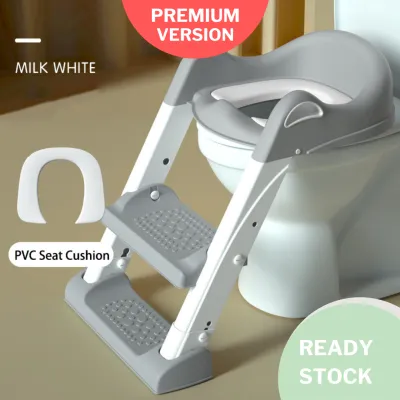
Prices are valid at publication and may change. Please refer to the product page for the latest price.
Before making any purchase, it is essential to check the manufacturer’s stated weight and age limits. Most foldable seats are designed for toddlers aged 18 months to four years, with weight capacities often ranging from 15 to 25 kilograms. Ensuring your child falls well within these guidelines is crucial for preventing structural failure or tipping during use.
Your decision path should align with your daily routine. If your primary challenge is a lack of storage space in a compact bathroom, look for a sturdy seat with built-in hanging loops. If you frequently travel, visit shopping malls, or spend weekends at family gatherings, prioritize an ultra-slim profile that comes with a dedicated, hygienic carrying case.
What to Look for in a Foldable Potty Seat
Evaluating the physical and functional features of a foldable potty seat ensures you select a model that is safe, durable, and easy to maintain. Because these seats rely on moving parts to fold, the quality of the construction directly impacts both safety and usability.

Folding Mechanism and Hinge Safety The hinges of a foldable seat are its most critical components. Look for designs that feature pinch-point prevention, which ensures that your child’s skin cannot get caught in the joints when they sit down or shift weight. High-quality models often include secure locking systems that click into place when unfolded, preventing the seat from accidentally collapsing or folding back up while in use.
Base Stability and Grip A training seat must remain firmly anchored to the adult toilet bowl to build your child’s confidence. Look for seats equipped with robust non-slip pads, silicone grips, or adjustable bottom brackets. These features prevent the seat from sliding forward or sideways, accommodating various toilet bowl shapes, including round, oval, and square designs commonly found in modern bathrooms.
Splash Guards and Ergonomic Contours An effective splash guard is essential for minimizing messes and keeping the surrounding area clean. Choose a seat with an integrated, raised splash guard that is high enough to redirect spray downward but flexible enough not to interfere with the folding mechanism. Ergonomic contours, such as gently curved seating areas and raised backrests, help toddlers maintain a comfortable, natural posture.
Material Hygiene and Maintenance Hygiene is paramount when managing potty training on the go. Prioritize smooth, non-porous plastics like high-density polypropylene, which resist staining and do not absorb odors. Avoid designs with deep, intricate crevices or fabric elements that can trap moisture and bacteria. A flat, streamlined surface allows you to wipe down and disinfect the seat quickly after each use.
Selecting a Seat for Compact Home Bathrooms
In many Singaporean homes, particularly HDB flats, bathroom floor space is highly optimized. A standard, bulky potty chair can easily clutter a small bathroom, making a foldable potty seat an excellent space-saving alternative for daily use.
Vertical Storage Solutions To keep the bathroom floor clear, look for foldable seats that feature integrated hanging loops or are compatible with wall-mount hooks. Hanging the seat on the side of the vanity, behind the bathroom door, or on the side of the toilet tank keeps it dry, clean, and out of the way of foot traffic. This vertical storage method also allows the seat to air-dry completely between uses.
Folded Footprint and Cabinet Storage If you prefer to keep training gear out of sight, measure the folded dimensions of the seat against your available storage spaces. A compact, folded seat should easily slide into narrow gaps, such as the space between the washing machine and the wall, or fit neatly inside standard under-sink cabinets. Choosing a model that folds flat ensures it does not monopolize valuable cabinet shelf space.
Encouraging Toddler Independence An ideal home potty seat should be simple enough for your toddler to handle as they grow. Look for lightweight models that unfold smoothly without requiring complex manual locks. When the seat is easy to retrieve from its storage hook and place onto the toilet, it empowers your child to take charge of their potty routine, fostering independence and reducing training resistance.
Picking a Portable Seat for Travel and Outings
Using public restrooms can be intimidating for a toddler, but bringing a familiar foldable potty seat along can ease anxiety and ensure a sanitary experience during outings, transit, or overseas trips.
Weight and Portability For travel, every gram counts. Look for seats constructed from lightweight yet durable plastics that do not add unnecessary weight to your diaper bag or carry-on luggage. The folded profile should be ultra-slim, ideally measuring only a few centimeters in thickness, allowing it to slide into the laptop sleeve of a backpack or the side pocket of a stroller organizer.
Hygienic Carrying Accessories When carrying a potty seat in a shared bag, keeping it isolated from other items is essential. Ensure the seat you choose includes a dedicated, washable carrying bag or a hard-shell protective cover. Waterproof, zippered wet bags are particularly useful, as they contain any residual moisture and can be easily tossed into the washing machine or wiped down with disinfectant wipes.
Universal Fit and Public Toilet Security Public toilet seats vary significantly in size, shape, and material. To ensure safety in unfamiliar environments, look for travel seats that claim a universal fit. Features like adjustable side wings, extendable tabs, or small suction cups on the underside help secure the seat on slick, commercial plastic toilets, preventing sudden shifts that could startle your child.
Building Your Foldable Potty Seat Shortlist
With numerous options available on online marketplaces and in baby specialty stores, structuring your search helps you avoid low-quality products and make an informed decision.
Step 1: Filter by Safety Specifications Begin your search by filtering out products that do not clearly state their safety certifications or material composition. Look for listings that explicitly mention BPA-free materials and compliance with international toy or child product safety standards (such as EN 71 or ASTM). Verify that the manufacturer’s specified maximum weight capacity comfortably exceeds your child’s current weight.
Step 2: Cross-Reference Folded Dimensions Measure the specific storage spaces you plan to use. If you have a favorite diaper bag, measure the main compartment or front pocket. Compare these measurements with the folded dimensions provided in the product specifications. Avoid assuming a seat will fit based on photos alone; always rely on the exact physical dimensions listed by the seller.
Step 3: Analyze User Reviews for Durability User reviews are invaluable for identifying potential long-term issues that are not apparent from product photos. Search reviews specifically for keywords like “hinge,” “slip,” “crack,” or “pinch.” Pay close attention to feedback regarding how well the non-slip pads hold up after repeated washing, and whether the folding joints loosen or become unstable over several months of use.
Step 4: Verify Retailer Return Policies Because potty seats are personal hygiene items, return policies can be exceptionally strict once the packaging is opened. Before purchasing, verify the retailer’s policy regarding returns and exchanges. Ensure you can inspect the physical build quality, hinge stiffness, and overall size upon arrival, allowing you to return the unused product if it is incompatible with your home toilet bowl shape.
Safety Checks and Cleaning Routines
Proper installation, regular maintenance, and consistent safety habits are essential to ensure your foldable potty seat remains a safe and hygienic tool throughout your child’s training period.
Pre-Use Stability Checks Every time you place the foldable seat onto the toilet, perform a quick manual check before your child sits down. Ensure the folding mechanism is fully extended and locked into its open position. Give the seat a gentle push from side to side and front to back to confirm that the non-slip pads are making secure contact with the adult toilet seat and that there is no excessive wobbling.
Active Supervision Requirements Foldable potty seats are designed as training aids and do not replace the need for active adult supervision. Toddlers can easily lose their balance when reaching for toilet paper or attempting to climb down. Always remain within arm’s reach of your child while they are using the seat to prevent falls and ensure they do not attempt to stand up on the toilet bowl.
Hygienic Cleaning Protocols Clean the potty seat regularly using warm water and a mild, non-abrasive dish soap or baby-safe detergent. Avoid using harsh chemical bleach, abrasive scrubbing pads, or highly concentrated alcohol wipes, as these can degrade the plastic over time and cause the silicone non-slip pads to dry out, crack, or lose their grip. Allow the seat to air-dry completely in a well-ventilated area before folding and storing it.
When to Retire and Replace the Seat Regularly inspect the seat for signs of wear and tear. Pay close attention to the plastic around the hinges, looking for hairline fractures, stress whitening, or loose metal pins. If the non-slip pads become worn down, if the locking mechanism fails to click securely, or if the plastic develops any sharp edges, retire the seat immediately and replace it to prevent accidents.
Frequently Asked Questions (FAQ)
Can a foldable potty seat be used on a squat toilet?
No, standard foldable potty seats are engineered exclusively for use on conventional, seated Western-style toilet bowls. They rely on the flat, stable rim of an adult toilet seat to support their structure and distribute the child’s weight safely. Attempting to balance or place a foldable seat over a squatting pan is highly dangerous, as the seat lacks a stable foundation, creating a severe risk of slipping, tipping, and injury. If you frequently visit environments where only squat toilets are available, consider investing in a dedicated, self-supporting portable floor potty designed for ground-level use.
Do I need a step stool with a foldable potty seat?
Yes, a sturdy step stool is highly recommended when using a foldable potty seat at home. Because the seat rests on top of a standard adult toilet, it is positioned too high for a toddler to reach independently. A step stool allows your child to climb up and down safely, reducing the physical strain on caregivers. Furthermore, resting their feet on a solid surface while seated supports a natural squatting posture, which aligns the pelvic floor muscles and makes bowel movements significantly easier and more comfortable for the child. Look for a lightweight, wide-base step stool with a non-slip top surface and rubberized feet to prevent sliding on bathroom tiles.
Community discussion
Share your experience or ask a question. Comments are reviewed before publication.