
In Singapore’s year-round tropical climate, managing household waste requires extra diligence due to high relative humidity and elevated ambient temperatures. When it comes to disposing of soiled diapers, these environmental factors accelerate the natural decomposition process, leading to rapid bacterial growth and the release of strong, unpleasant odors. To effectively contain these smells, a diaper pail must rely on a combination of robust physical seals, moisture-resistant materials, and consistent maintenance routines.
No single diaper pail mechanism is universally perfect for every household. The overall effectiveness of any system depends heavily on how well its physical barriers prevent air exchange, the efficiency of its filtration components, and how easily the unit can be cleaned. Before making a purchase, you should carefully review the manufacturer’s specifications regarding seal types, material properties, and consumable requirements to ensure they align with your household’s needs.
Furthermore, because high humidity levels create an ideal environment for microbial activity, even the most advanced sealing technology cannot replace regular maintenance. Frequent emptying and thorough sanitization of the container are just as critical to odor control as the physical design of the pail itself. Understanding these core factors will help you select a system that keeps your nursery fresh and hygienic.
Products mentioned in this guide
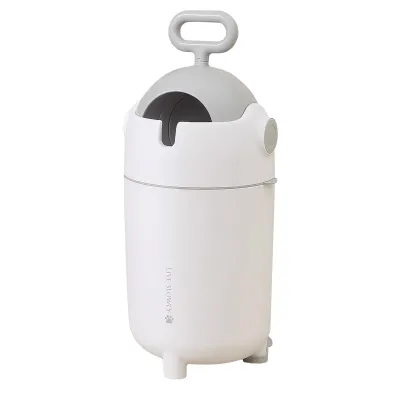
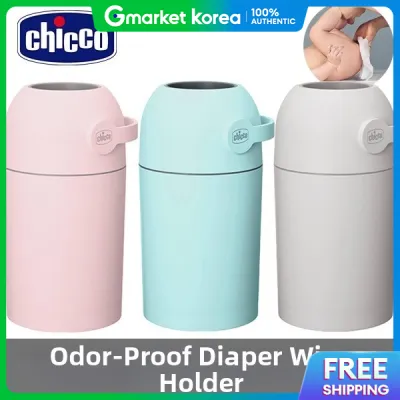
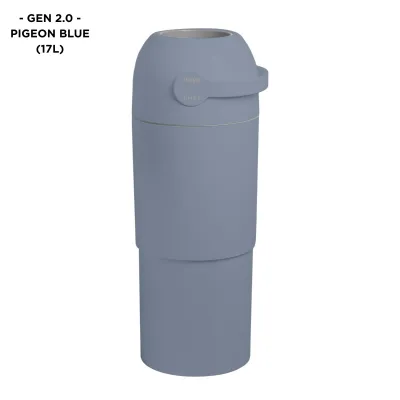
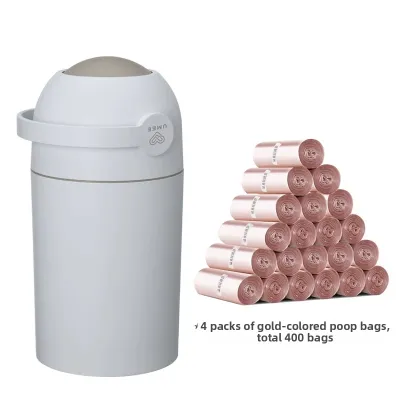
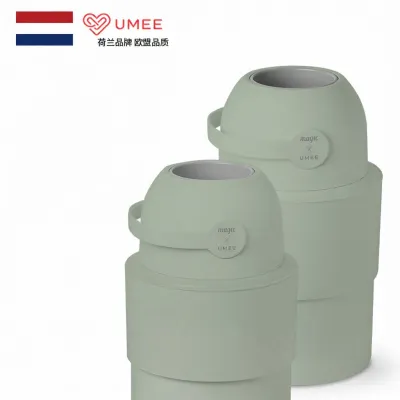
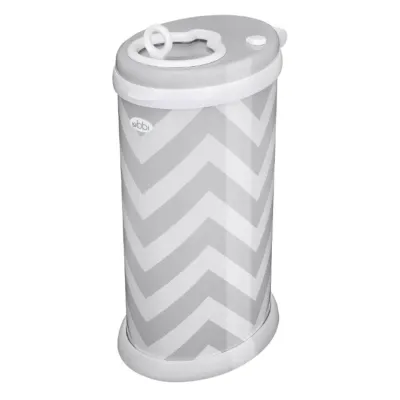
Prices are valid at publication and may change. Please refer to the product page for the latest price.
Comparing Odor-Sealing Mechanisms for Tropical Conditions
Water Seal and P-Trap Systems
Water seal or P-trap systems utilize a liquid barrier to block gases from escaping back into the room, a design principle commonly found in household plumbing. In a diaper pail context, this mechanism relies on a small reservoir of water or a liquid-sealed valve that prevents air from the waste compartment from mixing with the ambient air of the nursery. While highly effective at blocking gas migration, this system requires active monitoring when used in a warm, tropical environment.
In Singapore’s climate, standing water can evaporate relatively quickly if the room is not constantly air-conditioned. If the water level drops below the minimum threshold, the physical barrier is compromised, allowing odors to escape freely. Additionally, stagnant water in a warm environment can become a breeding ground for bacteria or insects, meaning you must commit to regular water changes and sanitization to prevent secondary hygiene issues.
Carbon Filter Systems
Many modern diaper pails incorporate activated carbon filters into their lids or ventilation compartments to neutralize airborne odor molecules. Activated carbon works through a process called adsorption, where gas molecules are physically trapped within the highly porous structure of the carbon material. This mechanism is particularly useful for catching volatile organic compounds and sulfur-based gases before they can escape into your living space.
However, high relative humidity can significantly impact the performance of activated carbon. Water vapor in the air competes with odor molecules for space within the carbon’s microscopic pores. In a humid environment, the filter can become saturated with moisture much faster than it would in a dry climate, which reduces its overall odor-absorbing capacity. When evaluating these pails, you should check the manufacturer’s recommended filter replacement schedule and expect that you may need to replace the filters more frequently during particularly humid seasons.
Physical Clamping and Twist Mechanisms
Physical clamping and twist mechanisms are designed to isolate waste by mechanically sealing the storage bag. Twist systems individually wrap each diaper in a continuous plastic film, creating a chain of tightly sealed packages that prevents gas from escaping. Clamping systems, on the other hand, use spring-loaded doors or rubber gaskets that squeeze the top of the bag shut, opening only briefly when a new diaper is inserted.
When considering these designs, it is essential to evaluate the durability and material composition of the moving parts. The rubber gaskets and silicone seals used in clamping mechanisms can degrade over time when exposed to moisture, warmth, and acidic gases. You should inspect these components regularly for signs of cracking or loss of elasticity, as a worn gasket will allow microscopic air gaps to form, rendering the physical seal ineffective.
Continuous Bag vs. Individual Bag Systems
The choice between continuous bag systems and individual bag systems involves a clear trade-off between convenience, plastic consumption, and odor exposure. Continuous bag systems allow you to pull down, cut, and tie off the bag at any point, which is highly convenient for custom emptying schedules. However, the process of cutting the bag and tying a new knot inevitably exposes you to a concentrated burst of trapped air from the main compartment.
Individual bag systems, which wrap each diaper separately, offer superior isolation because each unit is sealed immediately upon disposal. This minimizes odor exposure during the emptying process, as the main compartment does not hold a large volume of loose, unsealed waste. The primary trade-offs with individual systems are the higher ongoing cost of proprietary refills and the increased environmental impact of using more plastic film per diaper.
Evaluating Consumables, Maintenance, and Long-Term Costs
Proprietary vs. Standard Refills
One of the most significant long-term decisions when purchasing a diaper pail is whether to choose a model that requires proprietary refill cassettes or one that accommodates standard household trash bags. Proprietary refills are typically constructed from multi-layered plastic films specifically engineered to block gas permeation. These specialized films are much more effective at containing odors over several days than standard single-layer trash bags.

While standard trash bags offer excellent cost savings and convenience, they are often made of thinner, more porous polyethylene. Over time, odor molecules can slowly diffuse through the plastic itself, even if the pail’s mechanical seals remain perfectly intact. If you choose a pail that accepts standard bags, you should be prepared to empty it more frequently to compensate for the higher permeability of the plastic.
Filter and Deodorizer Replacements
Beyond the bags themselves, many diaper pails rely on secondary consumables such as carbon filters, baking soda cartridges, or scented deodorizer discs to maintain freshness. These components add a recurring expense to your household budget that can accumulate significantly over the two to three years your child will be in diapers.
Before finalizing your choice, calculate the annual cost of these secondary consumables based on the manufacturer’s recommended replacement intervals. Keep in mind that in a humid climate, you may need to replace these items up to fifty percent more often than the standard guidelines suggest, as moisture saturation accelerates their decline in effectiveness.
Cleaning and Drying Protocols
The material composition of the diaper pail’s interior plays a major role in how much odor it retains over time. Many entry-level pails are constructed from standard plastics, which are naturally porous and can absorb odor molecules over months of continuous use. Once plastic absorbs these compounds, the smell can become permanent, making the pail itself a source of odor even when empty.
To prevent this, look for pails made of non-porous materials like steel or high-density, treated plastics that resist odor absorption. Regardless of the material, you must establish a regular cleaning routine. This involves washing the disassembled parts with a mild detergent, sanitizing them, and—most importantly—allowing them to dry completely in a well-ventilated area. Reassembling a damp pail in a humid climate will inevitably lead to mold and mildew growth, compounding your odor problems.
Building Your Diaper Pail Shortlist
Space and Capacity Constraints
In Singapore, where residential spaces like HDB flats and apartments often require efficient layout planning, the physical footprint of your diaper pail is an important practical consideration. A large-capacity pail might seem convenient because it requires fewer trips to the main trash chute, but holding a large volume of soiled diapers in a warm room for several days is a recipe for severe odor buildup.
A smaller pail forces you to empty the contents more frequently, which is actually the most effective way to manage odors in a tropical climate. When planning your nursery layout, balance the physical size of the pail against your daily routine, ensuring you have enough space to access the unit easily while keeping it away from direct sunlight or heat sources like compressors and windows.
Budget and Long-Term Costs
When calculating your budget, avoid looking solely at the upfront retail price of the diaper pail, which can range from approximately S$30 for basic plastic models to over S$120 for premium steel units. A low upfront price can be deceptive if the proprietary refill bags are expensive and difficult to source locally.
Create a simple cost projection that includes the initial purchase price plus the estimated cost of refills and filters for twenty-four months. In many cases, a slightly more expensive pail that accepts standard trash bags can turn out to be significantly more economical over the long run than a cheap pail that locks you into high-priced proprietary cassettes.
Verification Checklist
Before making your final purchase from an authorized retailer or local e-commerce platform, use this checklist to verify the product details:
- Dimensions: Measure the designated spot in your nursery to ensure the pail fits comfortably without blocking walkways.
- Refill Availability: Confirm that the required refill cassettes or filters are consistently stocked by local distributors or reliable online sellers.
- Material Specifications: Check if the interior is made of powder-coated steel, aluminum, or specially treated non-porous plastic.
- Warranty Terms: Verify the duration and coverage of the manufacturer's warranty, particularly regarding mechanical parts like hinges, foot pedals, and sealing latches.
Frequently Asked Questions (FAQ)
Can I use regular trash bags in a proprietary diaper pail to save money?
While some proprietary diaper pails can physically accommodate standard household trash bags, doing so often compromises their odor-control performance. Proprietary bags are typically made of multi-layered, low-permeability plastics designed specifically to block gas molecules, whereas standard trash bags are thinner and more porous.
Further, standard bags may not align correctly with the pail’s internal clamping, twisting, or cutting mechanisms. An improper fit can create small gaps in the physical seal, allowing odors to escape into your room. If you plan to use standard bags, check the manufacturer’s guidelines first, as forcing an incompatible bag into the mechanism can sometimes damage the hinges or seals and void your warranty.
How often should I empty the diaper pail in a humid climate?
In a hot and humid climate like Singapore’s, you should empty your diaper pail every one to two days, regardless of whether it has reached its maximum physical capacity. High humidity and warmth accelerate the growth of anaerobic bacteria, which leads to rapid fermentation and intense odor development.
Rather than waiting for the pail to be completely full, establish a daily or every-other-day emptying routine. This practice prevents the accumulation of moisture and gas inside the container, making the overall environment much more hygienic and significantly reducing the risk of lingering smells escaping during diaper changes.
What should I do if the diaper pail develops a persistent smell?
If your diaper pail retains a strong odor even after being emptied, start by disassembling the unit and inspecting the rubber gaskets, seals, and filter compartments for trapped debris, moisture, or mold. Wipe down all surfaces thoroughly using a mixture of warm water and a mild, non-abrasive detergent.
After washing, it is crucial to let all components air-dry completely in a well-ventilated area, preferably under direct sunlight, before reassembling the unit. If the smell persists after a deep clean, check if the rubber seals have degraded or if the carbon filter needs replacement. For persistent issues, consult the manufacturer’s troubleshooting guide or contact their customer service to inquire about replacement parts.
Community discussion
Share your experience or ask a question. Comments are reviewed before publication.