
When caring for a newborn, every touch matters, especially during daily cleaning routines. A baby’s skin is significantly thinner and more permeable than adult skin, making it highly susceptible to irritation from rough textures and chemical residues. Selecting the right cotton ball for baby care requires looking beyond basic softness to evaluate specific material and manufacturing standards.
The primary requirement for any infant cotton product is a composition of 100% pure cotton. Many standard cosmetic options contain synthetic blends, polyester, or rayon, which can feel soft but lack the natural breathability and gentle touch required for infant skin. Pure cotton minimizes the risk of friction-induced redness and allergic reactions during routine wiping.
In addition to material purity, parents must verify the physical integrity of the cotton ball. A high-quality product should feature a lint-free or low-lint construction to prevent loose fibers from sticking to the baby’s skin, eyes, or healing areas. Unbleached processing is also a key indicator of safety, as it avoids the harsh chemical whitening agents often used in standard consumer cotton products.
Products mentioned in this guide
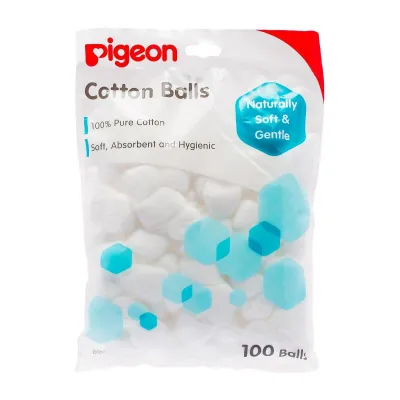
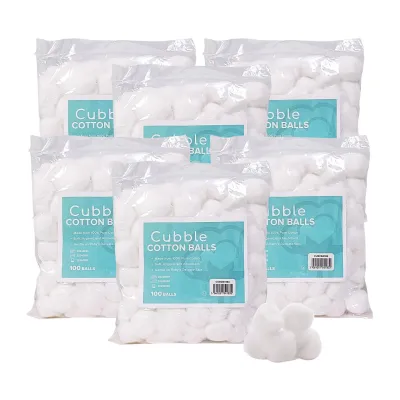
Prices are valid at publication and may change. Please refer to the product page for the latest price.
It is equally important to establish clear safety boundaries for daily grooming versus specialized care. Standard cotton balls are excellent for routine tasks like wiping outer ears, cleaning skin folds, or applying gentle lotions. However, specialized tasks such as cleaning a healing umbilical cord stump or treating minor skin abrasions require sterile, medical-grade products to prevent introducing contaminants to open wounds.
Material Purity and Processing Standards
Understanding what goes into a cotton ball requires a close look at the product packaging and ingredient list. Many products marketed for general cosmetic use contain synthetic fibers, recycled materials, or rayon mixtures. While these materials are cost-effective and highly absorbent, they often undergo intensive chemical processing and can have rougher microscopic structures that irritate delicate infant skin.
To support skin safety, look for products explicitly labeled as 100% pure cotton. Pure cotton fibers are naturally hypoallergenic, biodegradable, and exceptionally soft. They provide a gentle barrier that cleanses without stripping the skin of its natural moisture or causing micro-abrasions during repetitive wiping.
When browsing options, you will frequently encounter organic claims. To verify these claims, look for recognized third-party certifications printed directly on the packaging, such as the Global Organic Textile Standard (GOTS) or OEKO-TEX Standard 100. These certifications indicate that the cotton was grown without synthetic pesticides and processed without harmful substances, providing an extra layer of reassurance for sensitive skin.
The method used to whiten the cotton is another critical factor in material safety. Traditional cotton processing often relies on chlorine bleaching, which can leave behind trace amounts of dioxins and other chemical residues. For a baby’s sensitive skin, look for products labeled as unbleached or processed using hydrogen peroxide, which is a chlorine-free whitening method that leaves no harmful chemical footprint.
Unbleached cotton balls are easily identifiable by their natural, off-white or cream color, and they may even contain tiny, harmless dark specks of natural cotton plant matter. Choosing unbleached options eliminates the risk of chemical whitening agents coming into contact with your baby’s skin. This simple choice significantly reduces the likelihood of contact dermatitis and localized skin irritation.
Physical Traits That Protect Delicate Skin
The physical structure of a cotton ball directly influences how it interacts with your baby’s skin during use. One of the most critical structural traits to look for is a lint-free or low-lint construction. Standard cotton balls often shed loose fibers easily, which can accumulate in sensitive areas like the corners of the eyes, inside the nostrils, or around a healing umbilical cord.

These trapped fibers can cause physical irritation, itching, and even localized inflammation if not promptly removed. To test the linting tendency of a product, gently pull a cotton ball apart; high-quality baby cotton balls should stretch and hold their shape rather than instantly disintegrating into a cloud of loose fibers. This structural integrity is essential for safe, clean grooming.
Softness and fiber density are also vital for preventing friction redness. A baby’s skin barrier is delicate, and repeated wiping with a coarse or loosely bound cotton ball can quickly lead to chafing. High-density cotton balls maintain their shape and cushioning effect even when wet, ensuring a soft, smooth glide across the skin without requiring excessive pressure from your fingers.
Absorbency is another key performance metric to evaluate. A good baby cotton ball must absorb liquids efficiently, allowing you to cleanse the skin with minimal passes. However, it should not over-saturate or hold onto water so tightly that it leaves the skin dripping wet, as excess moisture trapped in baby skin folds can lead to diaper rash or fungal infections.
The suitable cotton ball strikes a balance, absorbing enough water or saline solution to cleanse effectively while releasing it gently under light pressure. This controlled moisture delivery ensures that the skin is cleaned thoroughly without being subjected to unnecessary wetness or prolonged exposure to dampness.
Sterility, Safety, and Packaging Considerations
When selecting cotton products, parents must distinguish between sterile and non-sterile options. Non-sterile cotton balls are highly suitable for daily, non-invasive grooming tasks, such as wiping away dried tears from the outer eye area, cleaning around the outer ear, or wiping down skin folds during diaper changes. These products are clean but have not undergone a sterilization process.
Sterile cotton balls, often classified as medical-grade, are treated to ensure they are completely free of microorganisms. These are necessary for specialized care tasks, such as cleaning a newborn’s umbilical cord stump, managing minor cuts or scratches, or caring for a baby with a compromised immune system. Using sterile products in these scenarios minimizes the risk of introducing external bacteria to vulnerable areas.
The way cotton balls are packaged plays a significant role in maintaining their hygiene and usability over time. In humid climates like Singapore, open or poorly sealed packaging can allow moisture to penetrate the cotton, creating a favorable environment for mold, mildew, and bacteria. Therefore, the structural integrity of the packaging is just as important as the product itself.
Look for cotton balls packaged in secure, resealable zip-lock bags or rigid plastic dispensers with tight-fitting lids. These designs protect the unused cotton from airborne dust, humidity, and accidental splashes in the bathroom. Avoid products packaged in simple plastic sleeves that cannot be closed securely after opening, as these expose the remaining cotton to environmental contaminants.
For greater safety, especially when traveling or preparing a diaper bag, consider individually wrapped sterile cotton balls or small, travel-sized resealable packs. This ensures that each cotton ball remains clean and dry until the exact moment of use, preventing cross-contamination from other items in your bag.
Building a Safe Grooming and Care Checklist
To simplify your shopping experience, whether you are browsing a local pharmacy shelf or searching an online marketplace, keep a practical checklist in mind. First, verify the material composition on the label, ensuring it states 100% pure cotton rather than generic cotton blend or synthetic fibers. Second, look for clear indications of chlorine-free processing, such as unbleached or oxygen-bleached.
Next, check for reputable third-party safety certifications like GOTS or OEKO-TEX to confirm the absence of harmful chemical residues. Finally, examine the packaging to ensure it features a reliable resealable seal that will protect the contents from humidity and dust in your home environment.
While using cotton balls, monitor your baby’s skin closely for any signs of irritation. Stop using a specific brand immediately if you notice excessive lint shedding during use, persistent skin redness after wiping, or if the packaging seal is compromised upon purchase. These are clear indicators that the product may not be suitable for your baby’s sensitive skin.
Always consult a pediatrician if your baby develops persistent skin rashes, localized swelling, or signs of infection around the eyes or umbilical cord. A healthcare professional can provide tailored advice on specialized wound care and recommend specific medical-grade sterile products if your baby’s skin requires extra protection.
Frequently Asked Questions (FAQ)
Can I use regular adult cotton balls for my baby?
Standard cosmetic cotton balls designed for adults are often processed with chemical whitening agents and may contain synthetic blends that are too abrasive for infant skin. They also tend to shed more lint, which can easily get trapped in a baby’s eyes, nose, or skin folds, leading to irritation or localized inflammation. While they may be acceptable in an emergency for wiping intact skin, it is best to avoid using them for daily infant grooming or sensitive areas. For routine baby care, prioritize products specifically labeled for infants or those verified as 100% pure, unbleached, and low-lint.
Are cotton pads better than cotton balls for baby care?
Both cotton pads and cotton balls have distinct structural advantages depending on the grooming task at hand. Cotton pads offer a larger, flat surface area, making them highly efficient for wiping flat surfaces like the forehead, cheeks, or thighs during diaper changes. They are also typically pressed tightly, which reduces lint shedding. Cotton balls, on the other hand, are highly flexible and conform easily to small skin crevices, behind the ears, and around the nose. Having both formats on hand allows you to choose the most appropriate tool for each specific cleaning task.
Community discussion
Share your experience or ask a question. Comments are reviewed before publication.