
A reliable cot organizer transforms a chaotic midnight diaper change into a smooth, efficient routine by keeping essential items exactly where you need them. When your baby wakes up in the middle of the night, every second spent searching for a clean diaper, a fresh pack of wipes, or a misplaced pacifier can escalate a minor fuss into a fully awake, crying infant. By positioning these critical supplies within arm’s reach of the cot, you minimize movement, keep lighting low, and help your baby transition back to sleep much faster. Selecting the ideal organizer requires a careful evaluation of how its design, pocket layout, and materials align with your specific nursery setup and nighttime habits.
In compact living spaces, such as apartments where nursery space is at a premium, maximizing vertical storage on the cot frame is a practical way to keep the room organized. However, not all organizers are created equal, and a poorly designed model can cause more frustration than convenience. A successful choice balances accessibility with strict safety considerations, ensuring that the storage unit remains secure, clean, and completely out of your baby’s reach. By focusing on practical design details, you can select a storage solution that supports your nighttime routine for months to come.
Key Features for Nighttime Accessibility
Operating in a dimly lit nursery requires storage solutions that are intuitive to use by touch alone. The type of closures on your cot organizer plays a significant role in maintaining a peaceful sleep environment. Loud hook-and-loop fasteners or stiff, noisy zippers can easily startle a light sleeper, undoing your efforts to keep the atmosphere calm. Instead, look for open-top compartments or quiet magnetic snaps that allow you to retrieve diapers and wipes silently without making any sudden, sharp noises.
Products mentioned in this guide
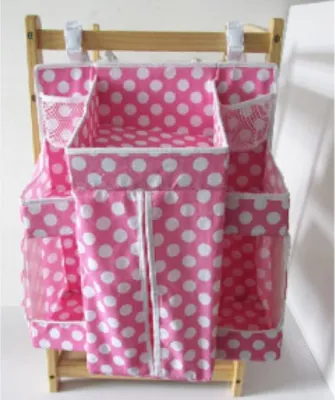
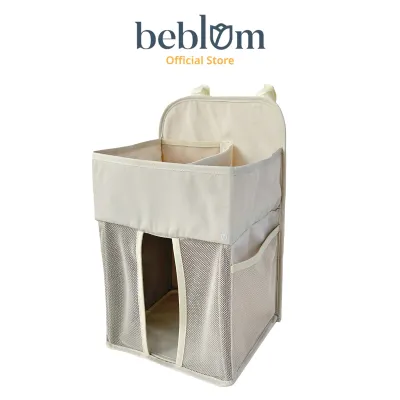
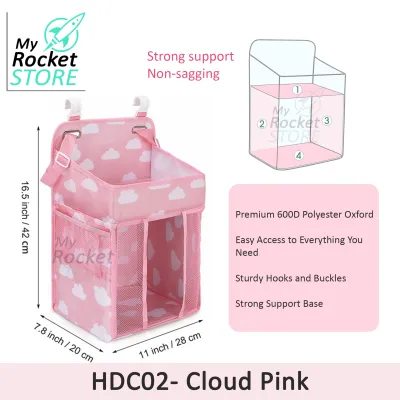
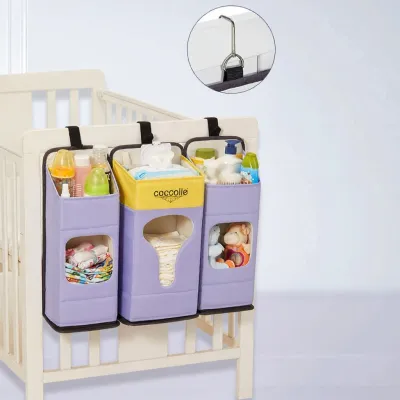
![[Ready Stock in SG] Multifunctional Baby Infant Newborn Diaper Nappy Stacker Organizer Crib Hanging bag [Little Gems]](https://img.lazcdn.com/g/p/a97d47f7037a82418a0c42d1915aba4f.jpg_400x400q80.jpg_.webp)

Prices are valid at publication and may change. Please refer to the product page for the latest price.
Structural rigidity is another critical feature that directly impacts how easily you can grab items with one hand. Flimsy fabric organizers tend to sag, collapse, or fold inward when they are only partially filled, which can trap items inside and require you to use both hands to pry a pocket open. Organizers designed with reinforced backboards, stiffened pocket edges, or internal plastic inserts maintain their shape regardless of how much gear is stored inside. This structural integrity ensures that pockets remain wide open and accessible, even when you are holding a squirming baby with your other arm.
Visibility in low-light conditions is a common challenge during late-night feedings and diaper changes. While you want to avoid turning on bright overhead lights that disrupt sleep cycles, finding small items in a dark pocket can be incredibly frustrating. Consider organizers that feature high-contrast interior linings, such as light grey or pastel fabrics inside a darker exterior shell, which reflect ambient light and make dark objects stand out. Some designs also incorporate subtle reflective piping or light-colored tabs along the pocket borders, helping you orient your hands quickly without needing to switch on a torch.
Pocket Configurations for Diapers, Wipes, and Bottles
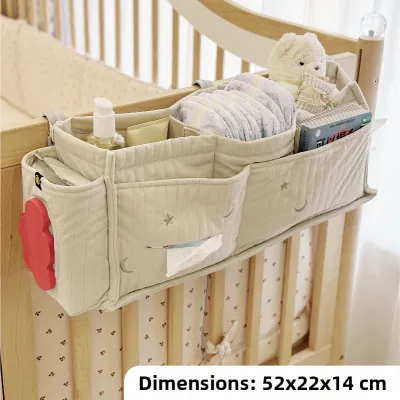
An effective cot organizer must accommodate a specific mix of bulky supplies and tiny essentials, requiring a thoughtful variety of pocket shapes and sizes. The primary compartment should feature wide, gusseted pockets capable of holding a substantial stack of diapers and a full-sized, heavy wipe dispenser. If the pocket is too tight, pulling out a single wipe can cause the entire container to lift or jam, which defeats the purpose of quick-access storage. Ensure the diaper compartment is deep enough to prevent diapers from falling out but shallow enough that you do not have to dig to reach the last few items.

For parents who feed their babies during the night, dedicated bottle storage is a necessity. Look for organizers that include insulated or highly elasticized side slots designed to keep bottles upright and secure. These specialized compartments help prevent accidental leaks and spills that could ruin dry diapers or seep into the fabric of the organizer itself. While insulation can help maintain the temperature of a prepared bottle for a short period, the primary benefit of these slots is stability, ensuring that a bottle does not tip over when you reach for a diaper.
Smaller, easily misplaced items like pacifiers, thermometer strips, and small tubes of diaper cream require secure, dedicated spaces to prevent them from getting lost at the bottom of larger pockets. Look for small slip pockets or zippered compartments located near the top of the organizer. Having a designated “pacifier pocket” ensures you can locate a spare soothing pacifier instantly in the dark, rather than searching through piles of diapers. Keeping these small items separated also prevents them from becoming hygiene risks by coming into contact with soiled surfaces or leaking liquids.
Material Qualities and Safety Boundaries
Because a cot organizer hangs in close proximity to your baby’s sleeping area, the safety and cleanliness of its materials are paramount. Always check the manufacturer’s labels and product specifications to verify the material composition of the fabric. It is essential to confirm that the materials used are free from harmful chemicals and meet local consumer safety standards for nursery products. Since babies eventually learn to reach out and touch objects near their cot, choosing non-toxic, breathable fabrics provides peace of mind as your child grows and becomes more active.
Nursery storage is highly susceptible to spills, milk leaks, diaper cream smudges, and dust accumulation. To maintain a hygienic environment, prioritize organizers with wipeable interior linings or those made from fully machine-washable fabrics. A water-resistant coating inside the pockets allows you to quickly clean up any spills with a damp cloth or baby wipe, preventing the growth of mold or mildew in humid climates. If the organizer features removable structural boards, verify that they can be easily slid out so the fabric shell can be tossed into the washing machine for a thorough cleaning.
Physical safety hazards must be carefully evaluated before hanging any accessory on or near a baby’s cot. Inspect the organizer thoroughly for loose threads, long decorative ribbons, or easily detachable small parts like buttons or plastic toggles, which can pose choking or entanglement risks. Additionally, ensure that any structural frames or support hooks are padded or positioned in a way that prevents hard edges from contacting your baby. As a general safety rule, if your baby is old enough to pull themselves up to a standing position in the cot, you should reassess the placement of the organizer to ensure they cannot use it as a step or pull it down onto themselves.
Attachment Mechanisms and Cot Compatibility
A cot organizer is only as useful as its connection to your specific cot model, making compatibility a primary purchasing consideration. Before buying, measure the thickness of your cot’s top rail and the spacing between the vertical slats, then compare these dimensions against the organizer’s attachment straps. Many organizers use adjustable buckle straps, heavy-duty hook-and-loop bands, or rigid plastic hooks. Ensure the straps are long enough to wrap securely around your cot’s frame without slipping or sliding along the rail when the organizer is fully loaded with heavy items.
The attachment method must never compromise the structural integrity of the cot or create safety hazards for your sleeping baby. Avoid any mounting systems that require drilling into the wood or modifying the cot frame, as this can void your manufacturer’s warranty and weaken the structure. The organizer should hang flush against the outside of the cot, leaving no loose straps, long cords, or wide gaps where a baby’s limbs or head could potentially become trapped. If the organizer sags inward toward the mattress, it poses a suffocation hazard and must be adjusted or removed immediately.
Always consult your cot manufacturer’s safety guidelines and user manual before installing any aftermarket accessories. Some modern cot designs, particularly those with curved rails or solid back panels, may not safely accommodate standard hanging organizers. If you find that the mounting hardware conflicts with the safety warnings of your cot, do not attempt to modify the straps or force a fit. In such cases, it is safer to mount the organizer on a nearby wall or place it on a changing table adjacent to the cot rather than risking an unstable attachment.
Building Your Shortlist: Pre-Purchase Checklist
To find the right cot organizer on online marketplaces or in local nursery boutiques, start by taking a precise inventory of the items you plan to store. Lay out your typical nighttime essentials—such as six diapers, a full pack of wipes, two pacifiers, a bottle, and a change of clothes—and use this physical pile to estimate the volume and pocket count you actually need. This exercise prevents you from purchasing an oversized organizer that overwhelms your nursery space, or an undersized one that leaves half your supplies sitting on the floor.
When comparing different models, evaluate the price-to-feature ratio in S$ to ensure you are getting genuine value rather than just a low price. While budget-friendly options are widely available, investing slightly more in an organizer with reinforced panels, durable stitching, and machine-washable fabrics often saves money in the long run by outlasting the wear and tear of daily use. Consider how long you plan to use the organizer; a durable model can transition to storing toys, books, or art supplies as your baby grows into a toddler.
Finally, always verify the retailer’s return policy and the product’s specific care instructions before making your final purchase. Because cot dimensions and rail shapes vary significantly, there is always a chance the organizer may not fit your specific setup as securely as expected. A flexible return policy allows you to test the fit on your cot at home without financial risk. Checking the care instructions beforehand also ensures you do not accidentally ruin a structured organizer by washing it incorrectly, keeping your nursery storage clean, safe, and functional.
Frequently Asked Questions (FAQ)
Can a cot organizer be used on a bassinet or bedside sleeper?
Bassinets and bedside sleepers typically feature much thinner frames, fabric walls, or unique curved rails that are not designed to support the weight of a standard cot organizer. Attempting to attach a large organizer to these smaller sleep spaces can cause the unit to sag, tilt the bassinet, or create dangerous gaps and entanglement hazards near your newborn. Always check your bassinet manufacturer’s specific accessory guidelines before mounting anything to the frame. If a standard organizer does not fit securely without sagging, it is safer to use a small bedside table or a freestanding storage cart nearby.
How often should the cot organizer be washed?
You should always follow the specific washing instructions on the manufacturer’s care label to prevent the fabric from shrinking, warping, or losing its water-resistant properties. Rather than adhering to a strict calendar schedule, establish a routine of spot-cleaning any spills, milk leaks, or diaper cream smudges immediately with a damp cloth to prevent stains and odors. A full wash is recommended if the organizer becomes visibly soiled, dusty, or after your baby recovers from an illness. Regular inspections for dust accumulation help maintain a clean breathing environment for your baby.
Community discussion
Share your experience or ask a question. Comments are reviewed before publication.