
Finding a comfortable pregnant support belt for extended daily wear in Singapore’s warm and humid climate requires balancing adequate physical support with breathability. Because comfort is highly subjective and depends on individual body changes, there is no single universally ideal brand. Instead, the focus should be on identifying the right materials, support structures, and adjustability features that match your specific needs, body shape, and current pregnancy stage.
When navigating the daily commute on the MRT, walking through humid outdoor spaces, or sitting for long hours in air-conditioned offices, your body experiences rapid temperature shifts and physical strain. A support belt should act as a gentle, flexible aid rather than a restrictive constraint. By understanding how different designs interact with your body and the local environment, you can make an informed decision that keeps you comfortable from the first trimester through to your delivery day.
Key Features for All-Day Comfort in a Tropical Climate
Singapore’s year-round high humidity and warmth present a unique challenge for maternity wear. Standard support belts designed for cooler climates often rely on thick, heavy elastic bands that trap heat and sweat against the skin. When selecting a belt for all-day wear, the material composition is the most critical factor in preventing discomfort, heat rash, and skin irritation.
Products mentioned in this guide
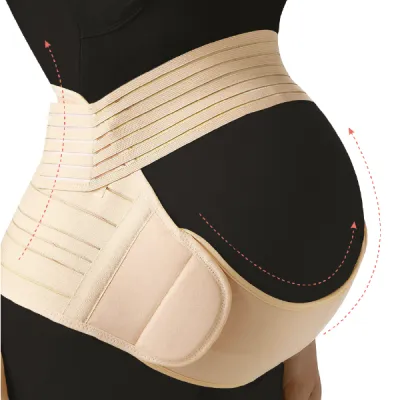
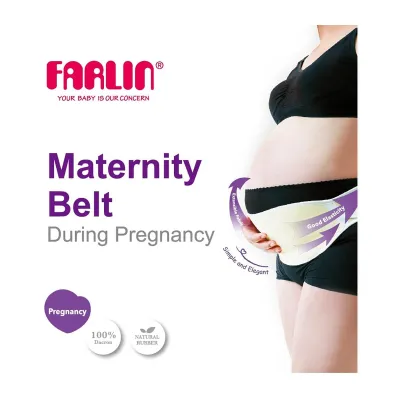
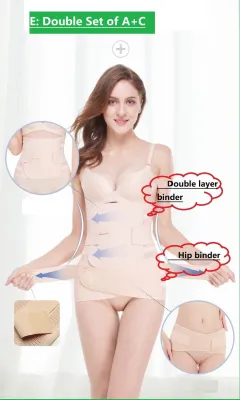
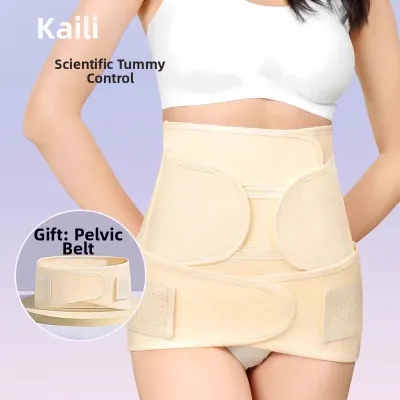
Prices are valid at publication and may change. Please refer to the product page for the latest price.
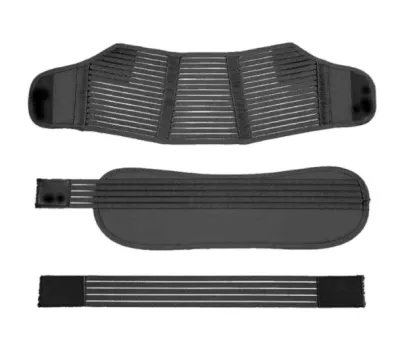
Look for belts that incorporate highly breathable and moisture-wicking fabrics. Mesh panels, perforated elastics, and open-weave structures are excellent design elements that allow air to circulate freely around your lower back and abdomen. These features help dissipate body heat and facilitate the rapid evaporation of sweat, keeping your skin dry even during outdoor walks or commutes. Natural fiber blends, such as those containing bamboo-derived viscose or lightweight cotton, can also offer a soft touch against sensitive skin while maintaining reasonable breathability.
The construction of the seams and edges is another vital consideration for prolonged wear. Seamless designs or flat-lock stitching are highly preferred because they minimize friction against the skin. As you walk, sit, and move throughout the day, prominent seams can rub against your expanding belly and hips, leading to painful chafing and redness. Choosing a belt with smooth, bound edges or a completely seamless transition between panels ensures that the garment moves with your body rather than scraping against it.
Additionally, prioritize lightweight materials that provide structural integrity without adding unnecessary bulk under your clothing. A bulky support belt can make you feel overly insulated and may restrict your choice of maternity outfits. Modern maternity wear engineering utilizes high-tension, lightweight synthetic fibers that deliver robust support while remaining incredibly thin. This low-profile design allows you to wear the belt discreetly under lightweight office wear or casual dresses without feeling weighed down or excessively warm.
Evaluating Support Structures and Adjustability
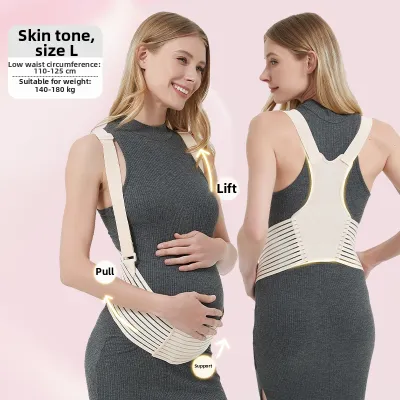
As your pregnancy progresses, your center of gravity shifts forward, placing increased strain on your lower back, pelvis, and abdominal muscles. To alleviate this pressure effectively, you must choose a support structure that aligns with your specific physical discomforts and daily activity levels. Support garments generally fall into two main categories: lower abdominal lifting bands and full-coverage belly wraps.

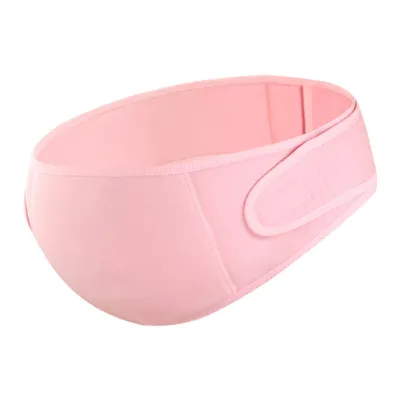
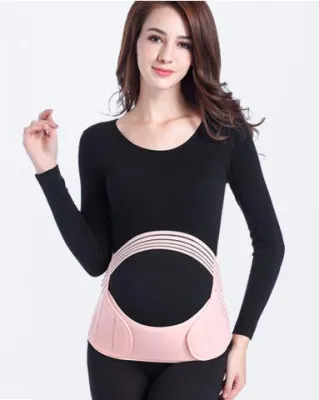
Lower abdominal lifting bands are designed to cradle the underside of your belly, gently lifting the baby’s weight to relieve pressure on your pelvic floor and bladder. These bands are typically narrower and less restrictive, making them highly suitable for targeted relief and excellent for warm weather due to their minimal skin coverage. On the other hand, full-coverage belly wraps extend over the entire abdomen, providing comprehensive compression and support. These wraps are often favored by those experiencing generalized backaches or those who prefer a more secure, enveloped feeling, though they do cover more surface area and may feel warmer.
Adjustability is paramount because your body shape changes weekly, if not daily. A high-quality support belt must feature strong, durable fasteners—typically high-grade hook-and-loop closures—that allow for precise micro-adjustments. Avoid belts with rigid, pre-set fastening positions that do not accommodate gradual physical changes. The ability to tighten or loosen the belt by millimeters ensures that you can adapt the fit to your comfort level whether you are standing during a presentation, sitting at a desk, or walking to lunch.
Furthermore, the belt must distribute weight evenly across your hips and lower back. A poorly designed belt may concentrate all the tension in one narrow strip, which can dig into your flesh and exacerbate localized pain. Look for designs that feature a wider back panel to disperse the load across a larger surface area. This even distribution helps stabilize the pelvis and support the lumbar spine without restricting your natural movement, breathing, or digestion.
What to Verify Before Purchasing Online or In-Store
With numerous options available on online marketplaces and in physical maternity boutiques across Singapore, making the right purchase requires careful verification. Relying solely on your pre-pregnancy clothing size or standard small-medium-large labels often leads to an incorrect fit. Because pregnancy alters your body shape in unique ways, you must take active steps to verify the sizing and suitability of any belt before committing to it.
First, always cross-reference the manufacturer’s specific sizing chart with your current physical measurements. Use a flexible measuring tape to measure the circumference of your lower back and under your belly, where the belt will actually sit. Do not measure your natural waistline, as this does not reflect the placement of a support garment. Keep in mind that your measurements will change as your pregnancy advances, so if you are near the upper limit of a size bracket, it is often wise to choose the larger size or opt for a highly adjustable model that offers room for growth.
Second, pay close attention to the return and exchange policies of online retailers. Maternity support belts are close-fitting garments, and many retailers classify them as intimate wear or hygiene-sensitive items, which may restrict returns once the packaging is opened. Before purchasing from an online marketplace or brand website, verify whether they allow exchanges for different sizes. If you are uncertain about the fit, look for retailers that offer clear customer support channels or physical showrooms where you can seek guidance.
Third, if you have the opportunity to visit a physical store, perform a comprehensive movement test during the fitting. Do not simply stand in front of the mirror to assess the fit. Instead, sit down on a chair, bend forward as if to tie your shoes, and walk around the store for a few minutes. Observe how the belt behaves during these transitions. Does the top edge roll down? Does the bottom edge dig into your thighs or groin? Does the belt slip upward when you sit? A belt that shifts or digs in during a brief trial will likely cause significant discomfort during an eight-hour workday.
Safe Usage Guidelines and When to Stop
While a pregnant support belt can provide immense relief, it is designed to be a temporary supportive aid rather than a permanent structural replacement for your muscles. Overusing a support belt can lead to muscle dependency, where your core and back muscles become underactive and weaken over time. To maintain your physical strength and protect your skin, you must follow safe usage guidelines.
Most manufacturers and healthcare professionals recommend limiting the wear time of a support belt to a few hours at a time, typically not exceeding three to four hours of continuous use, or a total of half a day. Take regular breaks by removing the belt entirely to allow your muscles to engage and your skin to breathe. This is especially important in Singapore’s humid climate, where trapped moisture can quickly lead to heat rash or fungal skin infections if the skin is not allowed to dry completely.
You must also remain highly attentive to your body’s signals and recognize warning signs that indicate the belt is too tight or improperly positioned. If you experience skin redness that does not fade quickly, localized itching, restricted or shallow breathing, or any unusual changes in fetal movement, remove the belt immediately. The belt should provide a gentle lift and support, never a tight, constricting compression that alters your natural breathing patterns or puts direct pressure on the uterus.
Finally, remember that a support belt is a tool to manage mild to moderate discomfort, not a cure for underlying medical issues. If you are experiencing severe pelvic girdle pain, sharp lower back pain, or have been diagnosed with specific pregnancy complications, do not rely solely on a retail support garment. Consult your obstetrician, gynecologist, or a specialized women’s health physiotherapist. They can provide personalized advice, recommend specific therapeutic exercises, or prescribe medical-grade orthotic supports tailored to your clinical needs.
Frequently Asked Questions (FAQ)
Can I wear a pregnant support belt while sleeping?
Generally, you should remove your pregnant support belt before going to sleep. When you lie down, the gravitational pull on your abdomen changes, reducing the immediate need for the upward lift provided by a daytime belt. Wearing a restrictive elastic band while sleeping can impede blood circulation, restrict your breathing as your body relaxes, and prevent your skin from recovering from daytime sweat and friction. If you require physical support during the night to manage pelvic or back discomfort, it is usually better to use specialized maternity pillows that support your belly and knees without compressing your body. In rare cases where a healthcare provider recommends specific nighttime compression or support garments, ensure you follow their precise instructions and use products specifically designed for overnight wear.
How do I clean and maintain the belt in a humid climate?
Proper maintenance is essential to preserve the elasticity of the belt and prevent the buildup of bacteria, mold, and odors in Singapore’s humid environment. Always check the manufacturer’s care label before washing, as many support belts contain specialized elastic fibers and hook-and-loop fasteners that can be damaged by high heat. It is generally recommended to hand wash the belt in cool or lukewarm water using a mild, hypoallergenic detergent. If using a washing machine, place the belt in a mesh laundry bag and select a gentle cycle to prevent the fasteners from snagging on other fabrics. Avoid using fabric softeners, as they can leave a residue that degrades the elastic fibers over time. After washing, squeeze out excess water gently without wringing, and hang the belt to air dry in a well-ventilated indoor space or a shaded outdoor area. Ensure the belt is completely dry before storing it in your wardrobe to prevent mildew growth.

Community discussion
Share your experience or ask a question. Comments are reviewed before publication.