
Finding the right nursing chair is essential for maintaining comfort and proper posture during long, frequent breastfeeding sessions. While any comfortable seat might work for a quick feed, extended nursing requires specific upholstery materials, supportive cushioning, and ergonomic design features to prevent back, neck, and arm fatigue. This guide breaks down the critical material and structural differences to help you evaluate options, verify manufacturer specifications, and make an informed purchase that suits your physical needs and home environment.
Evaluating Upholstery Materials for Breathability and Easy Cleaning
Selecting the right upholstery material is a balance between skin comfort and practical maintenance. Cotton-linen blends offer excellent breathability and a soft, natural feel against the skin, which is highly beneficial during warm afternoons or long contact naps. However, natural fibers tend to absorb liquids quickly, making immediate spot cleaning essential to prevent deep stains from milk spills or spit-ups.
Performance fabrics, often made from tightly woven synthetic fibers, provide enhanced durability and water resistance. These materials allow liquids to bead on the surface temporarily, giving you time to wipe away messes before they sink into the cushion. While highly practical, some performance weaves can feel less breathable than pure natural fibers, potentially trapping body heat during extended feeding sessions.
Products mentioned in this guide

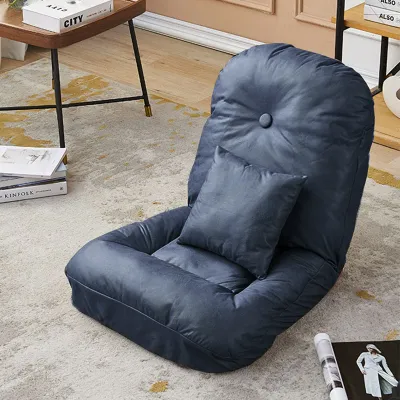
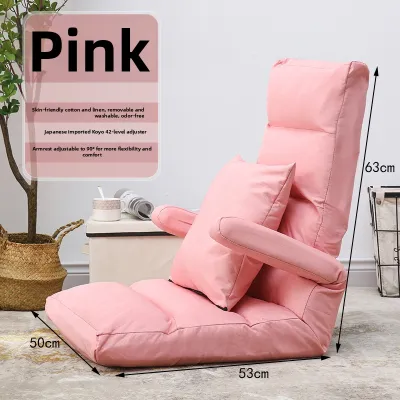
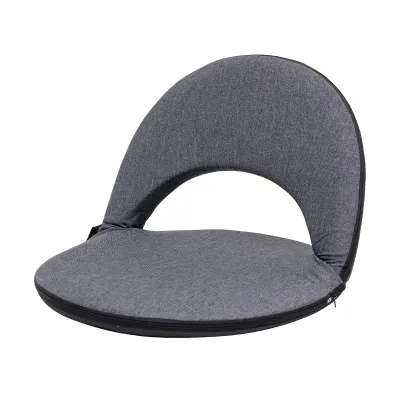
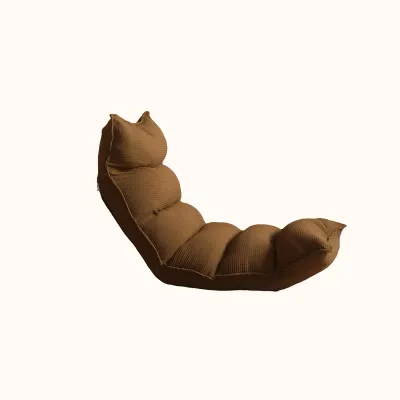
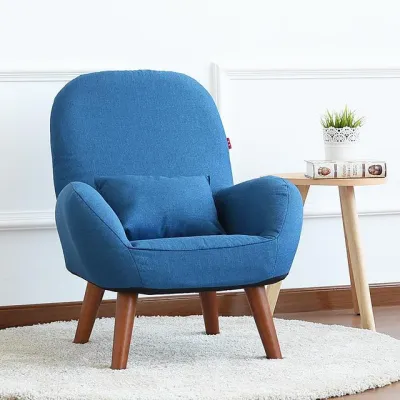
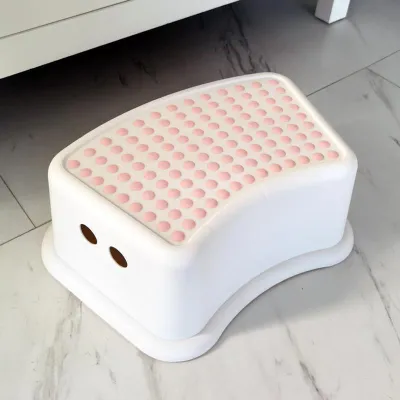
Prices are valid at publication and may change. Please refer to the product page for the latest price.
Faux leather and polyurethane (PU) materials offer the easiest cleanup, requiring only a quick wipe with a damp cloth. They do not absorb liquids, making them highly resistant to odors and staining over time. The trade-off is temperature regulation; faux leather can feel cold initially and may become sticky or warm when sitting for long periods, especially in Singapore’s humid climate.
Before purchasing, always check the manufacturer’s care label to determine if the chair features fully removable, machine-washable slipcovers or if it is restricted to spot-cleaning only. Removable covers offer a significant advantage for long-term hygiene, but you must verify the specific washing instructions to avoid fabric shrinkage.
Additionally, avoid assuming a fabric is inherently stain-proof, antimicrobial, or non-toxic based on marketing names alone. Instead, inspect the product tag or official specifications to verify certified fabric treatments and safety standards, ensuring the material is safe for direct contact with your baby’s sensitive skin.
Choosing Cushion Types and Firmness for Extended Support
The internal construction of the seat cushion determines how well the chair supports your body weight over hours of use. High-density polyurethane foam is a standard choice that offers a firm, supportive base, preventing your hips from sinking too deeply into the frame. This firmness is crucial because a seat that is too soft makes it difficult to stand up safely while holding a sleeping baby.

Memory foam cushions provide excellent pressure relief by contouring to your body shape, which can alleviate lower back and hip discomfort. However, memory foam tends to retain body heat and can create a “sinking” sensation that restricts movement when you need to adjust your feeding position. Some manufacturers combine a memory foam top layer with a high-density foam base to balance contouring comfort with structural support.
Spring-core cushions, similar to those found in high-quality mattresses, utilize pocketed coils wrapped in foam layers. This design offers superior rebound and longevity, maintaining its shape and support level even after years of daily use. Spring-core options provide excellent weight distribution, reducing pressure points on your tailbone during prolonged sitting.
When evaluating cushions, check the product specifications for foam density ratings, usually expressed in kilograms per cubic meter. Higher density indicators generally correlate with better durability and support. It is also wise to plan for regular visual inspections of the seat cushion after initial use, checking for early signs of sagging or permanent deformation that could compromise your spinal alignment.
Identifying Ergonomic Design Features to Reduce Fatigue
Ergonomic design features are essential for preventing repetitive strain injuries in your neck, shoulders, and lower back during feeding. The armrests should be wide, well-padded, and positioned at a height that allows your elbows to rest naturally without raising your shoulders. If the armrests are too low, you will find yourself hunching forward; if they are too high, your shoulders will remain tense, leading to upper back fatigue.
A tall backrest is critical to support your head and neck, especially during late-night feeds when you are prone to nodding off. Built-in lumbar support helps maintain the natural inward curve of your lower spine, reducing the tendency to slouch when holding your baby. If a chair lacks built-in lumbar contouring, you may need to supplement it with a dedicated support pillow to maintain proper alignment.
Gliding and reclining mechanisms add significant functional value by allowing you to shift positions smoothly without disrupting a feeding baby. A gentle gliding motion can help soothe a restless infant, while a reclining backrest helps distribute your body weight more evenly, taking pressure off your spine. Ensure the reclining mechanism operates quietly and smoothly, without sudden jerks or loud clicks.
A matching footstool or ottoman is highly recommended to elevate your feet, which improves circulation and reduces lower back strain. Elevating your knees slightly above your hips also creates a more supportive lap angle for holding a nursing pillow. When it is time to stand up, a footstool that can be easily pushed aside or a glider with a locking mechanism will provide the stable footing needed to rise safely.
Checking Space, Stability, and Safety Limits for Your Home
Before finalizing your choice, measure the designated nursery space carefully against the chair’s maximum footprint. Keep in mind that a reclining or gliding chair requires significant clearance behind the backrest and in front of the footrest to operate safely. Failing to account for this operational clearance can result in the chair bumping into walls or other furniture, damaging both the chair and your home.
Base stability is a critical safety factor, particularly as your baby grows into a curious toddler who may try to climb the furniture. Look for a wide, heavy base that resists tipping when weight is shifted to the front edge of the seat. Inspect the underside of the chair to identify any exposed pinch points, gears, or tension springs in the gliding or reclining mechanisms, ensuring they are shielded from small, exploring fingers.
Always verify the manufacturer’s stated maximum weight capacity to ensure the chair can safely support the combined weight of the caregiver, the baby, and any feeding accessories. Review all included safety warnings regarding child supervision, and ensure that older siblings are kept clear of the moving mechanisms while the chair is in use to prevent accidental pinching or trapping.
Building Your Shortlist: A Pre-Purchase Testing and Verification Checklist
Creating a shortlist of potential nursing chairs requires systematic verification of both physical comfort and logistical details. If you are testing chairs in a physical showroom, simulate a feeding session by holding a weighted object, such as a heavy bag or doll, to evaluate how easily you can stand up without using your hands. Pay close attention to the front edge of the seat cushion; it should not compress your thighs or restrict blood circulation behind your knees.
For online purchases where physical testing is not possible, carefully verify the exact seat height, width, and depth dimensions against a comfortable chair you already own. Confirm the assembly requirements, as some heavy gliders arrive fully assembled while others require complex mechanical setup. Additionally, review the retailer’s return policy specifically for large furniture items, ensuring you can return or exchange the chair if it does not meet your ergonomic needs.
Finally, consider how the chair’s dimensions interact with your other feeding accessories. If you plan to use a structured nursing pillow, ensure the width between the armrests is sufficient to accommodate both the pillow and your body comfortably. The height of the armrests should align well with the thickness of your nursing pillow, allowing your arms to rest naturally without creating an awkward, elevated shoulder angle.
Frequently Asked Questions (FAQ)
Do I need a specific nursing chair, or can I use a regular armchair?
While you can use a standard living room armchair, a dedicated nursing chair is specifically engineered to support the unique postures of breastfeeding. Standard armchairs often have deep seats that cause slouching, low armrests that strain your shoulders, and lack the soothing motion of a glider. A nursing chair provides targeted lumbar support, optimized armrest heights to reduce arm fatigue, and smooth motion mechanisms that help soothe your baby to sleep while keeping you comfortable during long sessions.
How do I clean milk spills on different chair fabrics?
To clean milk spills effectively, always follow the manufacturer’s care instructions found on the product tag. For removable slipcovers, check if they are machine-washable and wash them on a gentle cycle with mild detergent. For fixed upholstery, blot the spill immediately with a clean, dry cloth to absorb excess liquid, then spot-clean with a damp cloth and a mild, fabric-safe soap if permitted by the manufacturer. Avoid using harsh chemical cleaners or bleach, which can degrade the fabric fibers and leave chemical residues that are unsafe for your baby.
Community discussion
Share your experience or ask a question. Comments are reviewed before publication.