
To stay comfortable while wearing a pregnancy belt in Singapore’s relentless heat and high humidity, you must prioritize lightweight, moisture-wicking materials like bamboo viscose and perforated mesh over heavy, heat-trapping fabrics. While popular options from brands like Belly Bandit, Momcozy, and regional maternity labels offer excellent support, the key to all-day comfort lies in choosing a design that balances targeted abdominal lift with minimal skin coverage. This approach prevents sweat accumulation, friction, and painful heat rashes during daily commutes or walks outdoors.
Pregnant individuals in Singapore face a unique physical challenge: the body’s natural temperature regulation is already working overtime, and stepping from the humid outdoors into heavily air-conditioned shopping malls or offices can trigger sudden temperature swings. A heavy, non-breathable support garment can quickly become a damp, irritating layer that causes more physical discomfort than relief. Understanding how different designs perform in high humidity is the first step toward finding a solution that supports your back without irritating your skin.
What Makes a Pregnancy Belt Comfortable in a Tropical Climate?
Selecting a pregnancy belt for a tropical climate requires looking closely at how the garment manages moisture and airflow. Neoprene, while common in standard athletic braces for its durability, acts like a wetsuit in high humidity by trapping sweat directly against your skin. Instead, look for bamboo-derived viscose, which is naturally soft, highly absorbent, and gentle on sensitive skin, or high-performance nylon-spandex blends engineered with micro-perforations. Cotton blends are highly breathable but can retain moisture once wet, so they are most effective when combined with synthetic, quick-drying fibers that pull sweat away from the body.
Products mentioned in this guide
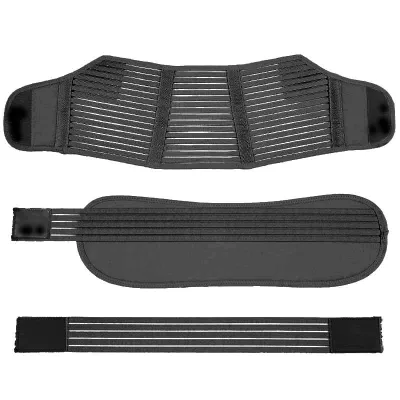
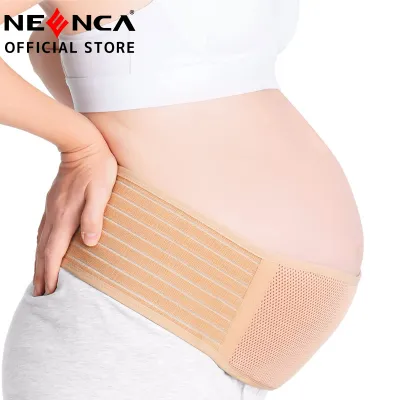
Prices are valid at publication and may change. Please refer to the product page for the latest price.
Seamless construction and flatlock stitching are crucial design elements to look for. When you sweat, the friction between your skin and a raised, rigid seam can quickly lead to chafing and micro-tears in the skin barrier. Look for belts that use low-profile hook-and-loop fasteners with soft, rounded edges rather than stiff, sharp corners that can scrape against your hips or thighs. Perforated panels along the back and sides allow hot air to escape, which is vital when you are walking outdoors or waiting at a bus stop.
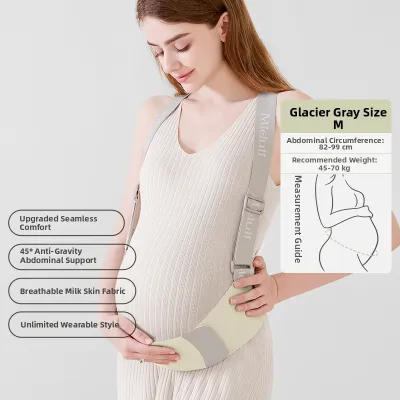
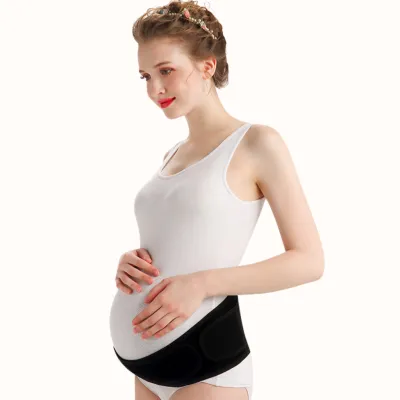
There is a direct trade-off between the surface area covered by a belt and its thermal comfort. A wide, thick band provides excellent lumbo-pelvic support but acts as an insulating layer over your entire midsection, raising your core temperature. For hot weather, a narrower, targeted support belt that lifts the lower abdomen while leaving the upper belly exposed is highly effective. It provides the necessary physical relief while maximizing the skin surface area available for natural evaporative cooling.
Before making a purchase, always verify the manufacturer’s specific sizing guidelines and weight ranges. A poorly fitting belt of any material will cause discomfort, slipping, or excessive pressure. Because bodies change rapidly during pregnancy, choosing a size based solely on your pre-pregnancy clothing size can lead to a restrictive fit. Measure the circumference of your lower abdomen as directed by the product documentation to ensure a proper match.
How to Evaluate Popular Pregnancy Belt Brands for Heat and Support
When browsing maternity boutiques or online marketplaces in Singapore, you will encounter numerous brands offering various styles. However, comfort is highly subjective and depends on how a specific product line’s design aligns with your daily routine and physical needs, rather than the brand name alone.

To evaluate these options objectively, look beyond marketing buzzwords. Examine the exact fabric percentages listed on the packaging or manufacturer’s website, as brands frequently update their material compositions between production runs. Pay close attention to user feedback from buyers living in tropical climates, focusing on comments regarding sweat accumulation, edge rolling, and whether the elastic loses its tension when exposed to frequent washing.
Full-Wrap Belly Bands: Coverage vs. Airflow
Full-wrap belly bands are tube-like garments that slide over the abdomen, providing light, distributed support and keeping maternity pants secure. These designs are highly popular for early pregnancy and layering. However, because they cover the entire midsection from the hips to the upper belly, they create a significant barrier to airflow.
If you prefer this style for its seamless look under office wear, look for models constructed from ultra-thin bamboo viscose or micro-mesh panels. Avoid thick, heavy cotton or unventilated synthetic tubes. For hot weather, a full-wrap band should ideally feature a lighter knit over the upper stomach and a slightly denser, supportive weave only under the belly to minimize heat retention where support is not actively required.
Targeted Support Belts: Lift and Ventilation
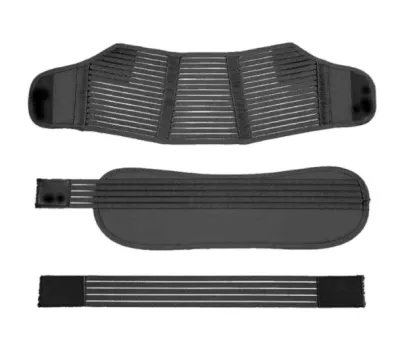
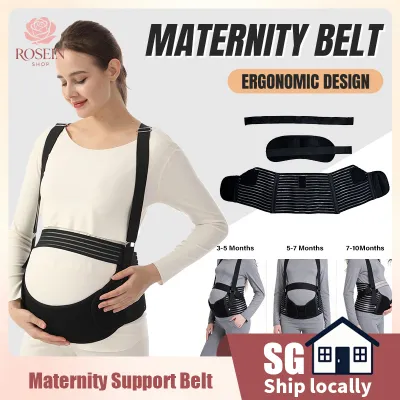
Targeted support belts use a multi-piece design, typically featuring a narrow under-belly strap, a wider back pad, and adjustable tension straps. This structure provides robust upward lift for the abdomen and stabilizes the pelvic ring, making it highly effective for relieving pelvic girdle pain or lower back strain in the second and third trimesters.
The primary advantage of this design in hot weather is ventilation. By leaving the top of the belly uncovered, it allows a significant portion of your skin to breathe. The trade-off lies in the complexity of the straps and fasteners. The overlapping layers can create localized hot spots, and rigid hook-and-loop edges can dig into your skin when you sit down. To mitigate this, select models with padded, rolled edges and flexible backing plates that move with your body.
Support Shorts: An All-in-One Alternative
Maternity support shorts integrate the supportive panels of a pregnancy belt directly into a pair of seamless, high-waisted briefs or mid-thigh shorts. This design eliminates the need for adjustable straps and fasteners, providing a smooth silhouette under fitted dresses.
For all-day wear in a tropical environment, support shorts must feature a highly breathable, moisture-wicking gusset and graduated compression that supports the lower belly and lower back without restricting circulation. The thigh bands must be wide and flat to prevent them from rolling up and causing inner-thigh chafing, which is a common issue when walking in humid weather. Ensure the material is lightweight enough to dry quickly, as damp fabric held close to the skin can encourage bacterial or fungal growth.
Comparing Maternity Support Designs for Hot Weather
To help you decide which style suits your daily routine in Singapore, the table below compares the three primary maternity support designs across key comfort and performance dimensions.
| Support Design | Breathability | Support Level | Chafing Risk | Best Use Case |
|---|---|---|---|---|
| Full-Wrap Belly Bands | Low to Moderate | Light | Low (seamless construction) | Early pregnancy, layering, light office work |
| Targeted Support Belts | High (uncovered upper belly) | Moderate to Firm | Moderate (edges can dig in) | Active days, walking, late-stage back or pelvic pain |
| Support Shorts | Moderate (full lower body coverage) | Light to Moderate | Low (prevents thigh chafing) | Fitted dresses, professional wear, active walking |
When choosing between these designs, consider your primary daily environment. If you spend most of your day in an air-conditioned office with minimal walking, a full-wrap band or support shorts may offer the seamless comfort you desire. Conversely, if your day involves commuting via public transit, running errands, or standing for extended periods, a targeted support belt will provide the necessary ventilation and structural lift to keep you comfortable.
Safe Wear Practices to Prevent Overheating and Skin Irritation
Even the most breathable pregnancy belt can cause skin irritation if worn incorrectly in a hot climate. Implementing a few practical, safety-conscious habits will protect your skin and ensure your comfort throughout your pregnancy.
Implement regular wear limits and breaks Avoid wearing any support garment continuously for more than three to four hours at a time. Periodically undoing or removing the belt for 15 to 20 minutes allows trapped moisture to evaporate and gives your skin a chance to cool down. This simple step is highly effective in preventing heat rash (miliaria) and fungal infections, which thrive in the warm, damp folds of the skin under the belly.
Prepare your skin carefully Before putting on your pregnancy belt, ensure your skin is completely clean and dry. If you use moisturizers or stretch mark creams, allow them to fully absorb into the skin before applying the belt, as wet lotions can trap moisture and increase friction. You may apply a thin layer of a pregnancy-safe, fragrance-free anti-chafing balm or a natural, talc-free starch-based powder to high-friction areas, such as the lower hip crease or under the belly, to create a protective barrier.
Perform regular fit and comfort checks Your pregnancy belt should feel like a supportive hug, not a restrictive bind. When putting on the belt, verify that you can easily slide two fingers between the band and your skin. The belt should never cause red indentations, numbness in your thighs, shortness of breath, or digestive discomfort. As your baby moves and your belly expands or shifts throughout the day, take a moment to adjust the tension straps to accommodate these natural changes.
Understand when to seek professional advice Before purchasing or wearing any maternity support garment, consult your obstetrician, gynecologist, or midwife. This is especially critical if you are experiencing severe pelvic girdle pain, swelling (edema) in your legs, varicose veins, or pre-existing skin conditions like eczema. If you experience any sudden pain, dizziness, or a noticeable decrease in fetal movement while wearing a belt, remove it immediately and contact your healthcare provider. Always prioritize your doctor’s advice over general product instructions.
Frequently Asked Questions (FAQ)
Can I wear a pregnancy belt while sleeping in an air-conditioned room?
Generally, structured daytime pregnancy belts are not recommended for sleeping, even in a cool, air-conditioned bedroom. When you lie down, your body’s support needs change, and a rigid belt can restrict blood flow, compress your abdomen, and limit your natural movement during sleep. If you require abdominal or pelvic support at night, consult your doctor first. They may recommend a specialized, ultra-soft maternity sleep band made of lightweight, stretchy cotton-bamboo blends, or suggest using a contoured pregnancy body pillow to support your belly and hips without the need for compression garments.
How do I wash a pregnancy belt to remove sweat and prevent odors?
Singapore’s humid climate means your pregnancy belt will absorb sweat and skin oils quickly, making regular washing essential to prevent bacterial buildup and odors. Always check the manufacturer’s care label first. To preserve the elasticity and hook-and-loop fasteners, hand-wash the belt in cool water using a mild, fragrance-free detergent. If using a washing machine, secure all hook-and-loop closures to prevent snagging, place the belt in a mesh laundry bag, and select a gentle cycle. Avoid fabric softeners, bleach, or harsh chemicals, as these can degrade the elastic fibers and irritate sensitive skin. Always air-dry the belt flat in a well-ventilated indoor area or in the shade; direct, intense sunlight and tumble dryers can warp the elastic and damage the structural panels.
Will a pregnancy belt cause stretch marks if I sweat in it?
A pregnancy belt does not directly cause stretch marks, which are primarily influenced by genetics, rapid skin stretching, and hormonal changes affecting skin elasticity. However, sweating under a tight belt can lead to localized skin irritation, dryness, and intense itching. Scratching this irritated skin can damage the skin barrier and exacerbate discomfort. To maintain healthy skin, choose a highly breathable belt, practice good hygiene by washing the garment frequently, and ensure your skin is dry before wearing it. If you experience persistent itching or rash, discontinue use and consult your doctor or a dermatologist.
Community discussion
Share your experience or ask a question. Comments are reviewed before publication.