
Selecting the right changing surface is a foundational step in setting up a safe and functional nursery. To choose a safe and practical baby rubber mat for your changing table, you must evaluate its exact material composition, precise dimensions, thickness, edge design, and verified safety labels. A high-quality changing mat must fit your specific furniture setup perfectly to prevent slipping, while offering a surface that is both comfortable for your infant and easy to clean. While many products are marketed broadly under the “rubber” label, actual materials range from natural latex to synthetic rubbers and food-grade silicone, each presenting distinct advantages and maintenance needs. Let’s decode these specifications systematically to help you select a secure, hygienic, and durable changing surface.
Quick Guide: Essential Specs for a Baby Rubber Mat
When shopping for a baby rubber mat, parents are often overwhelmed by various marketing terms and product designs. A quick, systematic evaluation of key specifications can streamline your decision-making process and ensure you select a product that matches your nursery setup.
To find the right mat, you must verify five essential specifications: the exact material composition, the precise length and width, the overall thickness, the height of the contoured edges, and the presence of third-party safety labels. Many brands use “rubber” as an umbrella term, which can refer to natural tree rubber, synthetic elastomers, or even modern silicone. Checking the actual product label is the only way to confirm what you are buying. This guide decodes each of these physical and chemical specifications, enabling you to select a mat that fits your changing table securely and supports your baby safely.
Products mentioned in this guide
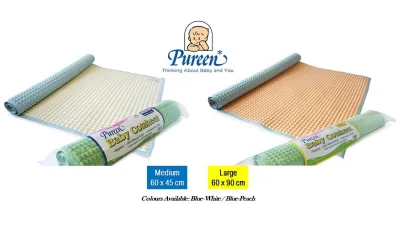
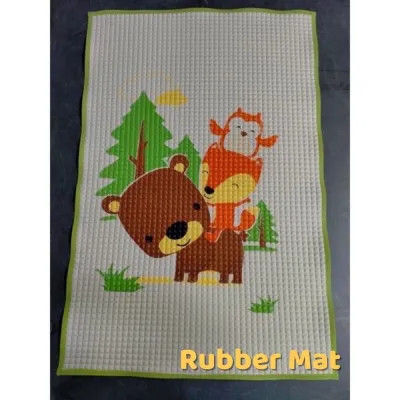
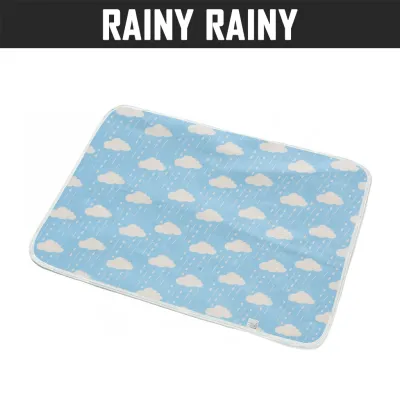
Prices are valid at publication and may change. Please refer to the product page for the latest price.
Material Composition: Decoding "Rubber" and Silicone Options
Understanding the material composition of your baby rubber mat is crucial because it directly influences durability, weight, cleaning requirements, and potential skin sensitivities. Different materials behave differently under daily wear and tear, and some may carry specific health considerations for your infant.

Natural rubber, harvested from latex-producing plants, is highly durable and provides a heavy, stable base that resists sliding on smooth surfaces. However, because natural rubber contains latex proteins, it may trigger allergic reactions in sensitive infants, making it vital to check your family’s medical history and the manufacturer’s allergy warnings before purchase. If you suspect your baby has a latex sensitivity, you should avoid natural rubber entirely.
Synthetic rubber compounds, such as thermoplastic elastomers (TPE), are lightweight and often more affordable than natural rubber. They offer excellent moisture resistance and durability, but their chemical formulations can vary widely between brands, requiring careful review of product data sheets. Parents should verify that synthetic options do not contain cheap chemical fillers.
Silicone is frequently grouped with rubber in nursery product marketing due to its flexible, rubber-like texture. Food-grade silicone is inherently hypoallergenic, highly resistant to bacterial growth, and can withstand frequent washing, though it may feel slightly firmer than natural rubber options. It is also highly resistant to temperature changes, which is beneficial if you need to sanitize it.
Because material names alone do not guarantee safety or performance, always check the manufacturer’s official specifications for a complete material breakdown. If a product label does not explicitly state the exact material composition, contact the brand directly or choose an alternative with fully transparent documentation.
Dimensions and Fit: Ensuring a Secure Match for Your Table
A changing mat must remain completely stationary during use to protect your infant from falls or entrapment. Selecting a mat that perfectly matches the physical dimensions of your changing surface is the most critical safety step.
Standard rectangular changing tables typically feature a fixed wooden frame designed to hold standard-sized mats, whereas custom dressers or open-topped changing units offer more variable surface areas. A mismatch between the mat and the table can lead to serious safety hazards.
If a mat is too small for the changing area, it can slide around during active diaper changes, creating dangerous gaps where an infant’s limbs or body could slide and become trapped. Conversely, an oversized mat may buckle, creating an uneven and unstable surface that compromises safety.
To ensure a secure fit, use a physical measuring tape to measure the precise inner length and width of your changing table’s top surface before purchasing a baby rubber mat. Compare these measurements directly with the product’s official specifications.
While some rubber mats feature textured, non-slip bases to minimize shifting, a snug physical fit within the table’s protective barriers remains your primary defense against movement. Always check the manufacturer’s maximum weight limit and recommended age or developmental stage for the mat to ensure it matches your baby’s current growth phase.
Thickness and Edge Design: Balancing Comfort and Stability
The physical profile of a baby rubber mat—specifically its thickness and the design of its edges—directly affects your baby’s comfort and the overall stability of the changing station. Finding the right balance ensures a comfortable experience for your baby while maintaining a secure environment.
Rubber and silicone mats naturally provide firmer, more supportive cushioning than traditional foam pads, which prevents the baby from sinking down to the hard wooden surface underneath. This firm support is generally recommended for infant development and spinal alignment.
Contoured edges, which feature raised outer bumpers, are designed to help keep your baby centered on the mat and prevent rolling. However, these raised edges are purely supportive and must never replace active, continuous caregiver supervision; always keep at least one hand on your baby during changes.
Avoid choosing mats that are excessively thick or have overly high profiles, as they can raise the baby’s center of gravity too high relative to the changing table’s safety rails. A mat that sits too high can make it easier for an active baby to roll over the protective wooden barriers of the table.
Ensure the mat’s thickness allows it to sit securely within the safety margins of your changing furniture, and verify that any safety straps included with the mat can be properly anchored to the table frame according to the manufacturer’s instructions.
Safety Labels: Decoding "Non-Toxic" and Chemical-Free Claims
Nursery products are often marketed with appealing buzzwords, but parents must look past generic packaging claims to identify verified safety standards. Understanding what these claims actually mean helps you protect your baby from unnecessary chemical exposure.
Terms like “BPA-free,” “phthalate-free,” and “non-toxic” indicate that a baby rubber mat does not contain specific harmful chemical additives, but these claims are only reliable when backed by official product documentation or recognized third-party certifications.
When evaluating a mat, look for verified safety standards relevant to your region, such as European EN standards or American ASTM certifications, which require rigorous testing for mechanical safety and chemical migration. In Singapore, parents should check if the product complies with local consumer product safety requirements.
Always inspect the product packaging or the manufacturer’s official website to verify these certifications rather than relying on unverified online descriptions. If a brand cannot provide documentation for its safety claims, it is best to choose a different product.
A critical safety boundary to keep in mind is the initial smell of the product: if a new rubber mat emits a strong, persistent chemical odor that does not dissipate after a few days of airing out, stop using it immediately and consult the manufacturer, as this can indicate low-grade materials or improper curing.
Surface Texture and Daily Cleaning Requirements
The texture of a baby rubber mat affects both your infant’s comfort and how easily you can maintain a hygienic changing environment. In warm and humid climates, keeping the mat completely dry is essential to prevent mold and mildew growth.
A lightly textured surface can prevent the mat from feeling sticky against your baby’s skin and provides a subtle grip that helps keep them in place, but deeply textured patterns can trap liquids, creams, and solid waste, making them difficult to sanitize.
For daily maintenance, perform low-risk, reversible cleaning steps: wipe the surface down immediately after each use with a clean, damp cloth and a mild, baby-safe soap, then allow it to air dry completely. Ensure the mat is fully dry before placing any covers or your baby back onto it.
Never use harsh chemical disinfectants, bleach, or abrasive scrubbing pads on a rubber or silicone mat, as these substances can degrade the material, cause cracking, and leave harmful chemical residues that could irritate your baby’s skin.
Always consult and follow the specific care and cleaning instructions provided by the manufacturer of your specific mat; if these instructions conflict with general cleaning advice, the manufacturer’s guidelines must always take precedence to avoid damaging the product or voiding its warranty.
Frequently Asked Questions (FAQ)
Can I use a rubber changing mat on a regular dresser?
Yes, you can use a baby rubber mat on a standard dresser, provided the dresser’s top surface is flat, stable, and perfectly matches the mat’s dimensions to prevent any overhang or gaps. Because regular dressers lack the built-in protective wooden rails found on dedicated changing tables, you must ensure the mat has a highly effective non-slip base or a secure attachment system. Active, hands-on caregiver supervision is absolutely mandatory at all times when using a dresser, as there are no physical barriers to prevent an active infant from rolling off the edge.
How do I get rid of the rubber smell on a new mat?
To safely reduce the initial odor common with new natural rubber or silicone products, perform a simple, low-risk cleaning routine before its first use. Wipe the entire mat down thoroughly with a soft cloth dampened with warm water and mild baby-safe soap, then place it in a well-ventilated room or a shaded outdoor area to air out. Avoid exposing the mat to direct sunlight, high heat sources, or harsh chemical deodorizers, as these can warp the material, cause discoloration, or degrade the rubber compounds. If the chemical smell remains overwhelmingly strong, causes any respiratory irritation, or does not fade significantly after several days of airing, discontinue use immediately and contact the manufacturer or retailer for assistance.
Community discussion
Share your experience or ask a question. Comments are reviewed before publication.