
Starting weaning is an exciting milestone, but walking down the feeding aisle or browsing online marketplaces can quickly become overwhelming. Parents are often faced with an array of colorful options, leaving them to wonder which material is truly the safest and most practical for their little one. There is no single “safest” or “best” material for a baby feeding bowl set; the right choice depends on your baby’s weaning stage, your need for suction, and how you plan to heat or clean the food. While silicone, stainless steel, and plastic each offer distinct practical advantages, material alone does not guarantee safety. Always verify food-grade certifications, temperature limits, and care instructions directly on the manufacturer’s label before making your decision.
Key Decision Factors for Weaning Bowls
When evaluating a baby feeding bowl set, looking beyond aesthetics is essential for long-term utility. The first factor to consider is safety labeling and food-grade certifications. Parents should look for clear markings on the packaging indicating that the material is food-safe and free from harmful chemical additives. These labels provide peace of mind that the bowl has been manufactured to meet standard safety guidelines for food contact.
Another critical consideration is physical durability, specifically drop resistance and overall weight. During baby-led weaning, bowls are frequently dropped, tossed, or knocked off high chairs. A bowl that is too heavy can cause injury if dropped on a tiny toe, while a fragile bowl poses a cracking hazard. The ideal weaning bowl needs to withstand repeated impacts without breaking or chipping.
Products mentioned in this guide
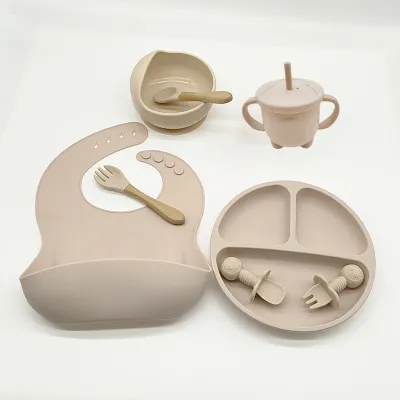
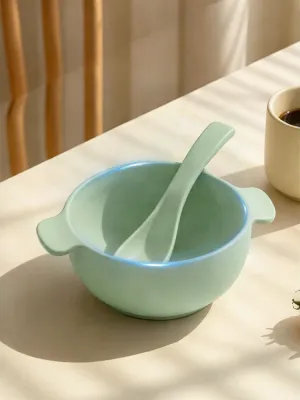
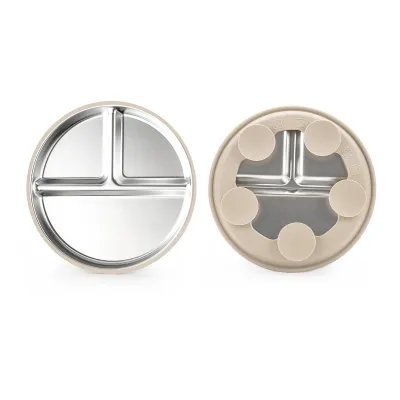
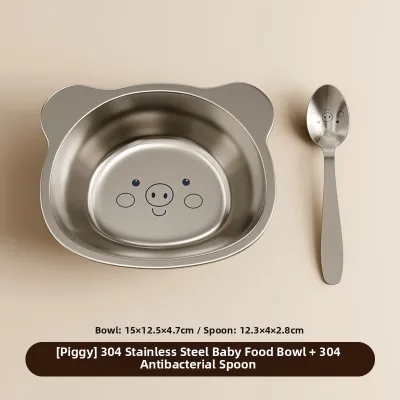
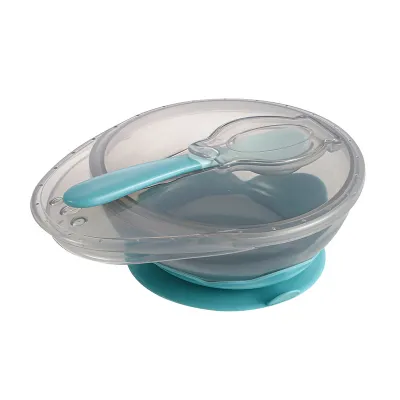
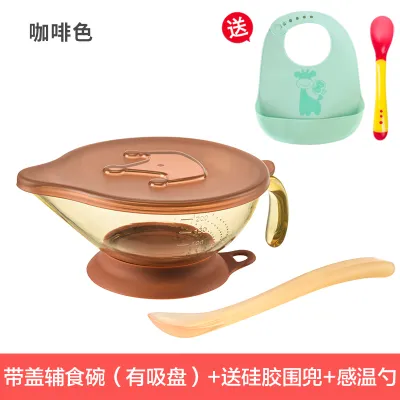
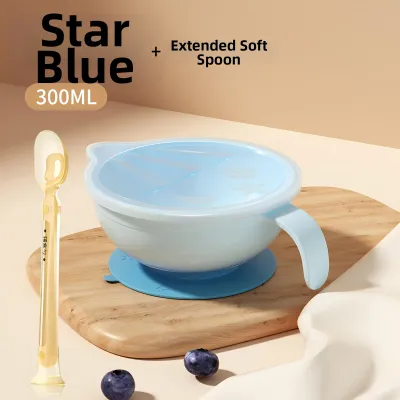
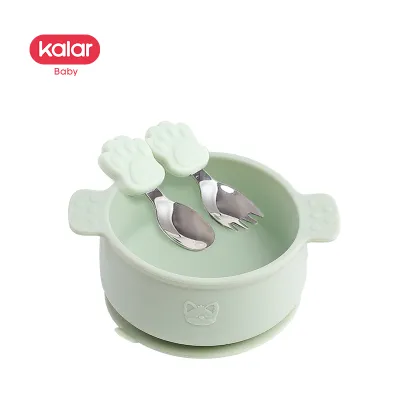
Prices are valid at publication and may change. Please refer to the product page for the latest price.
Suction base availability and effectiveness also play a major role in keeping mealtime manageable. A strong suction base prevents the bowl from sliding or being flipped over, which is especially helpful when babies are learning to navigate spoons. However, suction effectiveness varies widely depending on the table surface, with some materials adhering well to smooth plastic or glass but struggling on textured wood.
Finally, microwave and dishwasher compatibility must be evaluated based on your household routine. If you frequently prep meals in advance and reheat them, or if you rely on a dishwasher for sanitizing, you must verify that the bowl can handle these high-temperature environments without degrading. Checking the manufacturer’s specifications on the packaging is the only reliable way to confirm these limits.
Silicone Baby Feeding Bowls: Practical Trade-Offs
Silicone has become incredibly popular in modern baby feeding bowl sets due to its unique physical properties. One of its primary benefits is the integration of built-in suction bases. Because silicone is naturally flexible and rubbery, manufacturers can mold highly effective suction rings directly into the bottom of the bowl. This flexibility also means the edges of the bowl are soft and gentle on a baby’s developing gums and hands, making it an excellent choice for early self-feeders who might bump their faces against the rim.

Despite its rubbery texture, silicone is highly heat-resistant, but parents must still check the manufacturer’s specific limits. Many high-quality silicone bowls are rated to withstand both freezing temperatures and high heat, making them suitable for microwave heating, boiling water sterilization, and sometimes even oven use. However, temperature tolerances can vary between brands, so always consult the product packaging before exposing the bowl to extreme heat.
A common practical limitation of silicone is its tendency to retain odors and stains from strong-colored or highly spiced foods. In many households, weaning meals might include ingredients like tomato paste, carrots, or turmeric, which can leave stubborn orange or yellow discolorations on light-colored silicone. Additionally, silicone can sometimes absorb dish soap scents or food odors over time if not washed promptly or if cleaned with heavily perfumed detergents.
Stainless Steel Baby Feeding Bowls: Practical Trade-Offs
Stainless steel is a traditional material that offers unmatched longevity and hygiene for growing families. The standout benefit of a stainless steel baby feeding bowl set is its extreme durability. Unlike plastic or silicone, stainless steel is highly resistant to deep scratches, dents, and cracks. This scratch resistance is crucial for hygiene, as deep crevices in softer materials can harbor bacteria and food residue even after thorough washing.
However, stainless steel comes with distinct practical trade-offs, most notably its incompatibility with microwave heating. Metal reflects microwaves, meaning you cannot warm up a portion of porridge directly in the bowl; you must heat the food in a separate container first and then transfer it. Additionally, because stainless steel is rigid, built-in suction bases are less common. When suction is available, it usually requires a separate, removable silicone or plastic suction ring attached to the bottom, which adds extra parts to wash.
To make stainless steel safe for little hands, parents should look for double-wall insulation. Single-wall metal bowls transfer heat rapidly, meaning hot food can make the outside of the bowl too hot for a baby or parent to hold comfortably. Double-walled designs create a thermal barrier that keeps the exterior cool to the touch while helping to maintain the temperature of the food inside.
Plastic Baby Feeding Bowls: Practical Trade-Offs
Plastic remains a widely available and highly affordable option for baby feeding bowl sets, but it requires the most diligent safety verification. When shopping for plastic bowls, parents must carefully inspect the packaging for safety labels. It is essential to verify that the plastic is labeled as BPA-free and BPS-free, and carries specific food-grade markings. These labels indicate that the manufacturer has avoided certain chemical compounds known to leach into food, especially when heated.
A major drawback of plastic is its susceptibility to physical wear. Over time, plastic bowls easily develop deep scratches from metal spoons, forks, or abrasive cleaning sponges. These scratches not only compromise the smooth surface but also create pockets where bacteria can multiply. Parents should regularly inspect plastic bowls and replace them immediately if they show signs of deep scratching, cloudiness, or surface peeling.
On the practical side, plastic is exceptionally lightweight, making it a convenient choice for travel, dining out, or packing in a diaper bag. However, this lightweight nature is balanced by a generally lower heat tolerance compared to silicone or stainless steel. Many plastic bowls are not suitable for microwave heating or high-temperature steam sterilization, as extreme heat can cause the plastic to warp, degrade, or release chemical byproducts.
How to Choose the Right Material for Your Feeding Stage
Choosing the right material often comes down to matching the bowl’s characteristics to your baby’s current developmental stage and your daily routine. If you are in the early stages of baby-led weaning and need a bowl that stays firmly anchored to the high chair tray while allowing you to quickly reheat purees, silicone is often the most practical choice. Its superior suction capabilities and microwave compatibility simplify the daily feeding routine.
If your priority is long-term durability, hygiene, and a product that can transition into toddlerhood and beyond, stainless steel is an excellent investment. It is ideal for parents who prefer to reheat food on the stovetop or in a separate glass container and want a bowl that will never scratch, stain, or retain soapy odors.
For families who travel frequently or need lightweight, budget-friendly options for occasional use, plastic bowls are highly convenient. They are easy to pack and carry, provided you verify all safety labels and reserve them for cool or room-temperature foods to avoid heat-related degradation. When shopping for a baby feeding bowl set, prices in local retail stores and online marketplaces typically range from under S$10 for basic plastic options to over S$35 for premium insulated stainless steel sets.
To help you compare these materials at a glance, the table below summarizes their key physical properties and practical features:
| Material | Weight | Drop Resistance | Microwave Safety | Suction Availability |
|---|---|---|---|---|
| Silicone | Moderate | Excellent (will not break) | Yes (verify label) | High (built-in bases) |
| Stainless Steel | Heavy | Excellent (may dent) | No | Low (requires separate ring) |
| Plastic | Very Light | Good (may crack over time) | Limited (verify label) | Moderate (varies by brand) |
Essential Safety and Care Checks Before You Buy
Regardless of which material you choose for your baby feeding bowl set, safety depends on proper usage and maintenance. Always read the manufacturer’s label for exact temperature thresholds and heating restrictions before the first use. Never assume a bowl is microwave-safe or dishwasher-safe simply because of its material type; manufacturing processes and additives vary widely.
Regularly inspect your baby’s bowls for signs of wear and tear. Look closely for tears in silicone suction bases, deep scratches or cloudiness in plastic, and any warping or peeling on the surfaces. If you notice any structural damage, discard the bowl immediately to prevent material particles or trapped bacteria from contaminating your baby’s food.
Finally, follow the specific cleaning instructions provided by the manufacturer. Some materials require gentle, unscented detergents to prevent odor absorption, while others should not be exposed to abrasive scrubbing pads. Adhering to these care guidelines ensures the bowl remains hygienic and safe throughout its usable lifespan.
Frequently Asked Questions (FAQ)
Can I microwave stainless steel baby bowls?
No, you should not microwave stainless steel baby bowls. Metal reflects microwave radiation, which can cause sparks, damage your microwave oven, and heat food unevenly. Always check the manufacturer’s label for specific heating instructions, and use a microwave-safe glass or ceramic container to heat food before transferring it to the stainless steel bowl.
How do I remove food stains from silicone bowls?
To remove stubborn food stains or odors from silicone bowls, first check the manufacturer’s care label for approved cleaning methods. A common safe practice is to soak the bowl in warm, soapy water immediately after use to prevent stains from setting. If permitted by the manufacturer, applying a paste of baking soda and water to the stain, letting it sit for a short period, and then rinsing thoroughly can help lift discolorations without damaging the silicone.
Are all plastic baby bowls safe for hot food?
No, not all plastic baby bowls are safe for hot food. Some plastics can warp, degrade, or leach chemicals when exposed to high temperatures. You must look for specific microwave-safe symbols and temperature limits printed on the product packaging or the bottom of the bowl before serving hot food or sterilizing the container.
Community discussion
Share your experience or ask a question. Comments are reviewed before publication.