
Choosing the right baby carrier is one of the most important gear decisions you will make as a parent. When comparing Childcity and Ergobaby, the ideal choice is not universal; instead, it depends heavily on your baby’s current developmental stage, your personal budget, and the specific carrying positions you plan to use daily. Both brands offer designs aimed at keeping your baby secure and comfortable, but their specific features, adjustability, and price points cater to different parenting styles and financial considerations.
Because ergonomic claims, safety certifications, and model specifications can change over time, it is essential to verify these details directly on the physical product labels and official manufacturer guidelines before making a purchase. Relying on outdated reviews or third-party listings can lead to mismatches in weight limits or safety features. Taking the time to cross-reference current product manuals ensures you select a carrier that supports your baby’s growth safely and comfortably.
Defining Ergonomic and Safety Standards
An ergonomic baby carrier must support the natural anatomy of a growing infant while preventing physical strain on the caregiver. The primary anatomical benchmark for any carrier is the “M-shape” leg position, often referred to as the froggy position. In this posture, the baby’s hips are spread naturally, with the thighs supported and the knees positioned slightly higher than the hips. This alignment reduces the risk of hip dysplasia by ensuring the ball of the hip joint remains securely within its socket.
Products mentioned in this guide
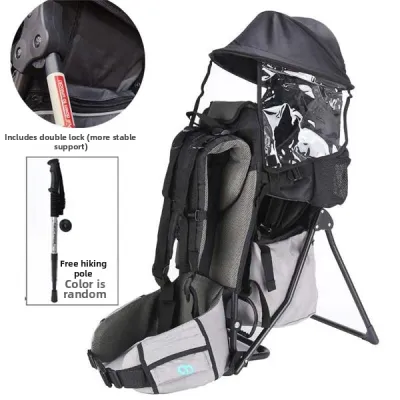
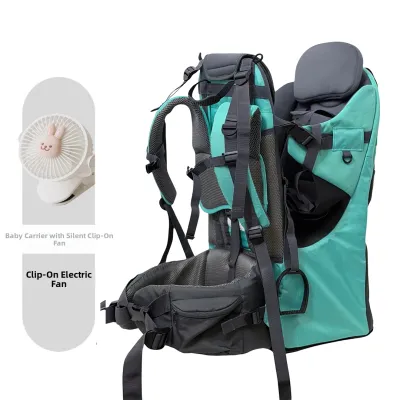
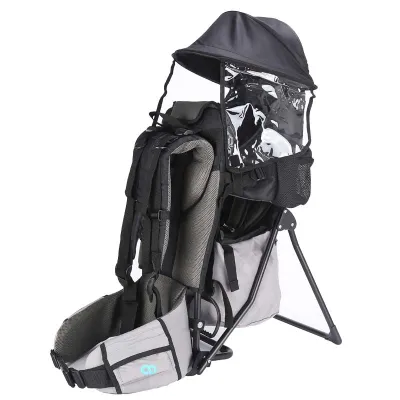
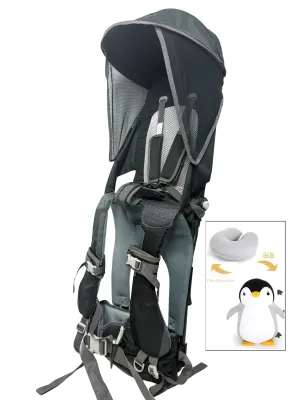
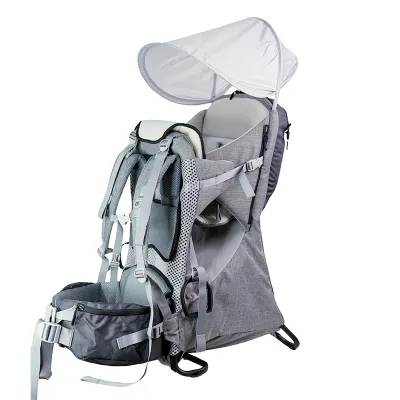
Prices are valid at publication and may change. Please refer to the product page for the latest price.
During the first few months of life, a baby’s joints are highly pliable, consisting largely of soft cartilage that gradually hardens into bone. If a carrier forces the legs to dangle straight down, the constant downward pull can stretch the hip joint, potentially leading to developmental issues. Ensuring the carrier seat supports the baby from knee to knee is the most effective way to maintain this healthy M-shape alignment.
Alongside hip alignment, proper spinal support is crucial for newborns and older infants alike. A well-designed carrier supports the natural “J-shape” or “C-shape” curve of a baby’s developing spine, rather than forcing the back into an unnaturally straight position. This curved support allows the spine to absorb impact gently as you walk, protecting the delicate vertebrae and surrounding muscles. As your baby grows and develops head control, the spine gradually transitions to an S-shape, and the carrier must adapt to this changing anatomy.
When evaluating Childcity and Ergobaby models, you should look for independent hip-healthy acknowledgments from recognized medical institutes, such as the International Hip Dysplasia Institute. These recognitions are typically displayed on the product packaging or the official brand websites. Because certifications can vary by model and production year, always check the specific box or user manual of the exact carrier you are purchasing to confirm it has undergone these evaluations.
Safety also hinges on adhering strictly to the manufacturer’s stated weight limits and age recommendations. Every carrier is engineered to perform within a specific weight range, and exceeding or falling below these limits can compromise the structural integrity of the carrier or pose a suffocation hazard. Always check the minimum and maximum weight requirements, and ensure you maintain the recommended level of active caregiver supervision whenever the carrier is in use.
Comparing Baby Support and Carrying Positions
The seating area of a baby carrier determines how well it adapts to your child’s physical growth over time. Some carriers feature a fixed seat width, while others offer adjustable panels that can be narrowed or widened using buttons, velcro, or straps. When comparing models from Childcity and Ergobaby, examine how the seat width is adjusted and verify whether the mechanism allows you to customize the support from knee-to-knee as your baby grows.

A carrier that does not adjust sufficiently may force a smaller baby’s legs to stretch too wide, or fail to support a larger baby’s thighs, leaving the legs dangling straight down. To prevent these issues, look for clear instructions in the user manual detailing how to transition the seat settings for different developmental stages. Testing these adjustments in person, if possible, can help you gauge how easily you can modify the seat during daily transitions.
Carrying positions are another critical factor to compare, as different models support different configurations. The four standard carrying modes are inward-facing, outward-facing, hip carry, and back carry. While some premium models from both brands support all four positions, other models may restrict you to inward-facing and back carrying only. You should review the official specifications for each model to ensure it supports the specific carrying modes you intend to use as your baby grows.
For parents planning to use a carrier from birth, the newborn stage requires special consideration. Many structured carriers require a separate infant insert to support a newborn’s head, neck, and hips safely. Other models feature a built-in adjustable seat that can be cinched down to accommodate a newborn without extra accessories. Verify whether the specific Childcity or Ergobaby model you are considering requires an infant insert, and check if that insert is included in the purchase or must be bought separately.
Evaluating Caregiver Comfort and Adjustability
While baby comfort is paramount, caregiver comfort determines how long and how often you can realistically use the carrier. The design of the shoulder straps plays a major role in distributing your baby’s weight across your upper body. Some carriers feature heavily padded, straight shoulder straps that wear like a backpack (H-style), while others offer crossable straps that cross over your back in an X-shape. Crossable straps can help distribute weight more evenly across the shoulders and upper back, which is often preferred by caregivers with narrower shoulders.
The waistband is equally important, as its primary function is to transfer the baby’s weight from your shoulders down to your hips. Look for a wide, firm waistband with adequate lumbar padding to support your lower back during extended wear. A well-designed waistband prevents the carrier from sagging forward, which can cause you to lean back and strain your lumbar muscles.
Adjustability is key if multiple caregivers of different body sizes will be sharing the same carrier. Review the range of the strap and buckle adjustments to ensure the carrier can be tightened or loosened sufficiently to fit both petite and plus-sized individuals. Some carriers feature front-adjusting buckles that are easy to reach alone, while others require you to reach behind your back to secure the chest strap.
When trying on a carrier, pay close attention to any points of friction or pressure. The straps should not dig into your neck or underarms, and the waistband should sit comfortably on your hips without pinching. If you find yourself constantly adjusting the straps or experiencing localized pain after a few minutes of testing, the carrier’s geometry may not align well with your body shape.
Assessing Material, Maintenance, and Daily Use
The choice of fabric directly impacts both your baby’s comfort and the carrier’s durability, especially in warm, humid climates. Many modern carriers are available in either classic cotton canvas or breathable mesh fabrics. Mesh panels allow for increased airflow, which helps regulate your baby’s body temperature and prevents overheating during outdoor walks. If you live in a tropical climate or plan to use the carrier for active outdoor activities, prioritize models that feature extensive mesh construction.
Maintenance is another practical consideration that can affect your daily routine. Babies frequently drool, spit up, or spill milk on carrier straps, making regular cleaning necessary. Check the manufacturer’s exact washing instructions before purchasing, as some carriers are fully machine washable, while others are spot-clean only or require air drying. A carrier that can be tossed into the washing machine on a gentle cycle can save significant time and effort.
Daily convenience features can greatly enhance your carrying experience. Look for built-in sleep hoods, which provide shade from the sun, wind protection, and privacy for your baby while sleeping. Storage pockets integrated into the waistband or front panel are highly useful for holding small essentials like keys, a phone, or a spare pacifier, eliminating the need to carry an extra bag.
Additionally, consider the availability of protective accessories, such as washable teething pads or bibs that attach directly to the shoulder straps. These accessories protect the carrier’s fabric from drool and teething wear, extending the lifespan of the gear. Checking whether these accessories are compatible with your chosen model can help you plan for long-term maintenance.
Making Your Final Decision
Choosing between Childcity and Ergobaby ultimately comes down to matching their specific model features with your family’s lifestyle, physical comfort, and budget. If you are looking for a carrier that fits a specific budget in S$ while still providing essential ergonomic support, a Childcity model may be the right fit. Ensure you verify that its weight limits, fabric breathability, and available carrying positions align with your immediate daily needs before purchasing.
On the other hand, if you require advanced adjustability features, specific carrying modes like the hip carry, or higher long-term weight capacities, you may want to look closely at Ergobaby’s current model specifications. Verify the exact dimensions, weight ranges, and included accessories for the specific Ergobaby model you are considering to ensure it justifies the investment for your parenting journey.
It is important to recognize that neither brand may be suitable if your baby does not meet the minimum weight or age requirements for safe use, or if you cannot achieve a proper fit without an approved infant insert. Furthermore, if you or your baby experience persistent discomfort, back pain, or unusual physical strain during a trial wear, you should stop using the carrier immediately.
Before finalizing your purchase, always verify the current hip-healthy certifications and safety standards listed on the product packaging. If your baby has any pre-existing medical conditions, hip concerns, or developmental considerations, consult a qualified pediatric professional or a certified babywearing consultant. Their professional guidance can help ensure you select a carrying system that supports your baby’s health and development perfectly.

Community discussion
Share your experience or ask a question. Comments are reviewed before publication.