
In Singapore, child passenger safety is strictly regulated to minimize the risk of injury during travel. The core legal requirement centers on height: any child under the height of 1.35 meters must be secured in an approved child restraint system, such as a car booster seat for kids, when traveling in a motor vehicle. While age and weight provide valuable guidance for choosing the right equipment, the law prioritizes physical height to ensure that vehicle seat belts fit safely across the body.
Failing to use an appropriate restraint not only violates local traffic laws but also exposes young passengers to severe danger. Standard vehicle seat belts are designed for adult bodies, meaning they do not align correctly with a child’s smaller frame. Understanding how these regulations apply across different vehicles and knowing how to select a certified seat are essential steps for every parent and caregiver in Singapore.
The Core Legal Standard: Height vs. Age and Weight
Singapore’s Road Traffic Act establishes height as the primary metric for determining when a child must use a booster seat or child restraint system. The widely recognized legal threshold is 1.35 meters. Any passenger below this height, regardless of their age, must be secured with an approved child restraint appropriate for their build. Because traffic regulations can be updated, parents should regularly verify the exact current figures and legal definitions via official channels such as the Singapore Police Force or the Land Transport Authority.
Products mentioned in this guide
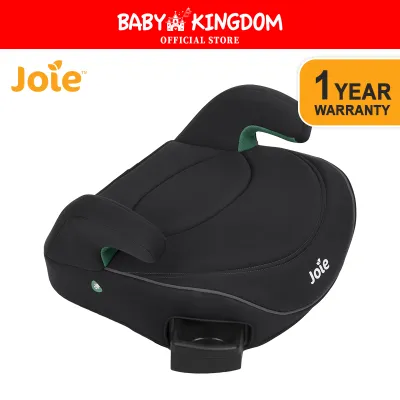
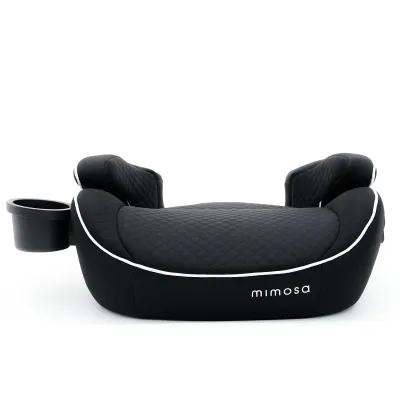
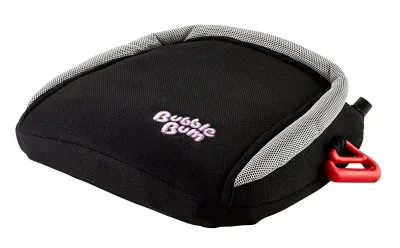
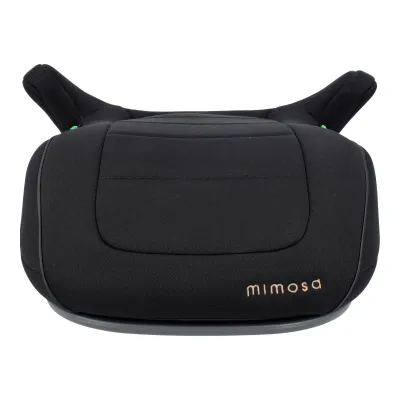
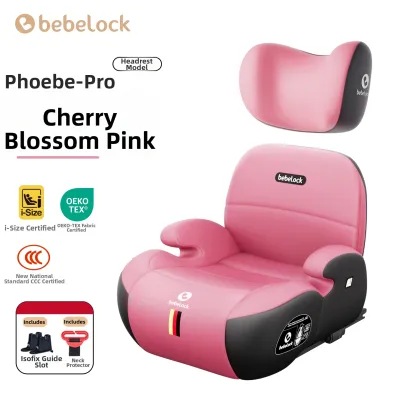
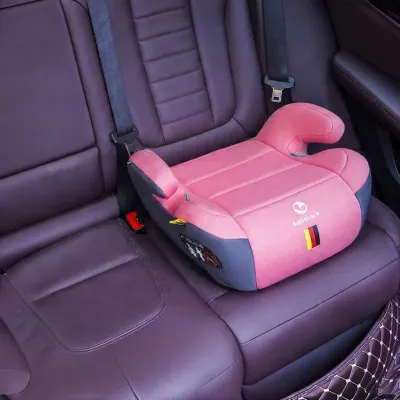
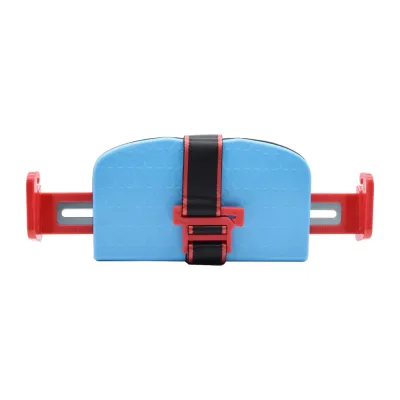
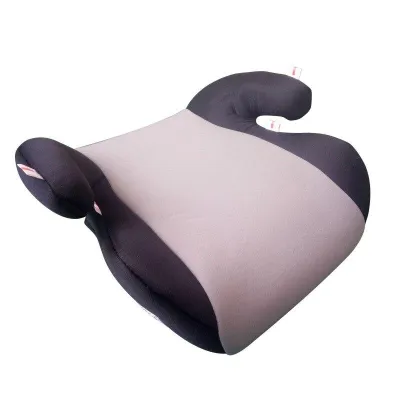
Prices are valid at publication and may change. Please refer to the product page for the latest price.
While the law focuses heavily on height, age and weight remain critical secondary factors. Physical height determines how a seat belt rests on a child’s skeleton, but weight and developmental age dictate whether a specific booster seat can structurally support them during an impact. For this reason, parents must check the manufacturer’s specifications on the product label to ensure the seat is rated for their child’s current weight and developmental stage.
Navigating the transition phases of child passenger safety involves moving through several distinct stages as your child grows:
- Rear-Facing Car Seats: Designed for infants and young toddlers, offering the highest level of protection for the head, neck, and spine.
- Forward-Facing Harness Seats: Appropriate for older toddlers who have outgrown the height or weight limits of their rear-facing seats.
- Booster Seats: Designed for children who have outgrown their harnessed seats but remain below the 1.35-meter legal threshold.
- Standard Adult Seat Belts: Only suitable once the child reaches at least 1.35 meters and can maintain a proper physical fit without assistance.
Choosing a Compliant Booster Seat for Your Child
Selecting a booster seat requires balancing legal compliance with practical daily use. The market offers various designs, but they generally fall into two primary categories, each suited to different stages of a child’s growth and different vehicle configurations.

High-Back vs. Backless Boosters
High-back booster seats feature a built-in backrest, head support, and side wings. This structure provides essential side-impact protection and keeps the child’s head and neck secure if a collision occurs. High-back models also feature integrated plastic guides that feed the vehicle’s shoulder belt precisely across the collarbone, making them highly recommended for younger or smaller children who are transitioning out of a harnessed car seat.
Backless booster seats consist solely of a raised cushion with lap belt guides. They are lightweight, highly portable, and easy to transfer between vehicles. However, they offer no side-impact protection and rely entirely on the vehicle’s seat back and headrest to support the child’s head and neck. If your vehicle lacks adjustable rear headrests, a backless booster may leave your child vulnerable to whiplash.
When deciding to switch from a high-back to a backless booster, consider these criteria:
- Shoulder Width: Transition when the child's shoulders no longer fit comfortably between the side wings of the high-back seat.
- Head Support: Only use a backless booster if the vehicle's seat back or headrest extends above the top of your child’s ears.
- Manufacturer Limits: Ensure your child meets the minimum height and weight requirements specified by the manufacturer for the backless model.
Verifying Safety Certifications and Labels
To be legally compliant in Singapore, a booster seat must carry a physical label proving it meets recognized international safety standards. Authorities accept several major global certifications, including the United Nations standards (UN ECE R44/04 or UN ECE R129/i-Size), the American standard (FMVSS 213), or equivalent standards from Great Britain, Australia, or Japan. Before purchasing, inspect the seat for an orange approval sticker or a molded certification mark.
Always check the applied product’s label and the treated item’s manufacturer instructions to verify the exact height and weight boundaries. Never assume a seat is suitable based on its name or appearance alone. If the instructions conflict with your vehicle’s layout, or if the seat’s compatibility with your car is unclear, stop and consult the manufacturer or a certified child passenger safety technician.
Avoid using second-hand booster seats from online marketplaces or unknown sources. A pre-owned seat may have suffered structural damage in a previous accident that is invisible to the naked eye. Additionally, the plastic materials in booster seats degrade over time, especially when exposed to the high temperatures and humidity typical of parked cars in Singapore. If a seat is missing its certification labels, has expired, or has an unknown history, it should be discarded.
Where the Law Applies: Private Cars, Taxis, and Ride-Hailing
The legal obligations for securing child passengers vary significantly depending on the type of road transport you use in Singapore. Understanding these distinctions is crucial to avoiding fines and keeping your child safe.
Private Cars: The law is strictly enforced for all private passenger vehicles. Every child passenger under 1.35 meters must be secured in an approved child restraint system. Both the driver and the adult passengers responsible for the child can be held legally liable if this requirement is ignored.
Taxis: Standard street-hail and booked taxis (such as traditional ComfortDelGro cabs) are legally exempt from the child restraint law under Singapore’s Road Traffic Rules. This exemption exists because taxis are classified as public transport, making it impractical for drivers to carry restraints for every age group. However, physics does not change for a taxi; traveling without a restraint poses a severe safety risk. Parents are strongly encouraged to bring portable booster seats or ride-safe harnesses when planning taxi journeys.
Ride-Hailing Services: Private-hire cars booked via mobile apps (such as Grab, Gojek, Tada, or Ryde) are legally classified as private passenger vehicles, not public transport. Consequently, they enjoy no legal exemptions. Drivers are legally required to ensure all passengers under 1.35 meters are properly restrained. If you book a standard ride-hailing vehicle without bringing your own booster seat or booking a dedicated child-friendly service tier, the driver is legally obligated to reject your ride.
Buses and Coaches: Public buses are exempt from child restraint laws due to their weight, size, and typical operating speeds. For private coaches or school buses, rules depend on the specific vehicle category and whether seat belts are installed. If seat belts are available on a coach, using a compatible portable restraint or booster remains the safest choice for young passengers.
Proper Installation and Usage Boundaries
An approved booster seat can only protect your child if it is installed and used correctly. Incorrect seat belt routing or poor positioning in the vehicle can render the safety device ineffective or even cause injuries during a sudden stop.
Seat Belt Routing
When securing a child in a booster seat, the vehicle’s three-point seat belt must be routed precisely according to the manufacturer’s instructions. The shoulder belt must cross the center of the child’s shoulder and chest, resting flat against the collarbone. It must never rub against the child’s neck or face, nor should it be tucked under their arm or behind their back.
The lap belt must sit low across the child’s upper thighs or hip bones, rather than riding up onto the soft abdomen. In a collision, the strong bones of the pelvis must absorb the force of the seat belt. If the lap belt rests on the stomach, the sudden pressure can cause severe internal organ damage.
Seating Position
Safety experts strongly recommend installing booster seats in the rear seats of the vehicle. The rear middle seat is generally considered the safest position, provided it features a full three-point lap-and-shoulder belt. Avoid using booster seats with older lap-only belts, as these cannot secure the upper body.
If you must place a booster seat in the front passenger seat, you must first check the vehicle’s manual and the booster seat manufacturer’s instructions. If front-seat installation is permitted, ensure the passenger airbag is deactivated. If the airbag cannot be turned off, slide the vehicle’s front seat as far back as possible along its tracks to minimize the risk of the deploying airbag striking the child with force.
When to Stop Using
Do not rush to transition your child out of their booster seat simply because they have reached a certain age. Instead of relying on age, use this physical five-step checklist to determine if they are ready to transition to a standard seat belt alone:
- Back Flat: The child can sit all the way back against the vehicle's seat back without slouching.
- Knees Bend: The child's knees bend comfortably over the front edge of the vehicle's seat cushion.
- Belt Path: The shoulder belt rests naturally across the collarbone and the middle of the chest.
- Lap Fit: The lap belt sits low on the hips, touching the upper thighs.
- Behavior: The child can maintain this correct posture for the entire duration of the journey without slouching or shifting out of place.
Frequently Asked Questions (FAQ)
Can my child sit in the front seat with a booster seat?
Yes, it is legally permissible in Singapore for a child to sit in the front passenger seat using an approved booster seat, provided they are properly secured. However, safety experts strongly recommend keeping children in the rear seats. If front-seat placement is unavoidable, ensure the vehicle seat is pushed back as far as possible from the airbag deployment zone, and verify that the booster seat manufacturer permits front-seat installation.
What are the penalties for not using a child booster seat?
Drivers who fail to secure child passengers under 1.35 meters face legal penalties. Parents and drivers should consult the latest Singapore Police Force or Traffic Police guidelines for current fine amounts and demerit points. Beyond legal fines, the most critical penalty is the extreme risk of severe injury or fatality to the child during a sudden stop or collision.
Community discussion
Share your experience or ask a question. Comments are reviewed before publication.