
Booster seat specifications, such as those of the Chicco GoFit Plus, dictate how well the seat positions the vehicle’s seat belt over a child’s growing body. Rather than providing built-in harness straps, a backless booster relies on elevating the child so the vehicle’s lap and shoulder belts sit across the strongest parts of their skeleton. Understanding these technical details helps parents verify if their child is physically ready, if the seat fits their specific vehicle, and how to maintain the seat to preserve its protective capabilities.
Weight, Height, and Physical Readiness
Before transitioning a child to a backless booster like the Chicco GoFit Plus, caregivers must verify the exact weight and height thresholds printed on the seat’s physical label, which serves as the ultimate authority. These limits can vary by region and production year, making the physical label on your specific unit the most reliable source of information.
Physical size is only one part of the readiness equation; behavioral maturity is equally critical. A child must be mature enough to sit relatively still for the entire journey without slouching, leaning over, or pulling the shoulder belt out of position. If they constantly shift or slump forward, they are not yet ready for a backless booster, regardless of their physical size.
Products mentioned in this guide
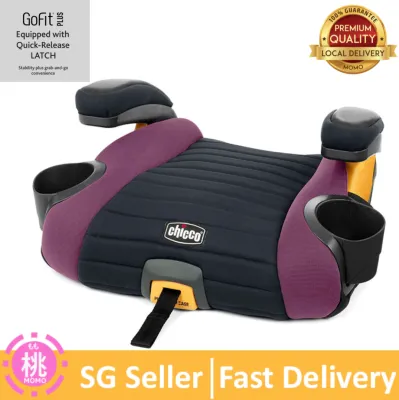
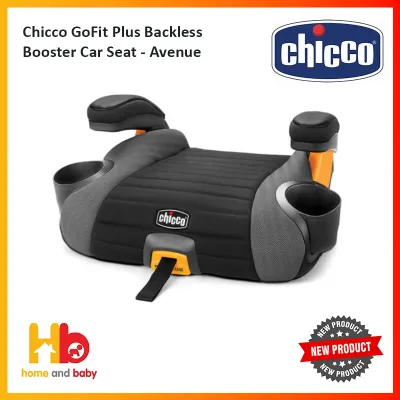
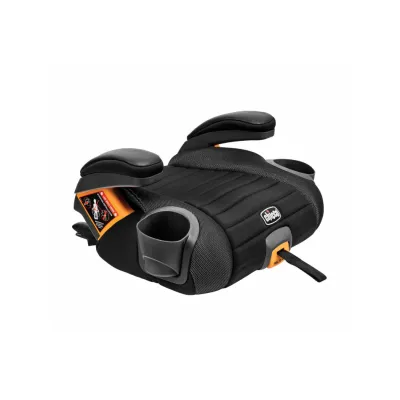
Prices are valid at publication and may change. Please refer to the product page for the latest price.
Observable signs that a child has outgrown a booster include their ears rising above the vehicle’s seat back or headrest, or their weight exceeding the label’s maximum limit. Conversely, if the lap belt rests on the child’s soft abdomen instead of their hips, or the shoulder belt rubs their neck, they must remain in a harnessed seat.
Installation and Securement Mechanisms
The Chicco GoFit Plus features a specialized attachment system designed to stabilize the booster seat. Caregivers should check whether their vehicle is equipped with lower anchor points, which allow the booster’s integrated connectors to click directly into the car’s frame. If lower anchors are unavailable, the seat can typically be secured using the vehicle’s standard seat belt.

Proper routing is vital to ensure the booster remains flat against the vehicle seat. When installing, follow the color-coded guides or molded paths indicated on the booster shell to route the straps correctly. Always pull the adjustment straps to eliminate slack, ensuring the booster does not slide or tip during use.
A critical safety practice is securing the booster seat even when it is empty. An unsecured booster can become a dangerous projectile inside the cabin during a sudden stop. Utilizing the lower anchor connectors or buckling the vehicle seat belt over the empty booster keeps it firmly in place.
Belt Positioning and Impact Protection Features
The primary safety function of a backless booster is to guide the vehicle’s seat belt into the correct anatomical position. The lap belt guides must position the belt low across the child’s pelvis, anchoring against the strong hip bones. Simultaneously, the shoulder belt guide must position the diagonal strap across the center of the chest and shoulder, avoiding the neck.
To understand the seat’s internal safety features, look for references to energy-absorbing foam or structural reinforcements in the product manual. These materials are designed to manage and distribute crash forces during an impact. Because a backless booster lacks side walls, it relies heavily on the vehicle’s side curtain airbags and correct seat belt positioning to manage side-impact forces.
Comfort, Materials, and Daily Convenience
A comfortable child is a safer passenger, as they are less likely to squirm out of position. When evaluating the booster, inspect the thickness of the seat padding and the texture of the cover materials. In warm climates like Singapore, breathable fabrics help prevent overheating and sweating, which directly improves a child’s willingness to remain seated properly.
Daily convenience features, such as built-in armrests and cup holders, make the booster more user-friendly. Some models feature removable, dishwasher-safe cup holders that fold away to save space. These small design details encourage children to take ownership of their space while keeping drinks secure and within reach.
Maintaining hygiene should never come at the expense of safety, so caregivers must strictly follow the manufacturer’s care instructions for the removable cover. Never use harsh chemicals or high-heat drying cycles unless explicitly permitted, as these can degrade the fabric. Always ensure the cover is completely dry and correctly reinstalled before the next journey.
How to Verify Specifications for Your Exact Model
Because safety standards and product specifications can vary significantly by region and production year, you must verify the details of your exact unit. Locate the physical certification label, typically found on the underside or back of the booster seat. This label contains critical information, including the model number, manufacturing date, and safety standards.
Once you have located these details, cross-reference them with the official manufacturer website or the physical manual. This step ensures you are following the correct weight limits, installation steps, and expiration guidelines for your specific production run.
If the physical certification label is missing or illegible, you should stop using the booster seat immediately, as you can no longer verify its history or compliance. Additionally, any booster seat involved in a vehicle crash must be replaced immediately, even if there is no visible damage, as the internal structure may be compromised.
Frequently Asked Questions (FAQ)
Can I use this booster seat in the front passenger seat?
The general safety consensus among child passenger safety experts is that all children under the age of 13 should ride in the rear seats of the vehicle. The rear seat is statistically the safest location in a vehicle during a collision, away from primary impact zones.
Placing a child in a booster seat in the front passenger seat carries severe risks, primarily due to the vehicle’s front airbag system. Airbags deploy with immense force designed to protect adults, and this rapid deployment can cause serious injuries to a child’s smaller body.
Always check your local traffic regulations and your vehicle owner’s manual before installing a booster seat. Some jurisdictions legally prohibit children under a certain age or height from riding in the front, and many vehicle manufacturers explicitly warn against placing booster seats in front of active airbags.
What should I do if the vehicle seat belt does not fit properly with the booster?
To determine if the vehicle seat belt fits properly, perform a standard seat belt fit test with your child buckled into the booster. The lap belt must lie flat across the upper thighs or hips, and the shoulder belt must cross the middle of the shoulder and chest. The child’s knees should bend comfortably over the edge of the booster seat with their back flat against the vehicle seat.
If the belt does not fit correctly, try moving the booster seat to a different seating position in the vehicle. Seat belt geometries, anchor points, and seat cushions vary significantly between the center and outboard positions, and a booster that fits poorly in one spot may fit perfectly in another.
If you cannot achieve a proper, secure fit in any available seating position, do not use the booster seat. In such cases, consult a certified child passenger safety technician to evaluate the setup or help you select a different booster model that is compatible with your vehicle’s interior design.
Community discussion
Share your experience or ask a question. Comments are reviewed before publication.