
Selecting a changing table pad involves balancing comfort, convenience, and chemical safety. Because your baby’s skin is exceptionally thin and highly permeable, the materials that make up their nursery environment deserve close inspection. A safe changing pad should provide a stable, cushioned surface that is easy to sanitize without exposing your infant to volatile organic compounds (VOCs), heavy metals, or harsh plasticizers. In warm, humid climates like Singapore, managing moisture is equally vital to prevent the growth of mold and bacteria on the pad’s surface.
By understanding what goes into these everyday nursery items, you can make an informed decision that protects your baby’s health. This guide outlines how to evaluate material safety claims, which fabrics are gentler on sensitive skin, and which chemical additives you should actively avoid.
How to Evaluate Changing Table Pad Materials for Safety
When shopping for nursery furniture, parents are often inundated with marketing terms like “eco-friendly,” “natural,” or “green.” These terms are frequently used without strict regulatory oversight, meaning they do not guarantee a product is free from synthetic chemicals or potential irritants. To make a truly safe choice, you must look past front-of-pack marketing and verify the actual material compositions.
Products mentioned in this guide
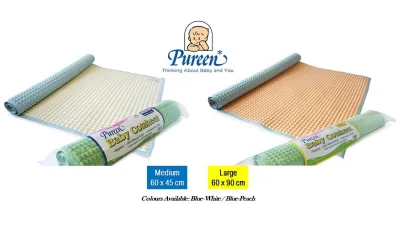
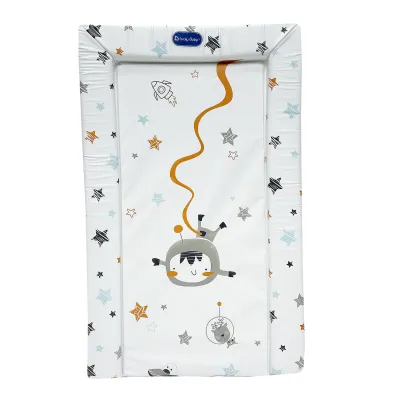
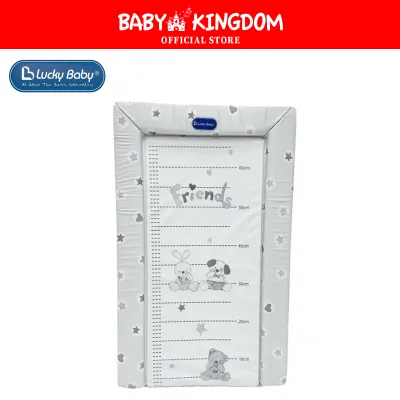
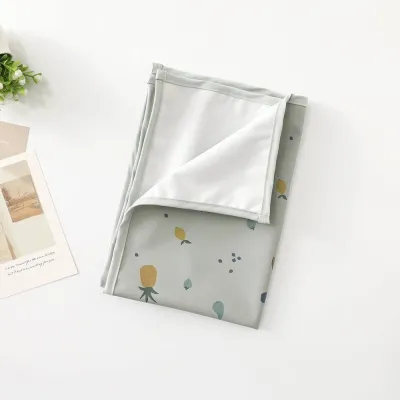
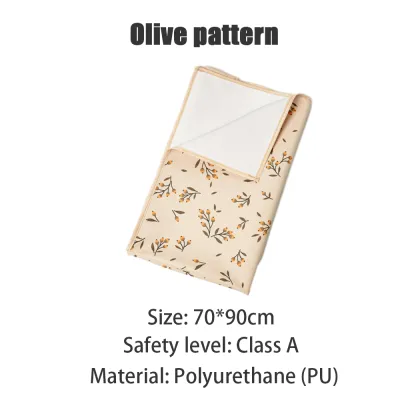
![[3 for $9.90] Waterproof Reusable Baby Diaper Changing Mats 50x70cm Pads For Nappy Change Sleep Travel Friendly](https://img.lazcdn.com/g/p/ba28990d9633c658b020b357371c8a1e.png_400x400q80.png_.webp)
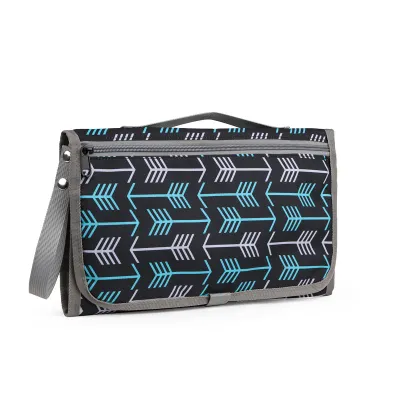
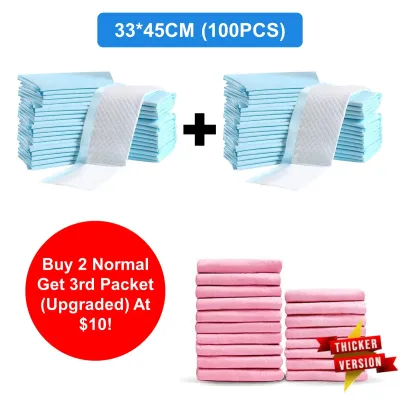
Prices are valid at publication and may change. Please refer to the product page for the latest price.
The most reliable place to find accurate material breakdowns is the physical law tag sewn directly into the changing pad’s seam. This tag lists the exact percentages of the filling and cover materials by weight. If you are purchasing online through an ecommerce platform, do not rely solely on the bulleted product description. Instead, cross-reference the details with the manufacturer’s official website or contact their customer service to request a complete material specification sheet.
Independent, third-party safety certifications offer an additional layer of verification. Look for recognized standards such as OEKO-TEX Standard 100, which certifies that the textile components have been tested for harmful levels of toxic chemicals. For foam-based pads, CertiPUR-US ensures the polyurethane foam is manufactured without ozone depleters, heavy metals, or specific phthalates. GREENGUARD Gold certification is another valuable standard, indicating that the product has been tested for low chemical emissions to help maintain indoor air quality. Always verify these claims by entering the manufacturer’s unique license number into the certifying body’s online database, as certifications must be kept active to remain valid.
Common Materials Favored for Sensitive Skin
For babies with sensitive skin or conditions like eczema, the materials in direct contact with their body are highly important. Natural fibers are widely favored for changing pad covers due to their breathability and softness. Organic cotton and bamboo-derived viscose are excellent choices because they allow air to circulate, reducing the risk of heat rashes. When selecting these materials, verify the exact percentage of organic content on the label, as some products are blended with synthetic polyester to reduce production costs. Additionally, check whether the core filling matches the cover; a natural fiber cover may still wrap a standard synthetic foam core. Ensure any dyes used are non-toxic and water-based.

Synthetic waterproof covers are necessary for easy cleanup, but they must be chosen carefully. Thermoplastic Polyurethane (TPU) and Polyethylene Vinyl Acetate (PEVA) are safer synthetic alternatives to traditional vinyl. TPU is a flexible, durable plastic membrane that provides an effective waterproof barrier without the stiff texture or chemical concerns associated with older plastics. PEVA is a non-chlorinated vinyl that offers similar waterproof benefits. When evaluating these materials, ensure the product documentation explicitly states they are free from heavy metals, bisphenols (BPA and BPS), and phthalates.
Wipeable foam or padded surfaces that do not require an extra cover are increasingly popular for their convenience. Molded foam pads made from high-quality polyurethane or food-grade silicone offer a seamless design that prevents liquids from seeping into seams. If choosing a polyurethane foam pad, verify that it carries a low-emission certification to ensure it does not release harmful chemicals into your nursery. Food-grade silicone is naturally hypoallergenic, water-resistant, and highly durable, making it an excellent, low-maintenance option for sensitive skin.
Materials and Chemical Additives to Scrutinize
Certain materials and chemical additives commonly found in household plastics and foams require careful scrutiny before you introduce them to your baby’s sleeping and changing areas. Polyvinyl chloride (PVC), commonly known as vinyl, is a cheap, waterproof plastic frequently used in budget changing pads. To make PVC flexible, manufacturers add plasticizers called phthalates. Because phthalates are not chemically bound to the plastic, they can gradually leach out or off-gas into the air. Given that infants frequently touch their changing pads and then put their hands in their mouths, avoiding PVC and phthalates is a prudent safety measure. Look for labels that explicitly state “PVC-free” or “phthalate-free.”
Chemical flame retardants and formaldehyde are other substances to watch out for. Polyurethane foam is naturally highly flammable, which historically led manufacturers to treat it with chemical flame retardants to meet fire safety standards. Some of these chemicals can accumulate in the body and have been linked to developmental concerns. Formaldehyde may also be present in adhesives used to bond different layers of the pad. To minimize exposure, look for changing pads that are explicitly labeled as free from chemical flame retardants and formaldehyde, or those that meet modern flammability standards without the use of added chemicals.
A strong, persistent chemical smell upon opening a new changing pad is a primary indicator of off-gassing. This odor is caused by the release of volatile organic compounds (VOCs) from synthetic foams, glues, or waterproof coatings. While a mild scent from packaging is normal and should dissipate quickly, a strong, sweet, or pungent chemical odor that lingers after several days of airing out in a well-ventilated space is a sign of high chemical emissions. If a pad continues to off-gas persistently, it is best to avoid using it and return the product.
A Pre-Purchase Safety Checklist for Changing Pads
Before finalizing your purchase online or in-store, use this step-by-step checklist to verify the safety and suitability of the changing table pad:
- Inspect the physical law tag: Look for the sewn-in white tag to confirm the exact material percentages of both the outer cover and the inner filling.
- Cross-reference online claims: Verify that vague marketing terms like "non-toxic" are backed by specific material listings on the manufacturer's official website.
- Verify active certifications: Search the online databases of OEKO-TEX, GREENGUARD, or CertiPUR-US using the brand's unique license number to ensure their certifications are current.
- Check for product recalls: Visit local consumer safety portals, such as Enterprise Singapore's product safety alerts, to ensure the specific brand, model, or batch has not been recalled for safety hazards or chemical non-compliance.
- Assess physical safety features: Ensure the pad features a non-slip bottom, secure safety straps with durable buckles, and contoured edges to prevent rolling. Remember that these physical safety features are designed to assist you, but they never replace the need for active, hands-on caregiver supervision at all times.
Frequently Asked Questions (FAQ)
Do I need a waterproof cover if the pad is made of natural fibers?
Yes, using a waterproof cover is highly recommended if your changing pad is made of natural fibers like organic cotton or wool. Natural fibers are highly absorbent and slow to dry, meaning liquid spills or diaper leaks can quickly saturate the core of the pad. In warm, humid climates, trapped moisture within natural fibers creates an ideal breeding ground for mold, mildew, and bacteria. To protect the pad while keeping your baby comfortable, choose a removable, machine-washable cover that features a safe, non-toxic waterproof backing, such as Thermoplastic Polyurethane (TPU), rather than PVC.
How can I safely clean a changing pad without degrading its materials?
To clean a changing pad safely, always follow the manufacturer’s specific care label instructions. For wipeable synthetic surfaces like TPU, PEVA, or silicone, wipe the surface daily using a mild, baby-safe soap and warm water, then dry it thoroughly with a clean cloth. Avoid using harsh chemical disinfectants, bleach, or strong alcohol-based wipes unless they are explicitly approved by the manufacturer, as these substances can break down waterproof coatings and leave chemical residues that may irritate your baby’s skin. For machine-washable natural fiber covers, wash them in warm water with a fragrance-free, gentle detergent, and ensure they are completely dry before placing them back on the pad to prevent moisture buildup.
Community discussion
Share your experience or ask a question. Comments are reviewed before publication.