
When preparing a bath for your infant, safety is undoubtedly your top priority. While many parents focus on water temperature and gentle baby soaps, the bath mat you place at the bottom of the tub plays an equally critical role in protecting your child. Infant bath mats are designed to prevent slips and falls, but if they lack proper safety certifications, they can introduce hidden chemical and physical hazards into your baby’s bath routine. Understanding why these certifications are essential is the first step in creating a truly safe bathing environment.
To ensure safety, parents should verify that a mat complies with recognized global toy and child product safety standards, such as EN71 or ASTM F963, and is certified free from hazardous substances like phthalates, BPA, and heavy metals. While Singapore’s Health Sciences Authority (HSA) primarily regulates health products, cosmetics, and medical devices rather than general household baby plastics, infant bath mats are governed by general consumer product safety requirements and international testing standards. Choosing the right mat involves understanding material composition, verifying testing labels, and maintaining the product properly in Singapore’s humid climate.
Why Safety Certifications Matter for Baby Bath Mats
The primary concern with uncertified baby bath mats is chemical exposure. Low-quality plastics and synthetic rubbers often contain hazardous additives used to make the material soft, pliable, or brightly colored. Among the most concerning of these chemicals are phthalates, which are plasticizers frequently added to polyvinyl chloride (PVC). Phthalates are known endocrine disruptors that can interfere with hormone regulation and development in growing infants. Additionally, uncertified products may contain Bisphenol A (BPA) or heavy metals such as lead, cadmium, and antimony. Because infants naturally explore their surroundings by touching, grasping, and chewing on items, a bath mat that sits in warm water poses a direct exposure risk. The heat of the bathwater can actually accelerate the leaching of these chemical compounds, allowing them to mix with the water your baby sits in or enter their system if they attempt to chew on the edges of the mat.
Products mentioned in this guide
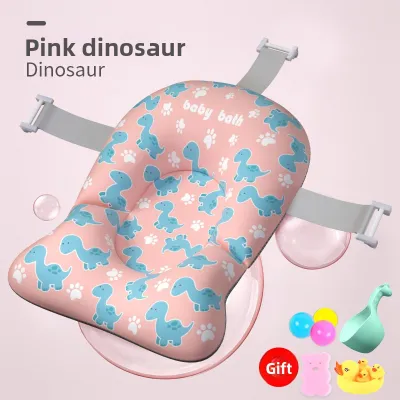
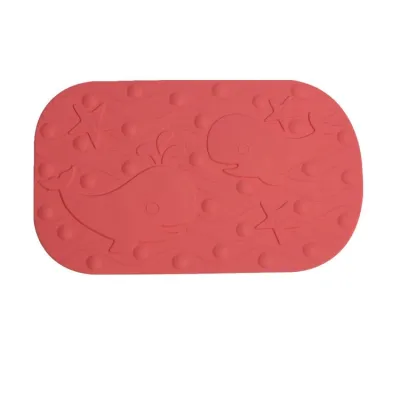
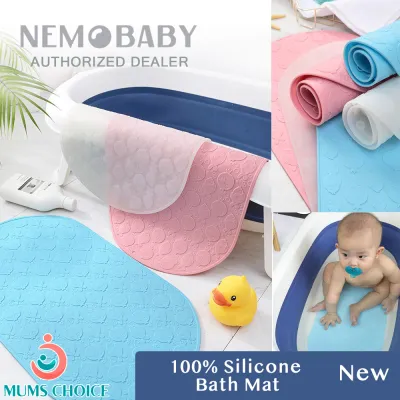
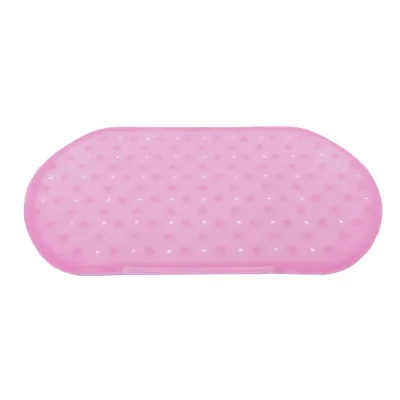
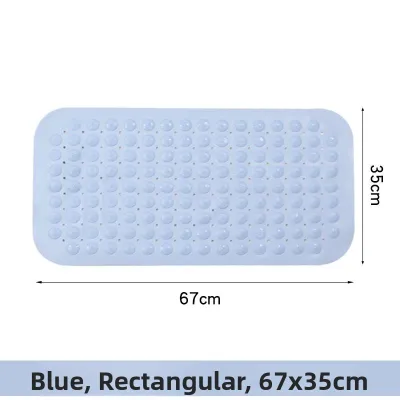
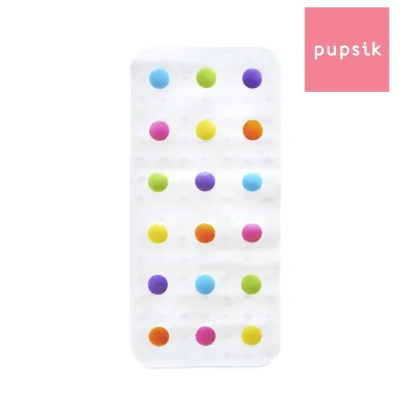
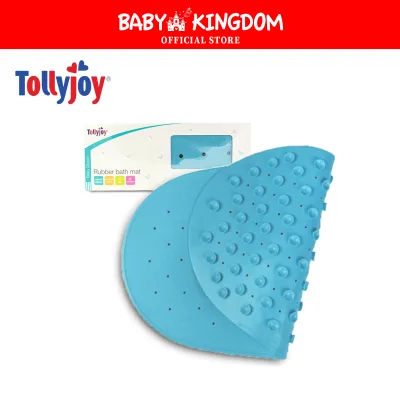
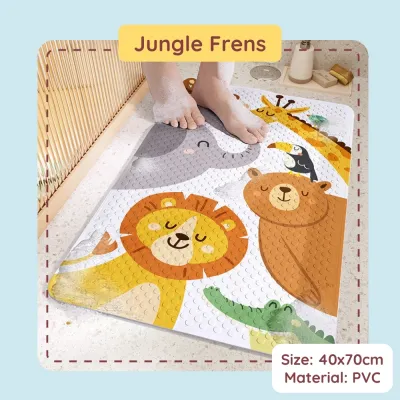
Prices are valid at publication and may change. Please refer to the product page for the latest price.
Physical risks are another major factor when evaluating uncertified bath mats. A high-quality bath mat must provide reliable traction on two distinct surfaces: the top surface that contacts your baby’s delicate skin, and the bottom surface that adheres to the tub. Uncertified mats often utilize low-grade suction cups that fail to form a strong, lasting seal, especially when exposed to soapy water or baby bath oils. If the suction cups fail or slide, the mat can shift suddenly, leading to slips, falls, or submersion. Furthermore, poor manufacturing can result in rough edges, easily detachable parts, or weak materials that tear easily, creating small pieces that present a severe choking hazard to curious infants.
Relying on generic marketing buzzwords is not enough to guarantee your baby’s safety. Terms like “eco-friendly,” “natural,” “non-toxic,” or “child-safe” are frequently used by manufacturers as marketing tools, but they are not legally regulated or standardized for consumer products. Anyone can print “non-toxic” on a box without undergoing independent testing. Legitimate safety certifications, however, require manufacturers to submit their products to accredited third-party laboratories. These labs conduct rigorous chemical analyses and mechanical stress tests to verify that the materials are completely safe for infant contact. By looking for verified certifications, you ensure that the product’s safety claims are backed by objective, scientific evidence rather than promotional claims.
Key Safety Standards and Labels to Verify
Navigating the world of safety standards can feel overwhelming, but knowing exactly which labels and certifications to look for will simplify your shopping process. When evaluating a baby bath mat, you should treat physical packaging labels and official manufacturer documentation as your primary sources of truth. Verified safety labels provide concrete proof that a product has been formulated and manufactured to meet strict international safety thresholds.

First, look for explicit material safety labels on the product packaging. These include “BPA-free,” “phthalate-free,” “PVC-free,” and “non-toxic.” While these labels are helpful indicators, they should ideally be accompanied by a reference to the specific testing standard used to verify the claim. For example, a reliable product will often state that it complies with REACH (Registration, Evaluation, Authorisation and Restriction of Chemicals) regulations in Europe, which strictly limit the use of phthalates and other hazardous substances in consumer goods.
Because bath mats are used by infants who are likely to mouth the material, the most reliable products are often tested against child product and toy safety frameworks. The two most prominent global standards are EN71 (the European Standard for Toy Safety) and ASTM F963 (the Standard Consumer Safety Specification for Toy Safety in the United States). Specifically, EN71 Part 3 regulates the migration of certain chemical elements, ensuring that heavy metals like lead or mercury cannot leach out of the mat in harmful quantities if an infant chews on it. ASTM F963 covers similar chemical safety boundaries while also enforcing strict mechanical safety rules, ensuring that no small parts can detach and pose a choking hazard. If a baby bath mat has been tested and certified under these toy safety standards, you can have significantly greater confidence in its chemical and physical safety.
In addition to chemical safety, look for indicators of slip-resistance testing and suction cup performance. High-quality manufacturers often test their mats against established slip-resistance standards, such as those outlined by the American Society for Testing and Materials (ASTM). While suction cup load ratings are less common on consumer packaging, reputable brands will provide clear instructions on the types of surfaces their suction cups can securely adhere to, typically specifying that they require a smooth, non-textured surface to function safely.
It is crucial to emphasize that you must read the actual physical product labels or official manufacturer specifications rather than relying solely on third-party seller descriptions on e-commerce platforms. Online listings can easily copy and paste certification logos or make false claims that are not reflected on the actual product packaging. When you receive the product, check the box for physical safety stamps, batch numbers, and the manufacturer’s official contact details. If the physical packaging lacks these details, or if the claims on the box contradict the online description, you should exercise caution and verify the product’s authenticity with the manufacturer.
Comparing Bath Mat Materials for Safety and Durability
The safety, durability, and hygiene of a baby bath mat are heavily influenced by the raw materials used in its construction. Understanding the differences between common materials will help you choose a mat that aligns with your safety standards and maintenance preferences. The three most common materials used for bath mats are Thermoplastic Elastomer (TPE), food-grade silicone, and Polyvinyl Chloride (PVC).
Thermoplastic Elastomer (TPE) is widely considered one of the best materials for infant bath mats. TPE is a hybrid material that combines the flexible, rubber-like qualities of elastomers with the processing advantages of plastics. Unlike traditional plastics, TPE is naturally flexible and does not require the addition of phthalates or other harmful plasticizers to achieve its soft texture. It is highly slip-resistant, gentle on an infant’s sensitive skin, and extremely durable. TPE is also highly resistant to tearing and degradation from warm water and soap, making it an environmentally friendly and long-lasting choice.
Food-grade silicone is another premium material option that offers exceptional safety benefits. Silicone is highly inert, meaning it does not react with water, soaps, or skin care products, and it does not leach chemicals even when exposed to high temperatures. It is naturally hypoallergenic and has a non-porous surface that is highly resistant to mold, mildew, and bacterial growth. This makes silicone exceptionally easy to keep clean and sanitize—some silicone mats can even be boiled or washed in a dishwasher for thorough sterilization. While silicone mats can be more expensive, their durability and superior hygiene profile make them an excellent long-term investment.
In contrast, Polyvinyl Chloride (PVC) is a material that parents should generally approach with caution. PVC is naturally rigid and brittle, meaning manufacturers must add chemical plasticizers—most commonly phthalates—to make it soft and flexible enough for a bath mat. While some modern PVC mats are labeled as “phthalate-free,” they may still contain alternative plasticizers whose long-term health effects on infants are not as thoroughly researched. Furthermore, PVC is more prone to chemical degradation over time, especially when exposed to warm water, soap scum, and UV light, which can cause the material to become brittle, crack, or release a strong plastic odor.
When evaluating the design of a bath mat, look for features that actively support safety and hygiene. A safe mat should feature numerous drainage holes distributed evenly across its surface. These holes allow water and soap to flow freely through the mat rather than pooling underneath, which significantly reduces the risk of mold and mildew forming on the underside. Additionally, examine the design of the suction cups. The suction cups should be molded as a single, continuous piece with the rest of the mat, rather than glued or attached separately. Separately attached suction cups can easily tear off over time, posing a severe choking hazard to infants who might find and swallow them.
As a general rule, remember that these material characteristics are general guidelines. You must always verify the specific material composition and safety claims of the exact product you are considering by reading the manufacturer’s official label and product documentation.
Smart Shopping: Verifying Claims in the Singapore Market
Shopping for baby products in Singapore offers a wealth of choices, but it also requires a discerning eye to avoid counterfeit, uncertified, or substandard items. With the rise of global e-commerce, uncertified products can easily find their way onto local online platforms, making it essential for parents to know how to verify claims and shop smartly.
To ensure you are purchasing an authentic, certified safe baby bath mat, prioritize buying from authorized retailers, official brand flagship stores, or reputable physical mother-and-baby specialty shops in Singapore. These established retailers have direct relationships with manufacturers or authorized distributors, ensuring that the products they stock have undergone proper quality control and meet local safety regulations. Purchasing from a physical store also allows you to handle the product, inspect the packaging, and evaluate the material quality firsthand before making a purchase.
When shopping on online marketplaces, you must remain vigilant and watch for key red flags. Be highly suspicious of listings that feature unusually low prices—such as a bath mat priced significantly lower than established brand averages (for instance, under S$5). Extremely low prices often indicate that the manufacturer has cut corners by using cheap, uncertified PVC or low-grade plastics containing hazardous chemical additives. Other major red flags include vague or generic material descriptions (such as simply listing “rubber” or “plastic” without specifying TPE or food-grade silicone), a complete absence of safety certification details, or listings that rely solely on generic stock photos without showing the actual product packaging or brand logo.
When your purchased bath mat is delivered, perform a thorough physical inspection before using it with your baby. First, check that the packaging is intact, professionally designed, and clearly printed with the manufacturer’s brand name, physical address, and contact information. Look for physical safety certification stamps, such as the CE mark or references to EN71 or ASTM standards. Open the packaging and inspect the product for any strong, chemical, or gasoline-like odors, which are common indicators of low-grade plastics or volatile organic compounds (VOCs). Finally, verify that the package includes a clear, comprehensive user manual or safety instruction sheet written in proper English, detailing the correct installation, cleaning, and age limits for the product. If any of these elements are missing or seem suspicious, do not hesitate to contact the retailer or return the product.
Safe Usage and Maintenance Boundaries
Even the most certified, high-quality bath mat cannot protect your baby if it is used or maintained incorrectly. Establishing safe usage habits and proper maintenance routines is essential to ensure the mat remains a reliable safety aid and a hygienic surface for your infant.
The most critical, non-negotiable safety rule of baby bath time is that a non-slip bath mat is never a substitute for continuous, active adult supervision. A bath mat is simply a slip-prevention aid; it cannot prevent drowning or other serious accidents. You must never leave your infant unattended in the bath, even for a single second, and regardless of how shallow the water is or how secure the bath mat seems. Always maintain physical contact or keep your eyes on your baby at all times during the bath. If you must leave the bathroom for any reason, wrap your baby in a towel and take them with you.
Before every single bath, perform a quick pre-bath inspection routine. Ensure that the surface of your bathtub or baby tub is clean, smooth, and free of soap residue, as any film can prevent the suction cups from adhering properly. Press down firmly on the mat, starting from the center and moving outward, to ensure every suction cup has formed a secure, airtight seal. Give the mat a gentle tug to verify that it does not slide or lift. Additionally, examine the physical condition of the mat. Check for any signs of wear, such as tears, peeling edges, or degrading material that could easily break off and pose a choking hazard to your baby.
Proper cleaning and drying protocols are vital to prevent the buildup of mold, mildew, and bacteria. Singapore’s warm, highly humid climate creates an ideal environment for mold to grow rapidly on damp surfaces. After every bath, peel the mat up from the tub surface—never leave it stuck to the bottom of the tub permanently. Rinse the mat thoroughly with clean, warm water to wash away all soap scum, baby oil, and skin cells, which serve as food sources for mold. Shake off excess water and hang the mat to dry in a well-ventilated area, away from direct sunlight which can degrade certain materials like TPE over time.
Finally, you must know when it is time to stop using and discard the bath mat. Define clear conditions for replacement: if the suction cups lose their flexibility and can no longer hold a secure grip on the tub, if the material begins to crack, harden, or tear, or if you notice persistent black mold or mildew spots that cannot be removed with thorough cleaning. Using a moldy or structurally compromised bath mat poses both hygiene and physical safety risks to your infant, and replacing it immediately is the only safe course of action.
Frequently Asked Questions (FAQ)
Can I use a regular adult non-slip mat instead of a baby-specific one?
It is highly recommended to avoid using regular adult non-slip mats for infants. Adult bath mats are designed for adult weight and usage, and they typically do not undergo the stringent chemical safety testing required for infant products. Infants have highly sensitive skin and a natural tendency to explore by chewing or mouthing objects in the bath, making the chemical safety profile of the mat—such as being certified free from phthalates, BPA, and heavy metals—absolutely critical. Furthermore, adult mats are often too large for baby-specific tubs, which can cause the mat to bunch up, compromise suction adhesion, and create dangerous tripping or slipping hazards. Using a product specifically designed, sized, and certified for baby care is the safest choice.
How often should I replace my baby's bath mat?
There is no fixed calendar expiration date for a baby bath mat; its lifespan depends entirely on the material quality, usage frequency, and how well it is maintained. However, due to Singapore’s high humidity, which accelerates mold growth, and the natural wear and tear of daily use, many parents find they need to replace their baby’s bath mat every 6 to 12 months. You should not wait for a specific timeframe to replace the mat. Instead, base your decision on regular physical inspections. Replace the mat immediately if you notice failing suction cups, visible tears, material cracking, hardening, or persistent mold and mildew buildup that cannot be washed away.
Community discussion
Share your experience or ask a question. Comments are reviewed before publication.