
Choosing between Ceradan and other diaper creams in Singapore depends on whether your baby requires targeted skin barrier repair or a robust physical shield against moisture. In Singapore’s hot and humid climate, diaper rash is a frequent challenge for parents, as trapped sweat and urine can quickly irritate delicate skin. While some families find success with traditional zinc oxide pastes, others require lipid-rich formulations to restore compromised skin. Understanding the specific needs of your baby’s skin and learning how to read product labels are the most reliable ways to make an informed purchase.
Identifying Your Baby's Skin Needs First
Before comparing specific brands on the shelf, it is essential to determine whether you are looking for a daily preventative barrier or a targeted treatment for an active diaper rash. Daily prevention focuses on keeping wetness away from healthy skin, whereas active treatment requires ingredients that soothe inflammation and repair a damaged skin barrier. Misidentifying your baby’s current skin state can lead to using a product that either fails to protect or unnecessarily exposes sensitive skin to heavy formulations.
Observing your baby’s skin signals is the first step in this process. Mild redness, slight warmth, or dry patches in the diaper area often indicate the beginning of irritation, which can usually be managed at home with frequent diaper changes and a suitable barrier cream. However, if you notice bright red bumps, peeling skin, blisters, or if your baby shows signs of significant discomfort during changes, the skin barrier may be compromised.
Products mentioned in this guide


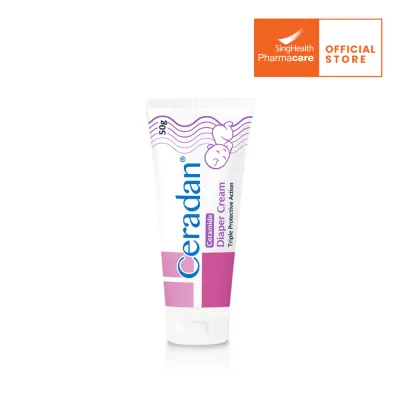
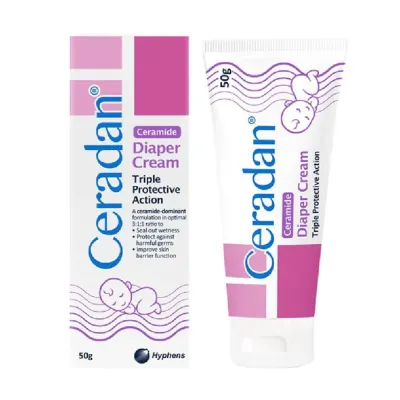
Prices are valid at publication and may change. Please refer to the product page for the latest price.
Knowing when to transition from home care to professional medical advice is crucial for your baby’s safety. You should stop using over-the-counter creams and consult a pediatrician immediately if you observe signs of infection, such as pus, bleeding, oozing, or a fever. Additionally, if a diaper rash does not improve or worsens after a few days of consistent care, a healthcare professional should evaluate the condition to rule out fungal or bacterial infections that require prescription treatments.
Ultimately, product suitability is highly individual and depends on your baby’s unique skin type and comfort. A cream that works exceptionally well for one infant might cause sensitivity in another. Paying close attention to how your baby’s skin reacts after the first few applications will help you decide whether to continue with a specific brand or try an alternative formulation.
What to Check When Evaluating Ceradan Diaper Cream
When evaluating Ceradan diaper cream, your first step should be to carefully inspect the product packaging and ingredient list to verify its formulation claims. Ceradan is widely known for its focus on skin barrier restoration, particularly through the use of ceramides. To confirm what you are buying, look at the back of the tube for key barrier lipids, specifically ceramides, cholesterol, and free fatty acids, which are designed to mimic the skin’s natural protective barrier.

In addition to these lipids, check the label for other active ingredients such as zinc oxide, which is commonly added to diaper creams to provide a physical barrier against wetness. It is equally important to check for what is not in the product. Parents of babies with highly sensitive or eczema-prone skin should verify that the formulation is fragrance-free, paraben-free, and hypoallergenic to minimize the risk of triggering contact dermatitis.
Always verify the manufacturer’s age, weight, and usage instructions printed on the packaging before application. While many barrier creams are formulated for daily use from birth, some specific product lines may have age recommendations or specific application guidelines that you must follow. Checking these details ensures you are using the product safely and as intended by the manufacturer.
Finally, consider the texture and ease of application, which you can often evaluate through product descriptions, reviews, or in-store testers where available. In Singapore’s warm climate, a diaper cream that is too thick or greasy can feel uncomfortable for a baby and may be difficult to spread evenly over irritated skin. A formulation that glides on smoothly without requiring heavy friction is generally preferred to avoid further irritating delicate skin during diaper changes.
Comparing Formulations: Ceradan vs. Common Alternatives
To make a practical comparison, it helps to understand how ceramide-focused formulations like Ceradan differ from traditional zinc oxide or petroleum-based barriers. Ceramide-dominant creams work by penetrating the outer layers of the skin to replenish lost lipids and rebuild the skin’s natural defense system from within. This approach is particularly beneficial for babies who suffer from chronic dryness, eczema, or recurrent diaper dermatitis where the skin barrier is fundamentally weakened.
In contrast, traditional zinc oxide creams act as a physical, waterproof shield that sits on top of the skin. This white, pasty barrier is highly effective at repelling liquid, making it an excellent choice for preventing wetness from reaching the skin during long sleep stretches or when dealing with frequent, loose stools. Petroleum-based ointments work similarly by creating an occlusive layer that seals in the skin’s natural moisture while blocking external irritants, though they do not actively repair the skin’s cellular structure in the way ceramide formulations aim to do.
When comparing labels across different brands in Singapore pharmacies, look closely at the marketing claims and certifications. Terms like “hypoallergenic,” “steroid-free,” and “fragrance-free” are important indicators of suitability for sensitive skin, but they should always be cross-referenced with the actual ingredient list. Some traditional creams may contain added botanical extracts or essential oils which, despite being natural, can sometimes irritate compromised baby skin.
Another practical factor to compare is thickness, wipeability, and compatibility with your diapering setup. Thick zinc oxide pastes can be notoriously difficult to wipe off during diaper changes, which might lead to friction-induced irritation if you have to scrub the skin clean. Furthermore, if you use cloth diapers, heavy zinc oxide and petroleum-based creams can leave a stubborn residue that clogs the fabric fibers, reducing their absorbency over time. Lighter, lipid-based creams are often more compatible with cloth diapers and are generally easier to clean off the skin gently.
Assessing Price, Packaging, and Retail Availability
Evaluating the cost-effectiveness of diaper creams requires looking beyond the initial retail price on the shelf. Because diaper creams are used multiple times a day, calculating the cost in S$ per gram or milliliter is the most accurate way to compare different brands and packaging sizes. A premium cream sold in a small 50g tube may have a much higher unit cost than a traditional barrier cream sold in a large 250g tub, making the latter more economical for long-term, daily preventative use.
Packaging design also plays a role in both hygiene and convenience. Tubes are generally considered more hygienic because they prevent you from dipping dirty fingers back into the product, which can introduce bacteria into a tub. However, tubs often allow you to use every last bit of the product without struggle. Consider your daily routine and whether a portable tube for the diaper bag or a large tub for the changing table at home fits your lifestyle better.
In Singapore, authorized sellers of Ceradan and other reputable diaper cream brands include local physical pharmacies such as Guardian, Watsons, and Unity, as well as major supermarkets like FairPrice, Cold Storage, and Giant. Purchasing from these established retailers ensures you are getting genuine products that have been stored under appropriate temperature-controlled conditions, which is vital for maintaining the stability of active ingredients in Singapore’s heat.
To manage your diapering budget, look out for bundle deals, multi-packs, or subscription options offered by official brand stores on authorized online marketplaces. While promotional prices fluctuate and cannot be guaranteed, buying in bulk or during major shopping events can significantly lower your overall expenditure. Always verify that the online seller is an authorized distributor to avoid counterfeit products.
Decision Framework: Which Diaper Cream Fits Your Routine?
To finalize your purchase decision, consider a conditional framework based on your baby’s specific skin needs, your daily diapering routine, and your household budget. Choosing Ceradan is highly recommended if your baby has a history of sensitive skin, eczema, or a compromised skin barrier that requires active lipid replenishment, and if your budget comfortably accommodates a premium skincare product. Its lightweight texture is also well-suited for the humid Singapore climate, where heavy, suffocating creams might cause discomfort.
On the other hand, choosing a traditional zinc oxide or petroleum-based alternative is the more practical route if you primarily need a thick, highly visible physical barrier to protect healthy skin during long overnight stretches or periods of heavy wetting. These traditional options are also highly cost-effective, making them ideal for families looking for an affordable, daily preventative barrier that can be applied generously at every diaper change without budget concerns.
Before committing to any new diaper cream, always verify if your baby has any known allergies to the listed ingredients. It is highly recommended to perform a patch test by applying a small amount of the cream to a small patch of healthy skin on your baby’s arm or leg and waiting 24 hours to check for any adverse reactions. If your baby’s skin condition does not improve or if a diaper rash persists beyond a few days despite consistent application, stop using the product and consult a qualified healthcare professional for a personalized assessment.
Frequently Asked Questions (FAQ)
Can I use Ceradan diaper cream on a newborn?
To determine if Ceradan diaper cream is suitable for your newborn, you must check the manufacturer’s minimum age or weight guidelines printed directly on the product packaging. Newborn skin is exceptionally thin and sensitive, meaning it absorbs topical products more readily than older infants. If your baby was born prematurely or has highly sensitive skin, it is always safest to consult a pediatrician before applying any new skincare products to ensure they are appropriate for your newborn’s developmental stage.
How often should I apply diaper cream?
The frequency of diaper cream application depends on whether you are using it for daily prevention or targeted treatment, as well as the specific instructions provided on the product label. For daily prevention, some parents apply a thin layer of barrier cream during every diaper change, while others only apply it before long sleep stretches or when they notice early signs of redness. Regardless of frequency, always ensure your baby’s skin is thoroughly clean and completely dry before reapplication, as applying cream over damp skin can trap moisture and worsen irritation.

Community discussion
Share your experience or ask a question. Comments are reviewed before publication.