
No baby wash, including Centaphil, is officially “HSA certified” or “HSA approved” because Singapore’s Health Sciences Authority (HSA) does not issue safety certificates or approval stamps for cosmetic products. Instead, cosmetic products must undergo a mandatory notification process before they can be legally sold in the local market. Centaphil baby products are widely available across Singapore because their local importers and distributors have successfully submitted these required notifications, declaring that the products comply with safety standards.
For parents of newborns, determining whether a specific baby wash is safe requires looking beyond regulatory compliance. While HSA notification ensures a product meets baseline safety and ingredient restrictions, a newborn’s skin barrier is exceptionally thin, delicate, and highly susceptible to irritation. To ensure maximum safety, you must evaluate the specific formulation of the product variant in your hands, understand its active ingredients, and introduce it to your baby’s skin using a cautious, systematic approach.
Understanding HSA Regulations for Baby Wash in Singapore
Singapore regulates baby washes, shampoos, and other skincare items as cosmetic products under the ASEAN Cosmetic Directive. This regulatory framework dictates that the HSA does not conduct pre-market testing, clinical trials, or individual product approvals for cosmetics. The responsibility for ensuring safety, quality, and compliance rests entirely on the company that registers and sells the product locally.
Products mentioned in this guide
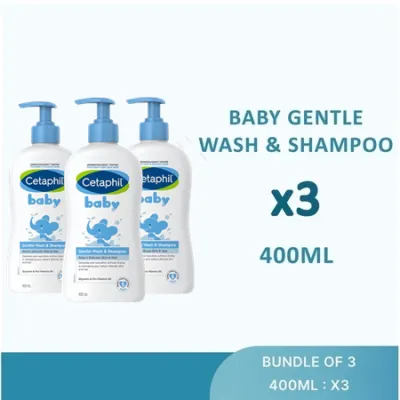
![CETAPHIL BABY Gentle Wash & Shampoo with Glycerin & Panthenol 400ml [Head to Toe Gentle Cleansing Formula]](https://img.lazcdn.com/g/p/358c130db4d3c6181d2b5ff0da764385.png_400x400q80.png_.webp)
![[Local Delivery] Cetaphil Baby Gentle Wash and Shampoo (For Hair and Body) 400ml](https://img.lazcdn.com/g/p/f0411a82414d0519e1734589074fc328.png_400x400q80.png_.webp)
![[SG Ready to ship ] Cetaphil Baby Wash & Shampoo with Shea Butter 400ml |Organic Calendula wash &shampoo | CETAPHIL BABY Moisturising Bath & Wash| Daily Lotion](https://img.lazcdn.com/g/p/52c17e6da31e9e8361808ec895ad9d00.jpg_400x400q80.jpg_.webp)
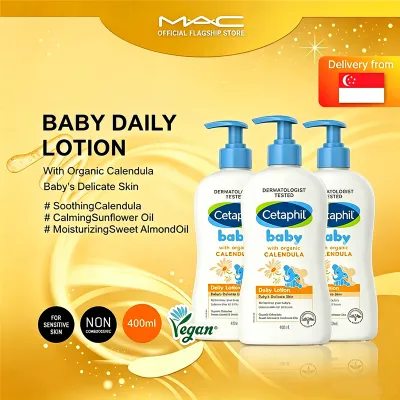
![[Bundle of 2] CETAPHIL BABY Wash & Shampoo with Organic Calendula and Sunflower Seed Oil 400ml [Gentle & Hypoallergenic]](https://img.lazcdn.com/g/p/3763f6e79c558eb8512229463c0269c9.png_400x400q80.png_.webp)
Prices are valid at publication and may change. Please refer to the product page for the latest price.
Before any Centaphil baby wash variant can be placed on retail shelves or sold on local ecommerce platforms, the local importer or distributor must submit a cosmetic product notification to the HSA. This notification serves as an official declaration that the product contains only permitted ingredients within safe concentration limits and is manufactured under Good Manufacturing Practice standards. It does not represent an endorsement or a guarantee of absolute safety by the HSA.
Parents can verify whether a baby wash is legally compliant by checking the physical packaging for the local distributor’s or importer’s company details. Compliant products sold through reputable local pharmacies, supermarkets, and official brand stores will clearly display the name and address of the Singapore-based company responsible for the product. While the HSA maintains a database of notified cosmetics, checking for clear, localized labeling on the physical packaging remains the most practical verification step for everyday consumers.
Under the ASEAN Cosmetic Directive, HSA compliance strictly regulates the ingredients allowed in baby care products. This includes banning highly toxic substances, restricting the use of heavy metals, and placing strict concentration limits on specific preservatives. These regulations prevent the inclusion of hazardous chemicals that could easily penetrate a newborn’s fragile skin and enter their bloodstream.
However, an HSA-notified product is not a guarantee against individual allergic reactions or localized skin irritation. Because every infant’s skin is unique, a product that is fully compliant with Singapore’s regulatory standards can still cause a reaction if your baby has an underlying sensitivity to a specific, legally permitted ingredient. Regulatory compliance ensures systemic safety and ingredient legitimacy, but individual compatibility must still be assessed by the parent.
Parents should remain highly vigilant against products that display unauthorized medical claims or counterfeit regulatory badges. Any baby wash that claims to “cure eczema,” “heal psoriasis,” or features self-made seals of approval mimicking official government stamps should be avoided. The HSA strictly prohibits cosmetic products from making therapeutic or medicinal claims, and legitimate brands like Centaphil adhere to these guidelines by focusing on gentle cleansing and moisturization.
Evaluating Centaphil Baby Wash Ingredients for Newborn Skin
To determine if a specific Centaphil baby wash is suitable for your newborn, you must carefully examine the ingredient list on the physical bottle. Formulations can vary significantly between different product lines, such as the classic gentle wash, moisturizing formulas, or variants enriched with organic calendula. Never assume that all bottles under the same brand share identical ingredients.

One of the most important claims to look for on a newborn wash is a “tear-free” formulation. Tear-free products are specifically designed using mild, non-ionic surfactants that do not irritate or sting a baby’s eyes during bathing. While this formulation minimizes discomfort, you should still take care to prevent direct contact with the eyes and rinse the area gently with clean water if contact occurs.
Newborn skin has a slightly acidic surface pH, typically ranging between 4.5 and 5.5, which forms a crucial protective barrier known as the acid mantle. Using traditional soaps with a high alkaline pH can disrupt this barrier, leading to dryness, irritation, and increased susceptibility to bacterial infections. A high-quality baby wash should be pH-balanced to match this natural acidity, helping to maintain the integrity of your baby’s developing skin barrier.
Claims such as “hypoallergenic” and “dermatologically tested” indicate that the manufacturer has formulated the product to minimize common allergens and conducted safety evaluations under clinical supervision. While these labels provide reassurance, they are not standardized medical terms. Parents of newborns with extremely sensitive skin or a family history of atopic dermatitis should still scrutinize the ingredient list for any potential personal triggers.
When reviewing the ingredient list, look for the absence of harsh sulfates, such as Sodium Lauryl Sulfate (SLS) or Sodium Laureth Sulfate (SLES). These strong surfactants are highly effective at removing dirt but are far too aggressive for a newborn, as they strip away the natural lipids that keep the skin hydrated. Gentler cleansing agents, such as cocamidopropyl betaine or decyl glucoside, are preferred for infant care.
It is also essential to distinguish between “fragrance-free” and “unscented” labels on baby skincare packaging. A fragrance-free product contains absolutely no added synthetic perfumes, essential oils, or masking scents, making it the safest choice for newborn skin. An unscented product, conversely, may contain chemical masking agents designed to neutralize the natural smell of the raw ingredients, which can still trigger contact dermatitis in sensitive babies.
Furthermore, keep in mind that cosmetic formulations can vary by region, manufacturing batch, and distribution channel. A bottle of Centaphil baby wash purchased through parallel importers on online marketplaces may have been manufactured for a different market with different ingredient regulations or preservative systems. Always evaluate the physical label of the exact bottle you intend to purchase to ensure it aligns with safe ingredient practices.
Safe Introduction and Patch Testing for Your Newborn
Because a newborn’s skin is highly delicate and its barrier function is still developing, you should never apply a new bathing product to their entire body without testing it first. Even products formulated specifically for infants can occasionally trigger an adverse reaction. A systematic, localized patch test is the safest way to introduce any new skincare product.
To conduct a safe patch test, select a small, discreet area on your baby’s body where they cannot easily rub the product into their eyes or mouth, such as the inner forearm or behind the ear. Apply a very small, pea-sized amount of the diluted baby wash to the chosen spot during their normal bathing routine. Gently rinse the area with lukewarm water after a few moments, pat it dry, and then monitor that specific patch of skin closely for 24 to 48 hours.
During the monitoring period, do not introduce any other new skincare products, lotions, or laundry detergents, as this will make it difficult to identify the cause of any potential reaction. Keep a close eye on the test area for any visible signs of irritation or allergic contact dermatitis. These signs can manifest in several ways on a newborn’s sensitive skin.
- Localized redness or flushing that does not fade quickly
- Small, raised red bumps or a localized rash
- Dry, rough, or peeling patches of skin
- Swelling or signs of tenderness when the area is touched
- Unusual fussiness or scratching, indicating itching or discomfort
If you observe any of these symptoms, you must follow clear stop-use conditions immediately. Rinse the affected area thoroughly with plain, lukewarm water to remove any remaining product residue. Discontinue using that specific baby wash entirely, and do not attempt to use it again. If the reaction is severe, spreads to other parts of the body, or does not improve within a day, consult a pediatrician or a pediatric dermatologist for professional guidance.
In addition to product selection, practicing safe bathing habits is vital for maintaining your newborn’s overall skin barrier health. Singapore’s warm, humid climate means babies can sweat, but frequent air conditioning can also dry out their skin. Always check the bathwater temperature using your wrist or inner elbow to ensure it is comfortably lukewarm, and limit bath times to between 5 and 10 minutes to prevent natural skin oils from stripping.
When the bath is complete, avoid rubbing your newborn’s skin with a towel, as the friction can damage the fragile outer layer of the skin. Instead, use a soft, clean cotton towel to gently pat the skin dry, paying close attention to the skin folds where moisture can accumulate and cause chafing. If your pediatrician recommends it, apply a gentle, fragrance-free baby moisturizer immediately after patting dry to lock in essential moisture.
Frequently Asked Questions (FAQ)
Can I use regular adult body wash on my newborn if it is HSA notified?
No, you should not use adult body wash on a newborn, even if the product is fully HSA notified and safe for adult skin. Adult body washes are formulated for mature skin barriers and typically contain much higher concentrations of strong surfactants, synthetic fragrances, and active ingredients. These components can easily strip a newborn’s fragile skin of its natural lipids, leading to severe dryness, irritation, and chemical sensitivity. Always choose products specifically formulated, labeled, and clinically tested for infant use.
How often should I bathe my newborn with baby wash?
Newborns do not require daily full baths with soap or baby wash. In Singapore’s humid climate, daily sponge baths with plain, lukewarm water are usually sufficient to keep your baby clean. You should limit the use of a dedicated baby wash to two or three times a week, focusing primarily on areas that accumulate dirt, sweat, and moisture, such as the diaper area, neck creases, and underarms. This practice helps protect your newborn’s natural skin oils and prevents unnecessary dryness.
Community discussion
Share your experience or ask a question. Comments are reviewed before publication.