
When welcoming a newborn, ensuring the safety of every product that touches their delicate skin is a top priority for parents in Singapore. If you are considering Centaphil baby bathing products, you may wonder if they are certified by the Health Sciences Authority (HSA) and safe for immediate use on a newborn.
In Singapore, cosmetic products like baby washes, shampoos, and lotions do not receive active “HSA certification” or “pre-market approval” in the way therapeutic medicines do. Instead, they must undergo a mandatory cosmetic product notification process before they can be sold locally. While Centaphil baby products are formulated with mild ingredients designed for infant skin, newborn safety is never absolute. Individual skin sensitivities, genetic predispositions to eczema, and specific ingredient formulations mean you must understand how to verify these products, read their labels, and introduce them safely to your little one.
How to Verify HSA Status for Centaphil Baby Products
In Singapore, the regulatory framework for cosmetics and baby bathing products is governed by the Health Sciences Authority (HSA) under the ASEAN Cosmetic Directive. Under this framework, these items do not undergo a pre-market evaluation or receive an official safety “approval” stamp from the government. Instead, the local importer or manufacturer is legally required to submit a cosmetic product notification to the HSA before placing the product on the market. This notification registers the product in the local database and holds the company accountable for compliance with safety standards and ingredient restrictions.
Products mentioned in this guide
![[Local Delivery] Cetaphil Baby Gentle Wash and Shampoo (For Hair and Body) 400ml](https://img.lazcdn.com/g/p/f0411a82414d0519e1734589074fc328.png_400x400q80.png_.webp)
![[SG Ready to ship ] Cetaphil Baby Wash & Shampoo with Shea Butter 400ml |Organic Calendula wash &shampoo | CETAPHIL BABY Moisturising Bath & Wash| Daily Lotion](https://img.lazcdn.com/g/p/52c17e6da31e9e8361808ec895ad9d00.jpg_400x400q80.jpg_.webp)
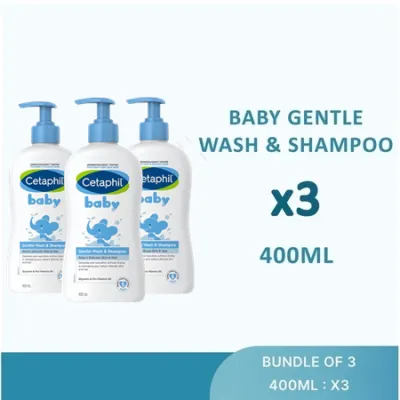
![[Bundle of 2] CETAPHIL BABY Wash & Shampoo with Organic Calendula and Sunflower Seed Oil 400ml [Gentle & Hypoallergenic]](https://img.lazcdn.com/g/p/3763f6e79c558eb8512229463c0269c9.png_400x400q80.png_.webp)
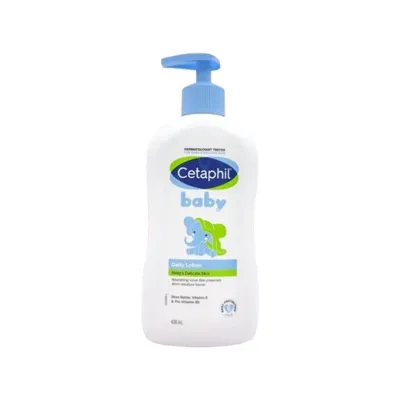
![CETAPHIL BABY Gentle Wash & Shampoo with Glycerin & Panthenol 400ml [Head to Toe Gentle Cleansing Formula]](https://img.lazcdn.com/g/p/358c130db4d3c6181d2b5ff0da764385.png_400x400q80.png_.webp)
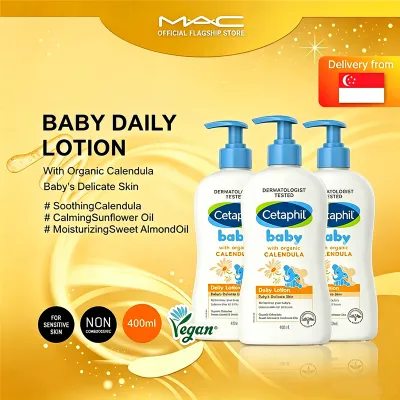
Prices are valid at publication and may change. Please refer to the product page for the latest price.
To verify the regulatory status of a specific Centaphil baby product, you can use the official HSA InfoSearch portal online. Navigate to the “Cosmetic Products Notification” search section and enter the product name. This tool allows you to check whether the product has been properly notified by an authorized local distributor. Additionally, you should inspect the product packaging for clear English labeling that includes the name and address of the Singapore importer, as well as the batch number.
It is important to remember that regulatory status is product-specific and subject to change. A notification for one variant, such as a gentle wash, does not automatically cover other products in the same brand line, such as a moisturizing lotion or a shampoo. Always verify the exact product variant and batch you intend to use on your newborn rather than relying on general brand reputation.
Evaluating Newborn Safety Through Product Labels
Newborn skin is up to 30% thinner than adult skin, making it highly permeable, easily dehydrated, and susceptible to irritation. Consequently, front-of-pack marketing claims require careful evaluation. Terms like “hypoallergenic,” “tear-free,” “dermatologically tested,” and “fragrance-free” are common, but they have distinct meanings and limitations.

For instance, “hypoallergenic” indicates that the product has been formulated to minimize the risk of allergic reactions, but it does not offer a 100% guarantee against skin irritation. “Dermatologically tested” simply means a dermatologist oversaw a skin patch test on human volunteers, but it does not reveal the testing parameters, sample size, or results. Furthermore, labels promoting “natural,” “organic,” or “plant-based” ingredients can be misleading. Natural botanical extracts, such as chamomile, calendula, or nut oils, can still trigger contact dermatitis or allergic reactions in highly sensitive newborn skin.
To make an informed decision, turn the bottle over and read the full ingredient list, often listed under the International Nomenclature of Cosmetic Ingredients (INCI). Additionally, look for explicit age-specific usage instructions. Ensure the label states “suitable from birth” or “suitable for newborns.” If a product label specifies “for babies 3 months and older,” do not use it on a newborn.
Key Ingredients to Check in Baby Bathing Products
When evaluating a baby bath product, understanding the function of key ingredient categories can help you protect your newborn’s skin barrier.
- Surfactants: These are the cleansing agents responsible for removing dirt and oils. Avoid harsh sulfates, such as Sodium Lauryl Sulfate (SLS) and Sodium Laureth Sulfate (SLES), which strip natural lipids and dry out the skin. Look for mild, baby-friendly alternatives commonly found in gentle formulations, such as Coco-Glucoside, Decyl Glucoside, or Cocamidopropyl Betaine.
- Fragrances: Synthetic perfumes and certain essential oils are primary triggers for pediatric skin irritation and sensitization. Paediatricians generally recommend completely fragrance-free or unscented products for the first few months of life.
- Preservatives: Because baby washes contain water, they require preservatives to prevent the growth of harmful bacteria and mold. However, certain preservatives, such as parabens, methylisothiazolinone (MIT), and formaldehyde-releasing agents, are widely avoided due to safety concerns. Look for milder preservative systems, and check the specific Centaphil label to ensure these harsh compounds are absent.
Always cross-reference the ingredient list with your paediatrician’s advice, especially if your baby has a family history of eczema, asthma, or known skin allergies.
How to Safely Introduce a New Bath Product to Your Newborn
Even when a product is formulated for newborns and properly notified with the HSA, you should introduce it gradually to minimize the risk of a widespread adverse reaction.
The Patch Test Protocol Before using any new Centaphil baby product during a full bath, perform a localized patch test. Dilute a tiny drop of the baby wash with warm water and apply it to a small, discreet area of your baby’s skin, such as the inner forearm or behind the ear. Leave it on for a few minutes, rinse it off gently with lukewarm water, and pat the area dry. Observe this specific spot closely over the next 24 to 48 hours for any signs of redness, swelling, or tiny bumps.
First Bath Integration If the patch test area remains clear and shows no signs of irritation, you can proceed to the first full bath. Use a highly diluted, minimal amount of the product in the bathwater. Keep the bathing session brief—ideally under 5 to 10 minutes—to prevent the water from drying out the skin.
Observation Period Continue to monitor your newborn’s skin over the next three to five days. Some contact sensitivities do not appear immediately but develop after repeated exposure. If the skin remains smooth, hydrated, and free of redness, you can safely integrate the product into your regular bathing routine.
Recognising Skin Irritation and When to Seek Help
Despite careful selection, a newborn’s skin may occasionally react to a new product. Recognizing the early signs of skin irritation allows you to take prompt, protective action.
Common signs of an adverse reaction include localized redness, dry or rough patches, peeling, a fine red rash, hives, or sudden fussiness and crying during or immediately after a bath. If you observe any of these symptoms, take the following immediate steps:
- Discontinue use: Stop using the product immediately.
- Rinse thoroughly: Undress your baby and rinse their skin with plenty of plain, lukewarm water to remove any remaining product residue.
- Pat dry gently: Use a clean, soft cotton towel to pat the skin dry without rubbing, which can further damage the skin barrier.
- Avoid self-medicating: Do not apply over-the-counter soothing creams, adult lotions, or steroid ointments without professional medical guidance.
If the rash spreads rapidly, develops blisters, begins to weep or ooze, or is accompanied by systemic symptoms such as a fever, lethargy, or poor feeding, seek immediate medical attention from a paediatrician or dermatologist.
Frequently Asked Questions (FAQ)
Do all baby skincare products in Singapore need HSA approval?
No, baby skincare and bathing products do not receive pre-market approval or registration from the Health Sciences Authority (HSA). Instead, they are regulated as cosmetic products, which require a mandatory cosmetic product notification. The importer or manufacturer must notify the HSA before selling the product in Singapore. This process registers the product in the local system but does not constitute an official safety endorsement or certification by the authority.
Can I use baby body wash on my newborn's face?
It is generally recommended to avoid using baby body wash on a newborn’s face. Facial skin is significantly thinner, more sensitive, and highly susceptible to irritation near the eyes and mouth. For the first few weeks, cleansing your newborn’s face with a soft cotton ball dipped in plain, lukewarm water is sufficient. If you choose to use a product, ensure the label explicitly states it is safe for facial use and ophthalmologist-tested.
What should I do if my newborn develops a rash after a bath?
If your newborn develops a rash after a bath, immediately stop using all bathing products and rinse their skin thoroughly with plain, lukewarm water. Keep the skin clean and dry, and avoid applying home remedies, heavy oils, or unprescribed creams. If the rash does not improve within 24 hours, worsens, or causes your baby discomfort, consult a paediatrician or healthcare professional for an accurate diagnosis and safe treatment plan.
Community discussion
Share your experience or ask a question. Comments are reviewed before publication.