
Carrots are an exceptional first food for infants, offering a naturally sweet flavor and a wealth of essential nutrients that support early development. When browsing the produce aisle, many parents wonder if store-bought baby carrots are safe for their little ones, or if whole carrots are a better option. For most healthy babies, carrots are safe to introduce around six months of age, provided they are prepared in a texture that matches the infant’s physical development.
Because raw carrots are extremely hard, they present a significant choking hazard unless cooked and shaped correctly. When preparing homemade meals, understanding how to safely transform this vibrant root vegetable into smooth purees, soft finger foods, or bite-sized pieces is key to a successful weaning journey.
When to Introduce Carrots to Your Baby's Diet
Most pediatricians and infant feeding guidelines recommend introducing solid foods, including carrots, when your baby is around six months old. At this stage, a baby’s digestive system has matured enough to process solid foods alongside breast milk or infant formula. It is important to remember that during the first year of life, solid foods are meant to complement, not replace, the vital nutrition provided by breast milk or formula.
Products mentioned in this guide
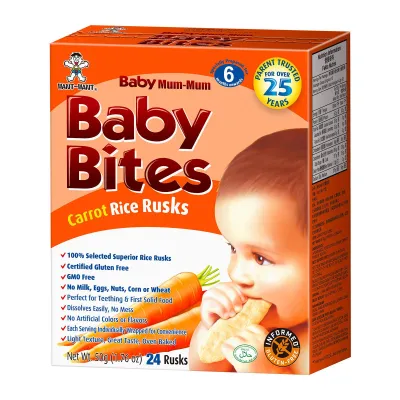
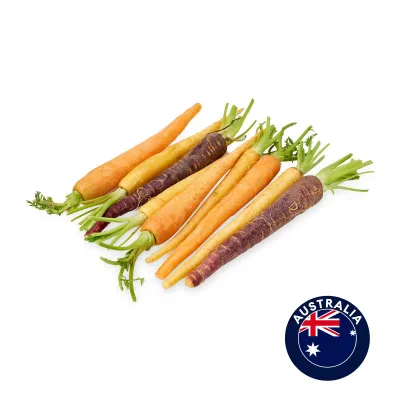
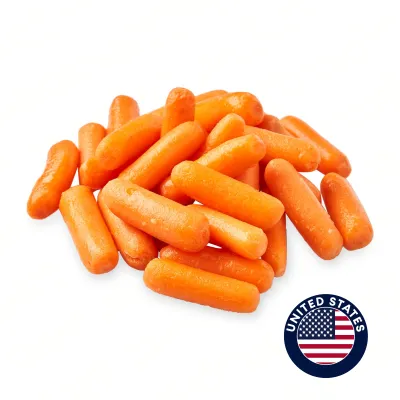
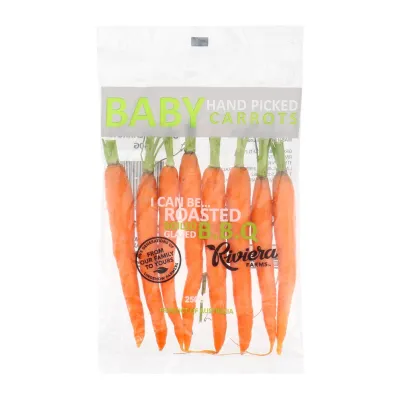
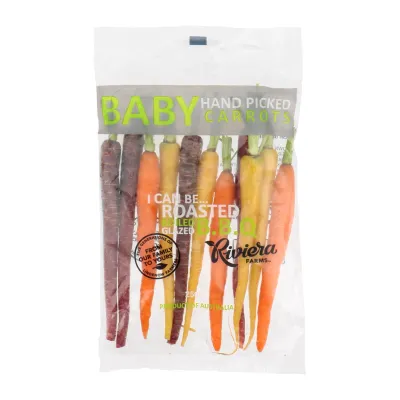
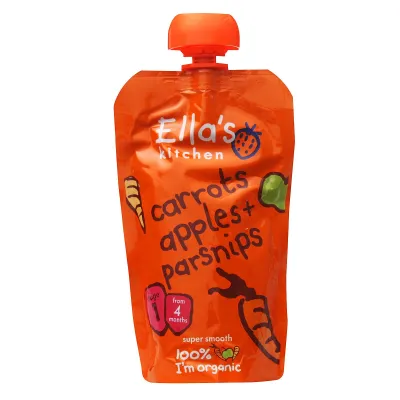
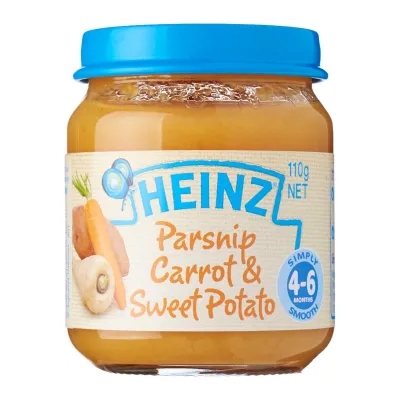
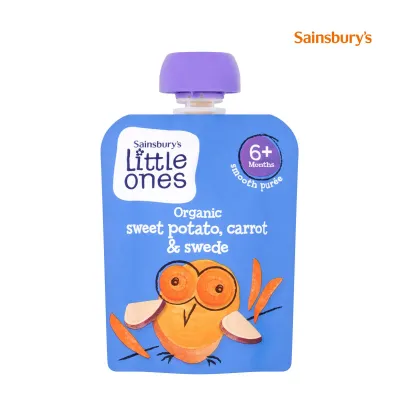
Prices are valid at publication and may change. Please refer to the product page for the latest price.
Before offering carrots or any other solids, you must look for clear signs of developmental readiness rather than relying solely on the calendar. Your baby should be able to sit upright with minimal support and maintain excellent control over their head and neck. Another crucial sign is the loss of the tongue-thrust reflex, which is the natural instinct that causes young infants to push solid objects out of their mouths with their tongues. Additionally, your baby should show an active curiosity about what you are eating, perhaps leaning forward or reaching for food during family mealtimes.
If your baby was born prematurely or has underlying health conditions, their developmental timeline for starting solids may differ. In these situations, it is highly recommended to consult your pediatrician or a qualified healthcare professional before introducing carrots. They can provide a personalized assessment to ensure your baby’s physical development is aligned with the transition to solid foods.
Key Nutritional Benefits of Carrots for Infants
Carrots are famous for their high concentration of beta-carotene, a powerful antioxidant that the human body converts into active Vitamin A. This essential nutrient plays an indispensable role in supporting your baby’s rapid development, particularly in maintaining healthy vision and supporting the growth of cells throughout the body. Furthermore, Vitamin A is vital for strengthening the immune system, helping your little one build a robust defense against common childhood infections.

In addition to vitamins, carrots are an excellent source of dietary fiber, which is crucial as your baby transitions to solid foods. Introducing solids can sometimes alter bowel habits, and the fiber in carrots helps promote healthy digestion by adding bulk to the stool. To help prevent constipation, ensure your baby remains adequately hydrated with breast milk or formula as they explore these new dietary fibers.
This root vegetable also delivers other essential micronutrients, including Vitamin K and potassium, which contribute to healthy bone development and optimal fluid balance. The natural antioxidants present in carrots also help protect cells from oxidative stress during these critical early months of growth.
While carrots provide a fantastic nutritional foundation, they should not dominate your baby’s diet to the exclusion of other foods. Offering a wide variety of vegetables, fruits, proteins, and healthy fats ensures your infant receives a balanced spectrum of nutrients. Rotating carrots with other colorful foods also helps prevent dietary monotony and encourages a more adventurous palate as your child grows.
Critical Safety Rules: Choking Hazards and Nitrates
While carrots are packed with nutrients, they carry specific risks that require careful preparation and vigilant feeding practices. Raw carrots and hard, undercooked carrot pieces are among the most common choking hazards for infants and young children. To eliminate this risk, carrots must always be cooked until they are completely soft. A reliable way to verify this is to press a cooked piece between your thumb and forefinger; it should mash effortlessly with minimal pressure.
Another important consideration when preparing homemade baby food is the presence of naturally occurring nitrates. Root vegetables like carrots absorb nitrates from the soil, and high levels of these compounds can be problematic for very young infants, particularly those under six months of age. Because of this, it is best to wait until your baby is at least six months old before offering homemade carrot purees. Alternatively, you can choose commercially prepared baby food, which is strictly tested and regulated to ensure nitrate levels remain well within safe limits for infants.
You may occasionally notice a temporary, harmless yellow-orange tint on your baby’s skin, especially on their nose, palms, or the soles of their feet, after they have eaten carrots regularly. This condition, known as carotenemia, is caused by an accumulation of beta-carotene in the skin’s outer layer. It is not dangerous, does not indicate liver issues, and resolves naturally once you temporarily reduce their intake of beta-carotene-rich foods like carrots, pumpkins, and sweet potatoes.
Regardless of the preparation method, active and undistracted caregiver supervision is mandatory whenever your baby is eating. Ensure your baby is seated completely upright in a secured high chair, rather than reclining, to allow for safe swallowing and to minimize the risk of choking. If your baby shows any signs of distress, gagging, or difficulty swallowing, stop feeding immediately and consult a healthcare professional.
Age-Appropriate Preparation and Cutting Guides
To make carrots safe and enjoyable, you must adapt their texture and shape to match your baby’s developmental stage. This progression helps your baby build oral motor skills safely as they grow.
6 to 8 Months: Smooth Purees and Mashes
When your baby is just beginning their solid food journey, they require a very smooth, easily swallowable texture. Begin by thoroughly washing, peeling, and chopping whole carrots into small pieces. Steam or boil the pieces until they are incredibly tender and can be easily pierced with a fork.
Transfer the cooked carrots to a blender or food processor and blend until you achieve a completely smooth, velvety puree. To adjust the consistency, add a splash of breast milk, prepared infant formula, or some of the clean cooking water used during steaming. As your baby becomes more comfortable with swallowing and shows improved oral coordination, you can gradually transition from a thin puree to a slightly thicker, lumpier mash to encourage chewing motions.
8 to 10 Months: Soft Finger Foods for Grasping
Around eight to ten months, many infants develop a palmar grasp, allowing them to pick up objects using their entire fist. This is an excellent time to introduce soft finger foods that encourage self-feeding.
Prepare carrots by cutting them into long, thick strips or wedges, roughly the size and length of an adult’s pinky finger. These strips must be cooked—either by steaming, boiling, or roasting—until they are soft enough to squash between your fingers. Avoid cutting carrots into round, coin-shaped discs, as these match the size of an infant’s airway and pose a severe choking hazard even when cooked. If you want to offer a different texture, you can also lightly steam finely grated carrots and mix them into other soft foods.
10 to 12 Months and Beyond: Small Bites for Pincer Grasp
As your baby approaches their first birthday, they will likely begin refining their pincer grasp, which is the ability to pick up small objects between their thumb and index finger.
To support this fine motor development, cut soft, thoroughly cooked carrots into small, bite-sized pieces, roughly the size of a pea or slightly larger. Although your baby’s chewing skills are improving, you must continue to strictly avoid raw carrot pieces or hard, undercooked chunks. You can easily incorporate these tiny, soft carrot bites into mixed family meals, such as soft vegetable stews, lentil bakes, or mashed into a creamy risotto, helping your baby experience complex flavor combinations.
Selecting and Storing Whole vs. Baby Carrots for Homemade Baby Food
When shopping for your baby, you might wonder whether to buy whole carrots or the convenience bags of pre-cut baby carrots. It is helpful to know that most store-bought baby carrots are not actually young carrots harvested early; instead, they are mature, regular carrots that have been machine-cut, peeled, and polished into smaller shapes.
These pre-cut baby carrots are perfectly safe to use for homemade baby food, but they require the same thorough washing and complete cooking as whole carrots. Keep in mind that because they lack their protective outer skin, baby-cut carrots may dry out faster in the refrigerator. When choosing between organic and conventional carrots, both are excellent options. Regardless of your choice, always wash whole carrots thoroughly under running water and peel them to minimize any potential exposure to surface dirt or pesticide residues.
Proper storage is essential to keep your carrots fresh and prevent the growth of harmful bacteria. Store unpeeled, whole carrots in a sealed bag inside your refrigerator’s crisper drawer to retain their moisture and crispness. Before preparing baby food, inspect the carrots carefully; discard any that have become slimy, soft, or have developed an off-odor, as these are signs of spoilage. When purchasing pre-packaged carrots or commercial baby food, always verify the expiration date, check for any manufacturer recalls, and review the packaging for safety certifications.
Frequently Asked Questions (FAQ)
Can babies be allergic to carrots?
True carrot allergies are relatively rare in infants, but they can still occur. When introducing carrots for the first time, offer them in small amounts on their own and watch closely for any signs of an allergic reaction, such as hives, swelling of the lips or face, vomiting, or breathing difficulties. If you observe any of these symptoms, stop feeding carrots immediately and seek medical attention.
Why does my baby's poop look orange after eating carrots?
It is very common for a baby’s stool to change color or contain visible orange specks after they eat carrots. This happens because their developing digestive system does not fully break down all the natural pigments and beta-carotene present in the vegetable. As long as your baby is acting normally, shows no signs of discomfort, and the stool consistency remains normal, this color change is completely harmless.
What are good food pairings for carrot puree or mash?
Carrots pair beautifully with healthy fats, such as a drop of extra virgin olive oil or mashed avocado, which actually helps your baby’s body absorb the fat-soluble Vitamin A more efficiently. You can also mix carrot puree with other baby-friendly foods like sweet potato, apple, pear, or plain full-fat yogurt to introduce varied flavors and textures.
Community discussion
Share your experience or ask a question. Comments are reviewed before publication.