
Starting the weaning journey is an exciting milestone, marking your baby’s transition from an exclusively liquid diet to a world of diverse flavors and textures. Among the first foods introduced to infants, carrots consistently rank as a favorite choice for families. Their natural sweetness, appealing color, and versatile texture make them an ideal ingredient for early feeding. Beyond their culinary appeal, carrots offer a wealth of essential nutrients that support a baby’s rapid growth and development during this critical stage.
Understanding the specific nutritional benefits of carrots, alongside safe preparation methods, allows you to introduce this root vegetable with confidence. Whether you are following a traditional spoon-feeding approach or exploring baby-led weaning, carrots can be easily adapted to suit your baby’s developmental stage. This guide explores the key vitamins and minerals found in carrots, clarifies the differences between regular and baby-cut carrots, and provides essential safety tips to ensure a positive weaning experience.
Nutritional Benefits of Carrots for Weaning Babies
Carrots are highly regarded in pediatric nutrition primarily due to their rich concentration of beta-carotene, a powerful antioxidant that the human body converts into vitamin A. This essential vitamin plays a fundamental role in supporting your baby’s developing vision, particularly night vision and overall eye health. Additionally, vitamin A is crucial for maintaining a robust immune system, helping your baby’s body build a strong defense against common childhood illnesses. It also supports healthy skin and cellular growth, which are vital during the rapid growth spurts of infancy.
Products mentioned in this guide
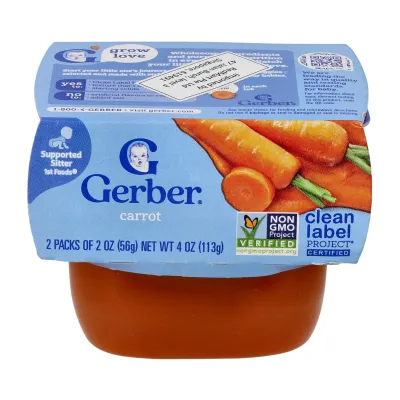


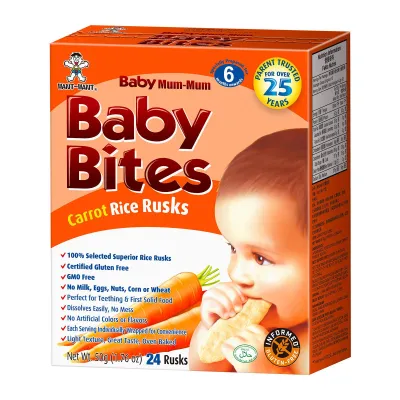

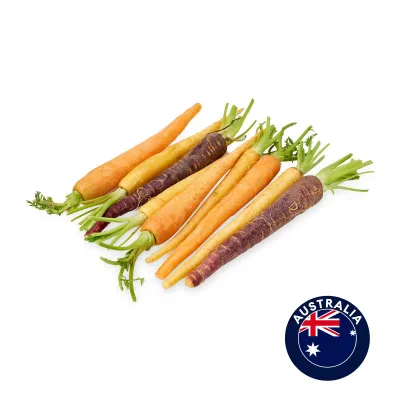


Prices are valid at publication and may change. Please refer to the product page for the latest price.
In addition to vitamins, carrots provide a gentle source of dietary fiber, which is incredibly beneficial as your baby’s digestive system adapts to solid foods. The transition from breast milk or formula to solids can sometimes lead to temporary digestive irregularities, such as constipation. The dietary fiber in carrots helps add bulk to the stool and promotes regular bowel movements, ensuring a smoother digestive transition. Carrots also contain small amounts of other essential nutrients, including vitamin C, potassium, and calcium, which contribute to overall bone health and metabolic function.
While it is helpful to understand these nutritional components, parents should avoid getting caught up in tracking exact nutrient counts. The specific vitamin and mineral content of any vegetable can vary significantly based on the crop variety, soil conditions, storage duration, and cooking methods. For instance, steaming carrots generally preserves more water-soluble vitamins than boiling them for extended periods. Instead of focusing on precise numbers, it is best to consult general pediatric nutritional guidelines and focus on offering a colorful, varied diet that includes carrots alongside other nutrient-dense whole foods.
Are Baby Carrots Different from Regular Carrots?
When shopping for ingredients, parents often face a choice between whole, regular carrots and convenient bags of baby carrots. It is helpful to understand that most “baby carrots” sold in supermarkets are actually “baby-cut” carrots. These are mature, fully grown carrots that have been peeled, cut, and polished down into small, uniform, bite-sized pieces by automated machinery. True baby carrots, on the other hand, are carrots harvested early in their growth cycle, resulting in a naturally small size and a more delicate flavor profile.

From a nutritional standpoint, baby-cut carrots and regular carrots are virtually identical. They offer the same levels of beta-carotene, dietary fiber, and vitamins, meaning you do not sacrifice nutritional quality for convenience. For busy parents, the pre-washed and pre-peeled nature of baby-cut carrots can be a significant time-saver during meal preparation, allowing for quick steaming or mashing without the extra prep work.
However, when purchasing packaged baby-cut carrots, it is important to inspect the packaging carefully. Because these carrots are peeled and processed, they are often washed in a highly diluted chlorine solution to prevent bacterial growth and spoilage before reaching store shelves. While this is a standard and safe food-grade practice, parents should always rinse baby-cut carrots thoroughly under clean running water at home before cooking them. Additionally, check the packaging for any signs of excess moisture, which can lead to premature spoilage, or a dry, white film on the surface of the carrots, known as “white blush.” This film is simply a sign of dehydration and is harmless, but fresher carrots will yield a sweeter taste and better texture for your baby.
Safe Preparation and Serving Shapes for Babies
Ensuring safety during weaning is paramount, and carrots require careful preparation to eliminate potential choking hazards. Raw carrots are exceptionally hard and rigid, making them one of the most common choking risks for infants. Therefore, cooking carrots thoroughly is a mandatory requirement before serving them to your baby. The ideal preparation method is to steam or boil the carrots until they are completely soft. You can test this by pressing a piece between your thumb and forefinger; it should mash easily with minimal pressure.
The appropriate shape and texture of carrots depend heavily on your chosen weaning method and your baby’s developmental stage:
- Spoon-Feeding: For babies just starting solids around six months of age, prepare a smooth, thin puree. Steam the carrots until tender, then blend them with a small amount of breast milk, formula, or the cooking water to achieve a velvety consistency. As your baby becomes more adept at swallowing, you can gradually transition to a thicker, textured mash to encourage chewing motions.
- Baby-Led Weaning (BLW): If your baby is feeding themselves, serve cooked carrots in long, thick sticks, roughly the size and shape of an adult index finger. This size allows your baby to grasp the stick easily with their palmar grasp and bring it to their mouth. The carrot must be soft enough to be gummed easily but firm enough to hold its shape when picked up.
Under no circumstances should you serve raw carrots, hard-cooked pieces, or round, coin-shaped slices to a baby. Coin-shaped cuts are particularly dangerous because their diameter closely matches the size of an infant’s airway, creating a perfect plug if swallowed whole. Always supervise your baby closely during meals, ensuring they are sitting upright in a secure high chair, and never leave them unattended while eating.
Digestive Changes and When to Consult a Professional
Introducing carrots to your baby’s diet can lead to some noticeable but generally harmless changes in their bodily functions. One of the most common occurrences is a temporary change in stool color. Do not be alarmed if your baby’s diaper reveals orange-tinted stools after they have eaten carrots; this is a direct result of the natural pigments in the vegetable passing through their developing digestive tract.
Another common phenomenon is carotenemia, a harmless condition where a baby’s skin takes on a slight yellow or orange hue, particularly on the palms of the hands, the soles of the feet, and the nose. This occurs when a baby consumes a diet rich in beta-carotene over a prolonged period. Unlike jaundice, carotenemia does not affect the whites of the eyes and is completely benign. It is simply an indication that your baby is enjoying their orange vegetables, and the coloration will gradually fade once you reduce their intake of beta-carotene-rich foods.
While carrots are generally well-tolerated, it is essential to monitor your baby for any rare signs of food intolerance or allergic reactions. When introducing carrots for the first time, serve them as a single ingredient and wait three to five days before introducing another new food. Watch for symptoms such as hives, swelling of the lips or face, vomiting, diarrhea, or sudden respiratory distress. If you observe any signs of an allergic reaction, or if your baby experiences persistent digestive discomfort, stop serving carrots immediately and consult your pediatrician or a qualified healthcare professional for guidance.
Frequently Asked Questions (FAQ)
Can babies eat raw baby carrots?
No, babies should never eat raw baby carrots. Despite their small size and convenient shape, raw baby carrots are extremely hard and pose a severe choking hazard for infants and young toddlers. Always cook carrots by steaming or boiling them until they are completely soft and easily mashable between your fingers before serving them to your baby.
How often should I feed carrots to my weaning baby?
You can safely offer carrots to your weaning baby a few times a week. To ensure a well-rounded diet, it is best to rotate carrots with a variety of other vegetables, such as green peas, broccoli, and cauliflower. This variety exposes your baby to different flavors and prevents an over-reliance on a single ingredient, which also helps avoid harmless skin discoloration from beta-carotene.
Do baby carrots need to be organic?
Baby carrots do not need to be organic to be safe and nutritious for your baby. While some parents choose organic produce to reduce exposure to synthetic pesticides, conventional carrots are perfectly healthy when thoroughly washed, peeled, and cooked. Prioritizing a diverse intake of fresh vegetables that fits your family’s budget is far more beneficial than focusing exclusively on organic labels.
Community discussion
Share your experience or ask a question. Comments are reviewed before publication.