
A no-wash shampoo cap can be a highly effective tool for reducing bathroom slip risks among vulnerable family members, such as elderly relatives and young children. By eliminating the need for running water and rinsing, these caps allow caregivers to clean a person’s hair entirely outside the wet zone of a bathroom. This simple shift in environment removes the primary catalyst for slips and falls—wet, soapy floor tiles. However, while these waterless caps offer an immediate safety benefit, they are most successful when integrated into a broader, multi-layered home safety strategy rather than treated as a permanent, total replacement for traditional bathing.
Identifying Slip Risks During Traditional Hair Washing
Traditional hair washing introduces a combination of physical hazards that turn even a well-designed bathroom into a high-risk zone. The process relies on a continuous flow of water and soapy surfactants, which rapidly coat floor tiles and significantly reduce traction. For a slip to occur, it only takes a brief moment where the friction between a foot and the floor drops below what is required to maintain balance. During shampooing, individuals frequently close their eyes to protect them from soap, which temporarily removes visual feedback—a critical component of spatial orientation and balance.
For elderly family members, these environmental hazards intersect with age-related physical changes. Reduced joint flexibility, slower reflexes, and compromised balance make it difficult to adjust to sudden slips. Bending forward over a basin or tilting the head backward under a shower head can cause postural hypotension, leading to temporary dizziness. For young children, the risks stem from high mobility, developing motor skills, and a common resistance to having water poured over their heads. A toddler struggling to escape a stream of water can easily lose footing on a slick surface, turning a routine bath into an emergency.
Products mentioned in this guide
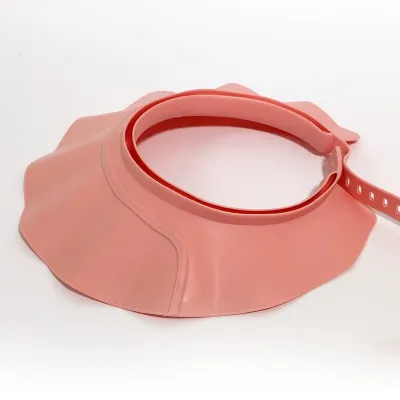
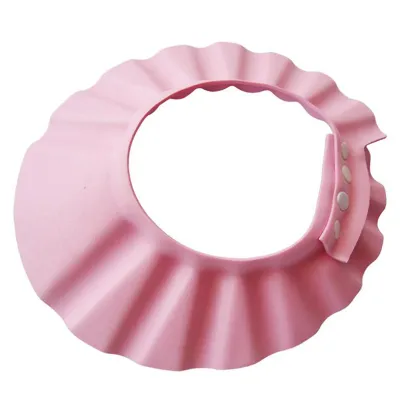
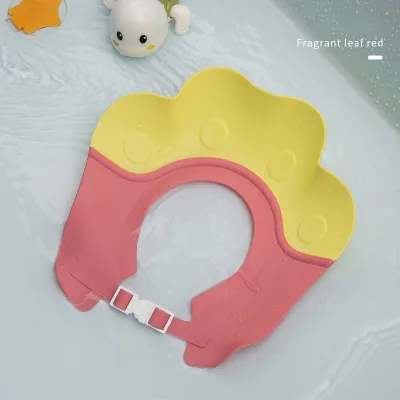
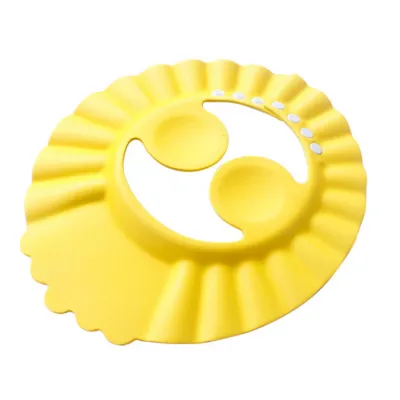
Prices are valid at publication and may change. Please refer to the product page for the latest price.
Standard bathroom safety installations, such as non-slip adhesive strips or wall-mounted grab bars, provide essential support but may not fully mitigate the dynamic movements of hair washing. A person actively scrubbing their scalp or reaching for a towel often shifts their center of gravity away from these safety features. Furthermore, soapy residue can accumulate on non-slip mats over time, reducing their effectiveness if they are not regularly scrubbed clean. This makes the physical act of washing hair in a wet environment inherently challenging to secure completely.
How No-Wash Shampoo Caps Mitigate Bathroom Hazards
No-wash shampoo caps address these safety challenges by fundamentally changing how and where hair cleaning takes place. These single-use caps are pre-moistened with a specialized rinse-free shampoo and conditioner formula. When placed on the head and massaged, the fabric of the cap works alongside the solution to absorb dirt, oils, and sweat from the hair and scalp. Because the entire process is self-contained within the cap, there is no water runoff, no splashing, and no soapy foam dripping onto the floor.

By removing water from the equation, you can move the entire hair-washing routine out of the bathroom. A caregiver can administer the shampoo cap while the family member sits comfortably on a stable chair in the living room, rests on a sofa, or remains in bed. This complete relocation bypasses the need to stand on slippery tiles, bend over low fixtures, or navigate tight, wet spaces. For individuals with severe mobility limitations, this transition dramatically lowers the physical effort required from both the individual and the caregiver.
Additionally, using a shampoo cap significantly shortens the duration of the grooming process. Traditional hair washing involves wetting, lathering, rinsing, and drying, which keeps a vulnerable person in a potentially hazardous environment for an extended period. A rinse-free cap can complete the cleaning phase in just a few minutes of gentle massaging. Minimizing the time spent in high-risk zones is a core principle of accident prevention, making these caps a highly efficient alternative for daily hygiene maintenance.
Signs Your Family Member Might Benefit from a No-Wash Shampoo Cap
Recognizing when to introduce a no-wash shampoo cap involves observing specific physical and behavioral cues during daily care routines. One of the most prominent physical signals in elderly relatives is visible instability when standing in the shower, or a tendency to hold onto walls and fixtures for support. If a family member complains of chronic joint pain, stiffness, or fatigue that makes standing for more than a few minutes difficult, transitioning to a seated, dry-room washing method can prevent overexertion and subsequent falls.
Behavioral signs are equally telling, particularly in young children and toddlers. If a child exhibits intense fear, cries, or struggles violently whenever water approaches their face, the risk of a sudden slip increases dramatically. Similarly, if an elderly relative shows signs of anxiety, tension, or reluctance when bath time is mentioned, it may stem from a quiet fear of falling. Replacing the stressful shower routine with a calm, dry-land shampoo cap session can alleviate this emotional distress and restore a sense of dignity and safety.
Environmental and caregiver limitations also play a decisive role in this decision. In many homes, particularly compact urban apartments where bathrooms may have tight layouts, there may not be enough physical space to safely install a shower chair or assist a family member. If a caregiver lacks the physical strength to support a relative’s weight on a wet surface, or if the bathroom lacks adequate slip-prevention infrastructure, using a rinse-free cap in a dry room becomes a practical necessity to protect both parties from injury.
Limitations and When Traditional Washing is Still Necessary
While no-wash shampoo caps are excellent for hazard mitigation, they are not a flawless substitute for all hygiene needs and have distinct operational boundaries. These caps clean by transferring oils and dirt from the hair to the cap fabric, but they cannot fully replicate the deep-cleansing action of running water. Over time, residual sebum, styling products, or heavy environmental soil can build up on the scalp. Consequently, periodic traditional washing remains necessary to maintain long-term scalp health and prevent clogged hair follicles.
Sensory acceptance is another factor that caregivers must evaluate on an individual basis. The sensation of a damp, room-temperature or slightly warmed cap being massaged onto the head may not be comfortable for everyone. Some users, especially those with sensory processing sensitivities or cognitive decline, might find the texture or the close fit of the cap distressing. It is important to introduce the cap gently and monitor the user’s reaction to ensure it does not cause more anxiety than the traditional washing method it is meant to replace.
Skin and scalp sensitivity must also be carefully managed. Because the formula is rinse-free, active ingredients and fragrances remain on the skin rather than being washed away. Caregivers should carefully inspect product ingredient labels to avoid known allergens, particularly when caring for individuals with eczema, psoriasis, or fragile skin. If any signs of redness, itching, or irritation develop after use, stop using the product immediately and consult a healthcare professional to identify a more suitable alternative.
Integrating the Cap into a Comprehensive Bathroom Safety Plan
To maximize safety, a no-wash shampoo cap should be positioned as a strategic tool within a broader, multi-layered home safety plan. Rather than completely abandoning traditional washing, caregivers can use the caps for daily maintenance or on days when a family member is feeling particularly fatigued or unsteady. For example, you might schedule a traditional wash once a week when extra assistance is available in the home, and rely on shampoo caps for intermediate cleaning to keep the bathroom dry and safe during the rest of the week.
This alternative washing method should complement physical upgrades to your home’s wet areas. Regularly inspect the bathroom to ensure existing safety measures are functioning correctly. Check the underside of non-slip bath mats, as suction cups can degrade and lose grip over time. Consider installing sturdy, professionally anchored grab bars and a dedicated shower chair with non-slip rubber feet. Ensuring the bathroom is well-lit can also help visually impaired or elderly family members navigate the space more safely during necessary wet baths.
Finally, caregivers must prioritize their own physical safety and ergonomics when administering a shampoo cap. When using the cap in a dry area, ensure the family member is seated at a comfortable height that allows you to work without excessive bending or reaching. Maintain a wide, stable stance and keep your spine neutral to prevent back strain. By combining smart product solutions with physical bathroom upgrades and proper caregiving techniques, you can create a secure, low-stress environment for the entire household.
Frequently Asked Questions (FAQ)
How often should I use a no-wash shampoo cap instead of traditional washing?
The ideal balance between waterless and traditional washing depends on the individual’s lifestyle, sweat production, and scalp condition. In warm, humid climates like Singapore, sweat and oil can accumulate quickly, meaning a traditional wash may be needed more frequently to prevent buildup. Monitor the scalp regularly for signs of itching, flaking, or oiliness. A common approach is to use the shampoo cap two to three times a week for quick refreshment, interspersed with a thorough water-based wash when the individual is feeling strong and safety support is fully in place. Always refer to the specific product’s packaging for usage guidelines.
Are no-wash shampoo caps safe for babies and toddlers?
Many no-wash shampoo caps are safe for young children, but caregivers must perform several essential checks before use. Always verify the manufacturer’s age recommendations on the packaging, as infant skin is thinner and more sensitive than adult skin. Choose formulas that are explicitly labeled as pediatric-tested, hypoallergenic, and fragrance-free to minimize the risk of skin irritation. During application, ensure the cap fits snugly but comfortably, taking care to keep the wet edges away from the child’s eyes and mouth to prevent accidental irritation or ingestion. Supervise the child closely throughout the entire process.
Community discussion
Share your experience or ask a question. Comments are reviewed before publication.