
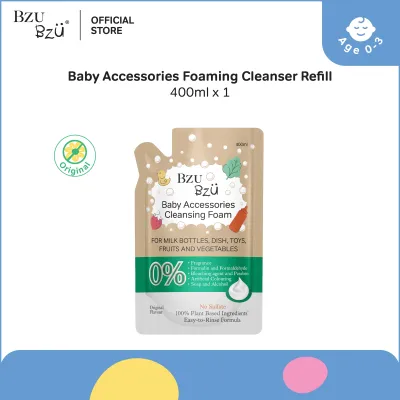
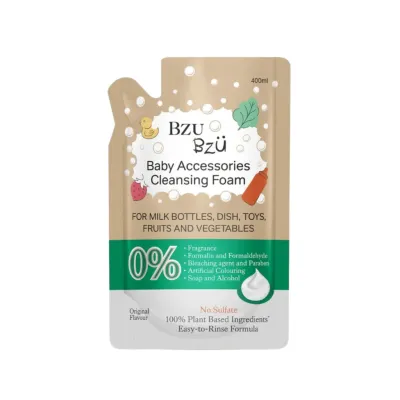
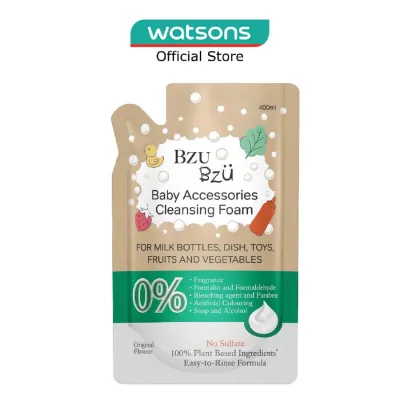
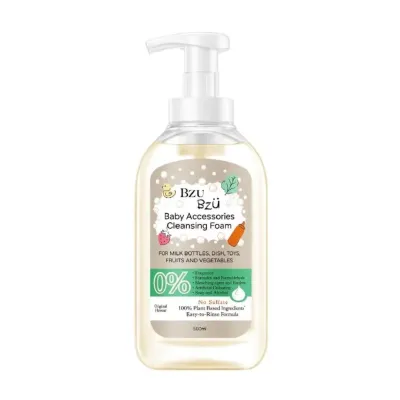
Selecting the right cleaning agent for your infant’s feeding equipment requires balancing effective hygiene with material preservation. BZU BZU bottle cleanser is formulated as a specialized, mild washing agent designed to lift stubborn breast milk and formula residues from various surfaces. Because parents often use a mix of glass, silicone, and plastic feeding accessories, understanding how this cleanser interacts with each material is essential for maintaining the longevity of your bottles. By examining the chemical properties of the cleanser alongside the physical characteristics of each bottle type, you can establish a reliable, damage-free cleaning routine.
Understanding Cleanser Formulations and Material Safety
Baby-specific bottle cleansers differ significantly from standard household dish soaps in their chemical composition and concentration. Most dedicated baby cleansers utilize mild, plant-derived surfactants—such as alkyl polyglucosides derived from coconut or corn—which lower the surface tension of water to help lift oils and proteins without leaving harsh chemical residues. These formulations typically maintain a neutral or slightly acidic pH level, matching the natural balance of skin and reducing the risk of chemical degradation on sensitive materials.
When evaluating a cleanser like BZU BZU, caregivers should carefully inspect the ingredient disclosure on the product label. Look for the absence of synthetic colorants, parabens, and strong artificial fragrances, which can cling to porous materials and potentially irritate an infant’s developing digestive system. A high-quality formula relies on biodegradable cleaning agents that rinse away completely with minimal water usage.
Products mentioned in this guide
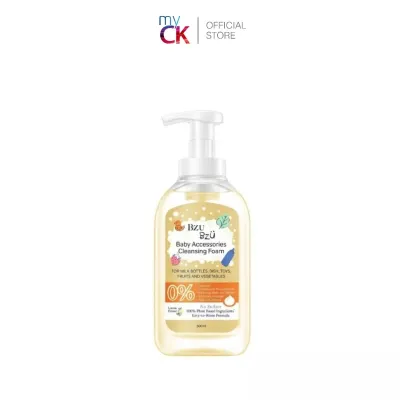
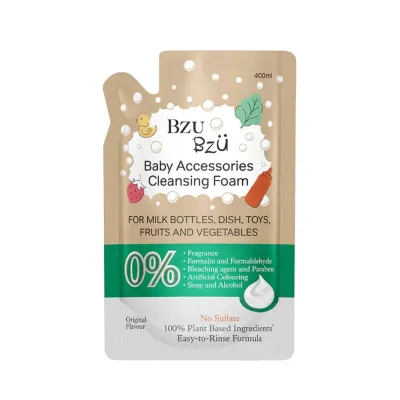
Prices are valid at publication and may change. Please refer to the product page for the latest price.
Avoiding harsh degreasers, industrial-strength anionic surfactants, or abrasive cleaning powders is critical when caring for baby bottles. Strong chemicals can strip the protective finishes of plastics, accelerate the aging of silicone, and cause micro-abrasions on glass. Over time, these compromised surfaces become breeding grounds for bacteria and make subsequent cleaning cycles much less effective.
Evaluating Compatibility Across Common Bottle Materials
To determine how a specialized cleanser performs across your entire bottle collection, you must consider the physical and chemical differences of glass, silicone, and various plastics. Each material possesses unique levels of porosity, surface tension, and chemical resistance that dictate how surfactants interact with their surfaces. A successful cleaning outcome is defined as the complete removal of milk fats and proteins without causing cloudiness, structural weakening, or chemical buildup.

Glass Bottles
Glass remains a popular choice for infant feeding due to its exceptional chemical resistance and non-porous surface. Because glass does not absorb liquids, oils, or odors, it is highly compatible with mild cleansers. When washing glass bottles, the primary objective is to lift the greasy film left by breast milk or formula without leaving behind water spots or a dull surfactant film.
To achieve a pristine finish, thoroughly rinse the glass bottle under warm running water after applying the diluted cleanser. In regions with mineral-rich tap water, such as certain municipal supplies in Singapore, failing to rinse completely can result in calcium deposits binding with surfactant residues, creating a cloudy appearance. A clean glass bottle should feel completely squeaky to the touch and show no signs of water beading on the interior walls.
While glass is highly durable, it is susceptible to physical damage. Caregivers should regularly inspect glass bottles for micro-scratches, chips, or hairline cracks. These imperfections can occur from accidental drops or the use of metal-stemmed bottle brushes. Even though a mild cleanser will not cause these scratches, any structural compromise in the glass can harbor bacteria and increase the risk of breakage during thermal sterilization.
Silicone Bottles and Nipples
Silicone has become a staple in modern baby bottles, valued for its flexibility, heat resistance, and soft texture that mimics natural feeding. However, food-grade silicone is inherently more porous than glass or high-grade plastics. This porosity makes silicone highly susceptible to absorbing hydrophobic substances, such as milk fats, as well as strong fragrances from cleaning agents or surrounding environments.
When using a bottle cleanser on silicone components, monitoring for odor retention and material changes is crucial. If a cleanser contains heavy synthetic perfumes, the silicone material may trap these scents, which can alter the taste of the milk and cause a baby to reject the bottle. A mild, low-fragrance or fragrance-free formula is highly recommended to prevent this issue.
Over time, repeated washing and exposure to heat can cause silicone to degrade. Caregivers should regularly inspect silicone bottles and nipples for signs of aging, such as a sticky or tacky surface texture, yellow discoloration, or a loss of elasticity. If a nipple feels gummy or fails to spring back after being gently stretched, the material has begun to break down and must be replaced immediately to prevent tearing or choking hazards.
Plastic Bottles (PP, PPSU, PES)
Plastic baby bottles are lightweight and shatterproof, but they require careful maintenance due to their varying chemical and thermal resistance profiles. The most common plastics used in feeding bottles are Polypropylene (PP), Polyphenylene Sulfone (PPSU), and Polyethersulfone (PES). PP is highly affordable but has lower heat tolerance and is more prone to scratching, while PPSU and PES offer superior durability, chemical resistance, and can withstand frequent high-temperature sterilization.
Using an overly concentrated dose of bottle cleanser on plastic materials can lead to premature aging. When surfactants are not properly diluted, they can penetrate the micro-pores of plastics, especially PP, leading to a cloudy appearance or accelerated brittleness. This chemical stress, combined with the high heat of sterilization, can cause the plastic to degrade faster than expected.
To maximize the lifespan of plastic bottles, always cross-reference the bottle manufacturer’s care instructions with the cleanser’s usage guidelines. Ensure that the water temperature used during washing does not exceed the maximum limit specified for that particular plastic type. If you notice persistent cloudiness, deep scratches, or a brittle texture when squeezing a plastic bottle, it is time to retire the item.
How to Verify Effectiveness and Safety for Your Bottles
Before committing your entire inventory of baby bottles to a new cleaning product, establishing a simple verification routine can help prevent material damage and ensure peace of mind. Begin by performing a single-item spot test on an older or spare bottle of each material type in your collection. Wash the test item using the recommended dilution of the cleanser, rinse it thoroughly, and allow it to air dry completely.
Once dry, conduct a thorough sensory inspection of the test bottle. Run a clean finger along the interior surface; it should feel smooth and clean, with no slippery or greasy residue. Smell the bottle closely to ensure there are no lingering sour milk odors or strong chemical perfumes. Additionally, hold the bottle up to a bright light source to check for any new cloudiness, film, or discoloration that might indicate an adverse reaction between the cleanser and the material.
Caregivers must establish clear stop-use conditions to protect their infant’s health. Discontinue using a specific cleanser-bottle combination immediately if you observe unexpected material warping, persistent soapy odors that do not rinse away, or signs of skin irritation on your baby’s mouth or your own hands. If you experience persistent compatibility issues or remain unsure about a product’s safety, consult the bottle manufacturer’s customer support or seek advice from a pediatrician.
Comparing Dedicated Cleansers with Standard Washing Methods
Many parents wonder whether a dedicated baby bottle cleanser is truly necessary compared to standard dishwashing liquid or plain warm water. While warm water and physical scrubbing with a brush can remove loose debris, they are often insufficient for breaking down the complex proteins and fats found in breast milk and infant formula. Milk fat globules tend to cling tightly to plastic and silicone surfaces, requiring a surfactant to emulsify and lift them.
Standard household dish soaps are formulated to tackle heavy grease on adult cookware and often contain strong anionic surfactants, synthetic dyes, and intense fragrances. These ingredients are difficult to rinse completely from porous baby bottle materials and can leave a chemical residue that is unsuitable for an infant’s sensitive digestive system. A dedicated baby bottle cleanser provides a targeted, low-residue alternative that focuses specifically on milk proteins while remaining gentle on materials.
To achieve the best results, combine a mild bottle cleanser with appropriate cleaning tools. Use soft silicone brushes or sponge brushes rather than stiff nylon bristle brushes, which can easily scratch plastic and silicone surfaces. Always rinse each component thoroughly under clean, running water after brushing to ensure all emulsified milk residues and surfactant molecules are completely washed away before sterilization.
Frequently Asked Questions (FAQ)
Can I use the cleanser in a bottle sterilizer or dishwasher?
No, standard liquid bottle cleansers are formulated strictly for manual hand-washing and should not be added directly to automated bottle sterilizers or dishwashers. Introducing a foaming liquid cleanser into these appliances can cause excessive sudsing, which may damage the machine’s internal components or overflow onto your kitchen counter. Additionally, closed machine cycles may not rinse the bottles thoroughly enough to remove all surfactant residues. Always wash and rinse your bottles manually before placing them into a steam or UV sterilizer for sanitization.
Does the cleanser leave a soapy residue on silicone nipples?
A high-quality, properly diluted bottle cleanser should not leave a soapy residue on silicone nipples, provided they are rinsed thoroughly. Because silicone is semi-porous, any leftover cleanser can cling to the surface, resulting in a slippery feel or a faint chemical taste. To prevent this, always rinse nipples under warm running water while gently massaging the silicone between your fingers to ensure all soap is flushed away. If you still detect a residue, try reducing the amount of cleanser used or extending your rinsing time.
How much cleanser should I use for a standard wash?
The correct amount of cleanser depends on the volume of water and the level of milk residue on your bottles. Generally, a single pump or a few drops of concentrated cleanser diluted in a basin of warm water is sufficient for a full batch of bottles. Avoid applying concentrated cleanser directly onto dry bottles or brushes, as this makes rinsing much more difficult and can lead to product buildup. Start with the minimum recommended dosage on the product label and adjust slightly only if dealing with highly greasy formula residues.
Community discussion
Share your experience or ask a question. Comments are reviewed before publication.