
For parents in Singapore, choosing the right skincare products for a newborn is a decision filled with caution. When researching local and regional brands like Bzu Bzu, a common question arises: are these baby bathing products certified by the Health Sciences Authority (HSA) and safe for newborn skin? The short answer is that while Bzu Bzu products are regulated under Singapore’s cosmetic framework, the HSA does not “certify” or “approve” cosmetic products before they hit the shelves. Instead, these products must go through a mandatory notification process. Whether a specific Bzu Bzu wash is safe for your newborn depends on its individual formulation, its notification status, and how your baby’s unique skin barrier reacts to the ingredients.
Understanding the regulatory landscape in Singapore is the first step toward making an informed choice. Because newborn skin is significantly thinner and more sensitive than adult skin, parents must look beyond marketing buzzwords. In Singapore’s hot and humid tropical climate, babies sweat easily, which often leads parents to bathe them more frequently. This frequent exposure to water and cleansing agents makes choosing a truly gentle, compliant product even more critical. By learning how to verify HSA notifications and evaluate ingredient lists, you can confidently select bathing products that protect, rather than irritate, your baby’s delicate skin.
Verifying HSA Compliance for Bzu Bzu Products in Singapore
In Singapore, cosmetic products—including baby washes, shampoos, bubble baths, and lotions—are regulated by the Health Sciences Authority (HSA) under the Health Products (Cosmetic Products – ASEAN Cosmetic Directive) Regulations. It is crucial to understand that the HSA does not issue “certifications” or “pre-market approvals” for cosmetics. Unlike prescription medications or medical devices, which undergo rigorous pre-market laboratory evaluation and clinical approval by the authority, cosmetic products only require a notification before they can be legally sold to consumers.
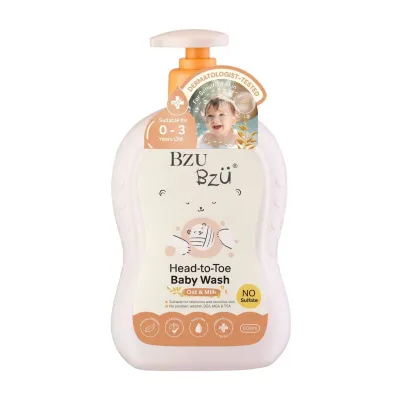
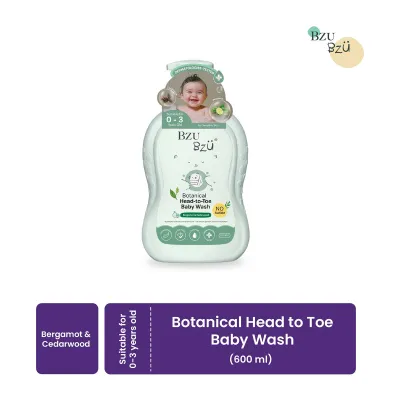
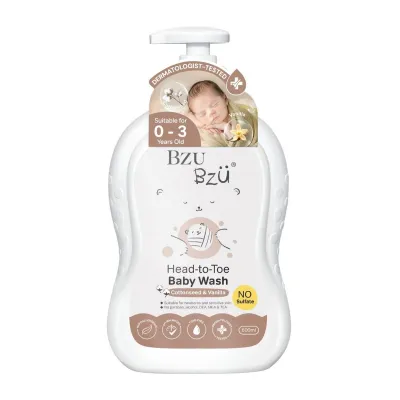
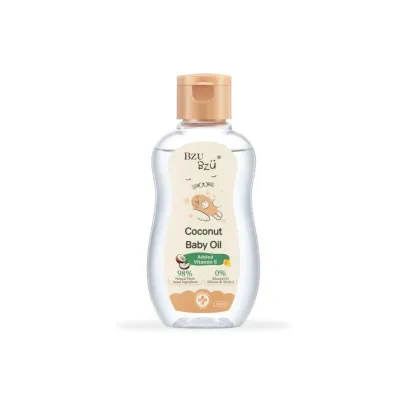
Products mentioned in this guide
![[BUNDLE DEAL] BZU BZU Anti-Bacterial Baby Wipes 80pcs x12](https://img.lazcdn.com/g/p/b5275ecd5052563ae2706d16965f75b8.jpg_400x400q80.jpg_.webp)
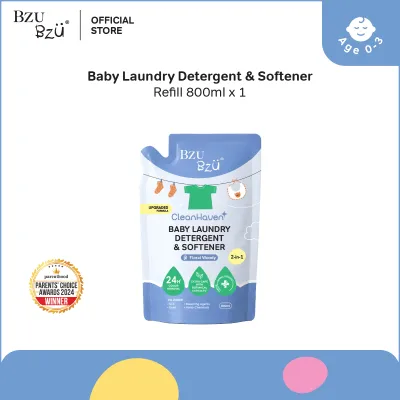
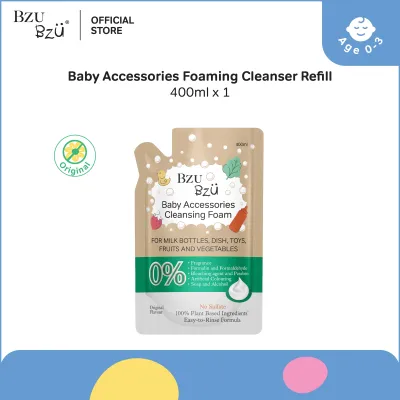
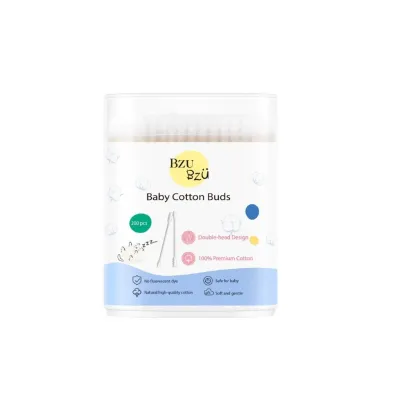
Prices are valid at publication and may change. Please refer to the product page for the latest price.
A cosmetic product notification means that the local importer, distributor, or manufacturer has declared to the HSA that the product complies with safety standards, contains only permitted ingredients, and is manufactured under good practices. The legal responsibility for safety lies entirely with the company selling the product. The HSA monitors the market post-sale and takes swift action, such as issuing public alerts or recalls, if safety issues or prohibited ingredients are subsequently detected. Therefore, when a brand is marketed as compliant, it means their products have been successfully notified to the HSA, not that they have been independently tested and certified by the government.
Parents can easily verify the notification status of Bzu Bzu products using the official HSA online database. To perform this verification, follow these steps:
- Visit the official Health Sciences Authority (HSA) website.
- Navigate to the "InfoSearch" portal, which is the public database for registered health and cosmetic products.
- Select the "Cosmetic Products" search category.
- Enter "Bzu Bzu" or the specific product name (such as "Bzu Bzu Head-to-Toe Wash") in the search field.
- Review the search results to confirm that the product variant you intend to buy has an active notification status and matches the distributor details listed on the packaging.
If you cannot find a specific Bzu Bzu product variant in the HSA registry, it does not immediately mean the product is counterfeit or illegal. It could mean the product is imported under a different distributor’s corporate name, or the online listing uses a slightly different name than the officially registered one. In such cases, you should contact the retailer or the local distributor to ask for the official HSA cosmetic product notification number. If they cannot provide this, or if you suspect an unnotified product is being sold on an online marketplace, it is safest to avoid purchasing it until compliance can be verified.
Assessing Newborn Safety: Key Ingredients and Formulation Standards
A newborn’s skin is a developing organ that behaves very differently from adult skin. The stratum corneum, which is the outermost layer of the skin, is up to thirty percent thinner in infants than in adults. This makes newborn skin highly permeable, meaning it absorbs topical substances more easily and loses moisture rapidly. Additionally, newborns have a higher baseline skin pH that gradually transitions to a slightly acidic state (around pH 5.5) over the first few weeks of life. This acidic environment, often called the acid mantle, is vital for fighting off harmful bacteria. Using harsh or alkaline soaps can disrupt this delicate barrier, leading to dryness, irritation, and eczema.

When reviewing Bzu Bzu or any other baby wash labels, parents should actively screen for ingredients that are known to cause irritation or allergic reactions in infants. It is highly recommended to look for formulations that are free from the following substances:
- Sulfate Surfactants: Ingredients like Sodium Lauryl Sulfate (SLS) are highly effective foaming agents but are notoriously harsh on infant skin, stripping away natural lipids and damaging the skin barrier.
- Strong Preservatives: Parabens, methylisothiazolinone (MIT), and formaldehyde-releasing preservatives are used to prevent bacterial growth but are common contact allergens for sensitive skin.
- Synthetic Fragrances: While a "baby-fresh" scent is appealing, synthetic perfumes are a primary cause of cosmetic contact dermatitis in young children. Fragrance-free or extremely mild, naturally derived scents are preferred.
- Certain Essential Oils: Natural does not automatically mean safe. Essential oils like eucalyptus, tea tree, or lavender can be highly sensitizing to a newborn's respiratory system and delicate skin.
To ensure a product is gentle enough for a newborn, look for positive formulation markers on Bzu Bzu packaging. Ideally, the product should feature a pH-balanced formula (around 5.5) to support the natural skin barrier. It should also carry a “tear-free” claim, which indicates the use of exceptionally mild, non-irritating surfactants like decyl glucoside or coco-glucoside that do not sting if they accidentally get into the baby’s eyes.
Parents should also learn to interpret common marketing terms like “natural,” “organic,” or “hypoallergenic.” These terms are frequently used on baby product labels, but they are not strictly regulated or standardized definitions. A “natural” product can still contain plant extracts that trigger allergic reactions, and “hypoallergenic” simply means the product is formulated to minimize the risk of allergies, not that it is guaranteed to be reaction-free. Always prioritize the actual ingredient list over front-of-pack marketing claims, and cross-reference them with pediatric dermatological standards.
Safe Usage Practices and Monitoring for Adverse Reactions
Even if a Bzu Bzu product is officially HSA notified and free of common irritants, every infant’s skin is unique. Genetic factors, environmental conditions, and individual sensitivities mean that a product that works perfectly for one baby might cause a reaction in another. Before applying any new wash or shampoo to your baby’s entire body, it is highly recommended to perform a patch test.
To conduct a proper patch test on a newborn, follow these steps:
- Mix a very small drop of the baby wash with warm water.
- Apply this diluted mixture to a small, discreet area of the baby's skin, such as the inner forearm or behind the ear.
- Leave it on for a few minutes during bath time, then rinse it off thoroughly with lukewarm water.
- Monitor the area closely over the next 24 to 48 hours for any signs of sensitivity or irritation.
During the monitoring period and subsequent uses, watch for any observable signs of adverse reactions. These include erythema (redness or localized flushing), excessive dryness, peeling, hives (raised, itchy red bumps), or contact dermatitis (a rough, bumpy, or itchy rash confined to the area where the product was applied. In Singapore’s humid climate, it is also important not to confuse a product reaction with heat rash, which typically appears as tiny, itchy bumps in areas where sweat accumulates, such as neck folds and the diaper area.
If you observe any signs of skin irritation, immediately discontinue using the product. Gently rinse the affected area with plain, lukewarm water to remove any remaining residue. Do not apply other scented lotions, home remedies, or over-the-counter steroid creams to soothe the irritation without professional guidance, as this can exacerbate the reaction.
You should consult a pediatrician or a pediatric dermatologist if the rash or redness does not improve within 48 hours of discontinuing the product, or if the skin appears broken, weeping, or oozing fluid. Immediate medical attention is also required if your baby shows signs of severe discomfort, such as persistent crying, or if there are signs of a secondary bacterial infection, such as yellow crusting or localized warmth. Always prioritize professional clinical advice over online parenting forums when dealing with infant skin health.
Frequently Asked Questions (FAQ)
How do I report an adverse reaction to a baby bath product to HSA?
The HSA maintains a robust Vigilance and Compliance framework to monitor the safety of health and cosmetic products in Singapore. If your baby experiences a severe or unexpected adverse reaction to a notified baby bath product, you can report it to help the authority track potential safety issues. While healthcare professionals typically submit these reports, consumers can also submit feedback. You can visit the official HSA website, navigate to the feedback or reporting section for cosmetic products, and provide details such as the product name, batch number, purchase location, and a description of the reaction. This reporting mechanism is vital for identifying contaminated batches or unsafe formulations in the market.
Is it necessary to use a dedicated baby body wash, or is plain water enough for newborns?
According to general pediatric guidelines, newborns do not require daily soap baths. For the first few weeks of life, bathing your baby two to three times a week with plain, lukewarm water is generally sufficient to keep them clean without drying out their highly sensitive skin. Using too much cleanser too early can strip the natural lipids that protect the skin barrier. When you do start using cleansers, they should be reserved for areas that are prone to dirt or sweat, such as the diaper area, skin folds, and hands. When a cleanser is needed, a dedicated, mild, soap-free baby wash is highly recommended over adult soaps, which are far too alkaline and harsh for an infant’s skin.
Community discussion
Share your experience or ask a question. Comments are reviewed before publication.