
Quick Answer: Is the Bumbo Changing Pad Right for Your Nursery?
Deciding on the right diaper-changing setup is a daily usability choice for your nursery. The Bumbo changing pad offers a modern, single-piece molded foam design that eliminates the need for separate fabric covers, allowing you to wipe the surface clean immediately after a messy change. In contrast, traditional contoured changing pads typically feature a rigid wood or plastic base wrapped in foam and vinyl, which often requires a fabric cover to keep your baby comfortable.
Whether the Bumbo pad is right for your home depends on your nursery furniture dimensions, your budget, and your preference for quick cleanups over traditional fabric styling. While its seamless construction is highly convenient, it may not fit all standard changing table toppers. Most importantly, regardless of which design you choose, no contoured shape or safety strap can ever replace active, hands-on supervision. You must keep at least one hand on your baby at all times during a change to prevent falls.
Core Design and Material Differences
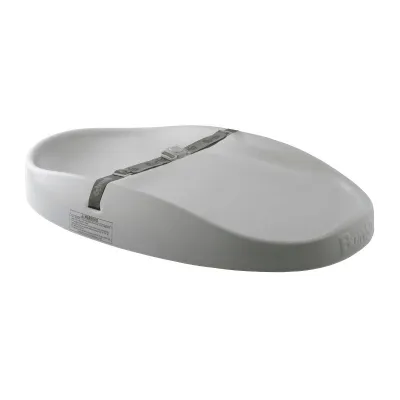
To understand how these pads compare, it helps to look closely at their physical construction and material properties. The Bumbo changing pad is manufactured from low-density, molded polyurethane foam. This material is soft to the touch, slightly squishy, and naturally adapts to room temperature, meaning it does not feel as cold against a baby’s bare skin as standard vinyl. Because it is molded as a single piece, it has no stitched seams, zippers, or fabric edges where liquids can pool or seep into the interior foam.
Products mentioned in this guide

Prices are valid at publication and may change. Please refer to the product page for the latest price.

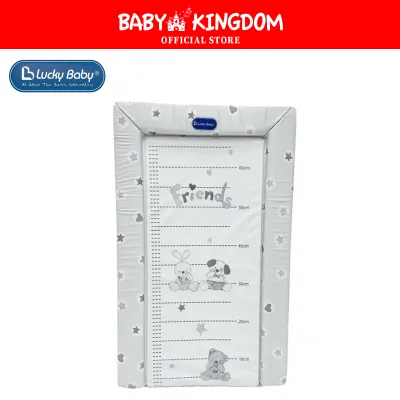
Standard contoured changing pads generally use a multi-layered construction. They typically feature a firm fiberboard or high-density foam core wrapped in a waterproof vinyl or PEVA sleeve. While this outer sleeve keeps moisture out of the core, the stitched seams along the edges can trap liquids, dust, and creams over time. To make these vinyl surfaces comfortable for a baby, caregivers almost always need to purchase separate fabric covers, which adds to your laundry routine.
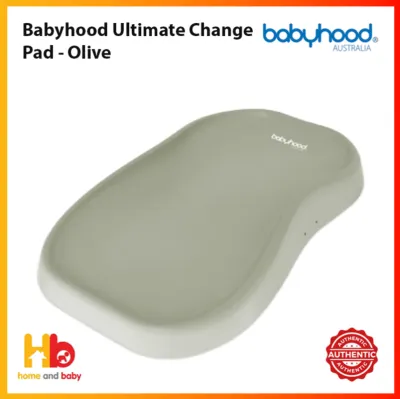
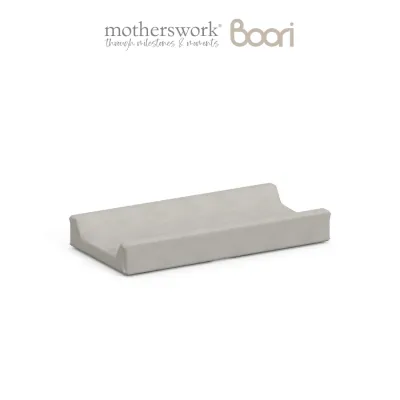
Contour depth and shape also vary significantly between these two styles. The Bumbo pad features an ergonomic, gently sloping contour with raised sides that merge smoothly into the base. Traditional contoured pads often have more pronounced, rigid, two-sided or four-sided raised walls. These higher walls are designed to help keep your baby centered on the pad, but they also make the pad bulkier and less flexible if you need to fit it into a tight changing tray.
Durability and long-term maintenance are key considerations for daily nursery gear. Molded foam is highly resilient, but it can be sensitive to harsh chemical cleaners, which may cause the surface to discolor or degrade over time. Traditional vinyl-wrapped pads are highly resistant to standard household disinfectants, but the vinyl cover can crack or tear along the seams after months of heavy use, exposing the inner cushioning to moisture.
Safety Mechanisms and Supervision Requirements
Safety is the most critical factor when setting up any diaper-changing station. Both molded foam pads and traditional contoured pads incorporate safety straps designed to buckle across your baby’s torso. However, these straps are intended only as secondary restraints to assist you during a change; they are not safety harnesses and will not prevent a determined baby from rolling or sliding if left unattended.
Anchoring mechanisms differ substantially between the two designs. Traditional contoured pads almost always come equipped with fabric anchoring straps attached to the underside of the pad. These straps are designed to be screwed directly into the back of your wooden dresser or changing table to prevent the entire pad from sliding off the furniture. Molded foam pads like the Bumbo typically rely on their weight, a textured non-slip bottom surface, or adhesive strips to stay in place, though some models may include optional anchoring straps. You must carefully evaluate whether your dresser surface provides enough friction to keep a lightweight foam pad secure.
Before purchasing, you must verify the specific weight and age limits printed on the product packaging. Many molded foam pads have a maximum weight limit of approximately 13.6 kg (30 lbs), whereas some rigid contoured pads can support slightly more weight due to their solid base. Always check the physical safety label on the product rather than relying on general online descriptions.
In Singapore, where nursery setups often adapt to compact urban spaces, ensuring a secure fit on your furniture is vital. You must inspect the physical product labels to verify compliance with international safety standards, such as ASTM or EN guidelines. Never assume a product is certified without checking the physical packaging or the manufacturer’s official documentation.
Practical Usability and Furniture Compatibility
Integrating a changing pad into your daily routine requires a look at physical dimensions and space constraints. Traditional contoured pads are generally standardized to fit standard changing tables and dresser toppers, typically measuring around 81 cm by 41 cm (32 inches by 16 inches). The Bumbo changing pad has a slightly different, often more compact footprint, but its unique contoured shape means it may not sit completely flat inside rigid wooden changing trays designed for rectangular pads.
If you live in a home where you need to move your changing station between rooms, portability becomes a major factor. Molded foam pads are lightweight and easy to carry with one hand, making them highly convenient for temporary setups on the living room floor or a playpen bassinet insert. Traditional rigid pads are heavier and stiffer, making them awkward to transport around the house.
Cleaning convenience is where the two designs diverge most. During a messy diaper change, a seamless foam pad can be wiped clean in seconds with a damp cloth and mild baby-safe soap. There are no covers to remove, wash, or dry. With a traditional pad, a major spill usually means stripping off a dirty fabric cover, wiping down the vinyl sleeve, and putting on a fresh cover. If you do not have a backup cover on hand, your changing station may be out of commission while the laundry runs.
However, you must consider the environmental conditions of your home. In humid climates, any moisture left in the crevices of a vinyl pad or underneath a foam pad can encourage mold growth. Regularly lifting the pad to clean and dry the underlying furniture surface is an essential maintenance step for both styles.
Specification and Checklist Comparison
To help you compare your options at a glance, the table below outlines the key structural differences and verification steps you should take before making a purchase.
| Feature or Checklist Item | Bumbo Changing Pad | Standard Contoured Pads |
|---|---|---|
| Primary Base Material | Molded low-density polyurethane foam | Rigid fiberboard or high-density foam core |
| Outer Surface | Seamless, integrated skin | Waterproof vinyl or PEVA sleeve with stitched seams |
| Fabric Cover Required | No (designed for direct use) | Yes (highly recommended for baby comfort) |
| Anchoring Method | Non-slip textured base (verify if straps are included) | Fabric straps with screws for securing to furniture |
| Cleaning Method | Wipe clean with damp cloth and mild soap | Wipe clean; machine-washable fabric covers |
| Portability | High (lightweight and flexible) | Low to moderate (rigid and bulky) |
| Standard Dimensions | Verify exact product dimensions against your furniture | Typically fits standard 81 cm x 41 cm trays |
Note: Always verify the exact dimensions, weight limits, and anchoring requirements on the product packaging or the manufacturer’s official website before purchasing to ensure compatibility with your nursery setup.
Decision Framework: Which Pad Should You Choose?
Selecting the right changing pad comes down to aligning the product’s design with your daily parenting habits and nursery space. Use the following guidelines to make your decision:
Choose the Bumbo changing pad if:
- You want to minimize laundry and prefer a seamless surface that can be wiped clean instantly.
- You plan to move the changing pad frequently between different rooms or use it on the floor.
- You prefer a soft, cushioned material that does not feel cold to the touch and does not require additional fabric covers.
- Your changing table or dresser surface can safely accommodate the pad's specific footprint without a rigid tray.
Choose a standard contoured changing pad if:
- You want a traditional setup that screws securely into the back of your wooden dresser for maximum stability.
- You prefer to customize your nursery's look with decorative, machine-washable fabric covers.
- You are using a standard-sized wooden changing tray that requires a precise, rectangular pad fit.
- You are looking for a highly budget-friendly initial option and do not mind the ongoing laundry of fabric covers.
Before finalizing your choice, observe your baby’s development. If your baby is highly active, frequently rolls, or is approaching the manufacturer’s stated weight limit, you may need to transition to changing them on a safe floor mat rather than an elevated surface. Always prioritize a secure, stable setup that fits your specific furniture and allows you to maintain constant physical contact with your baby.
Frequently Asked Questions (FAQ)
Can I leave my baby unattended on a contoured changing pad for just a second?
No, you must never leave your baby unattended on any changing pad, even for a brief moment. Contoured edges and safety straps are designed to assist you during the change, but they are secondary safety measures and cannot prevent a baby from rolling over or falling if they wiggle forcefully. Always keep at least one hand on your baby at all times, and prepare all your changing supplies—such as diapers, wipes, and creams—before placing your baby on the pad.
Do I need a special changing table for a foam changing pad?
You do not necessarily need a dedicated changing table, but you must ensure the surface you use is flat, stable, and large enough to support the entire base of the pad. Measure your dresser or table surface carefully and compare it to the pad’s dimensions. Additionally, check that the bottom of the foam pad has sufficient grip on your furniture surface to prevent sliding. If the surface is highly polished or slippery, you must use the manufacturer’s recommended non-slip solutions or anchoring methods.
When should I stop using a contoured changing pad?
You should stop using a contoured changing pad as soon as your baby reaches the maximum weight or height limit specified by the manufacturer, which is printed on the product’s safety label. Additionally, you should transition away from an elevated changing pad if your baby becomes highly active, consistently attempts to roll over, pushes up on their hands and knees, or tries to climb off the pad. At this stage, moving your diaper-changing routine to a clean mat on the floor is the safest option.

Community discussion
Share your experience or ask a question. Comments are reviewed before publication.