
When preparing for vehicle travel with your child in Singapore, confirming that your child car seat meets both local legal requirements and rigorous international safety standards is a critical first step. Britax is a prominent global manufacturer of child restraint systems, but because the brand distributes products across multiple regional divisions—such as Europe, North America, and Australia—not every Britax car seat on the market carries the same safety certifications. To ensure your child’s safety and stay compliant with Singapore’s road safety laws, you must understand how to locate, read, and verify the certification labels on the specific model you plan to purchase.
Understanding Singapore's Car Seat Regulations and Safety Requirements
Under Singapore’s Road Traffic Act, anyone below the height of 1.35 metres must be secured with an approved child restraint system appropriate for their height and weight when travelling in a passenger vehicle. This law applies to all private passenger cars. While public taxis are currently exempt from this requirement, private hire vehicle services are not, which makes owning a compatible, easily installable car seat highly practical for local families who rely on ride-hailing services.
Singapore’s Traffic Police and Land Transport Authority do not test or certify car seats locally. Instead, they recognize several established international safety standards. For a child restraint to be legally acceptable on Singapore roads, it must carry a certification label indicating compliance with standards from recognized jurisdictions, such as the European Union, the United States, Australia, or Japan.
Products mentioned in this guide
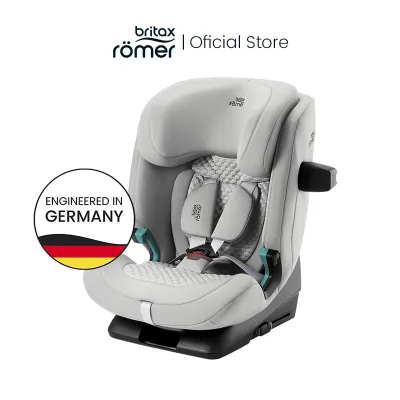
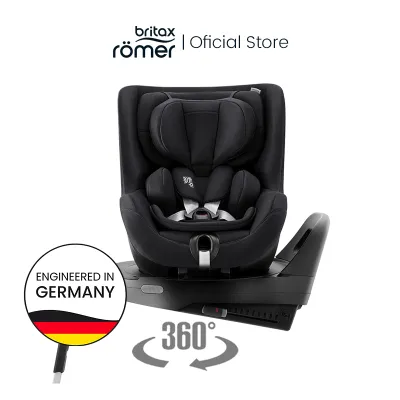
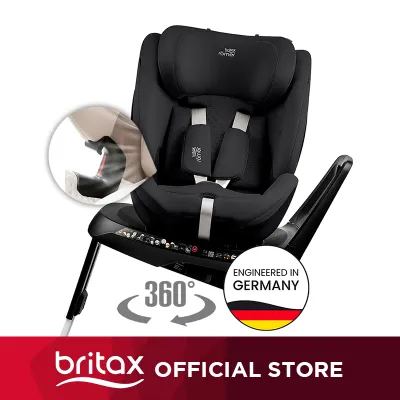
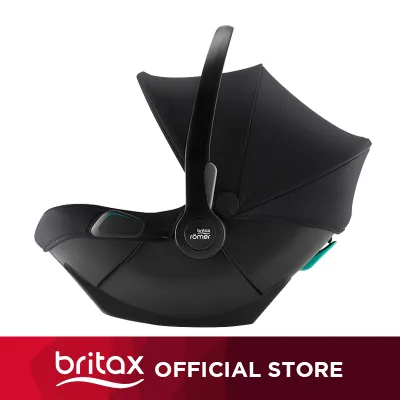
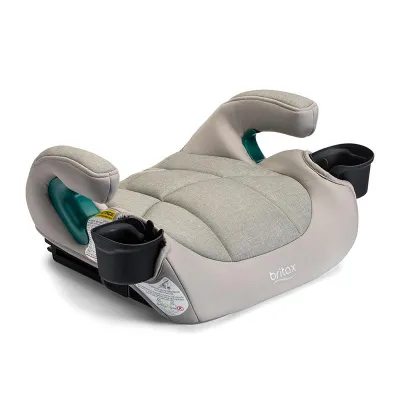
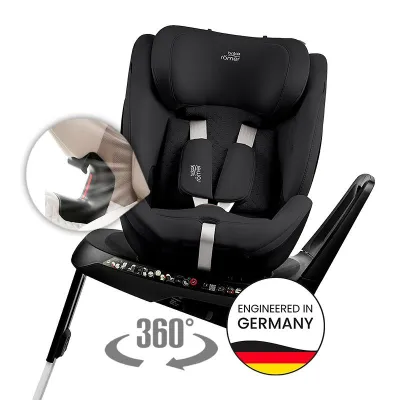
Prices are valid at publication and may change. Please refer to the product page for the latest price.
It is vital to understand that regulatory acceptance depends entirely on the specific model’s physical certification label and its manufacture date, not the brand name alone. Buying a Britax seat does not automatically guarantee compliance if the particular model was imported from a region whose standards are not recognized, or if the model’s certification has lapsed. Parents must examine the physical product to ensure it features the correct, authorized labeling.
Furthermore, safety standards are dynamic and evolve over time to incorporate advanced crash-testing methodologies. For example, older standards are periodically updated or phased out in favor of newer protocols that mandate side-impact testing and stricter head protection. Before purchasing any seat, buyers must verify that the specific restraint complies with current local transport authority guidelines rather than relying on outdated regulatory frameworks.
Key International Safety Standards to Check on Britax Labels
The primary source of truth for any car seat’s safety status is its physical certification label, which is typically adhered directly to the seat’s shell. For European-certified seats, this is usually an orange sticker. For models certified in other regions, it may be a white or silver safety compliance label. This label provides immutable proof that the specific model has undergone rigorous crash testing and met statutory requirements.

Depending on where your Britax seat was manufactured and how it was imported into Singapore, you are likely to encounter one of several international standards on the label:
- UN ECE R44/04: This European standard categorizes car seats based on the child's weight (divided into Groups 0+, 1, 2, and 3). While still widely accepted, it is an older standard that is gradually being phased out in many parts of the world.
- UN ECE R129 (i-Size): The newer European standard that runs parallel to and is designed to replace R44/04. It categorizes seats based on the child's height rather than weight, mandates side-impact testing, and requires children to remain rear-facing until at least 15 months of age. i-Size compliant seats also require ISOFIX installation.
- FMVSS 213: The United States Federal Motor Vehicle Safety Standard. Britax models manufactured for the North American market comply with this standard. These seats are typically installed using the vehicle's seat belt or the LATCH system (the American equivalent of ISOFIX) and often feature a chest clip on the harness.
- AS/NZS 1754: The Australian and New Zealand standard, which is widely considered one of the strictest in the world. It mandates dynamic crash testing, including side-impact and rear-rebound assessments. Australian Britax models (often branded as Britax Safe-n-Sound) require a top tether strap in addition to ISOFIX or seat belt installation.
Each of these standards dictates specific usage parameters, including maximum weight or height limits, the required duration for rear-facing travel, and the allowed installation methods. For instance, an i-Size seat will specify height limits in centimeters, whereas an R44/04 seat will specify weight limits in kilograms. You must match these parameters to your child’s current development stage and your vehicle’s physical configuration.
Because certification status is dynamic and highly model-specific, parents must verify the active status of the standard on the physical product or within the official manufacturer documentation. Never assume that two models that look identical share the same safety certifications, as internal structures and regional specifications can vary significantly.
How to Verify Certification and Compatibility Before Buying
To ensure you are purchasing a genuine, compliant, and compatible Britax car seat, follow this systematic verification process before completing your purchase:
- Step 1: Locate and photograph the certification label. Before leaving the retail store or finalizing an online transaction, locate the physical safety label on the car seat's plastic shell. Take a clear photograph of it. Ensure that the standard code (such as ECE R129 or FMVSS 213), the approved weight or height range, and the unique approval number are fully legible.
- Step 2: Cross-reference the model number. Use the exact model number from the label to search the official Britax website. Because Britax operates regional sites (such as Britax Römer for European models, Britax US, and Britax Australia), ensure you are searching the correct regional database. Confirm that the model is active, review the official user manual, and check the manufacturer's vehicle compatibility list.
- Step 3: Check the manufacture date. Locate the manufacture date, which is typically stamped directly into the plastic shell or printed on a dedicated white tracking sticker. Avoid purchasing any seat where this date is missing, obscured, or altered. Knowing the exact manufacture date is essential for calculating the seat's remaining safe operating lifespan.
- Step 4: Verify physical installation compatibility. Ensure the seat's required installation hardware matches your vehicle's features. If the Britax seat requires ISOFIX anchors and a top tether, verify that your car is equipped with these specific anchor points. If you plan to install the seat using the vehicle's three-point seat belt, consult the manual to ensure your car's belt routing paths are compatible with the seat's design.
Avoid purchasing or using second-hand car seats where the safety labels are missing, faded, or damaged. Without these labels, you cannot verify the seat’s history, compliance status, or expiration date. Unverified safety standards and potential hidden structural damage from a previous minor collision pose unacceptable risks to your child’s safety.
Safe Usage, Maintenance, and When to Replace the Seat
Owning a certified Britax car seat is only the first step; maintaining its structural integrity and using it correctly on every journey is what ensures ongoing protection. Caregivers should perform routine visual inspections of the seat. Check the plastic shell regularly for hairline cracks or stress discoloration. Examine the harness straps to ensure they are not frayed, twisted, or heavily soiled, and test the buckle mechanism to confirm it clicks securely and releases smoothly without sticking.
Any car seat involved in a moderate or severe motor vehicle crash must be replaced immediately. Even if there is no visible external damage, the extreme forces of a collision can cause microscopic stress fractures in the plastic shell or stretch the internal webbing of the harness. These hidden compromises can prevent the seat from protecting your child in a subsequent accident. Always consult the manufacturer’s guidelines regarding crash replacement policies.
To preserve the material integrity of your car seat, follow the manufacturer’s instructions for cleaning. Remove the fabric cover only as directed in the user manual. Wash the cover using mild detergents and cool water; avoid harsh chemical bleaches, fabric softeners, or abrasive cleaners. Never submerge the harness straps or buckle mechanism in water, as this can degrade the strength of the synthetic webbing or wash away critical internal lubricants. Allow all components to air-dry completely in a shaded area before reassembly.
Car seats have a finite lifespan, typically ranging from 6 to 10 years from the date of manufacture. Over time, exposure to high temperatures—particularly inside parked vehicles in Singapore’s tropical climate—and ultraviolet light can degrade the plastic shell and energy-absorbing foam padding. Check your specific Britax model’s manual or the plastic shell for the manufacturer’s stated expiration timeline.
If you are uncertain about the correct installation method, if the seat shows signs of structural wear, or if your child is approaching the maximum weight or height limits stated on the label, stop use immediately. In such cases, consult the manufacturer or a certified child restraint systems technician to verify the seat’s safety before continuing use.
Frequently Asked Questions (FAQ)
How can I tell if my Britax car seat is expired?
To find the expiration date of your Britax car seat, locate the manufacture date label, which is typically printed on a white tracking sticker or molded directly into the plastic shell of the seat. Once you have this date, consult your specific model’s user manual to find the manufacturer’s recommended lifespan, which generally ranges from 6 to 10 years. Do not rely on visual appearance alone, as material degradation in the plastic and foam can occur without visible signs. If the manufacture date is missing or illegible, the seat should be retired.
Does a higher price guarantee better safety certification?
No, a higher price does not guarantee a superior safety certification. All car seats sold legally must meet the same baseline international safety standards (such as UN ECE R44/04 or R129) to be certified for use. Premium prices often reflect additional convenience features, luxury fabrics, advanced installation aids, or brand positioning rather than a higher level of certified safety. The most critical factors for safety are choosing a seat that matches your child’s size, installing it correctly, and using it consistently.
What should I do if the certification label is missing or faded?
If the safety certification label on your Britax car seat is missing, damaged, or faded to the point of being illegible, you should stop using the seat. Without this label, you cannot verify the safety standards the seat complies with, its weight or height limits, or its manufacture date, making it impossible to ensure compliance with Singapore’s road safety regulations. You can contact Britax customer service with your seat’s serial number to see if a replacement label or verification letter can be provided; otherwise, the seat must be replaced.
Community discussion
Share your experience or ask a question. Comments are reviewed before publication.