
Managing a pregnancy in Singapore’s year-round tropical climate requires a strategic approach to your wardrobe. The combination of intense outdoor heat and high relative humidity means that standard fashion choices can quickly lead to discomfort, overheating, and skin irritation. To maintain comfort, you need maternity wear that prioritizes maximum breathability, rapid moisture dissipation, and non-restrictive fits. Focusing on brands that utilize high-performance semi-synthetics like bamboo viscose and modal, or lightweight natural weaves like long-staple cotton and linen, ensures you stay cool during daily commutes and outdoor activities. By understanding fabric specifications and design silhouettes, you can curate a functional wardrobe that accommodates your changing body while effectively managing the tropical heat.
Why Singapore's Tropical Climate Changes Your Wardrobe Needs during Pregnancy
Pregnancy triggers a series of physiological adaptations that significantly alter how your body regulates temperature. During this period, your basal metabolic rate increases, and your body experiences a substantial rise in blood volume to support fetal development. These internal shifts naturally elevate your core body temperature, making you feel noticeably warmer than usual even in air-conditioned environments. Additionally, hormonal fluctuations can increase sweat gland activity and heighten skin sensitivity, leaving you more vulnerable to friction, redness, and sudden temperature shifts.
In Singapore, the ambient climate amplifies these physiological challenges. The nation’s consistently high relative humidity—often exceeding 80%—severely limits the efficiency of your body’s primary cooling mechanism, which is the evaporation of sweat from the skin. When the air is already saturated with moisture, sweat cannot evaporate quickly, trapping heat against your body. This makes fabric breathability a critical functional necessity rather than a mere luxury. Wearing heavy or tightly woven synthetic garments can create a microclimate of trapped hot air and moisture right next to your skin, accelerating discomfort.
Products mentioned in this guide
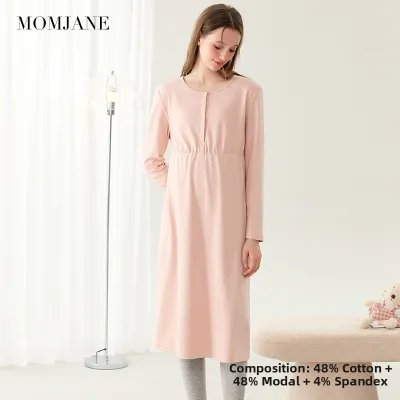
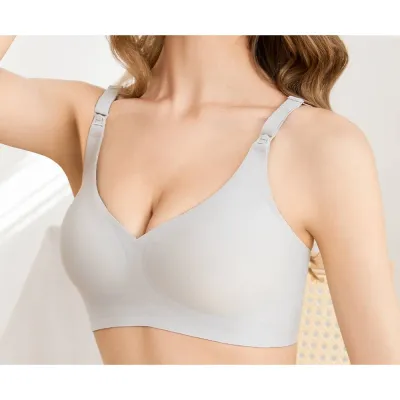
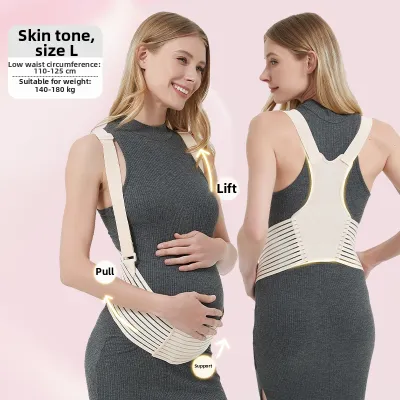
Prices are valid at publication and may change. Please refer to the product page for the latest price.
Furthermore, the combination of persistent moisture, heat, and friction increases the risk of localized skin issues. Heat rash (miliaria) occurs when sweat ducts become blocked, leading to itchy, red bumps, particularly in areas where skin meets skin or where tight clothing rubs. Fungal infections, such as tinea versicolor or candidal intertrigo, also thrive in warm, moist environments like the under-bust area or beneath a growing belly. To mitigate these risks, your clothing must actively facilitate airflow and assist in moving moisture away from your skin, allowing for rapid drying and minimizing friction.
Essential Fabric Specifications for Breathable Maternity Wear
Selecting the right maternity clothing starts with an objective look at the fabric composition tag. Rather than relying on generic marketing terms like “cool-touch” or “cloud-soft,” you can make more reliable purchasing decisions by evaluating the specific fibers, yarn weights, and weave structures used in the garment.

Natural and Semi-Synthetic Fibers
Natural and semi-synthetic fibers are highly favored for tropical maternity wear due to their inherent moisture absorption and gentle texture on sensitive skin. Cotton remains a classic option, but its performance depends heavily on the quality and weave. Long-staple cotton woven into a lightweight voile or a loose knit offers excellent airflow, though you should note that pure cotton absorbs moisture and retains it longer than engineered synthetics, meaning a heavily saturated cotton shirt can feel damp and heavy during a humid commute. Linen offers unmatched breathability and a cool, crisp hand-feel due to its stiff, loose fibers, but its tendency to wrinkle easily and its lack of natural stretch mean it is best suited for loose-fitting, draped designs rather than supportive, body-conforming garments.
Semi-synthetic fibers, also known as regenerated cellulose fibers, include bamboo viscose, modal, and lyocell (often branded as Tencel). These materials are manufactured by processing plant cellulose into highly uniform, silky yarns. Bamboo viscose and modal are exceptional for Singapore’s climate because they have a naturally smooth surface that minimizes skin friction, and they possess high hygroscopicity, meaning they can absorb a significant amount of moisture without feeling wet to the touch. When evaluating these fabrics, look for loose knits or lightweight jersey structures that allow air to circulate freely through the material, helping to dissipate body heat.
Performance Synthetics and Blends
While pure synthetics like traditional polyester and nylon are notorious for trapping heat and odors, modern performance synthetics are engineered specifically for active moisture management. These fabrics utilize specialized yarn cross-sections—such as channels that pull sweat away from the skin via capillary action—and disperse it across a wide surface area on the outer layer of the fabric for rapid evaporation. If you commute frequently or remain active during your pregnancy, maternity activewear lines utilizing these moisture-wicking technologies can provide superior dryness compared to natural fibers.
To achieve the necessary stretch for a growing belly, maternity garments almost always incorporate elastane (also known as spandex or Lycra). Elastane provides excellent recovery, ensuring that panels over the belly do not sag over time. However, because elastane is non-porous and can trap heat if used in high percentages, you should look for a balanced blend. For everyday wear, an elastane content of 5% to 10% blended with a highly breathable primary fiber like modal or bamboo viscose offers a practical balance of stretch and thermal comfort. Avoid garments with heavy rayon blends, thick polyester fleece linings, or non-porous waterproof panels, as these will inevitably trap heat and moisture in tropical conditions.
Navigating Maternity Brand Collections for Tropical Comfort
Finding the right balance of style, support, and thermal comfort requires evaluating how different brands approach maternity wear design. Not all collections are created equal, and understanding the strengths of specialty labels versus activewear brands will help you build a highly functional wardrobe.
Specialty Maternity Brands vs. Activewear Crossovers
Specialty maternity brands focus heavily on the changing contours of the pregnant body, designing pieces that adapt to your shape across all trimesters. In Singapore’s climate, look for specialty brands that emphasize draped silhouettes, empire waists, and adjustable side-ruching. These design elements are highly functional because they create physical separation between the fabric and your skin, promoting natural convective cooling. A loose, flowing empire-waist dress made of lightweight modal allows air to circulate underneath, which is significantly cooler than a tight, restrictive garment.
Conversely, mainstream activewear brands that offer dedicated maternity lines excel in technical performance. These brands often utilize high-gauge, sweat-wicking synthetic blends and incorporate breathable mesh panels in high-sweat zones, such as the lower back or under the bust. Maternity activewear leggings and tops are ideal for days when you expect to walk outdoors or run errands in the heat, as they provide structural belly support without retaining moisture. When shopping, it is best not to assume an entire brand’s catalog is suitable for the tropics; instead, look for specific hot-weather or active lines within their collections that feature lightweight, porous construction.
What to Check Before Buying Online
When shopping on online marketplaces or brand websites, you cannot physically touch the fabric to assess its weight or texture. To avoid purchasing garments that are too heavy or restrictive, develop a habit of verifying the digital product specifications. Look for detailed fiber composition lists and search for third-party textile certifications, such as the OEKO-TEX Standard 100. This certification indicates that the fabric has been tested for harmful substances, which is a crucial consideration for pregnancy-sensitized skin that is prone to irritation and hives.
Additionally, pay close attention to the brand’s specific size guides and fit descriptions. A garment that is too tight will press damp fabric against your skin, increasing friction and blocking airflow, while an excessively loose garment may cause chafing in areas like the inner thighs. Check customer reviews specifically for feedback on fabric thickness, drape, and sizing accuracy. Finally, always verify the retailer’s return and exchange policies before purchasing; because fabric hand-feel and elasticity can vary dramatically between different blends, you need the flexibility to return items that do not meet your comfort standards upon arrival.
Care and Maintenance for Maternity Clothes in High Humidity
Singapore’s persistent high humidity presents unique challenges for garment care, particularly when dealing with sweat-soaked maternity wear. If left in a laundry hamper for extended periods, damp clothing becomes a breeding ground for bacteria and mildew, which can lead to persistent odors and degrade delicate fibers. To maintain the structural integrity and cooling properties of your maternity wardrobe, establish a prompt and gentle care routine.
Wash sweat-saturated garments as soon as possible. If you cannot run a full wash cycle immediately, hang the damp items in a well-ventilated area to dry rather than leaving them balled up in a dark hamper. When washing semi-synthetic fabrics like modal and bamboo viscose, use a gentle cycle with cool water and a mild, pH-neutral liquid detergent. Avoid fabric softeners, as they leave a microscopic chemical residue on the fibers that can clog the fabric’s pores, severely reducing its breathability and moisture-wicking capabilities.
Drying your clothes thoroughly is critical to preventing mold and musty smells. In humid environments, air-drying indoors can take a long time, increasing the risk of mildew. To optimize the drying process, use spaced hangers in a well-ventilated room, preferably near an open window or in a space assisted by a ceiling fan or a dehumidifier. If you must use a tumble dryer, check the manufacturer’s care label first; many semi-synthetic and elastane-blend garments require low-heat settings, as high heat can break down the elastic fibers, causing the clothing to lose its shape and supportive qualities.
When ironing or steaming your maternity wear, exercise caution. Delicate semi-synthetics like modal and bamboo viscose can scorch or melt under high temperatures. Use a low heat setting on your iron or a gentle garment steamer, and consider using a pressing cloth to protect the fabric surface. Always prioritize the specific care instructions printed on the garment’s label to ensure you do not inadvertently damage the material or compromise its performance.
Frequently Asked Questions (FAQ)
Is it safe to wear maternity compression garments in hot weather?
Maternity compression garments, such as supportive belly bands or compression socks, are frequently recommended by healthcare professionals to improve circulation, reduce swelling (edema), and alleviate joint strain. However, wearing tight, thick compression wear in extreme heat and humidity can trap sweat against your skin, potentially causing heat rash or localized irritation. To wear them safely, look for specialized compression options made from moisture-wicking, breathable synthetic blends or those featuring open-toe or mesh ventilation zones. Monitor your skin regularly for signs of redness or irritation, and consult your OBGYN or healthcare provider for personalized guidance on how long to wear them each day.
How can I prevent chafing and heat rash during the third trimester?
During the third trimester, increased body mass and skin-to-skin contact can make chafing and heat rash particularly troublesome. To prevent inner-thigh chafing, wear seamless, lightweight maternity slip shorts or ultra-thin bamboo viscose leggings under your dresses; these act as a breathable physical barrier that reduces friction. Choose loose, flowing tops and dresses that do not cling to high-sweat areas like the under-bust or lower abdomen. Keep these areas clean and dry, and if you experience persistent skin irritation, redness, or signs of infection, stop using any irritating garments and consult a qualified medical professional for appropriate skin care recommendations.
Community discussion
Share your experience or ask a question. Comments are reviewed before publication.