
Selecting the right breast milk pump is a highly personal decision that depends on your daily routine, feeding goals, and budget. Because every mother’s lactation journey and physical response to pumping are unique, there is no single universal model that works perfectly for everyone. Some parents require a heavy-duty system to establish or maintain their milk supply, while others prioritize a discreet, wearable option that fits seamlessly into a busy work schedule.
By systematically comparing suction profiles, portability features, and long-term maintenance costs, you can identify which category of pump aligns with your specific lifestyle. Making an informed choice not only supports your feeding objectives but also ensures a more comfortable and efficient pumping experience over the long term.
Understanding Suction and Comfort
When evaluating breast pumps, many parents mistakenly assume that higher suction strength automatically leads to more milk. In reality, comfort and the natural flow of milk are closely linked, meaning that harsh or painful suction can actually inhibit your let-down reflex. Understanding how different motors and suction profiles operate is the first step in finding a comfortable fit.
Products mentioned in this guide
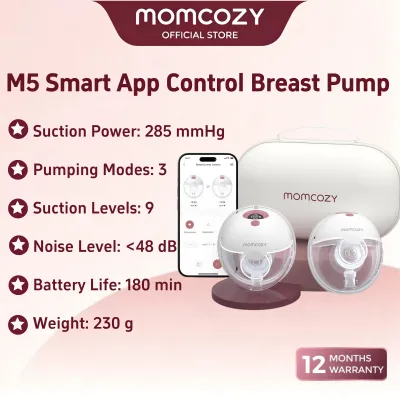
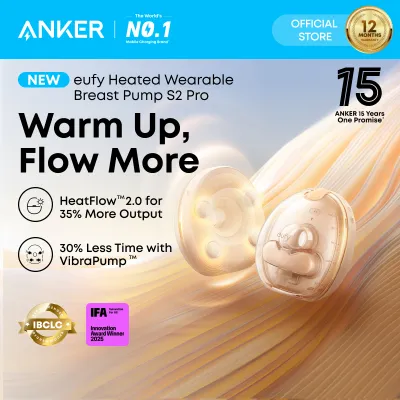
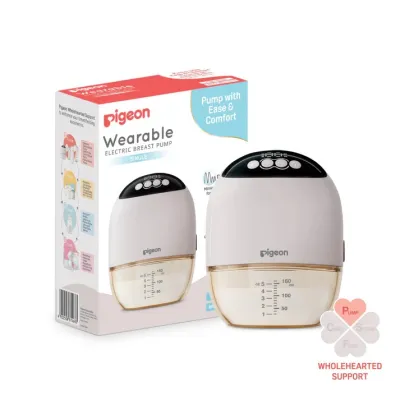
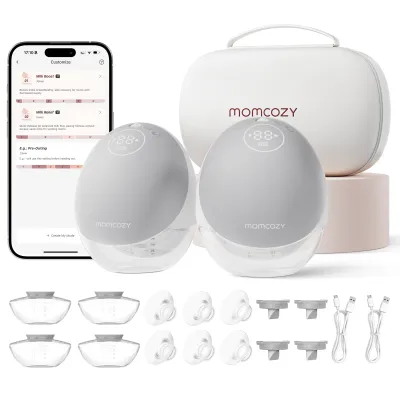
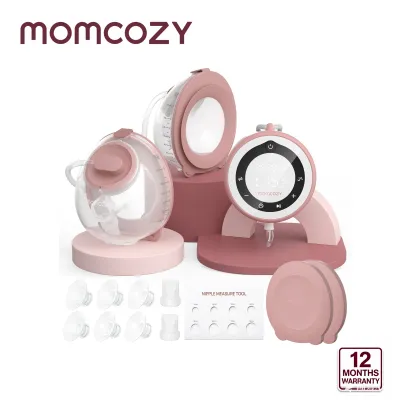
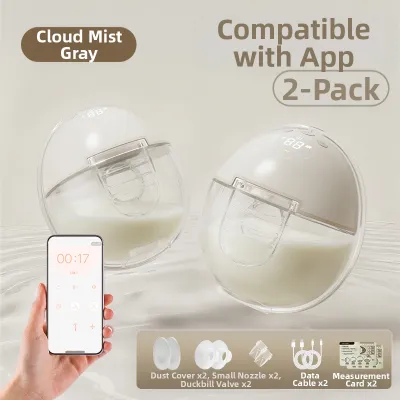
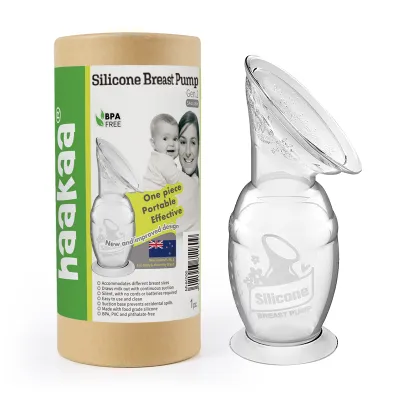
Prices are valid at publication and may change. Please refer to the product page for the latest price.
Hospital-grade breast pumps are designed with heavy-duty motors that offer highly consistent, smooth suction patterns. These multi-user closed systems are typically recommended for initiating milk supply in the early weeks postpartum or for mothers who pump exclusively. Personal-use electric pumps, while highly efficient, utilize smaller motors that may have slightly different suction curves and cycle speeds.
Most modern electric pumps feature two distinct phases: a stimulation (or let-down) phase and an expression phase. The stimulation phase uses fast, shallow cycles to mimic a baby’s initial nursing pattern, which triggers the milk to flow. Once the milk begins to flow, switching to the expression phase—which features slower, deeper cycles—allows for efficient milk removal. Having independent control over both the speed (cycles per minute) and the vacuum strength (suction level) allows you to customize the settings to your comfort level.
Flange sizing and material play a critical role in suction efficiency and physical comfort. The breast shield, or flange, must fit the nipple correctly; a flange that is too small can cause painful friction, while one that is too large can draw too much of the areola into the tunnel, blocking milk ducts. Many brands now offer flexible silicone flanges alongside traditional hard plastic shields, which some mothers find conform more naturally to the breast. It is highly recommended to measure your nipple base after birth or consult a lactation professional to determine your correct flange size before purchasing.
Evaluating Portability and Lifestyle Fit
Your daily environment and mobility needs will largely dictate the form factor of the pump you choose. Mothers who spend most of their day at home may have different priorities than those who are returning to a physical workplace or commuting regularly.

Wearable, in-bra breast pumps offer the ultimate level of mobility, allowing you to pump hands-free without external tubes or dangling bottles. These units slip directly into a standard nursing bra, making them highly discreet for multitasking. However, wearable pumps often have smaller milk collection capacities and may offer fewer customizable suction settings than traditional models. Traditional portable pumps utilize a compact motor unit connected to the breast shields via silicone tubing. While less discreet, these models often provide more robust suction profiles and allow you to use larger collection bottles.
Battery life and charging versatility are essential considerations for pumping on the go. Look for pumps that feature USB-C charging ports, which allow you to recharge the motor unit using standard phone chargers, laptops, or portable power banks. If you commute frequently or travel, verify the manufacturer’s estimated battery run time—often measured in the number of typical 20-minute pumping sessions per full charge—to ensure you will not be left without power.
Discretion involves both physical size and motor noise. If you plan to pump in a shared office space or a designated nursing room, look for models that specify quiet motor technology. A bulky, loud pump can increase stress, which may negatively impact milk expression. Checking the physical footprint of the motor and the ease of packing it into a standard work bag alongside a cooler bag is highly recommended for working mothers.
Assessing Value and Long-Term Costs
The initial retail price of a breast pump is only one part of the total cost of ownership. To evaluate the true value of a pump, you must consider the ongoing expenses associated with maintaining the device throughout your feeding journey.
Silicone components, such as valves, membranes, and diaphragms, are consumables that stretch and degrade over time with regular use, washing, and sterilization. When these parts wear out, the pump’s suction efficiency drops significantly. Before purchasing a specific brand, check the availability and pricing of these replacement parts. Some brands require proprietary parts that can be costly and difficult to source locally, while others are compatible with widely available third-party accessories.
Warranty coverage and local customer support are critical for a device you may rely on multiple times a day. Verify the length of the manufacturer’s warranty on the motor unit, which typically ranges from one to two years. Purchasing through official brand stores or authorized local distributors ensures that you have access to reliable customer service and genuine spare parts if the motor encounters a technical issue. Buying parallel-imported models may void local warranty coverage, leaving you without a backup if the pump malfunctions.
Value-add features can also influence your decision. Some pumps are sold as complete kits that include travel bags, cooler bottles, manual pump conversion parts, or multiple flange sizes. If you already own compatible bottles or a high-quality cooler bag, a basic pump-only package may offer better value. Conversely, first-time parents may find that a comprehensive starter kit saves time and money compared to purchasing accessories individually.
Decision Framework: Matching Features to Your Needs
To narrow down your options, it is helpful to match your primary feeding scenario to the pump features that will support it most effectively.
If you are exclusively pumping, managing a low milk supply, or pumping for twins, prioritize a high-performance double electric pump or a hospital-grade model. These systems offer the robust motor power and highly adjustable suction profiles needed to stimulate and maintain milk production over many months. For these scenarios, suction efficiency and comfort should take precedence over maximum portability.
If you are returning to the workplace, commuting, or need to pump while caring for other children, prioritize a compact, wearable, or ultra-quiet portable model. Look for features like USB charging, hands-free collection cups, and a lightweight motor unit that can be easily transported. Having a discreet, highly mobile pump makes it much easier to maintain a consistent pumping schedule during a busy workday.
If you primarily nurse directly and only need to pump occasionally—such as for building a small freezer stash or relieving engorgement—a budget-friendly manual pump or a basic single electric model may be the most sensible choice. These options require less maintenance, have fewer parts to clean, and do not require a significant upfront financial investment.
Before finalizing any purchase, always verify the hygiene standards of the pump. Ensure the model utilizes a closed system, which features a physical barrier to prevent milk from entering the tubing or motor. Additionally, if you are purchasing a pump from an overseas retailer, verify that the voltage requirements are compatible with Singapore’s 230V standard and that the plug type is safe for local use.
Frequently Asked Questions (FAQ)
Can I use a second-hand breast pump safely?
Using a second-hand breast pump is generally not recommended unless it is a designated multi-user, hospital-grade model. Most personal-use breast pumps are single-user devices designed with an open or closed system. Even in closed systems, which use a barrier to prevent milk from entering the motor, sharing a single-user pump can void the manufacturer’s warranty. Furthermore, internal motor components wear out over time, meaning a pre-owned pump may not deliver the suction strength required for efficient milk expression. For hygiene and performance reasons, it is safest to use a new personal pump.
How often should I replace breast pump parts?
Breast pump parts must be replaced regularly to maintain proper suction and hygiene. Silicone parts, such as duckbill valves and backflow protector membranes, are highly flexible and degrade from frequent washing, heat sterilization, and the physical strain of pumping. If you pump multiple times a day, valves may need replacement every one to three months, while diaphragms and tubing should be checked regularly for signs of wear, stretching, or moisture. Hard plastic components, like flanges and connectors, typically last longer but should be replaced if they show cracks, cloudiness, or deep scratches that can harbor bacteria. Always refer to your specific manufacturer’s guidelines for a recommended replacement schedule.
Community discussion
Share your experience or ask a question. Comments are reviewed before publication.